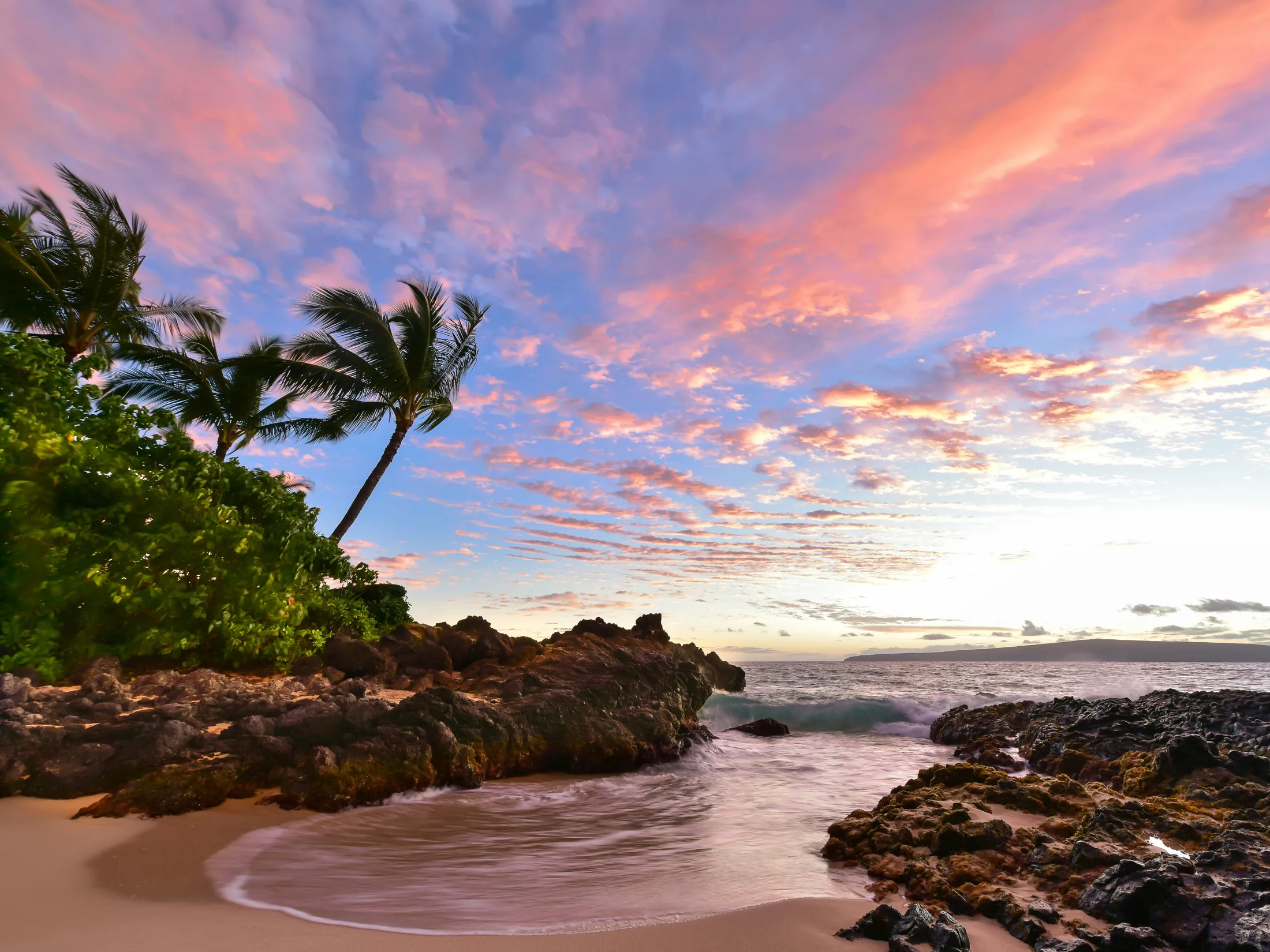


Maui is a driving island in the most literal sense. Its best landscapes are not arranged in one neat coastal strip; they rise, fold, dry out, green up, and change character by the mile. A single day can take you from cane-field flats to eucalyptus-scented Upcountry, from black lava shorelines to rain-fed gulches, from beach towns to 10,000 feet above the clouds.
That variety is the gift. It is also why Maui road trips reward restraint. The best drive is rarely the one with the most stops. It is the one that gives the island enough time to shift around you.
The Road to Hāna: waterfalls, rainforest, and patience
The Road to Hāna is famous for good reason, but it is often misunderstood. Hāna Highway is not a checklist. It is a slow, winding road through rain, stone, bridges, bamboo, ocean cliffs, and small communities. If you try to “do” every stop, the day starts to feel like a scavenger hunt. If you choose a few places and let the road breathe, it can be one of the most memorable days on Maui.
Most visitors begin around Pāʻia or Hoʻokipa and continue east toward Hāna, with possible stops around Twin Falls, Keʻanae Peninsula, Wailua Valley, Waiʻānapanapa, Hāna town, and the Kīpahulu side of Haleakalā National Park. That list is already more than many people need. Pick your anchors before you go.
A good first-time version might be:
Leave early, but not frantic. Pause at Hoʻokipa if the ocean is putting on a show. Choose one waterfall or garden stop rather than several. Take time at Keʻanae Peninsula if conditions and parking allow. Make Waiʻānapanapa or Hāna your main destination. Turn around before fatigue turns the return drive into a chore.
For many travelers, Waiʻānapanapa is the emotional center of the drive: black lava, sea caves, hala trees, and the feeling that East Maui has its own weather and time. Access requirements for popular state park areas can change, so check current reservation rules before you build the day around it.
Kīpahulu, beyond Hāna, adds another layer: stream-carved pools, coastal views, and the lower section of Haleakalā National Park. It is beautiful, but it makes for a longer day. If you want Kīpahulu without rushing, consider staying overnight in or near Hāna rather than treating the entire east side as a round-trip errand from West or South Maui.
The road is narrow, curvy, and shared by residents, visitors, delivery trucks, and tour vans. Use real pullouts, let faster traffic pass when it is easy, and do not stop in the lane for photos. The road works better when everyone keeps it moving.
Haleakalā and Upcountry: big sky, cooler air, and a different Maui
Haleakalā is the drive that reminds you Maui is not only a beach island. From Central Maui, the road climbs through Pukalani and Kula, gaining elevation until the ocean falls away and the mountain begins to feel larger than the map suggests.
Many visitors aim for sunrise at the summit. It can be extraordinary, but it is not the only worthy way to experience Haleakalā. Sunrise requires planning, very early wake-up times, warm layers, and attention to current park entry requirements. Sunset and daytime visits are often more relaxed, with the same high-elevation drama and easier logistics.
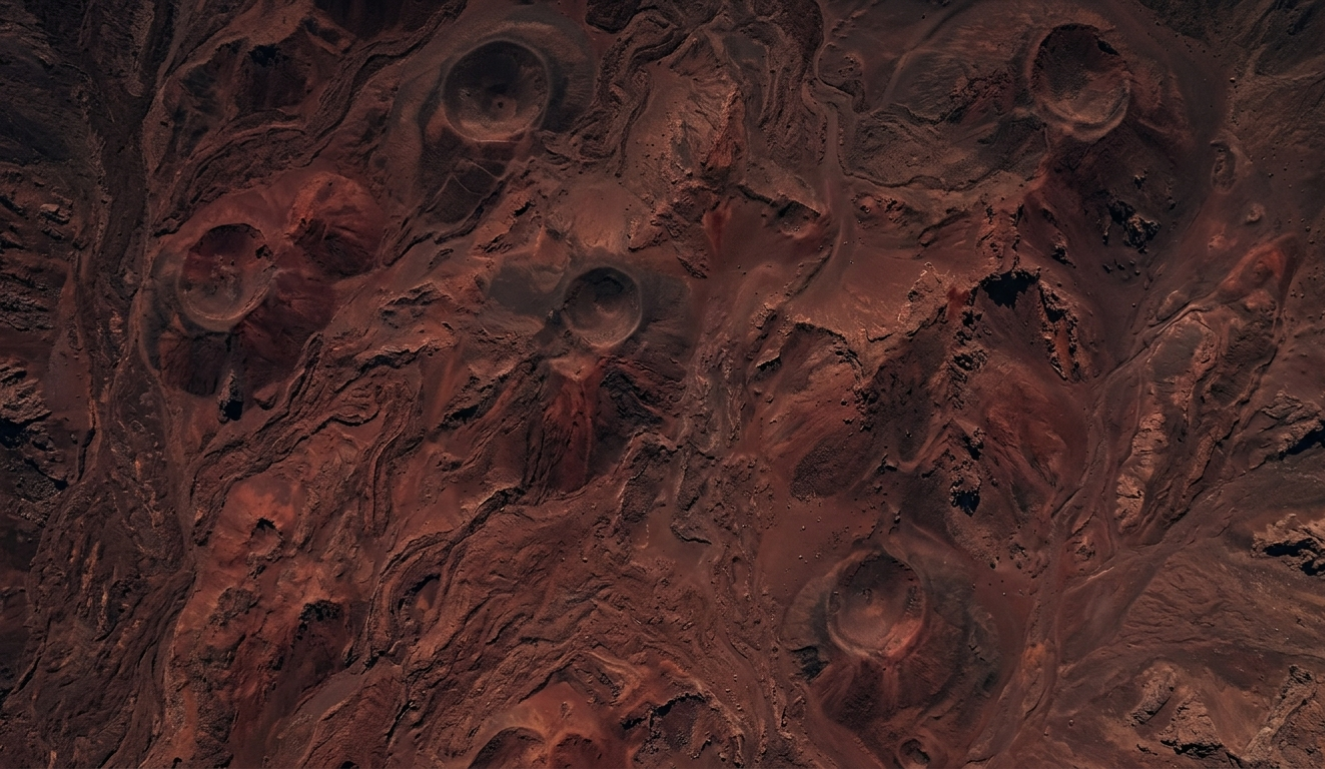
The summit area is stark in a way that surprises people: cinder, silence, wind, long views into the crater, and, when clouds are moving, the sense of being above the island rather than on it. Temperatures can be much colder than the coast, so bring a jacket even if you left Wailea or Kāʻanapali in sandals and heat.
The drive becomes especially satisfying when paired with Upcountry rather than treated as a straight shot up and down. Kula’s slopes, ranch land, protea farms, and the long views across the isthmus give this route a slower rhythm. Continuing toward ʻUlupalakua adds a dry, open, pastoral side of Maui that many beach-based itineraries miss.
A good Upcountry-Haleakalā day is simple: climb through Kula, spend real time near the summit, then descend slowly with room for a meal, a farm stop, or a pullout with a view.
West Maui’s north shore: rugged coast and narrow-road judgment
The drive around West Maui can be gorgeous, but it is not one single experience. The southern and western resort corridor—from Māʻalaea toward Lahaina, Kāʻanapali, Nāpili, and Kapalua—is broad, coastal, and familiar to many visitors. Past Kapalua, the road begins to change. The coastline grows rougher, the lanes narrow, and the drive toward Nakalele and, farther on, Kahakuloa and Wailuku becomes more demanding.
For most visitors, the sweet spot is an out-and-back from West Maui to the area around Kapalua and Nakalele, then returning the way you came. You still get lava rock, cliff views, wind-shaped coastline, and a strong sense of the island’s northwestern edge without committing to the tightest portions of the loop.
Nakalele Blowhole is often the named stop on this route. Conditions vary, and the ocean here deserves space; enjoy the coastline from sensible ground and avoid turning a sightseeing stop into a scramble. Even if you skip the blowhole itself, the drive has its own appeal: pale grass, dark rock, blue water, and a quieter mood than the resort beaches just minutes behind you.
Continuing all the way around via Kahekili Highway is a different choice. Some sections are narrow, winding, and uncomfortable for drivers who dislike exposure or tight passing. Rental car agreements may also have restrictions on certain roads. If there is any doubt, make the scenic drive an out-and-back. On Maui, turning around is not a failure; it is often the better plan.
South Maui to Mākena and La Perouse: lava fields, dry coast, and sunset color
South Maui has one of the island’s easiest scenic drives, and it is easy to underestimate because the road begins in such familiar vacation territory. From Kīhei through Wailea and toward Mākena, the landscape gradually loosens: condos thin out, the coast grows darker and rockier, and Haleakalā’s long slope becomes more visible behind you.
This is not a long drive, which is part of its charm. You can make it a relaxed morning, a golden-hour outing, or a low-effort day when you want scenery without committing to mountain roads or all-day logistics.
The route south passes beach parks, lava-rock coves, and the Mākena area before reaching the road-end feeling near La Perouse Bay. The landscape here is dry, exposed, and shaped by relatively recent lava flows from Haleakalā’s southwest rift. It feels different from the lush Maui many first-time visitors picture: more austere, more elemental, and often very hot.
A simple version: start in Kīhei or Wailea, continue through Mākena, stop where parking is appropriate, and end near La Perouse for a look at the lava coast. Return before dark if you are unfamiliar with the road.
ʻĪao Valley and Wailuku: a short drive with deep green walls
If you want a scenic drive that does not eat the day, look toward Central Maui and ʻĪao Valley. The road from Wailuku into the valley is brief, but the transition is dramatic: town streets give way to steep green walls, cloud-catching ridges, and the narrow, enclosed feeling of one of Maui’s storied valleys.
ʻĪao is not a road trip in the sprawling sense. It is better as a compact scenic outing, especially useful on an arrival day, a morning before moving hotels, or a day when the weather looks better in Central Maui than on the mountain or east side.
Because ʻĪao Valley is a managed state monument area, access details can change. Check current entry and parking requirements before going. Once there, keep expectations aligned with the scale of the visit: a short walk, a look into the valley, time with the stream and the mountains, then back into Wailuku for the rest of your day.
What makes this drive worthwhile is not distance. It is contrast. In less than an hour, you can go from airport errands or harbor traffic to a valley that feels older than the itinerary you brought with you.
How to choose the right Maui drive
If you only have one full free day and want the classic rainforest road, choose Hāna—but simplify it. Do not plan ten stops. Choose three that matter.
If you want grandeur without an all-day coastal marathon, choose Haleakalā and Upcountry. It is Maui at altitude: cool air, long views, and a landscape that changes as you climb.
If you are staying in West Maui and want a shorter rugged-coast adventure, drive toward Kapalua and Nakalele, then decide whether an out-and-back is enough. For many people, it is.
If you want an easy scenic outing from Wailea or Kīhei, go south to Mākena and La Perouse. It is one of Maui’s best effort-to-beauty ratios.
If you want something short, green, and close to Central Maui, make time for ʻĪao Valley.
The common mistake is assuming the longest route is the best one. Maui does not work that way. The island gives you rainforest, crater, pasture, lava, and coast—but not all at once, not comfortably, and not with joy if you are racing the clock.
Choose the drive that fits the day you actually want. Leave room for lunch. Leave room to pull over where it is safe and say, without needing to document it immediately, “This is why we came.”

Further Reading
A few relevant next steps from Alakai Aloha.
 BlogMaui’s Best Adventures for Every Season
Plan Maui by season, coast, and time of day, from winter whale watching and leeward beach mornings to summer south shore swells and misty Upcountry escapes.
Editor's pick GuideBest Hikes on Maui: from Easy Walks to Epic Summits
A guide to best hikes on Maui.
Editor's pick ActivityHaleakalā National Park
Explore Haleakalā National Park, encompassing the dormant volcano's summit for breathtaking sunrises, sunsets, and stargazing, alongside the lush Kīpahulu District's waterfalls and pools.
Editor's pick ActivityNakalele Blowhole
Experience the dramatic power of nature at Nakalele Blowhole, a mesmerizing marine geyser on Maui's rugged northwest coast where powerful waves send plumes of seawater high into the air.
Editor's pick