
Keʻanae-Nāhiku
A lush, stop-and-go Road to Hāna corridor of gulches, sea cliffs, and tiny villages.
Good Fit For
- Road to Hāna drivers
- Short scenic pull-offs
- Rainforest-and-coast contrasts
- Photo-forward pacing
- Slow-travel roadtrippers
Trade-offs
- Narrow winding highway
- Limited services nearby
- Frequent rain and mist
- Parking can be tight
Logistics & Getting Around
This stretch is best treated as a sequence of brief stops on the Hāna Highway. Expect slow driving, one-lane bridges, and small pull-outs; plan to be flexible around weather, traffic, and limited restrooms and food options.
Nearby Areas in East Maui
Signature Experiences in Keʻanae-Nāhiku
A corridor, not a single destination
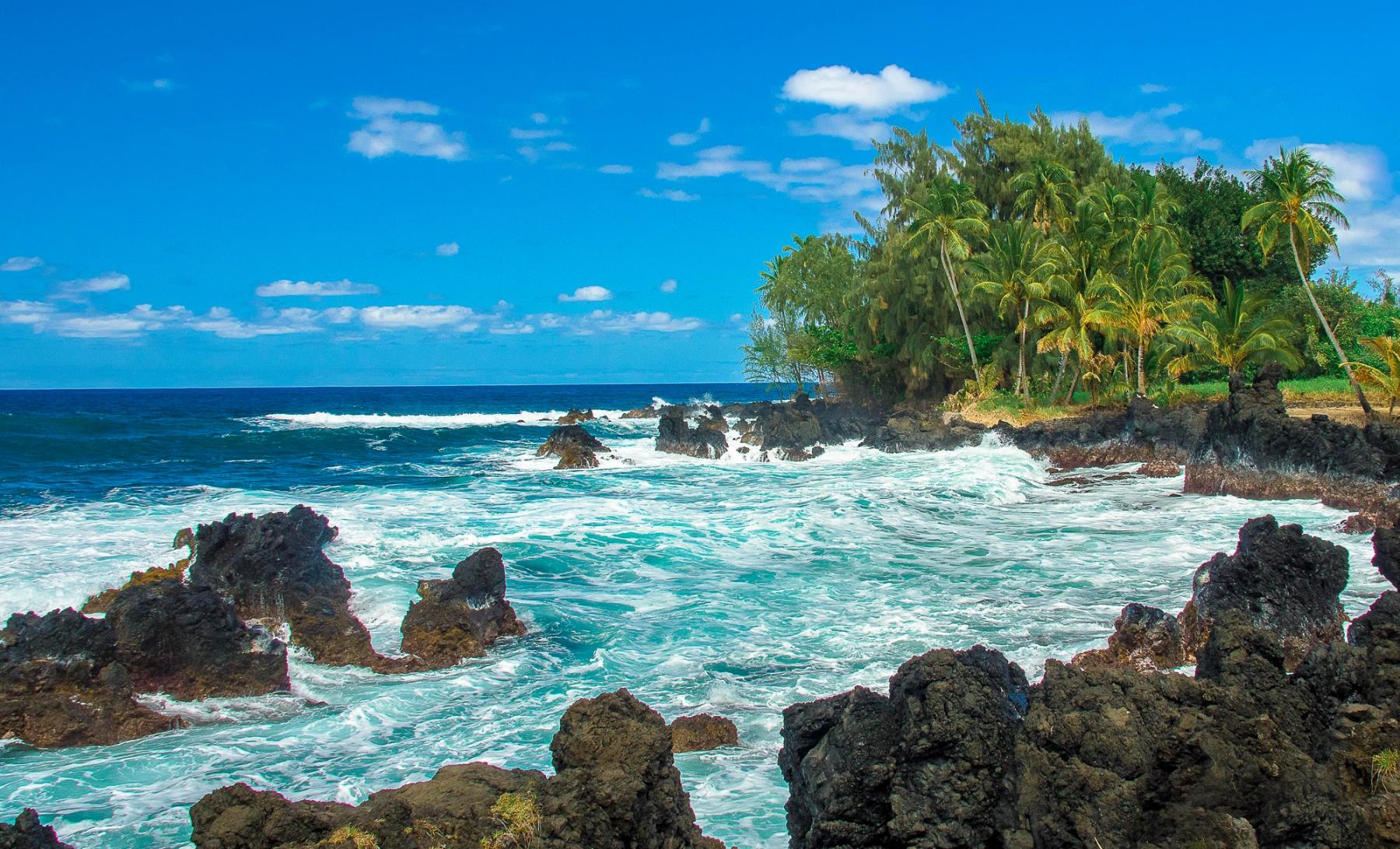
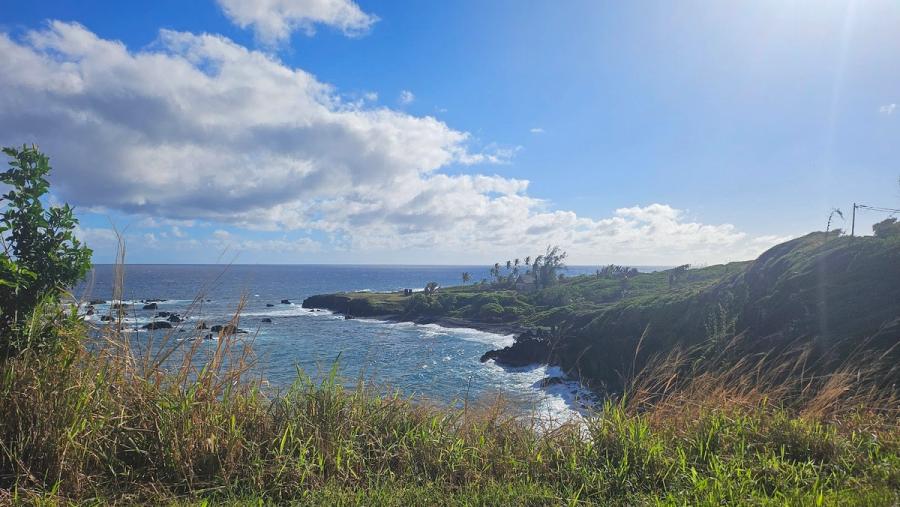
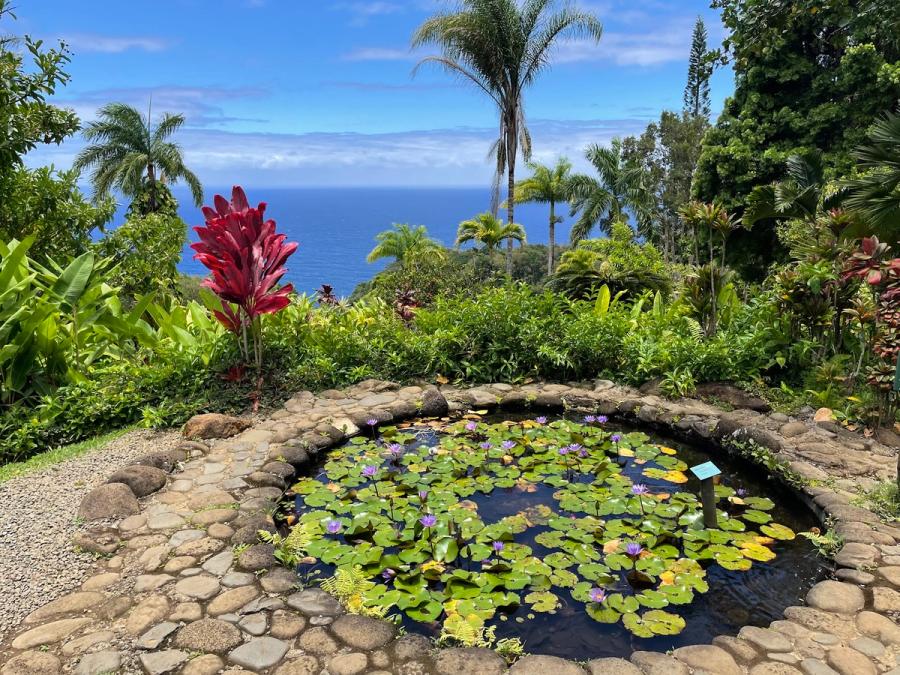
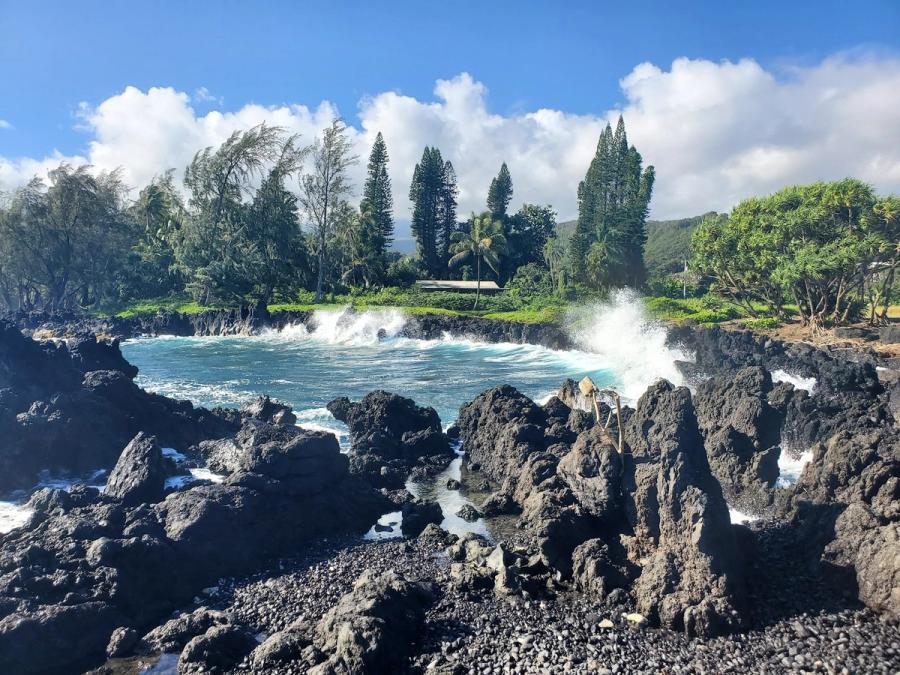
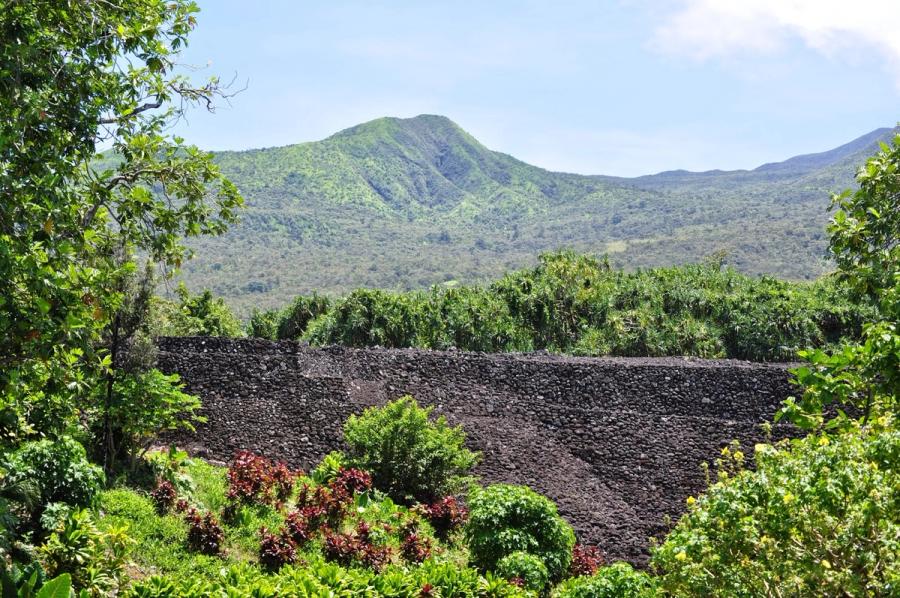
Keʻanae–Nāhiku is the stretch of East Maui that many visitors picture when they imagine the Road to Hāna: a narrow ribbon of highway clinging to steep, wet slopes, dipping across stream gulches, then opening suddenly to rough lava shoreline and big ocean views. It isn’t one town you arrive in and explore on foot. It’s a string of small places—especially Keʻanae and Nāhiku—plus the classic roadside scenery that makes the drive feel like a sequence of reveals.
Most people experience it in short bursts: a lookout, a quick walk to a viewpoint, a few minutes listening to wind and surf, then back into the car for another slow, curved mile. The landscape does most of the talking here—dense vegetation, dripping rock faces, and deep greens that can shift to silvery gray when mist rolls across the road.
What it feels like on the ground
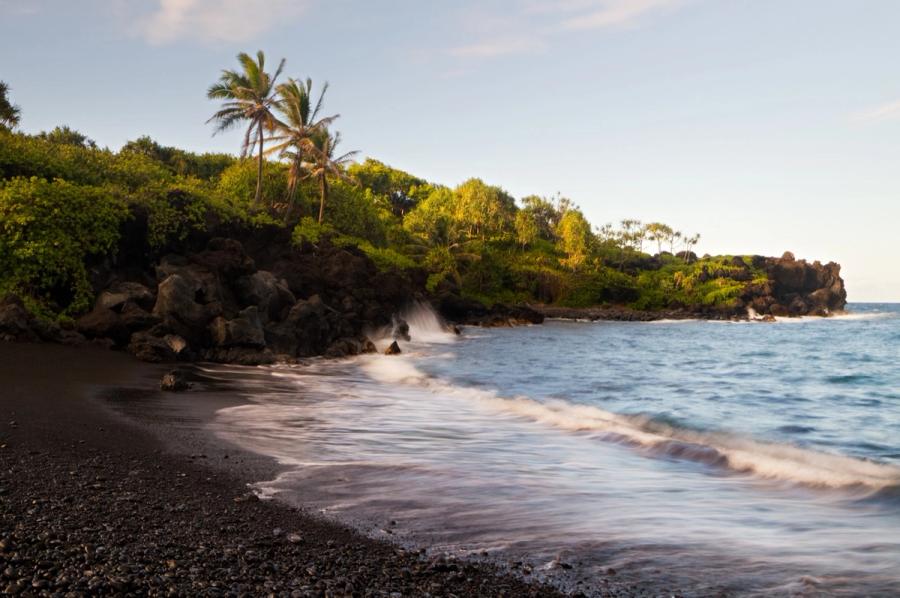
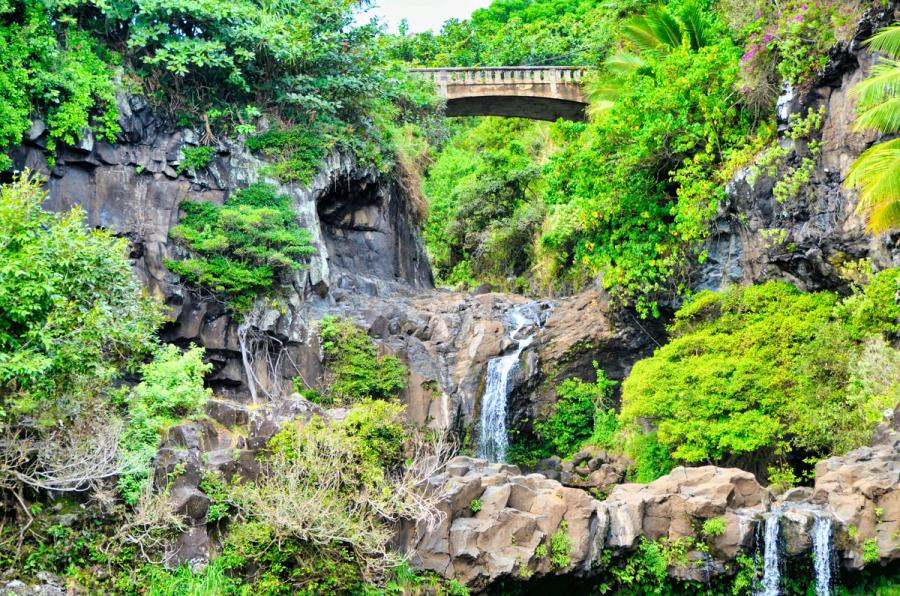
Keʻanae has an old, coastal-settlement feel: low buildings, taro patches in the wet valley, and black lava rock along the shore. Nāhiku is quieter and more scattered, with forest close to the road and a sense of being tucked into the hillside. Between them, the “place” is really the rhythm of gulches and ridgelines—waterfalls that may be a trickle or a roar depending on recent rain, and roadside pull-offs that reward patience.
This is also where the Road to Hāna’s driving character becomes unavoidable. Expect tight curves, intermittent one-lane bridges, and the need to drive with care rather than speed. That slow pace is part of why the corridor works: you notice details—ferns, ginger, wet stone, the salt air when the coast appears.
Practical notes and honest tradeoffs
Services are thin and not evenly spaced, so it pays to arrive with a full tank, water, and realistic expectations about grabbing meals on impulse. Weather is changeable; showers can make viewpoints dramatic, but they can also reduce visibility and make roadside edges slick.
Keʻanae–Nāhiku is usually a pass-through on the way to Hāna rather than a base, and that’s fine. Treated as a scenic corridor—stop, breathe, move on—it delivers some of East Maui’s most memorable texture without needing a big agenda.


Can't decide where to stay? Get personalized advice.
Custom recommendations built from the web's most comprehensive Kauai guide.