
Kīpahulu & Kaupō
A wild end-of-the-road stretch: Kīpahulu’s park trails and Kaupō’s empty coast.
Good Fit For
- Big hike payoff
- National-park scenery
- Quiet, remote driving
- Nature-forward day trip
Trade-offs
- Very limited services
- Long, slow drive
- Weather shifts fast
- Not much to browse
Logistics & Getting Around
Most people reach Kīpahulu by continuing past Hāna, then either backtrack the same way or continue carefully around the remote southeast. Expect minimal cell coverage and few places for fuel, food, or repairs once you leave Hāna.
Nearby Areas in East Maui
Signature Experiences in Kīpahulu & Kaupō
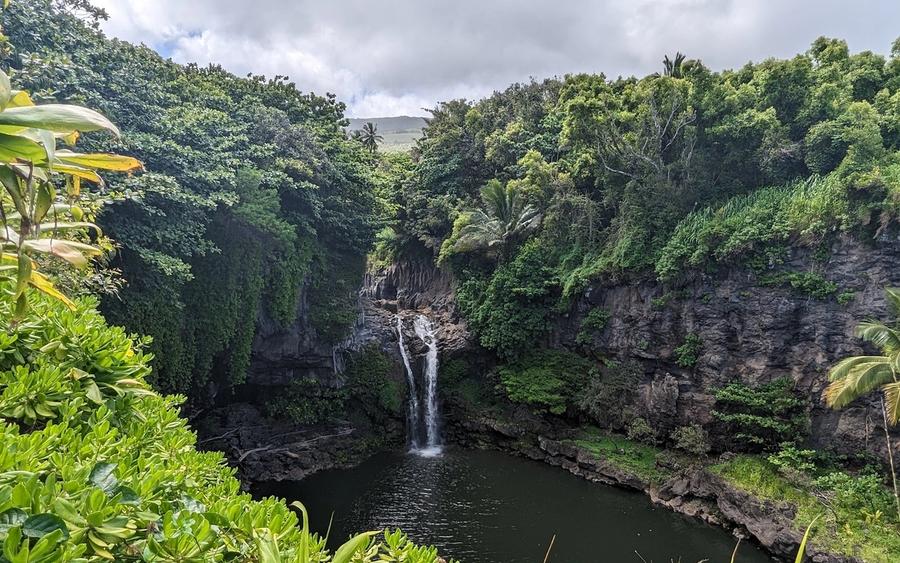
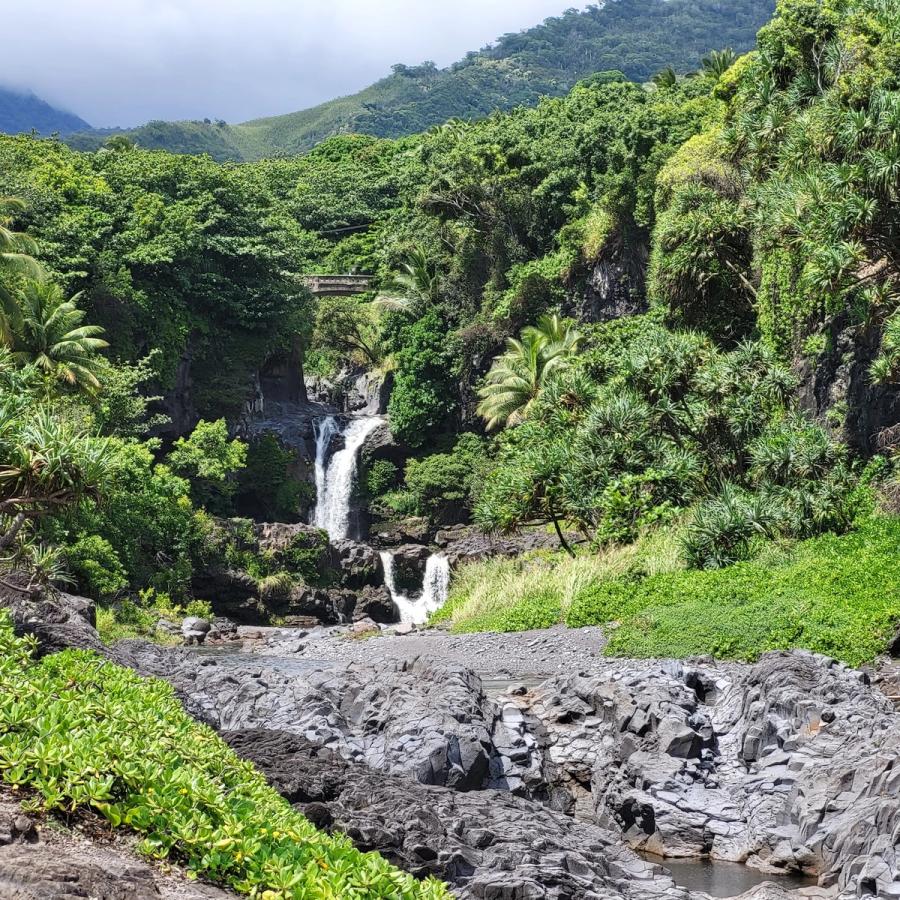
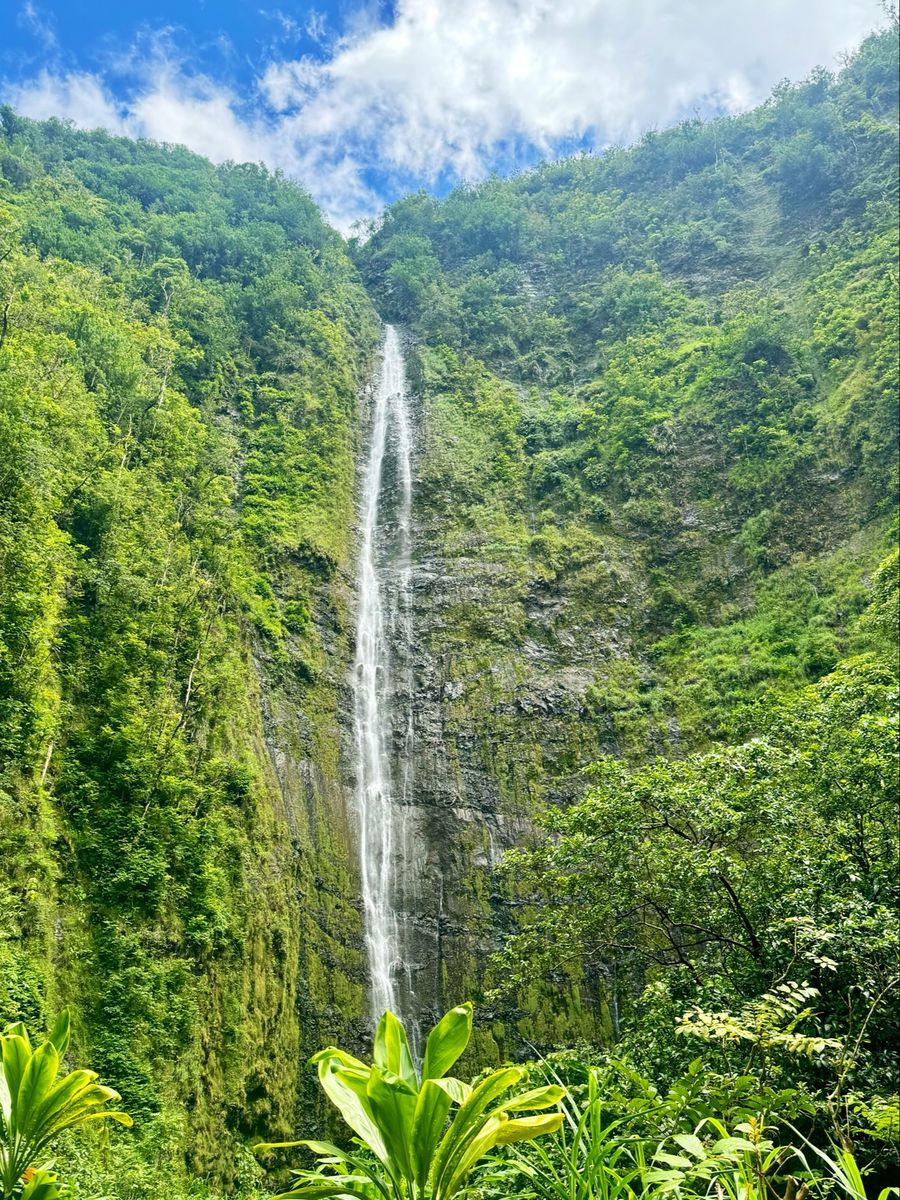
Kīpahulu: a concentrated slice of rainforest and lava coast
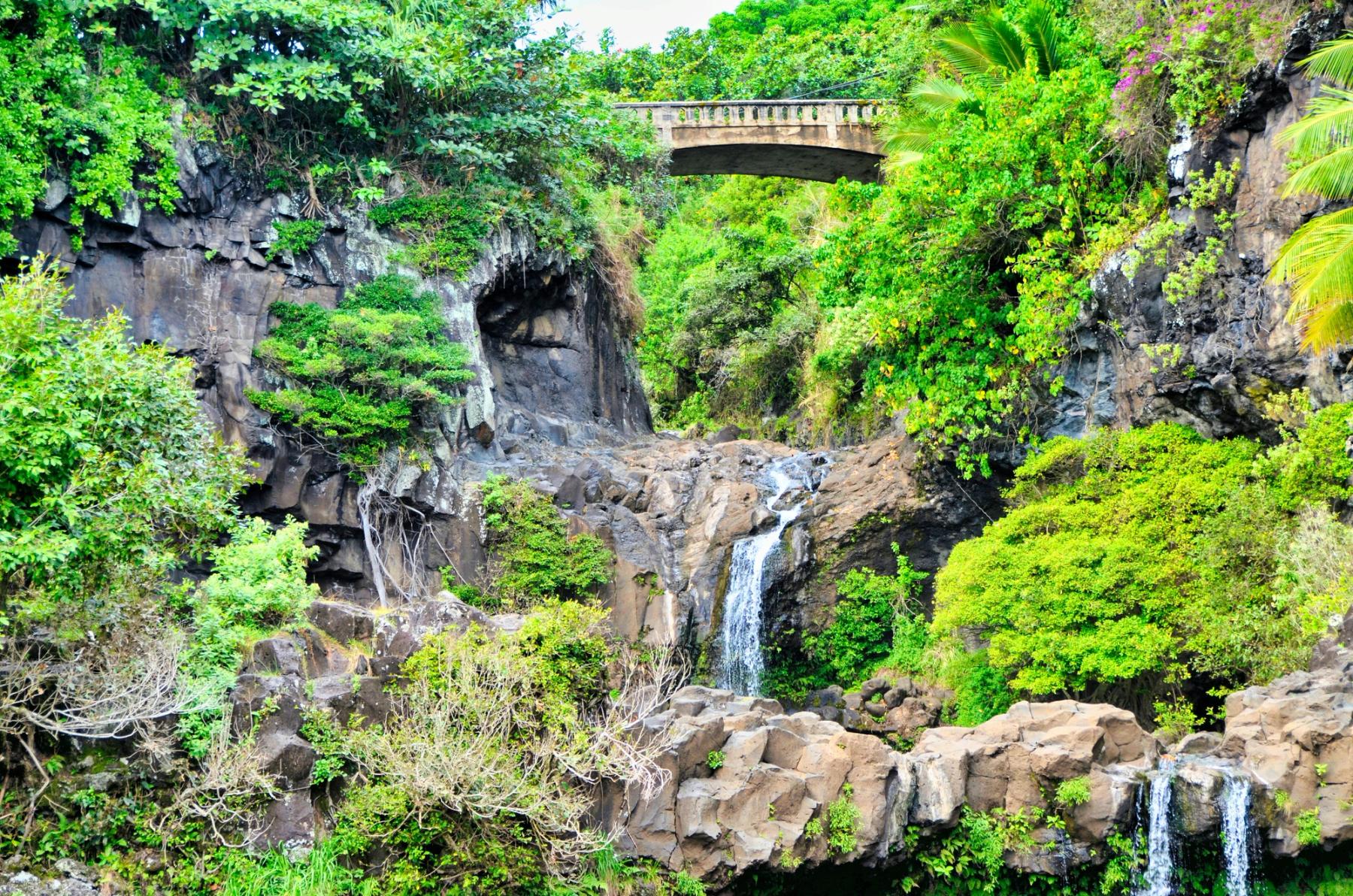
Just beyond Hāna, Kīpahulu feels like the Road to Hāna’s exhale: fewer pullouts, darker green valleys, and then a defined destination in Hāleakalā National Park’s coastal unit. The setting is classic East Maui—wet windward slopes dropping toward a rugged shoreline—yet the experience here is more focused than the earlier roadside waterfalls. People come with one main purpose: spend real time on foot.
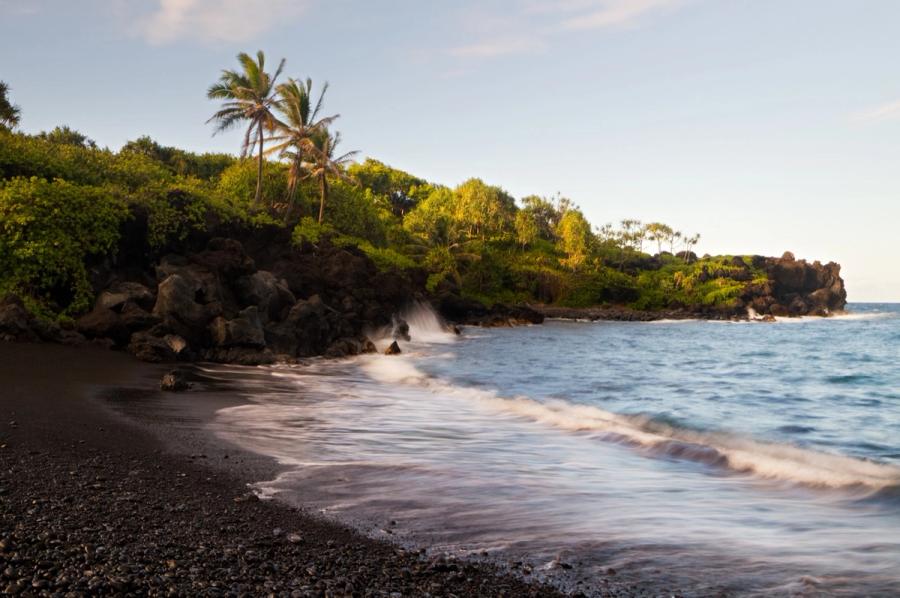
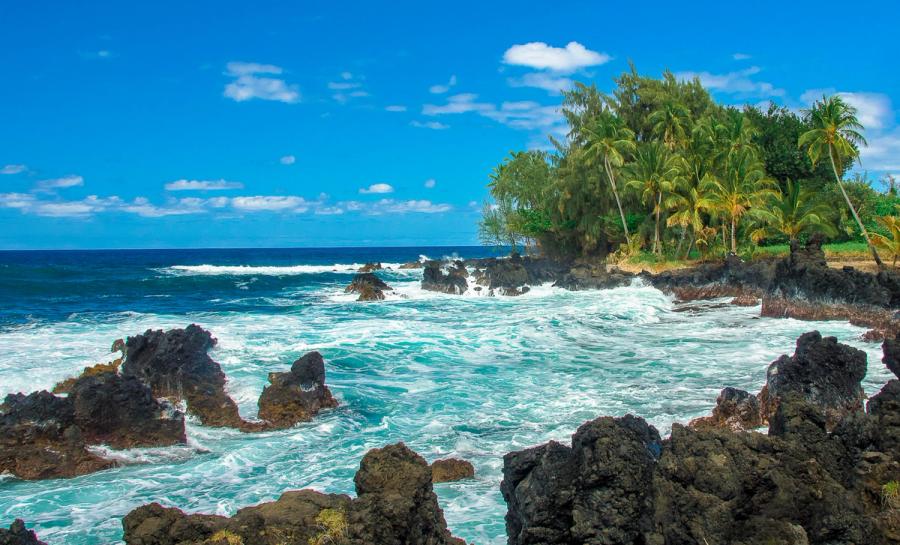
The park’s trails deliver that “deep Maui” atmosphere quickly. You move from humid forest to stream crossings and bamboo, with birdsong and the steady sound of water. Near the coast, the landscape shifts to black rock, tide-washed ledges, and the kind of ocean that looks inviting from afar but reads as powerful up close. It’s a place where the scenery is big enough to slow you down, whether you stay for a short look or commit to a longer walk.
Kaupō: the backside as a mood, not a town
Continue into Kaupō and the tone changes again. This is less a set of attractions than a long, thin district—open slopes, wide skies, and an almost pastoral feeling compared with the rainforest behind you. You’ll pass weathered ranch lands, old stonework, and long views that make the island feel older and less curated.
Kaupō is best understood as a corridor you experience through the windshield with a few quiet stops, not a place with clusters of shops or cafés. The payoff is solitude and a sense of scale—Maui as a remote volcanic island rather than a resort.
What a good visit looks like
Most days here are built around a single anchor: a park walk at Kīpahulu, plus time budgeted for the long drive. If you’re continuing beyond into the backside, the mindset shifts to self-sufficiency: carry water, plan your daylight, and don’t assume you’ll easily find supplies.
Overnight options are sparse in this stretch; even travelers who love the remoteness usually base in or near Hāna and treat Kīpahulu and Kaupō as the far end of a larger East Maui day.

Can't decide where to stay? Get personalized advice.
Custom recommendations built from the web's most comprehensive Kauai guide.