
Good Fit For
- Road-to-Hāna payoff
- Coast and rainforest
- Unhurried small-town feel
- Sunrise and sunset light
- Nature-first itineraries
Trade-offs
- Long winding drive
- Limited services and shopping
- Weather shifts quickly
- Cell coverage can be spotty
Logistics & Getting Around
Hāna is reached via a long, narrow, curving drive from Central/West Maui; pace, daylight, and weather shape everything. Fuel, food, and supplies are limited compared with resort areas, so arrive with a flexible plan and a full tank.
Nearby Areas in East Maui
Signature Experiences in Hāna
The feel of Hāna
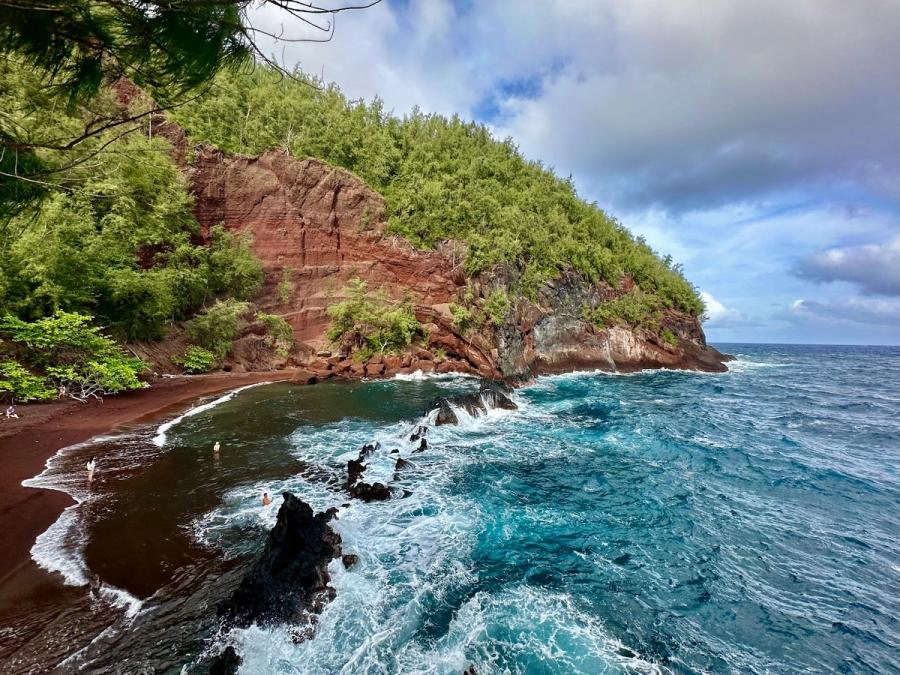
Hāna isn’t a single stop so much as a small, spread-out destination cluster: a rural town set in deep green, plus a handful of dramatic shoreline places that draw people all the way across East Maui. The tone is quieter and more local than Maui’s resort corridors. You’ll notice it in the pace of traffic, the early evenings, and the way nature—not shopping or nightlife—sets the agenda.
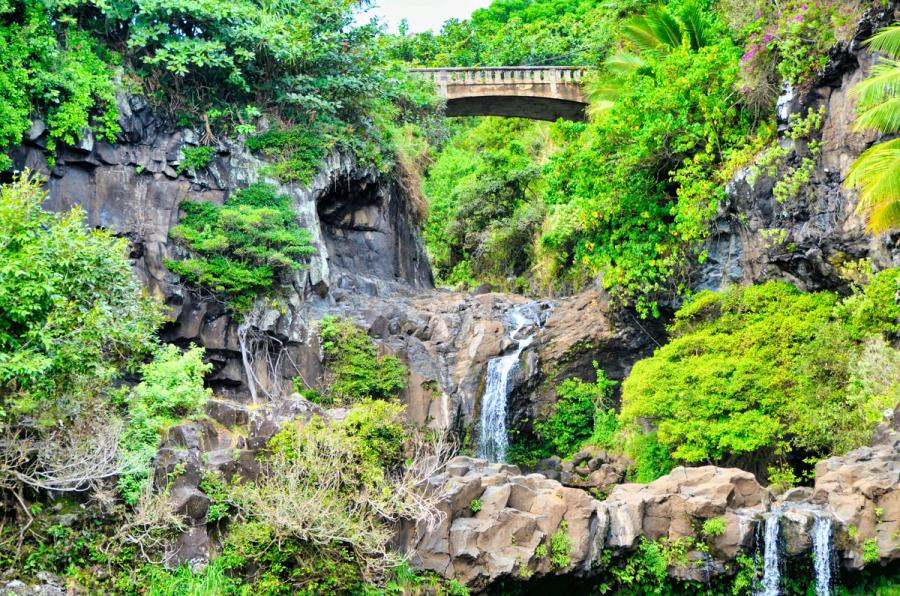
Most visitors arrive with “end of the road” energy: they’ve spent hours on a narrow, winding route, hopping between viewpoints and quick roadside pauses. In Hāna the landscape opens into beaches, sea cliffs, and pocketed bays that invite you to slow down. It’s the kind of place where the weather can shift from bright to misty in minutes, and where the lushness feels close enough to touch.
Why people come this far
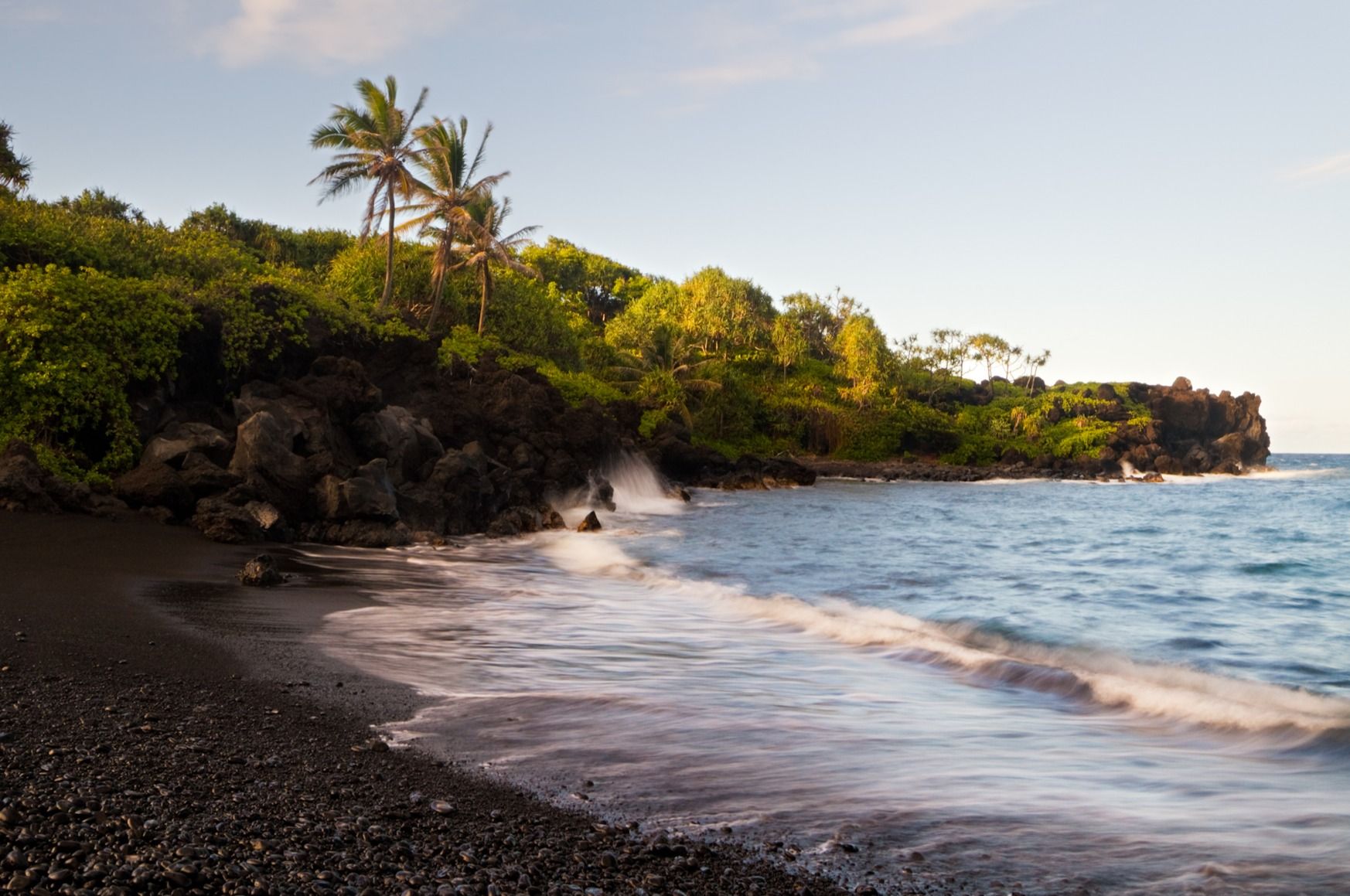
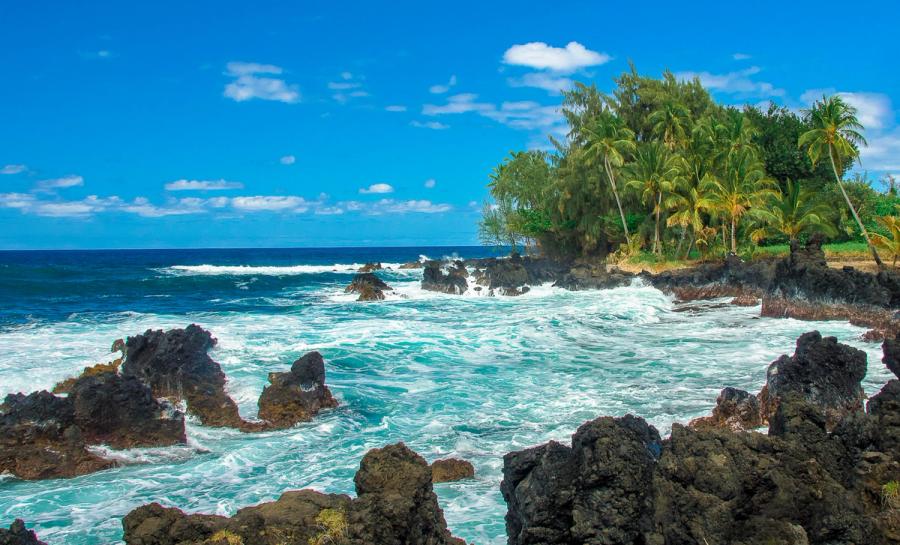
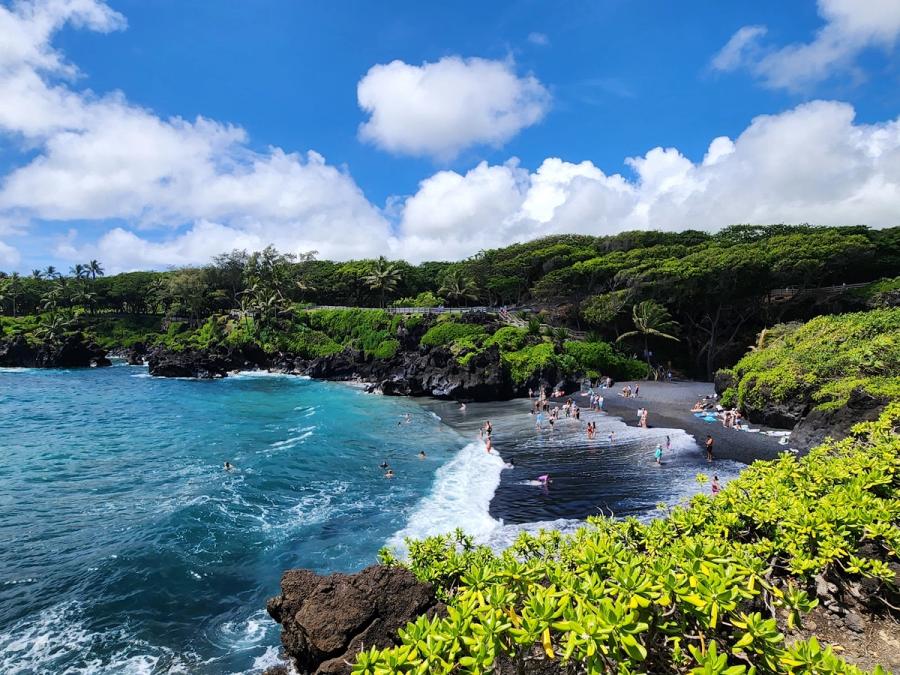
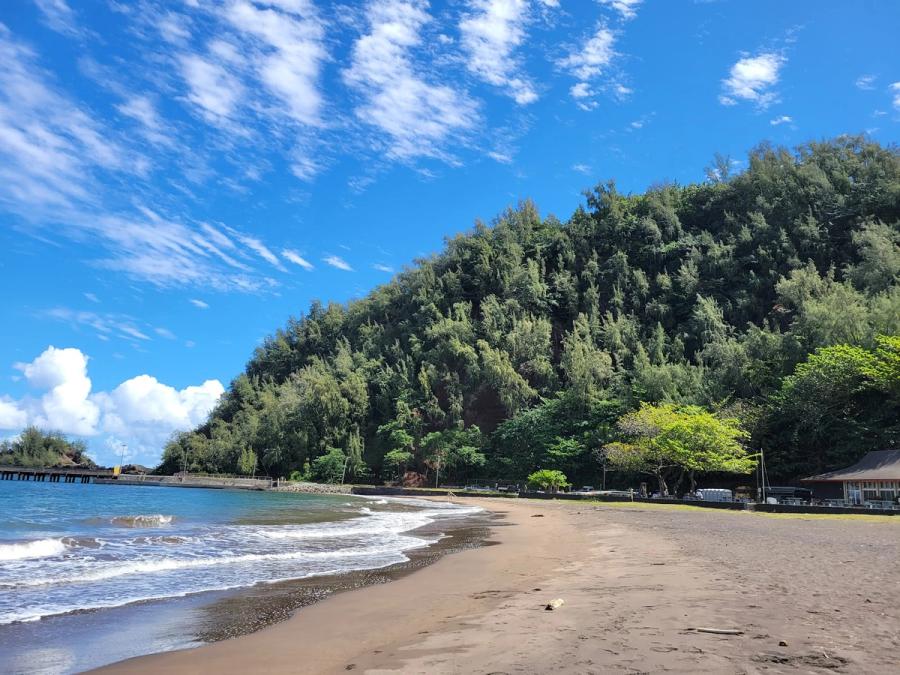
Hāna’s draw is concentrated and memorable: dark volcanic sand, vivid blue water, and a coastline that looks almost newly made. Waiʻānapanapa State Park is the headline for many—an iconic black-sand scene with lava rock and strong contrast on clear days. Nearby, Hamoa Beach is often the mental picture people carry home: a curved bay edged by greenery, beautiful to look at even when conditions make it more of a sit-and-watch shoreline.
Hāna town itself functions less as an attraction and more as orientation: a place to reset, grab basics, and get a sense of East Maui’s everyday scale.
How to experience it well
Hāna is commonly treated as the turnaround point of the Road to Hāna—arrive, see one or two major stops, and head back. That can work, but it can also feel like a race against daylight and driver fatigue. A deliberate overnight can change the whole texture: early and late hours tend to feel calmer, and you can spend less time looking at the clock and more time noticing the place.
If you continue beyond Hāna toward Kīpahulu and the backside districts, expect an even more remote, commitment-heavy day: fewer services, more exposure to changing conditions, and a stronger need for patience.
Honest expectations
Hāna rewards travelers who like simple, nature-forward days and don’t need constant options. The same remoteness that makes it special also means fewer conveniences, fewer dining choices, and less margin for last-minute changes. Treat it as a place to move slowly, not a checklist to conquer.

Can't decide where to stay? Get personalized advice.
Custom recommendations built from the web's most comprehensive Kauai guide.