
East Maui
Maui’s wild, route-shaped east: rainforest curves, cliffy coasts, and quiet districts beyond Hāna.
East Maui is less a single destination than a long, sensory drive stitched together by waterfalls, roadside lookouts, and pockets of settlement. Most people experience it via the Road to Hāna corridor, then decide whether to continue past town to Kīpahulu and the drier Kaupō side. It rewards patience, daylight, and a slower pace.
Best For
- Scenic drives with stops
- Rainforest and waterfalls
- Short trails and viewpoints
- Quieter, rural Maui
- One-night decompression trips
Trade-offs
- Slow, winding roads
- Limited services and fuel
- Weather-shift unpredictability
- Easy to overpack a day
Logistics & Getting Around
Plan East Maui by route and daylight, not by “one town.” Expect narrow, curving roads and frequent pullouts; start early, keep margins for weather, and be conservative about how far past Hāna you’ll go in one day.
Areas in East Maui
Signature Experiences in East Maui
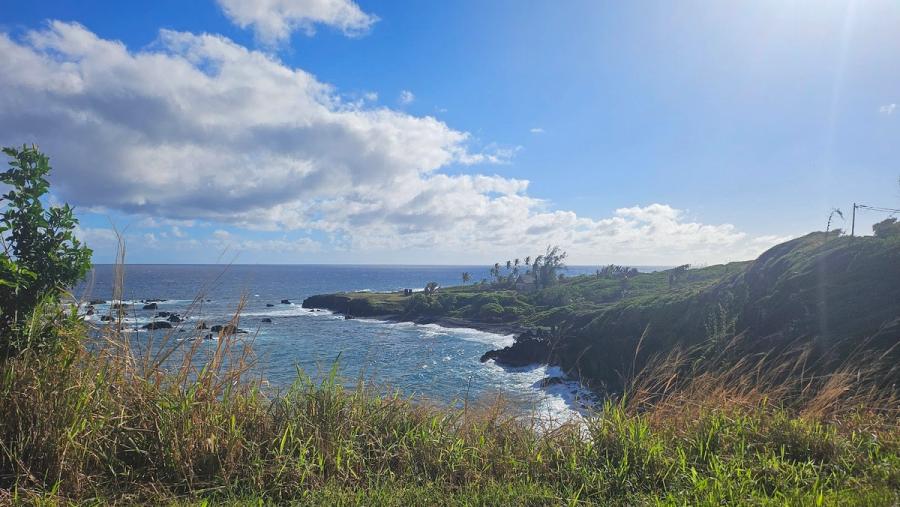
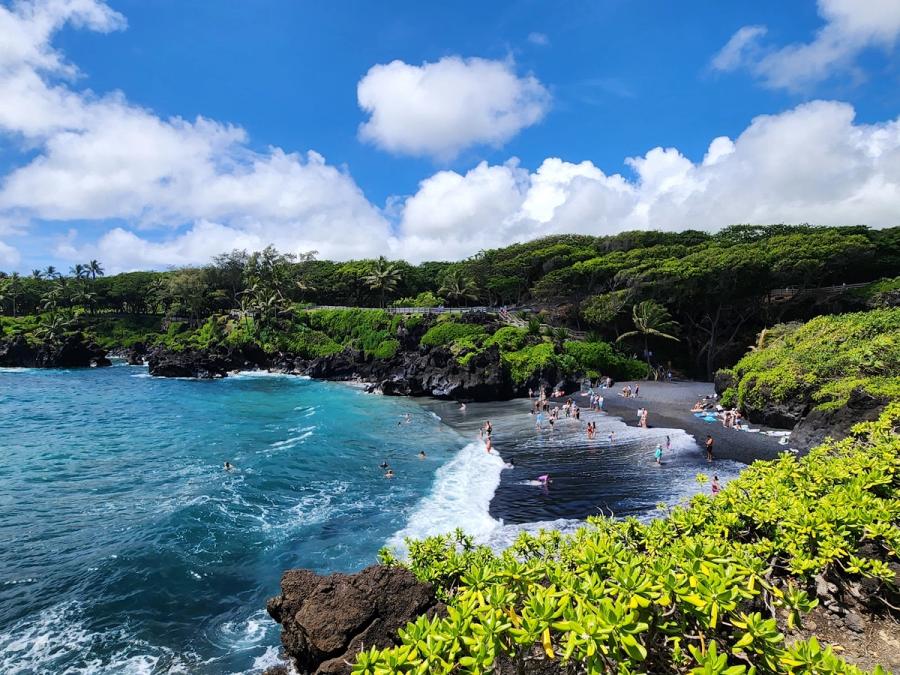
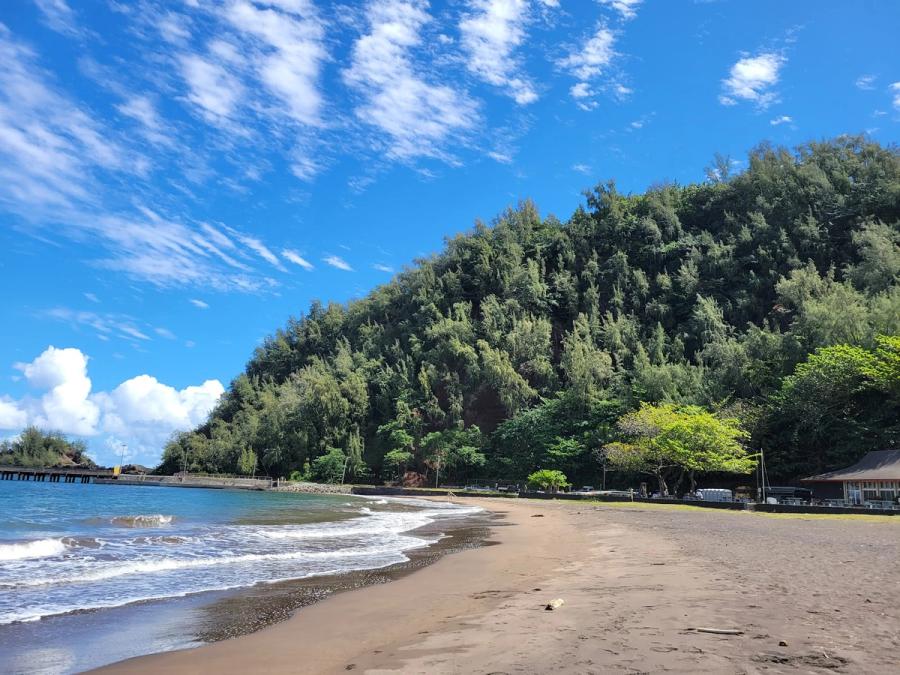
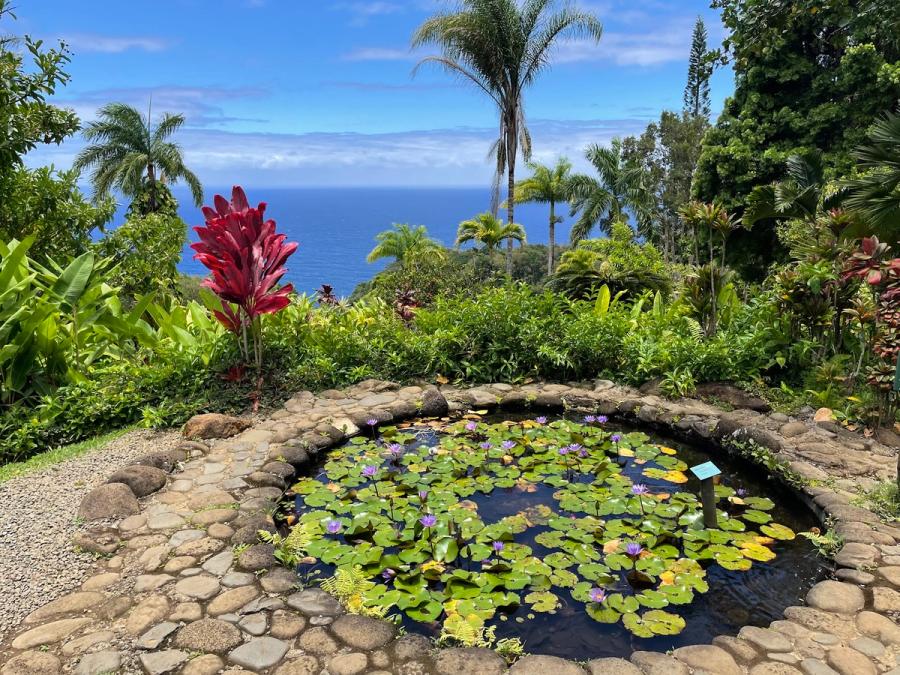
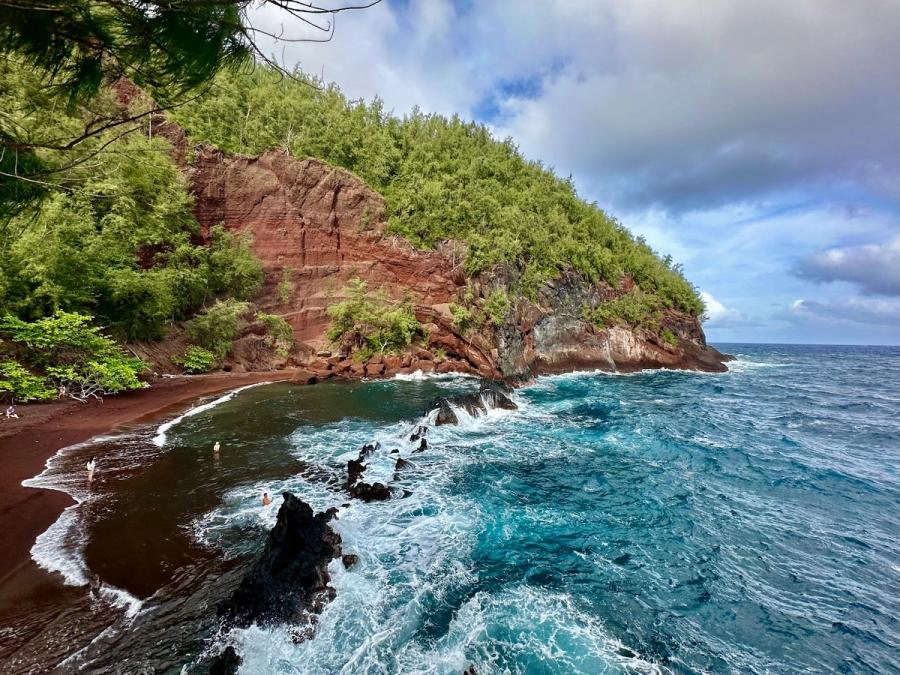
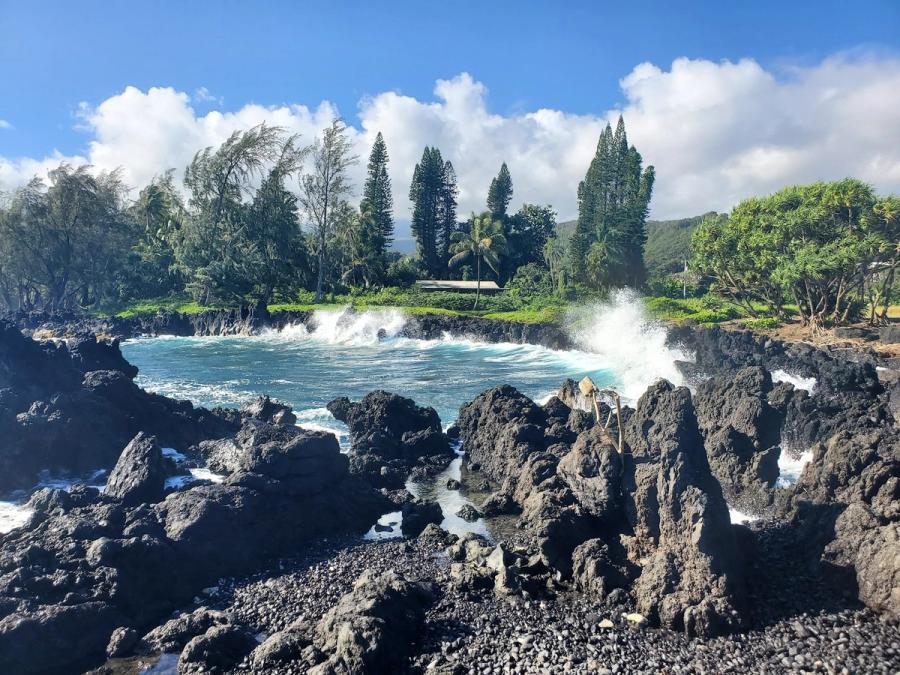
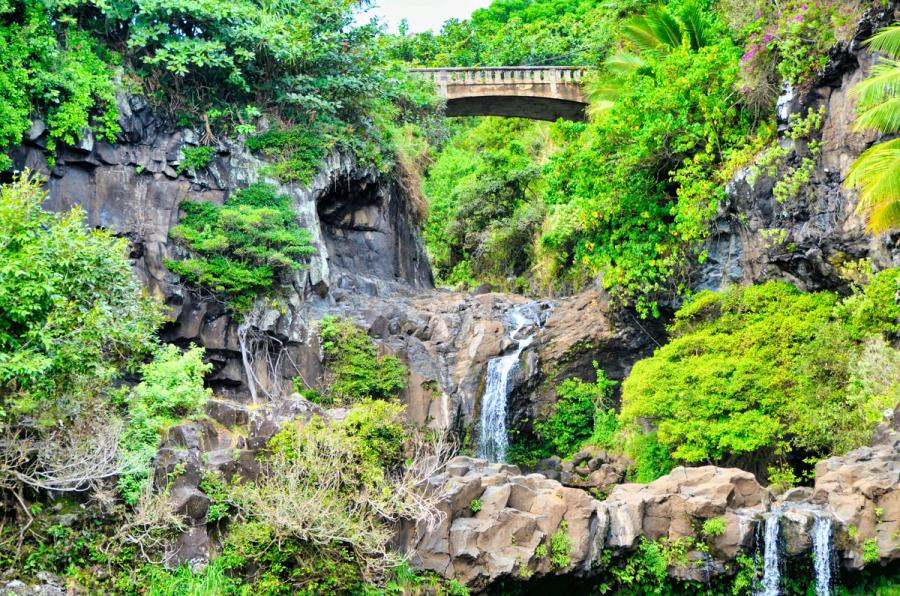
East Maui is Maui at its most immersive: the island turns green, the air gets damp and fragrant, and the road itself becomes the main event. This region is best understood as a corridor with distinct personalities rather than a single “Hāna” bucket. You move through it in sequences—pulling over for a quick look, walking a short trail, then easing back into the curves and bridges as the coastline and clouds rearrange around you.
A corridor with three different moods
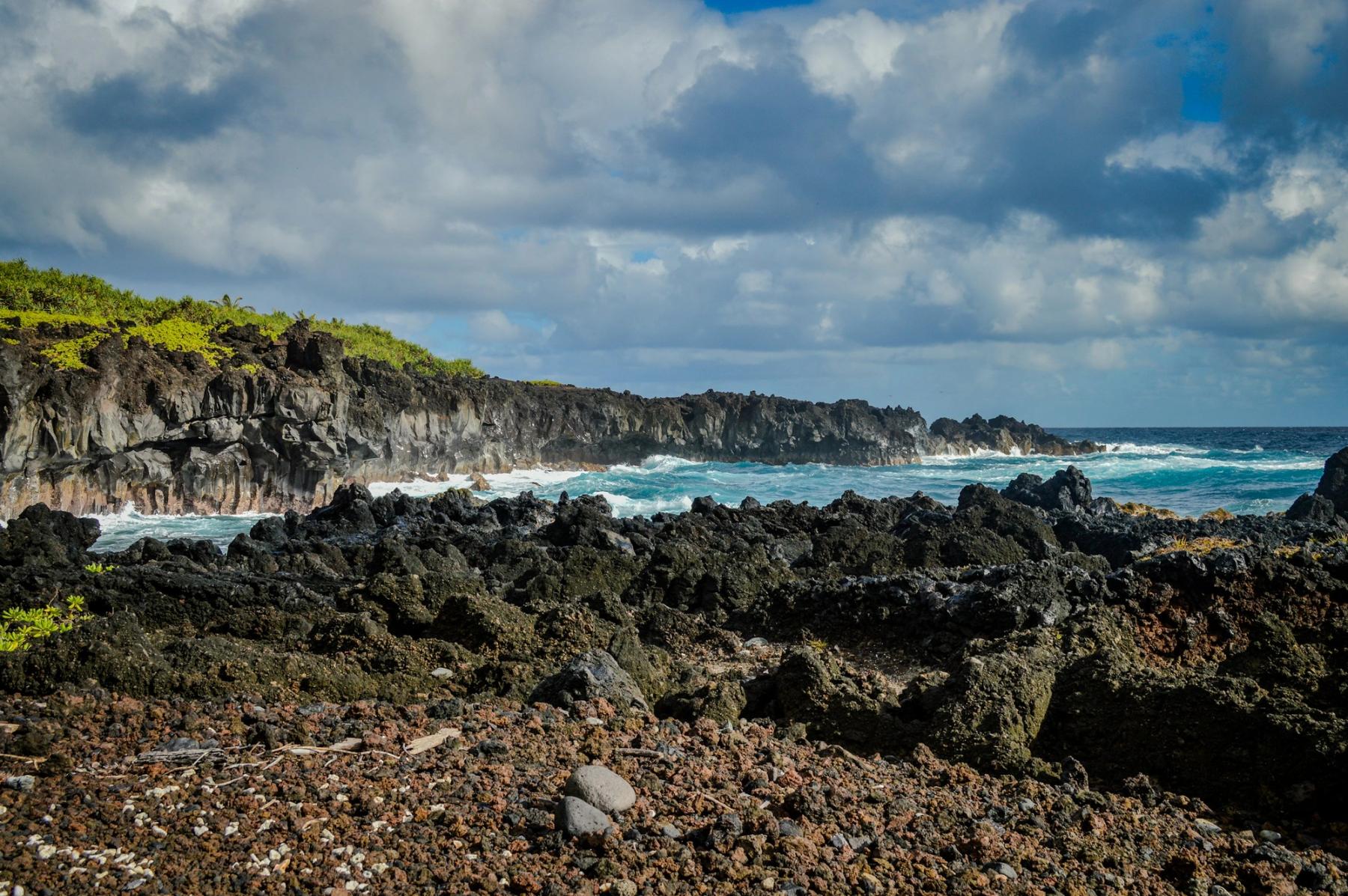
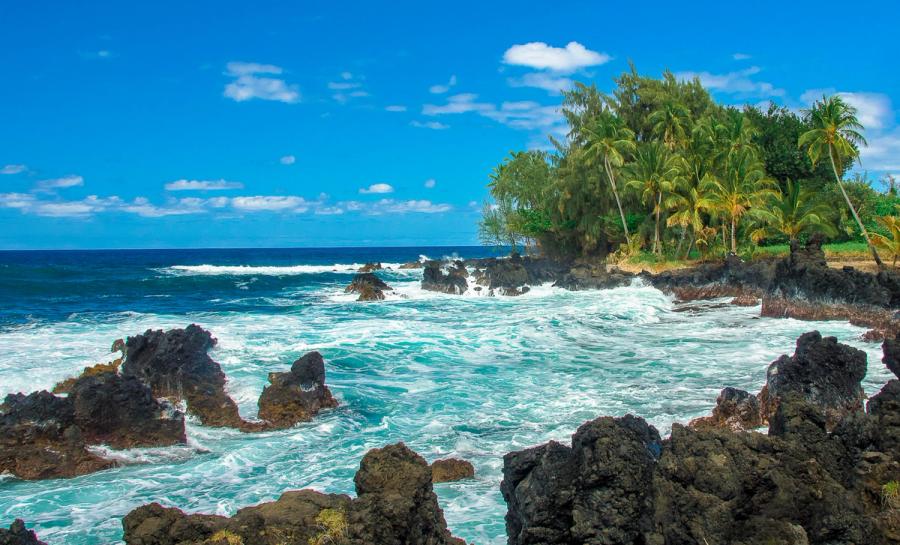
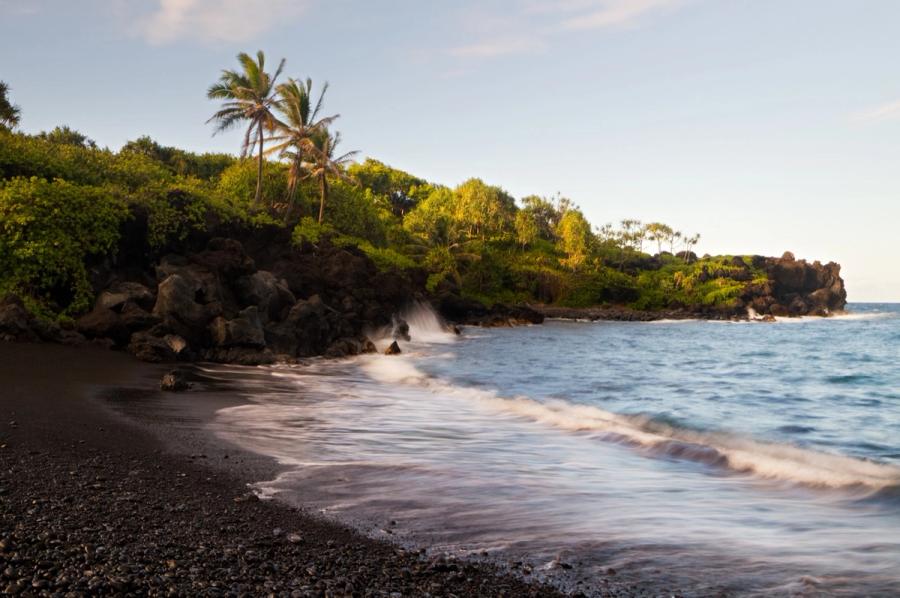
The western stretch—often thought of as the Keʻanae–Nāhiku side—leans into rainforest drama. It’s the part of the drive where bamboo and ferns crowd the shoulders, streams slip under bridges, and the ocean appears in sudden blue windows between trees. Stops here tend to be brief and frequent: viewpoints, small coastal scenes, and quick walks that feel bigger than their mileage.
Hāna itself is not a resort town; it’s a rural community that marks a change in tempo. The pace slows, the road feels less like a parade of pullouts, and you start to sense how far you’ve traveled from Maui’s main hubs. For some visitors, Hāna is the natural turnaround point. For others, it’s a place to pause—if you choose a simple overnight in the area, it’s usually to relieve drive pressure and experience early or late light without rushing.
Beyond town, East Maui opens into the Kīpahulu and Kaupō side, where the landscape starts to pivot again. The key idea to keep straight is that the region’s marquee “beyond Hāna” hiking—especially the Pīpīwai Trail and the Pools of ʻOheʻo—sits on the Kīpahulu side, not in Hāna town proper. This is where many day-trippers run out of time, even though it’s one of the strongest reasons to push past Hāna.
How people actually experience East Maui
Most visitors tackle East Maui as a long day: lots of stopping, lots of photo-worthy micro-moments, and a constant decision about whether the next bend is “one more.” The biggest challenge is not finding things to do—it’s editing. The road encourages an optimistic itinerary, but the combination of curves, weather, and stop density can quietly stretch a plan.
A good mindset is to choose a few anchor moments (a longer hike, a specific stretch of coast, a handful of short walks) and let the in-between scenery be part of the value. East Maui is at its best when you treat it less like a checklist and more like a gradual transition—from wet, layered greens to more open, wind-swept southeast terrain—experienced one bend at a time.

Can't decide where to stay? Get personalized advice.
Custom recommendations built from the web's most comprehensive Kauai guide.