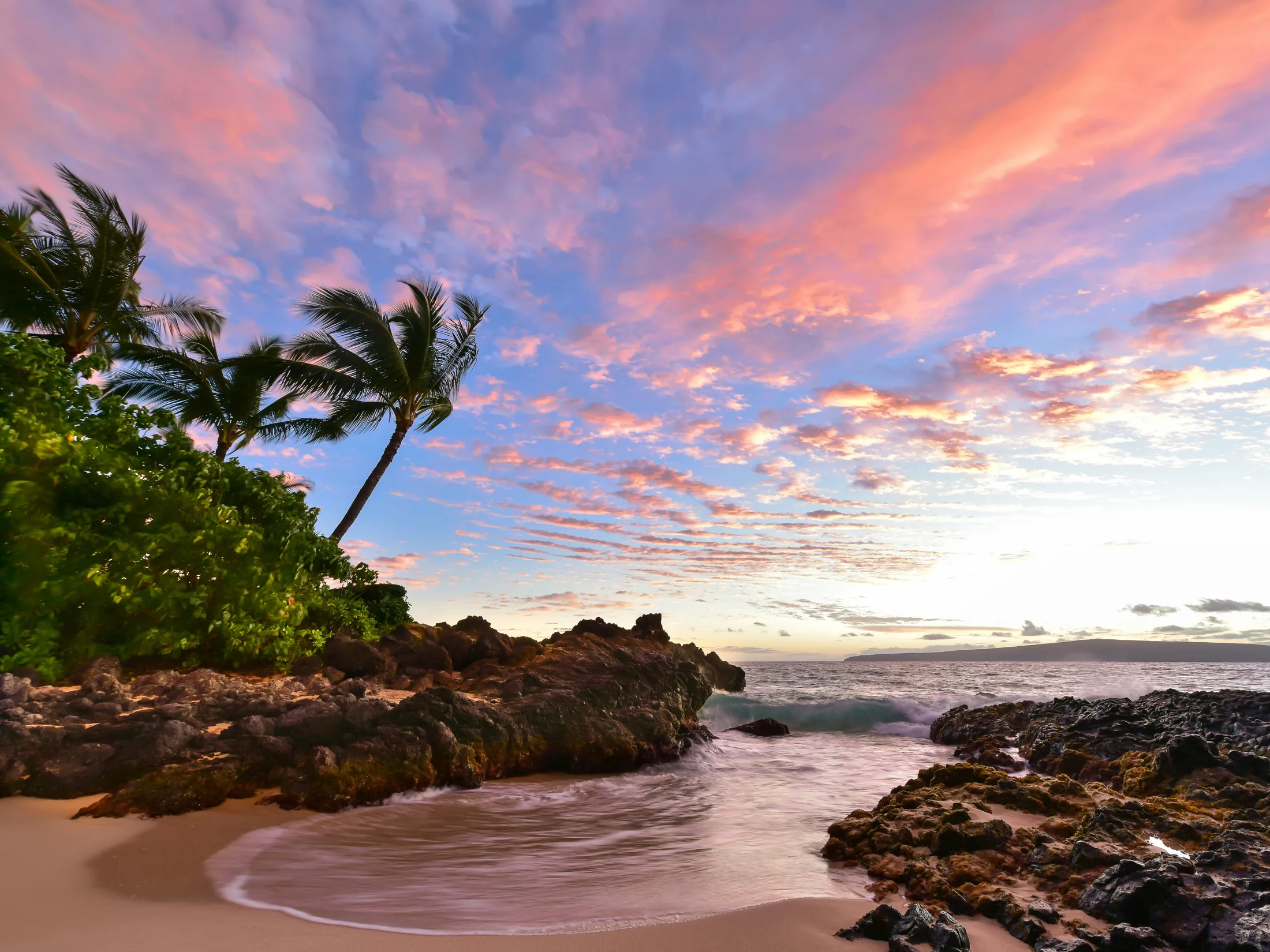


Maui does not change seasons with a hard click. It tilts.
The same beach that feels glassy at 8 a.m. can turn whitecapped by lunch. A winter morning in Wailea may be calm enough for a long swim while the North Shore throws spray over the rocks. In summer, south-facing beaches can take the energy instead. Upcountry may be cool and misty while the coast is bright and dry.
That is the useful way to plan Maui: not just by month, but by season, coast, and time of day.
Maui has two big rhythms visitors feel right away. The first is the ocean — winter swells tend to favor north and west exposures, while summer can bring more energy to south-facing shores. The second is the wind — trade winds often build as the day goes on, which is why so many good Maui days begin early.
Winter: whales, high surf, and clear leeward mornings
Winter on Maui is the season of distance and drama. You may be sipping coffee on a calm South Maui lanai while, across the island, the North Shore is all motion: wind, swell, whitewater, spray.
It is also whale season. Humpback whales return to Hawaiian waters in winter, and Maui is one of the most rewarding islands for seeing them because the waters between Maui, Lānaʻi, Molokaʻi, and Kahoʻolawe are a favored gathering area. You do not need to be on a boat to feel it. From leeward viewpoints, beaches, and oceanfront paths, winter visitors often pause mid-conversation because someone spotted a spout offshore.
What winter is best for on Maui
Whale watching from shore or by boat. January through March is typically the heart of the season, though whales may be present outside those months. If whales are a priority, build in more than one chance rather than betting the trip on a single outing.
South and leeward beach mornings. Kihei, Wailea, Mākena, and parts of West Maui often offer comfortable winter beach windows, especially early in the day. Conditions vary by beach and hour, but winter travelers often do well by choosing protected leeward areas rather than chasing exposed surf.
Wave watching on the North Shore. Ho‘okipa and other north-facing areas can be powerful in winter. This is a season for watching skilled surfers and the ocean’s force from land, not for assuming a pretty beach is swimmable.
Upcountry and Haleakalā. Winter can bring crisp air to higher elevations. Haleakalā at sunrise or sunset can feel far removed from the coast — colder, quieter, and more spacious. Bring layers if you are going before dawn or staying after sunset.
Holiday periods book early, and whale-season tours can fill ahead of time. If Haleakalā sunrise is part of your plan, check reservation requirements well before your travel dates. For ocean days, keep the plan flexible. If the north or west side is too rough, the answer is often not “try harder”; it is “choose a different coast.”
Spring: softer crowds, green valleys, and longer days outside
Spring is one of Maui’s most pleasant planning seasons. The island still carries winter’s green in many places, whale season may linger into early spring, and the peak holiday rush has often eased. Days lengthen. Mornings feel generous.
This is a good season for travelers who want variety: a beach morning, a waterfall drive another day, a cooler Upcountry afternoon, a hike when the trail is not blazing hot.
What spring is best for on Maui
A balanced first-time Maui trip. Spring is forgiving. You can plan beach days in South or West Maui, carve out a Road to Hāna day, and still make room for Haleakalā or Upcountry without feeling like the island is pushing you into one narrow lane.
Road to Hāna with patience. Spring greenery can make East Maui especially rewarding. The best Hāna days are not about counting stops; they are about moving slowly enough to enjoy the road without turning it into a scavenger hunt. Some popular stops may require advance reservations or have access rules, so check before you set out.
Waiheʻe, ʻĪao, and windward scenery. Maui’s greener valleys and ridgelines can be especially appealing in spring, though trail conditions depend on recent rain. If you are hiking, choose the route for the day you actually have, not the day the photos promised.
Spring break weeks can still be busy, but outside those windows, the pace often feels easier than winter or midsummer. This is a good time to keep one or two days deliberately unscheduled. Maui rewards the traveler who can wake up, look at the clouds, and choose the coast that is having the better morning.
Summer: early starts, warm water, and long coastal days
Summer is when Maui feels most like a classic beach vacation — warm mornings, long evenings, and plenty of reasons to be in the water. It is also when timing matters.
The trades can build through the day, especially in wind-prone areas. A beach that is calm at breakfast may be choppy by early afternoon. For snorkeling, paddling, and many boat trips, morning is often the better bet.
Summer also shifts the ocean conversation. North Shore winter power usually relaxes, while south-facing shores can see seasonal swells. That does not mean South Maui is “bad” in summer; it means you should keep paying attention. Mākena, in particular, can have serious shorebreak when swell is running.
What summer is best for on Maui
Snorkeling and boat mornings. Many summer ocean days are at their best early. If Molokini or another snorkel trip is high on your list, choose a morning departure when possible.
North Shore exploring. With winter swell less dominant, the North Shore can feel more approachable, though wind remains a factor. Pāʻia, Ho‘okipa, and the road toward East Maui each have their own rhythm; give yourself time rather than trying to bolt from one side of the island to the other.
Haleakalā and Upcountry breaks. Summer beach heat makes Upcountry especially appealing. A day that starts in the ocean can end with cooler air on the slopes of Haleakalā. The temperature shift is part of the pleasure.
Family beach time with simple logistics. Summer works well when you do not overcomplicate it. Pick a comfortable base, start early, rest during the hottest part of the day, and come back out for sunset.
Summer is not the season to sleep in and expect the ocean to wait. If snorkeling matters, set the alarm. Book popular tours ahead during school vacation periods, and keep one backup beach in mind on a different exposure in case swell or wind changes your first choice.
Fall: warm water, quieter weeks, and the first signs of winter
Fall may be Maui’s most underrated season for travelers who like space. September and October can feel like summer after the volume has been turned down. The water is warm, the days are still generous, and outside holiday windows the island may feel less compressed.
By November, the mood begins to change. The first larger north and west swells may arrive. Rain patterns can shift. Whale anticipation starts to build, though dependable whale watching belongs more to winter than fall.
What fall is best for on Maui
Warm-water beach days. Early fall can offer some of the year’s most satisfying ocean time. South and West Maui are often strong choices, but conditions still rule the day.
Less hurried scenic drives. With fewer peak-season pressures, Upcountry, the North Shore, and East Maui can feel more relaxed. The Road to Hāna still deserves an early start, but fall can make the day feel less competitive.
Hiking with judgment. Fall can be excellent for trails, especially in the morning. As the season moves toward winter, keep an eye on rain, mud, and changing conditions at higher elevations or in windward areas.
Treat late fall as a transition. If a north-facing beach was calm in September, do not assume it will behave the same way in November. Ocean seasonality on Maui is real, and it often shows up first as “that beach looks different today.”
The Maui backup plan
The best Maui itinerary has a little slack in it. Not because the island is unreliable, but because its microclimates are part of the point.
A few useful pivots:
Windy beach afternoon: shift to Upcountry, a scenic drive, a long lunch, or sunset from a leeward coast. Rough north or west surf in winter: choose a more protected South Maui beach or make it a wave-watching day from shore. Rain toward Hāna: slow down, check conditions, and avoid turning narrow roads and muddy stops into a contest. Clouds at Haleakalā: go for the landscape and quiet, not only the sunrise photo.
The travelers who enjoy Maui most are not the ones with the most ambitious schedule. They are the ones who understand when to change it.
So, when is the best season for Maui adventures?
Choose winter if whales are the dream and you like the contrast of calm leeward mornings and powerful surf from shore.
Choose spring if you want balance: green landscapes, good variety, and a little more breathing room between peak travel periods.
Choose summer if your trip is built around warm beach days, early snorkel mornings, and long evenings outside.
Choose fall if you like warm water, fewer crowds, and a more flexible shoulder-season feel.
Maui is not a one-season island. It is a coast-by-coast island, a morning-versus-afternoon island, a sea-level-to-summit island. Plan with that in mind, and each season gives you a different version of the same gift: a few days living by the island’s rhythm instead of your calendar’s.

Further Reading
A few relevant next steps from Alakai Aloha.
 BlogWhat to Do When a Maui Trail Is Closed
Use this Maui-specific Plan B framework to read closures, avoid risky substitutions, and find a safer scenic alternative by coast, summit, town, or weather zone.
Editor's pick ActivityRoad to Hana
Embark on an iconic 64-mile scenic adventure along Maui's northeastern coast, navigating winding roads through lush rainforests, past cascading waterfalls, and dramatic sea cliffs on this full-day exploration.
Editor's pick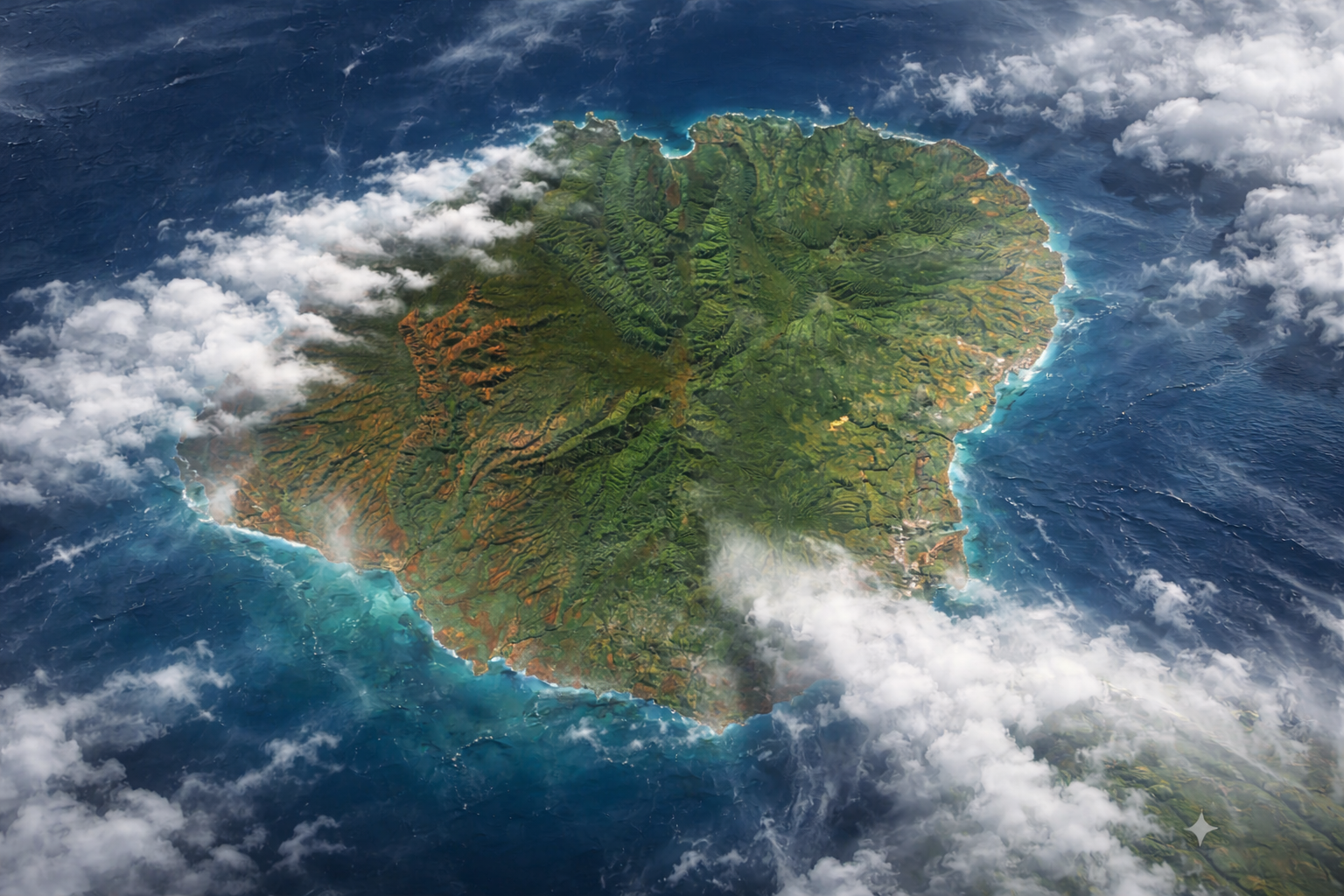 ToolCompare island weather by region
See how rain, wind, and conditions vary around the island before you choose your day plan.
Useful planning tool ActivityMaui Snorkeling
Embark on an all-inclusive boat tour from Māʻalaea Harbor to Maui's top snorkeling spots like Molokini Crater and Turtle Town, complete with gear, meals, and a fun waterslide.
Editor's pick