
Black Sand Beach
Discover Honokalani Black Sand Beach in Waiʻānapanapa State Park, an iconic Maui destination featuring dramatic jet-black volcanic shores, sea caves, and natural arches perfect for unique photography and coastal exploration.
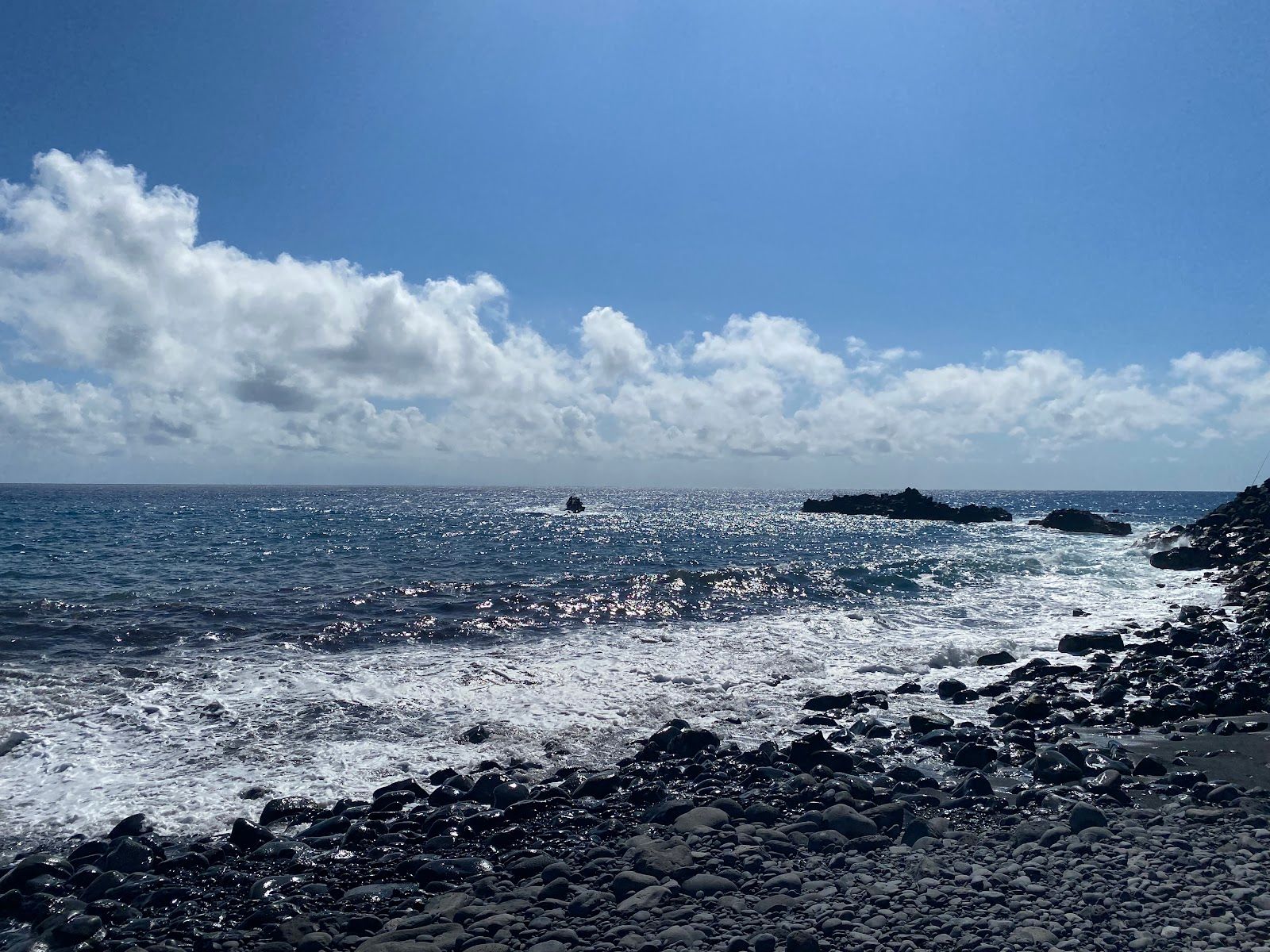
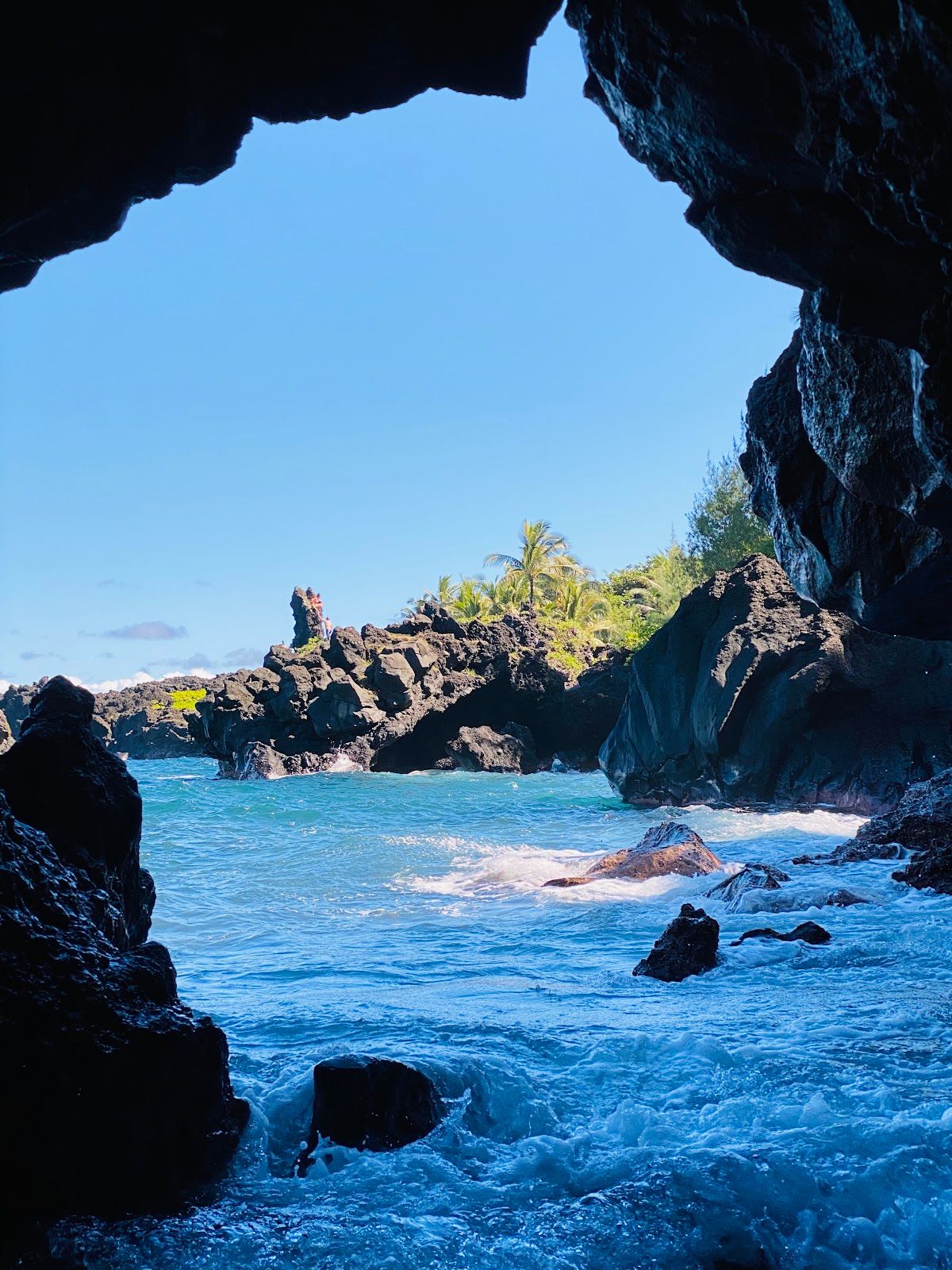
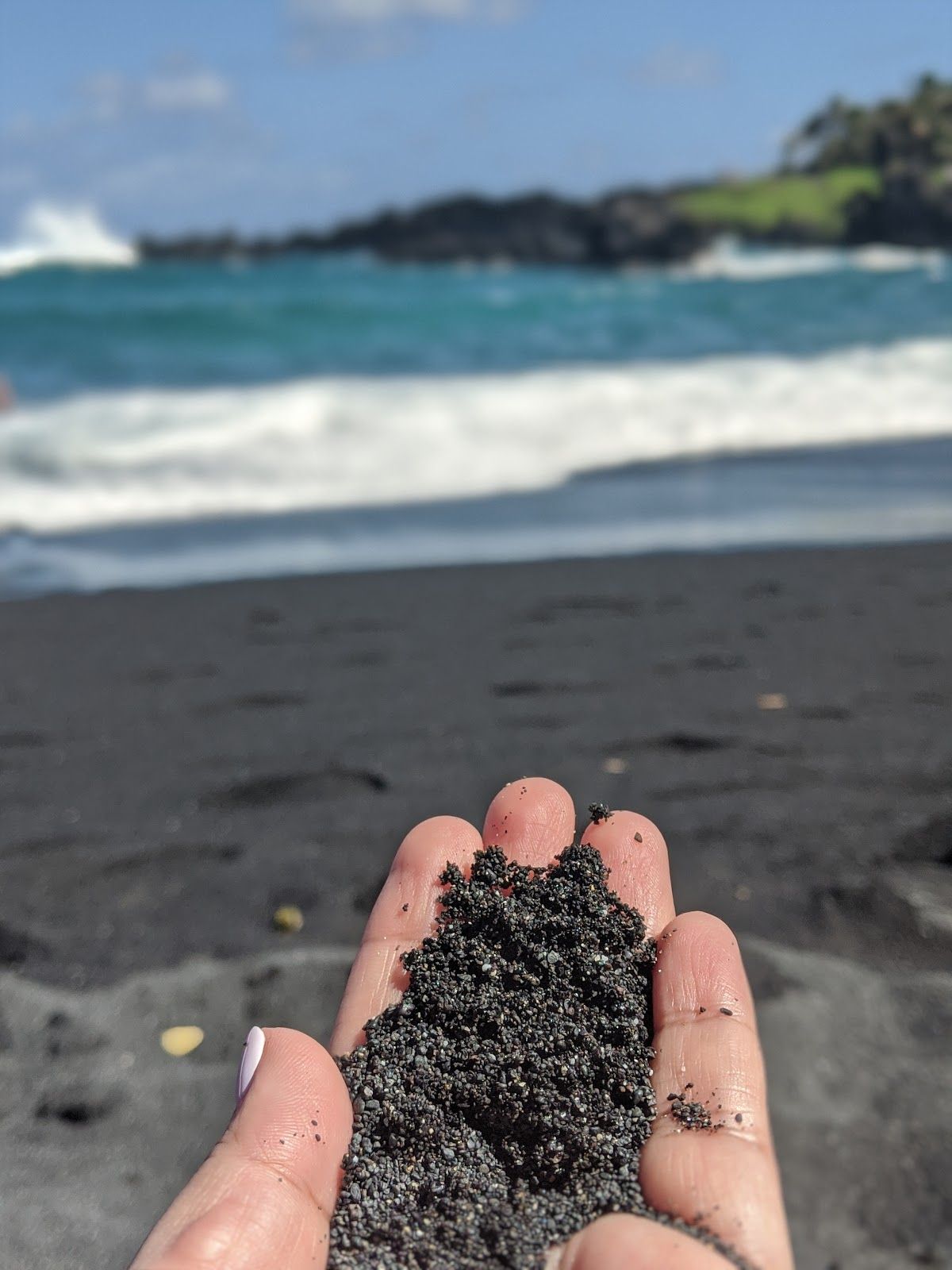
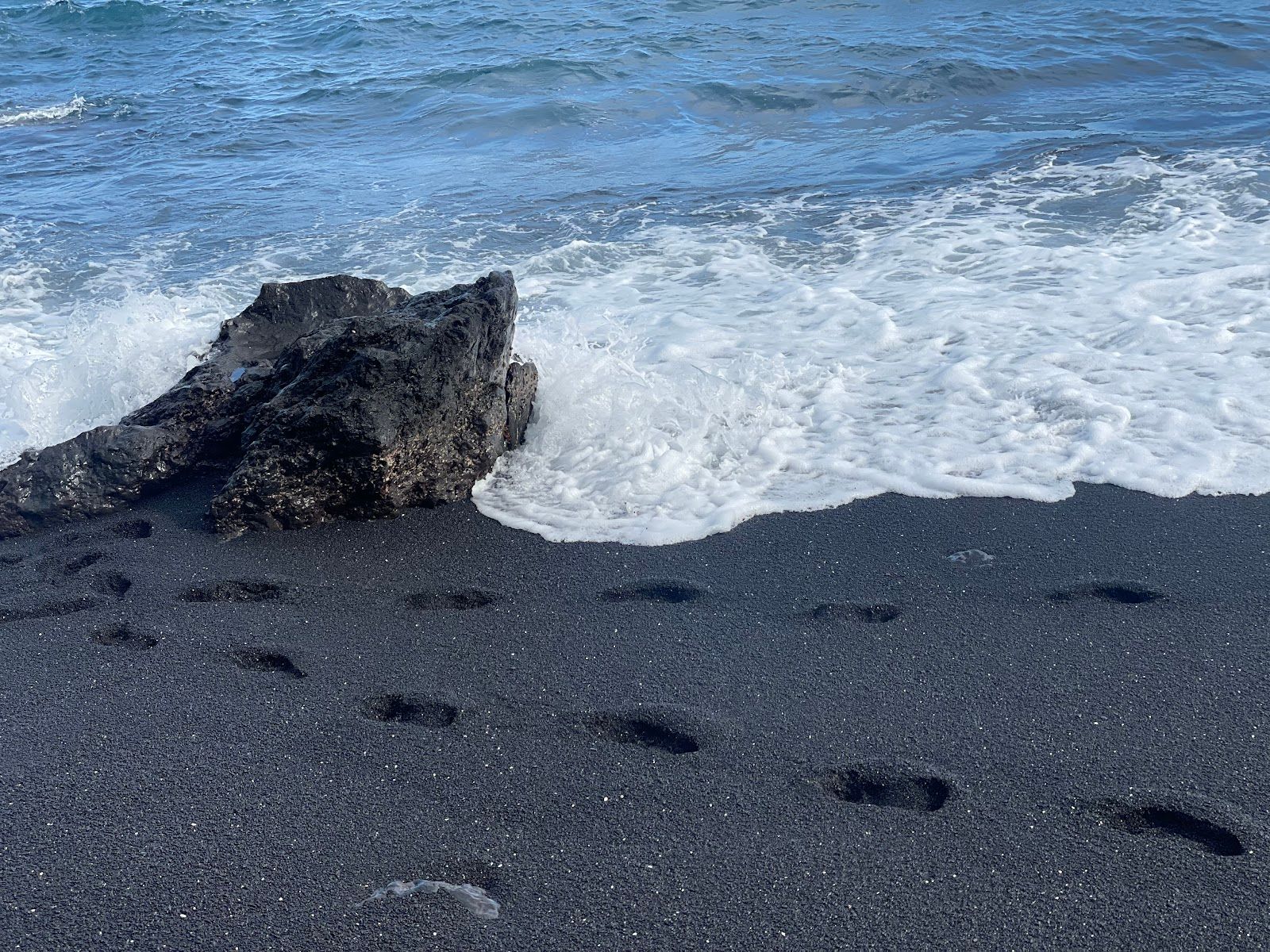
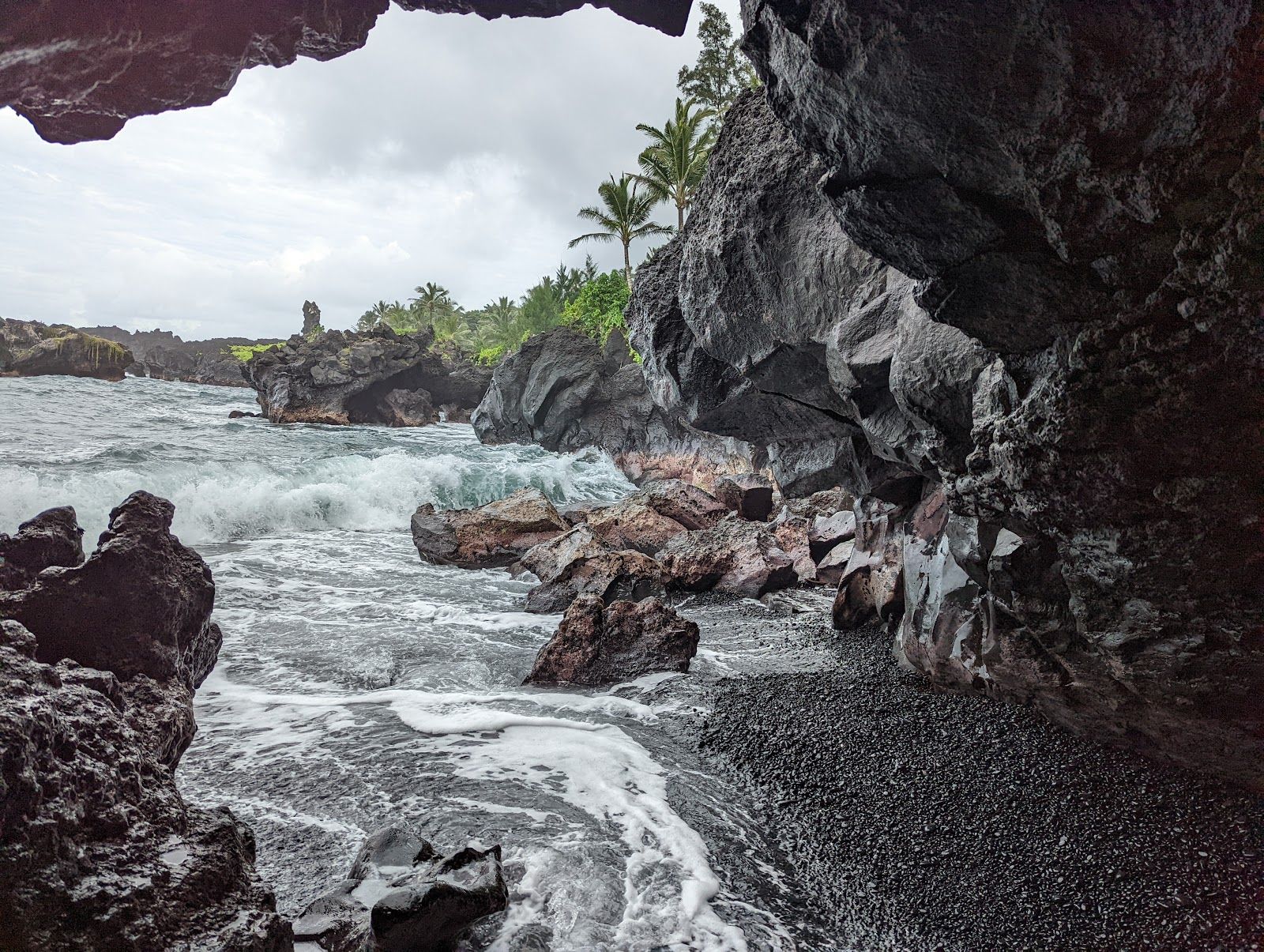
- Distinctive black volcanic sand and pebbles
- Dramatic coastline with sea caves and arches
- Explore natural blowholes
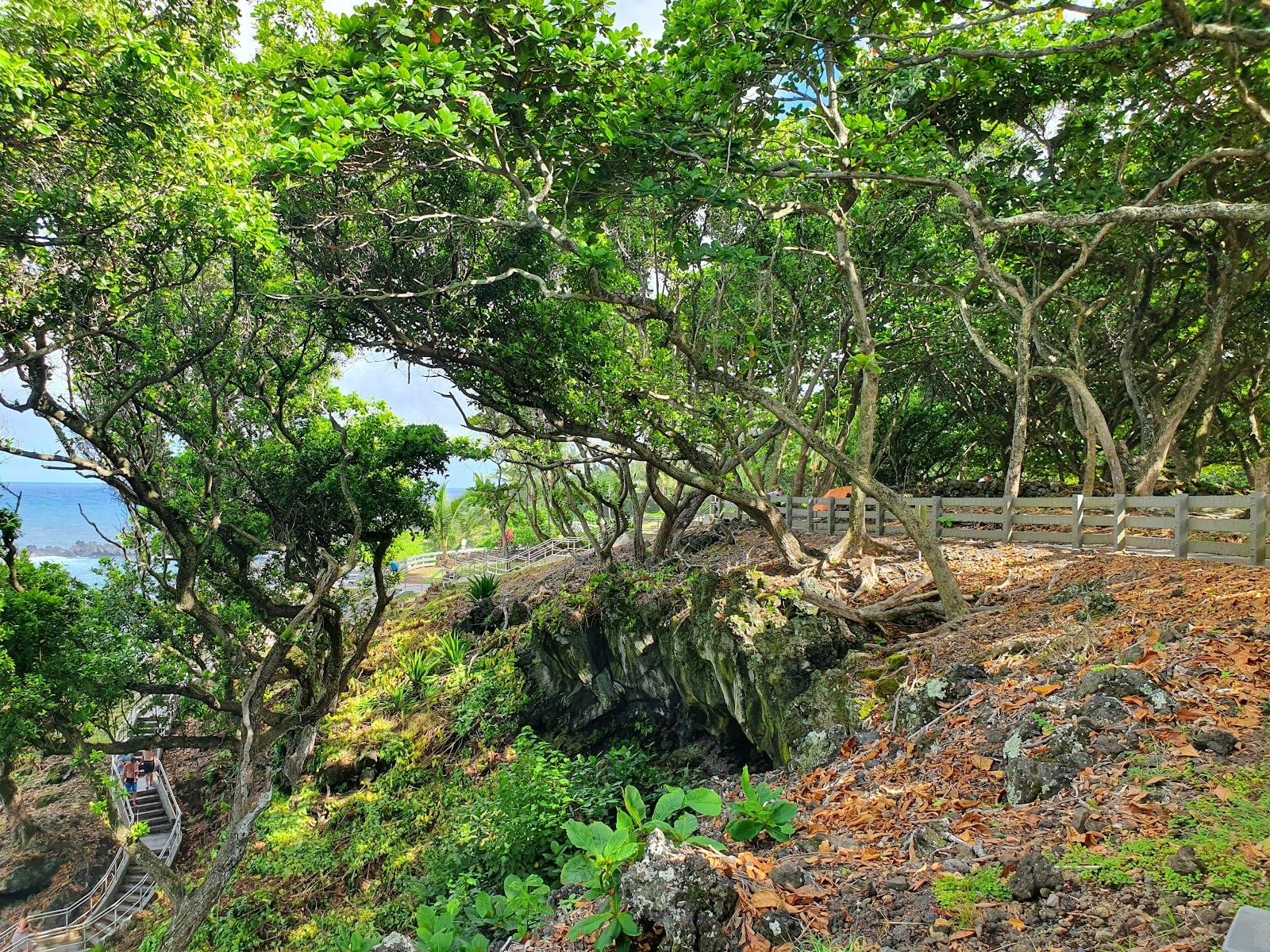
- Lush tropical park setting
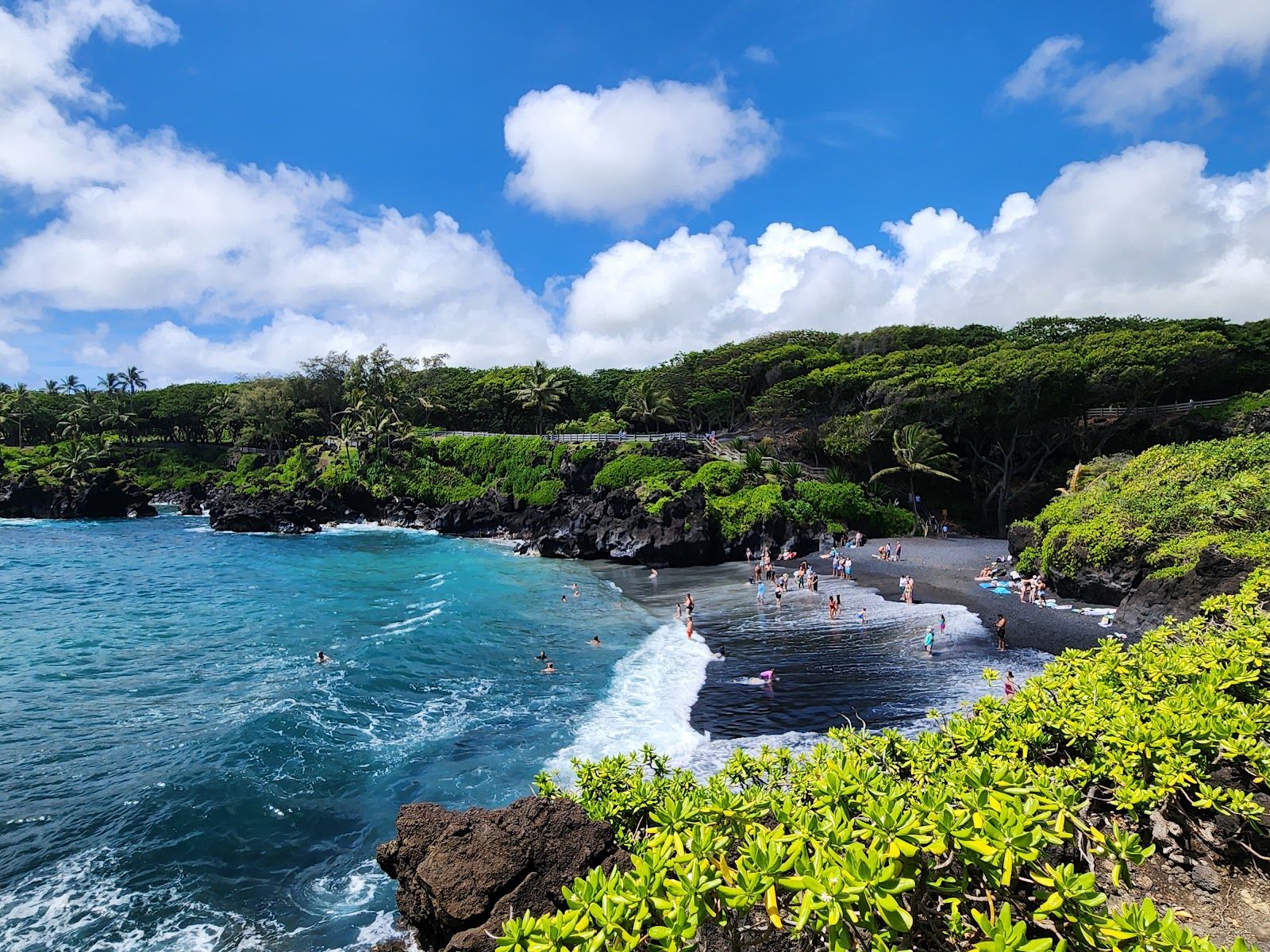
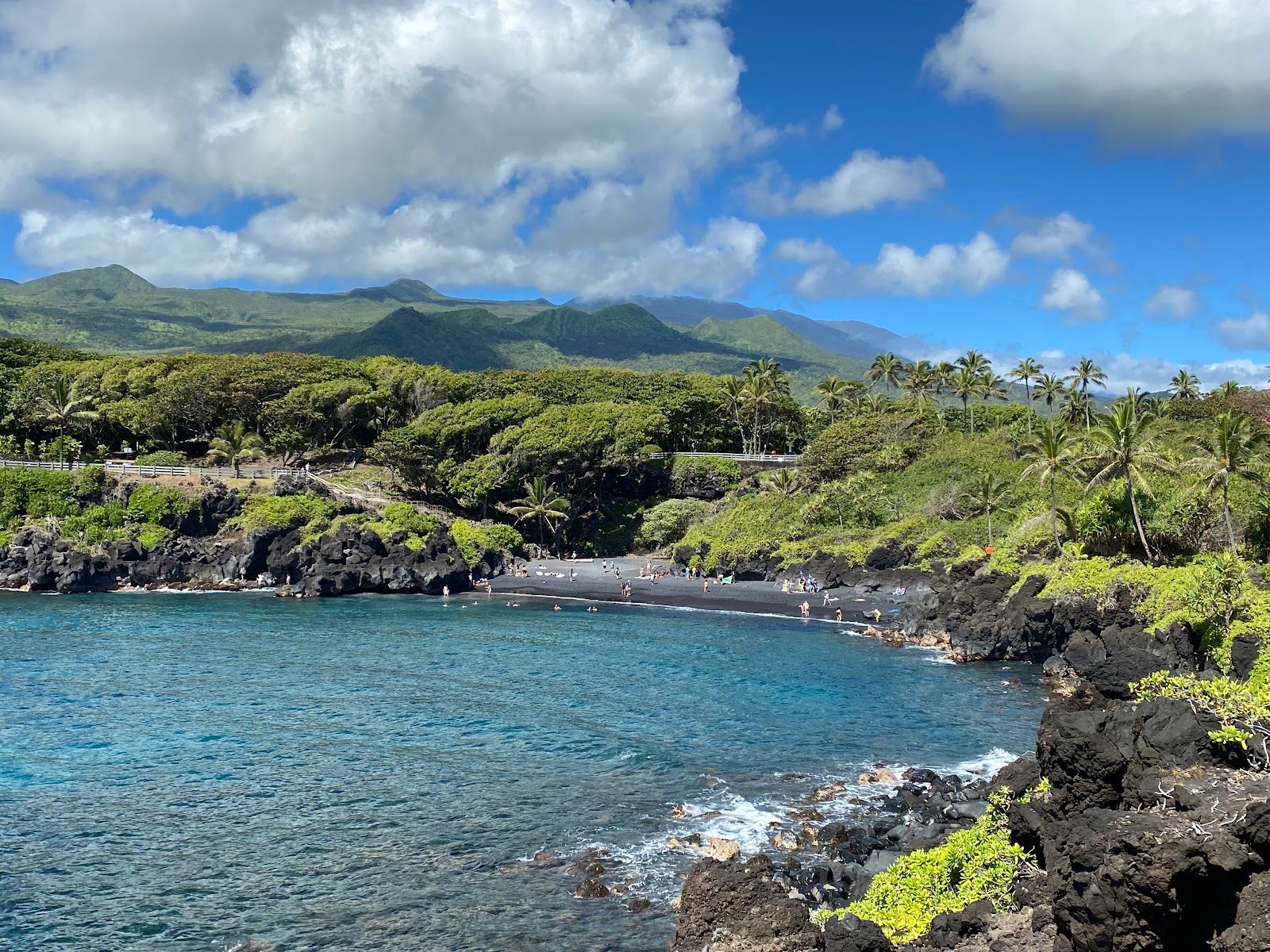
Black Sand Beach in Hāna is one of Maui’s signature coastal stops, anchored inside Waiʻānapanapa State Park along the Road to Hāna. The draw is immediate and unmistakable: jet-black volcanic sand and pebbles set against deep blue water, green vegetation, and a rugged shoreline of sea caves, arches, and blowholes. It stands out because it feels geologically different from the island’s more familiar beach scenes, and because it pairs easily with a broader East Maui day rather than needing to be the whole plan on its own.
The black-sand shoreline and surrounding coastline
The beach itself is the headline, but the surrounding landscape gives the stop much of its character. Honokalani’s dark volcanic shore is a strong contrast piece for photography, and the park setting adds texture: rocky edges, tropical growth, and a coastline shaped by lava and surf. The shoreline is more about exploration than lounging. Visitors usually come for a short, memorable walk, to take in the sea caves and stone arch, and to look out over the water rather than to spend a long beach day.
Swimming is possible when conditions are calm, but this is not the kind of beach that invites casual, carefree ocean entry. The surf can be rough, and the footing near the waterline is rocky and slick. Water shoes are a practical choice if the plan includes any shoreline exploring.
Where it fits on a Road to Hāna day
This is best treated as a planned stop within a larger East Maui itinerary, not as an isolated detour. It sits just past Hāna town on the Hāna Highway, which makes it a logical anchor for a Road to Hāna day that already includes scenic driving, coastal pullouts, and time in the Hāna area. Most travelers will want at least a modest block of time here to walk the shoreline, take photos, and possibly continue onto the coastal trail network.
The park also adds useful structure to the day. Picnic areas and restrooms make it easier to linger without turning the stop into a scramble. Coastal hiking, including a section of the ancient Ala Loa, gives the area a little more depth for travelers who want more than a quick scenic look.
Reservations, access, and the tradeoffs
The biggest practical issue is access: Waiʻānapanapa State Park requires reservations for both entry and parking, and walk-ins are generally not allowed. That makes advance planning essential, especially on a Road to Hāna itinerary where timing can already be tight. The reservation system helps manage crowding, but it also removes spontaneity. This is not a place to simply decide on a whim after lunch in Hāna.
The other tradeoff is ocean conditions. The setting is beautiful, but the beach is not uniformly gentle or beginner-friendly in the water. Weather can also change quickly in East Maui, leaving paths damp and slippery. Respect for the land matters here too: stay on marked paths and do not remove sand, rocks, or other natural material.
Best fit for travelers
Black Sand Beach is ideal for travelers who want one of Maui’s most distinctive landscapes and are happy to build a day around it. It suits photographers, geology-minded visitors, and Road to Hāna travelers who appreciate a stop with real visual payoff and a strong sense of place.
It is a weaker fit for anyone looking for a simple swim beach, a spontaneous stop, or a low-effort shoreline with easy water access. For those travelers, a calmer beach elsewhere on Maui may be the better choice.