
South Maui
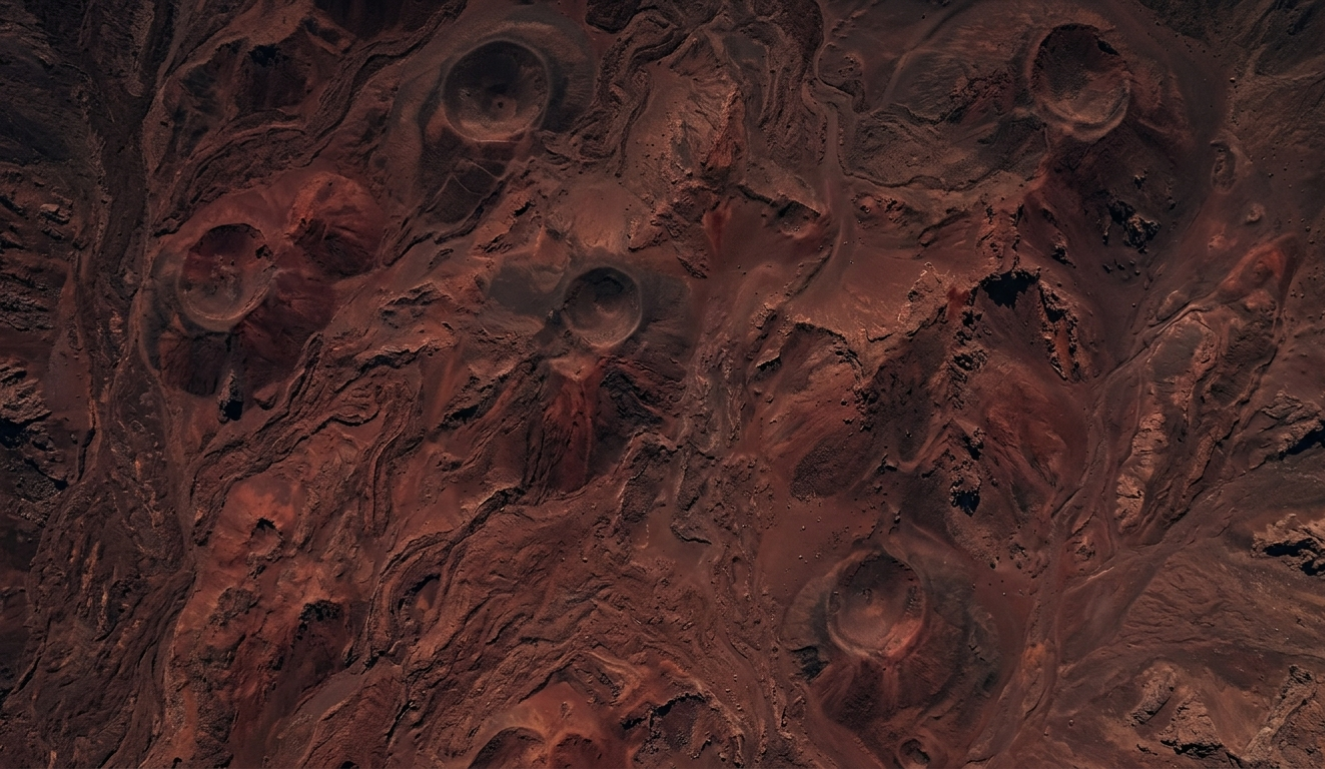
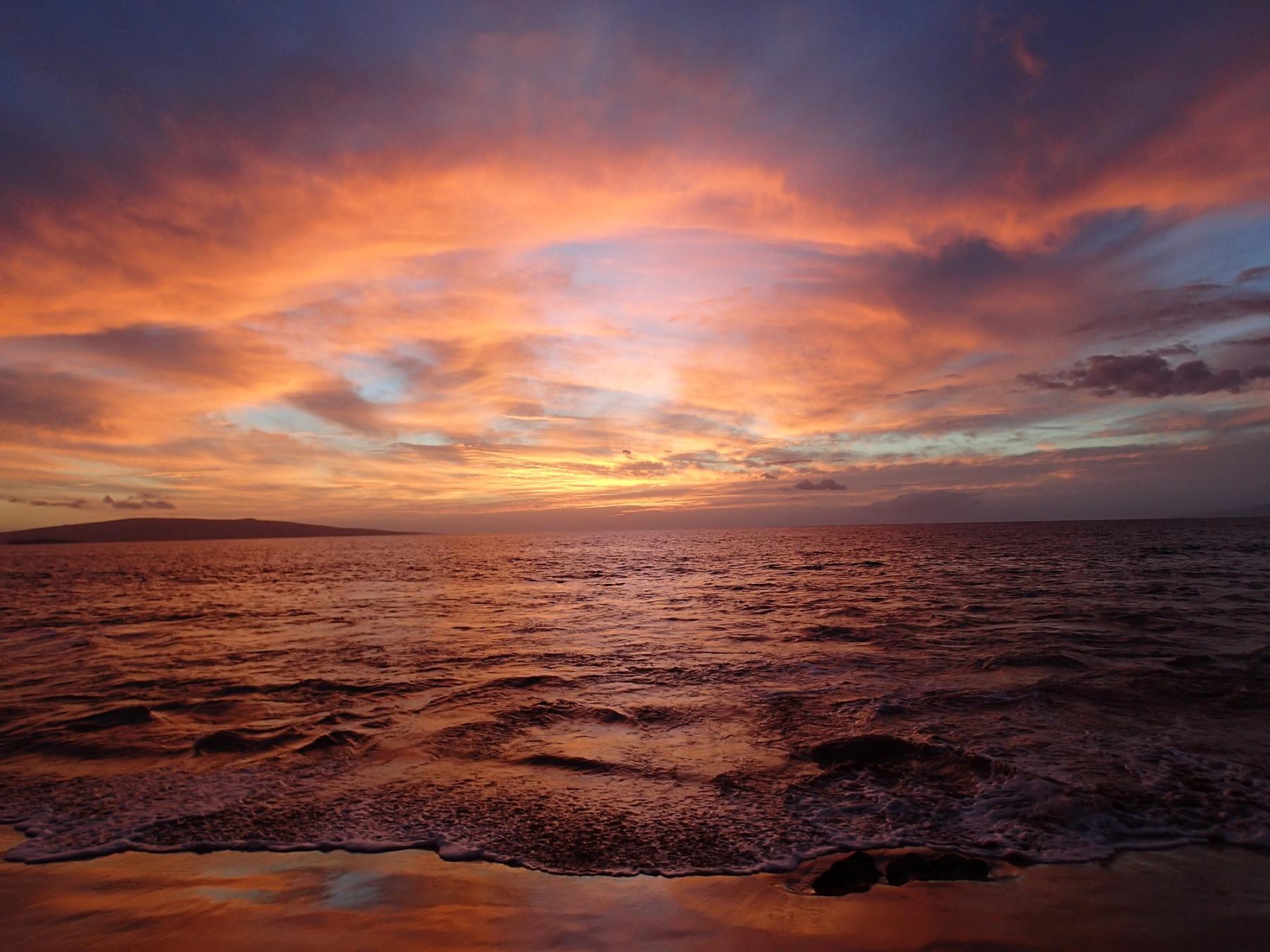
Maui’s sunniest beach corridor, stretching from Māʻalaea harbor to Mākena’s wilder shore.
South Maui is a long, easy-to-use shoreline where most visitors settle into beach days, casual dining, and reliable ocean access. It flows through four distinct zones—Māʻalaea, Kīhei, Wailea, and Mākena—ranging from harbor-and-attractions to upscale resorts to quieter, more natural beaches at the southern end.
Best For
- Repeatable beach days
- Condo and resort variety
- Ocean excursions base
- Easygoing dining options
- Sun-seeking winter escapes
Trade-offs
- Traffic on main road
- Less small-town feel
- Popular beaches fill up
- Resort polish in Wailea
Logistics & Getting Around
South Maui is a linear corridor; getting around is mostly by car along the main coastal road. Māʻalaea functions as a gateway from Central Maui, while Mākena sits at the quiet, less-developed end with fewer services.
Areas in South Maui
Māʻalaea
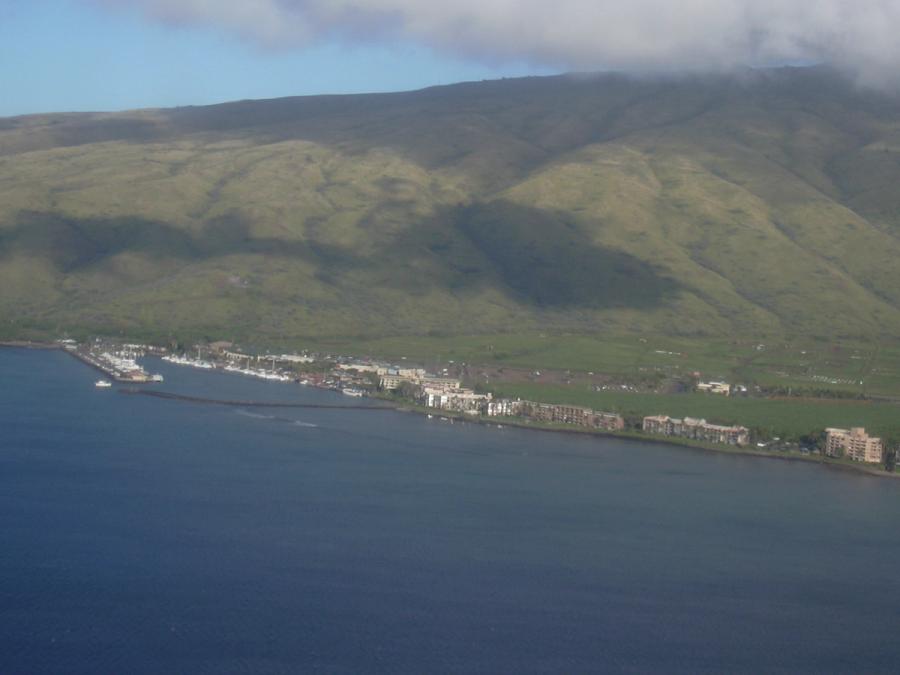
A compact South Maui harbor node for ocean departures and a family-friendly aquarium stop.
Kīhei
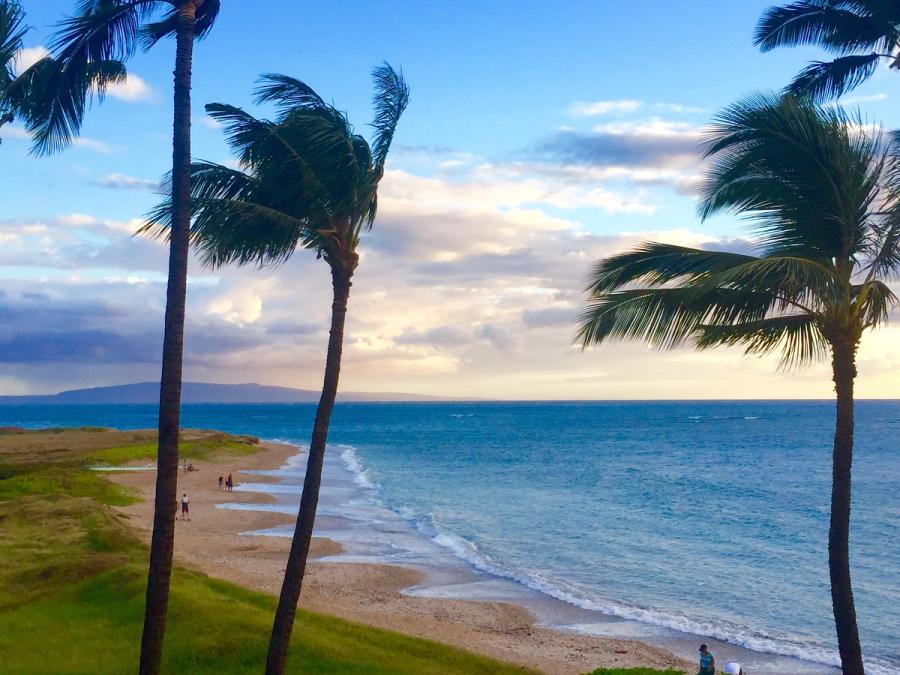
A long South Maui beach-town strip mixing condo stays, local life, and swimmable shores.
Wailea
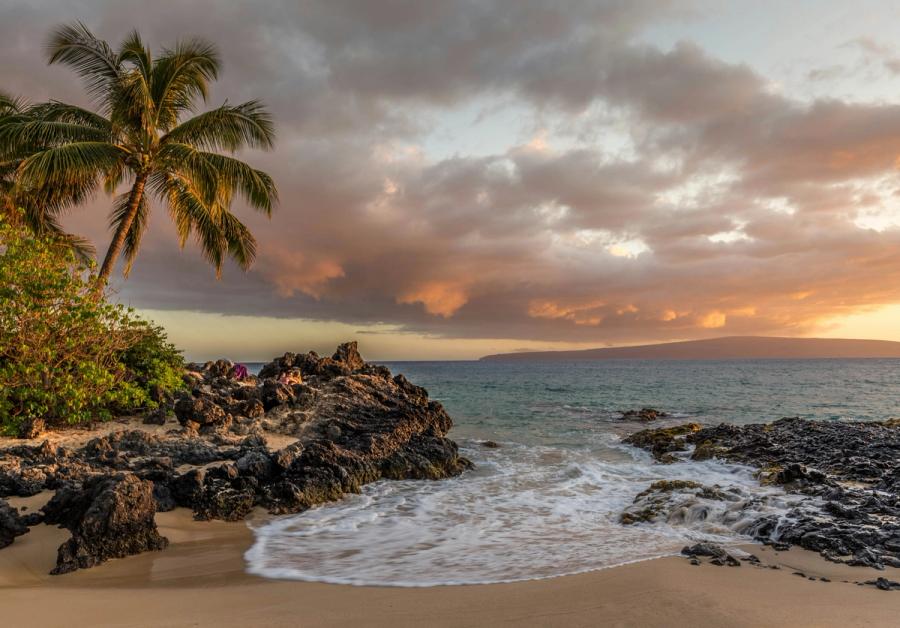
South Maui’s polished resort belt, built around beaches, golf, and high-comfort downtime.
Mākena
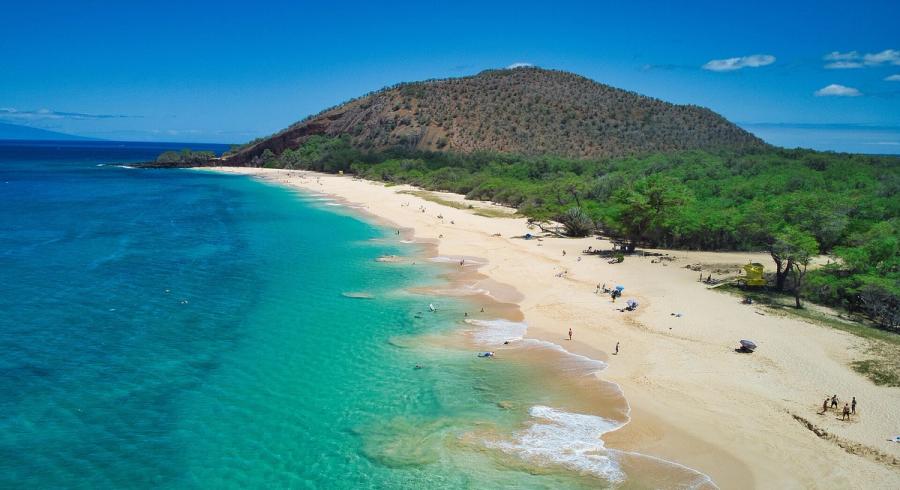
South Maui’s dramatic end-of-the-road coast: big sand, lava edges, open ocean.
Signature Experiences in South Maui
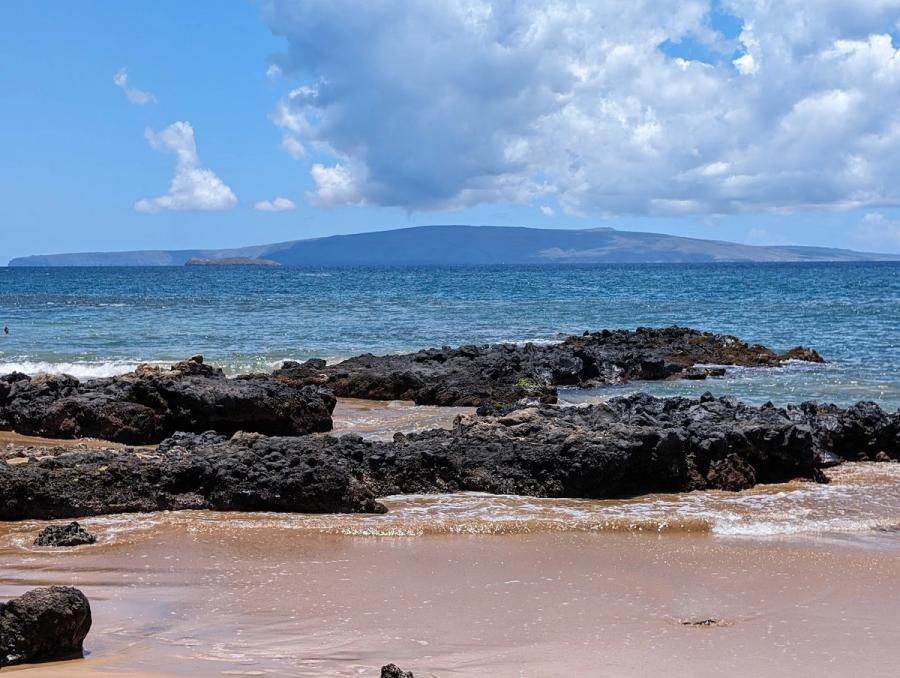
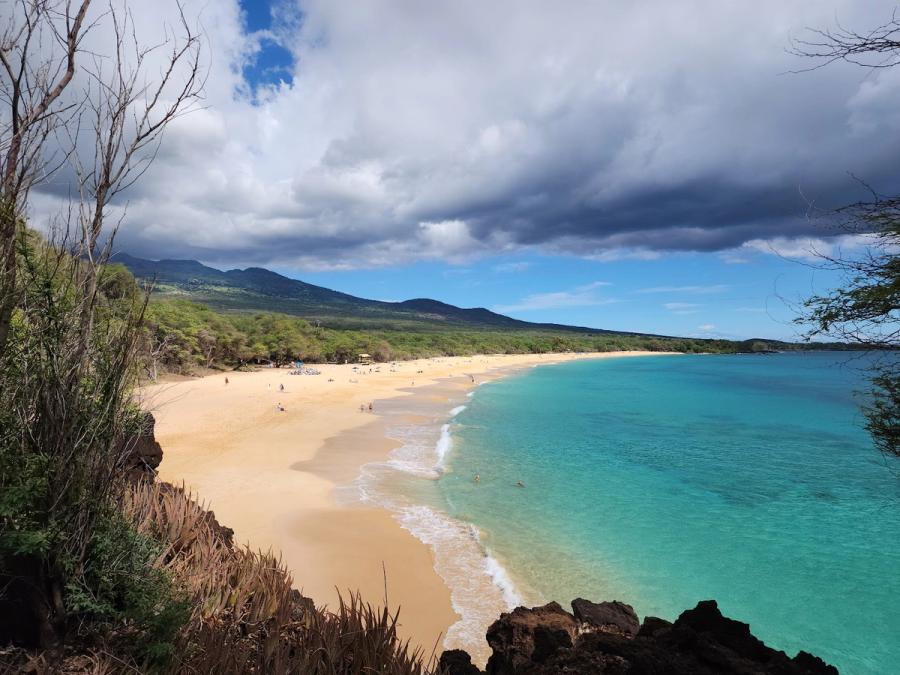
South Maui is Maui’s most continuous, visitor-oriented stretch of coast: a place built for routines. People come here to wake up near the ocean, choose a beach based on wind and crowds, grab something casual, and repeat. It’s less about a single historic town center and more about a string of shoreline neighborhoods—each with a distinct texture but connected by the same bright, dry-slope weather and a steady stream of travelers.
A corridor with four personalities
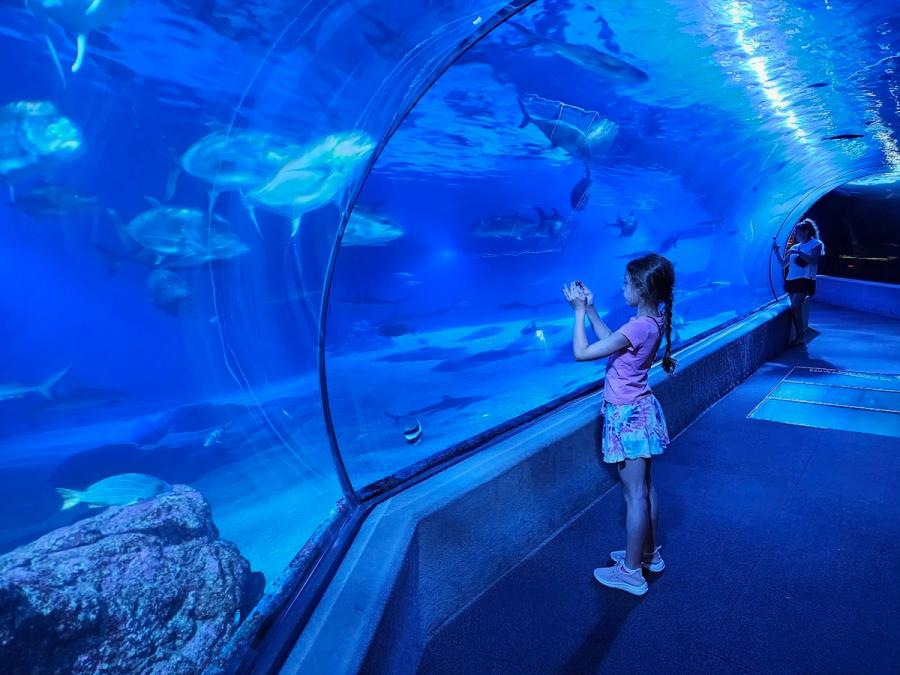
At the north end, Māʻalaea feels like a working gateway more than a beach town. The harbor and nearby attractions make it a natural stop between Central Maui and the south shore; the Maui Ocean Center is a recognizable anchor. It’s practical and close to the island’s main through-routes, even if the immediate coastline can be breezier and more utilitarian than postcard-pretty.
Kīhei is the day-to-day engine of South Maui: a busy condo-and-beach strip with lots of quick food, errands, and straightforward access to the water. The beaches here are approachable and frequent, often with a neighborhood feel in the morning and a lively, shared vibe as the day warms up.
South of Kīhei, Wailea shifts into a more manicured resort landscape—wide lawns, designed pathways, and a polished pace. The Grand Wailea is emblematic of the area’s scale and style. Wailea is calm and comfortable, but it can also feel curated, with fewer rough edges and less of the “local town” energy some travelers look for.
At the far end, Mākena is where the corridor loosens. Development thins out, the scenery starts to dominate, and the beaches feel more like destinations than conveniences. It’s still part of South Maui’s flow—just with fewer services and a stronger sense of being at the edge.
How visitors actually use South Maui
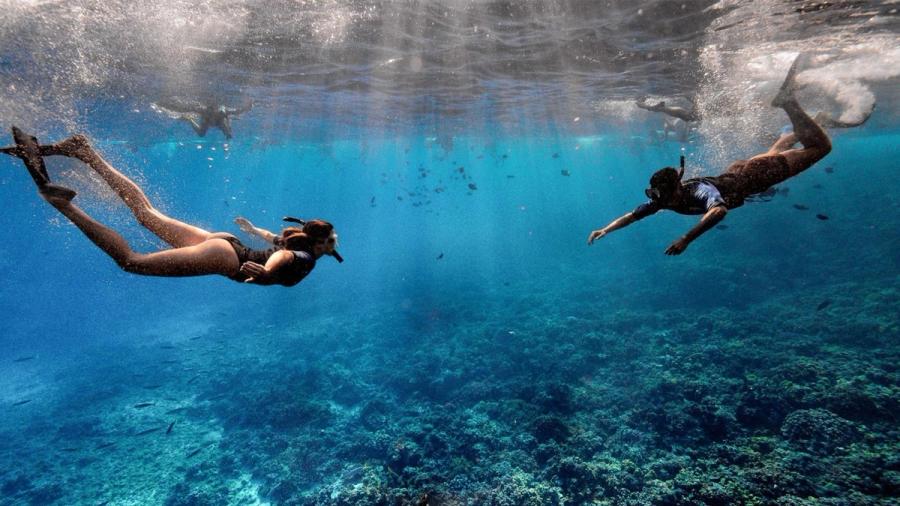
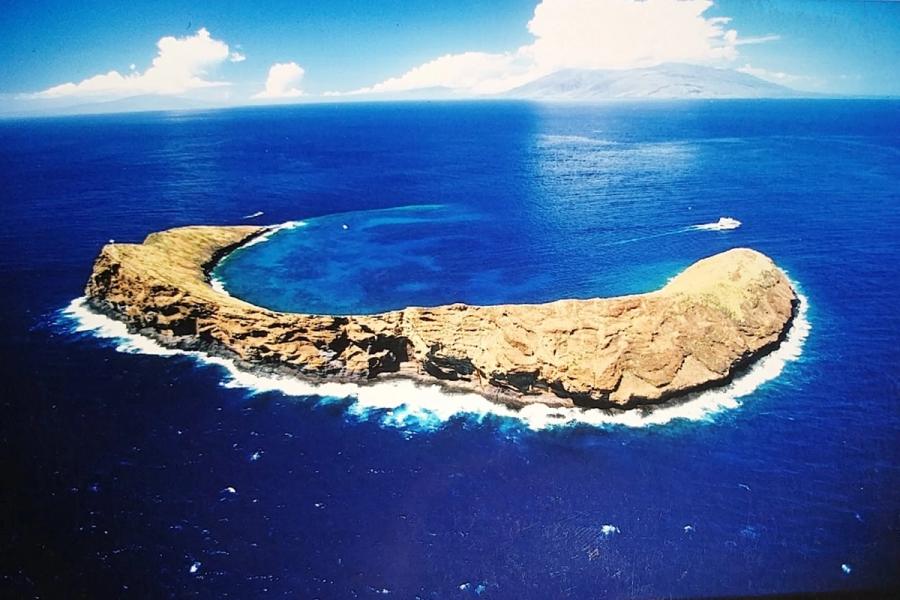
Most travelers experience South Maui as a dependable base for beach time plus water-based outings. Mornings often revolve around calm conditions and clear visibility; afternoons can bring more wind and a different beach choice. The region is also a common staging ground for boat-based snorkeling trips—Molokini is typically thought of in this South Maui orbit, even though you experience it offshore.
The tradeoff for all this convenience is that South Maui can feel busy and infrastructure-forward. Parking pressure, peak-hour traffic, and a “corridor” rhythm are part of the deal. If you lean into its strengths—variety, access, and sunshine—it’s one of the easiest parts of Maui to settle into.

Can't decide where to stay? Get personalized advice.
Custom recommendations built from the web's most comprehensive Kauai guide.