
Haleakalā National Park
Explore Haleakalā National Park, encompassing the dormant volcano's summit for breathtaking sunrises, sunsets, and stargazing, alongside the lush Kīpahulu District's waterfalls and pools.
- Volcanic crater landscapes
- Stargazing opportunities
- Hiking trails for all levels
- Lush rainforests and waterfalls
Haleakalā National Park is one of Maui’s most distinctive day-trip anchors, especially from Upcountry Maui and Kula, where the road climbs quickly from farm country into high volcanic country. It stands out because it offers two very different experiences in one park: the stark summit district above the clouds and the lush Kīpahulu district on the island’s far eastern side. For travelers who want more than a beach day, this is the place that delivers Maui’s highest-altitude views, memorable hiking, and a strong sense of land, weather, and culture all at once.
What the experience feels like
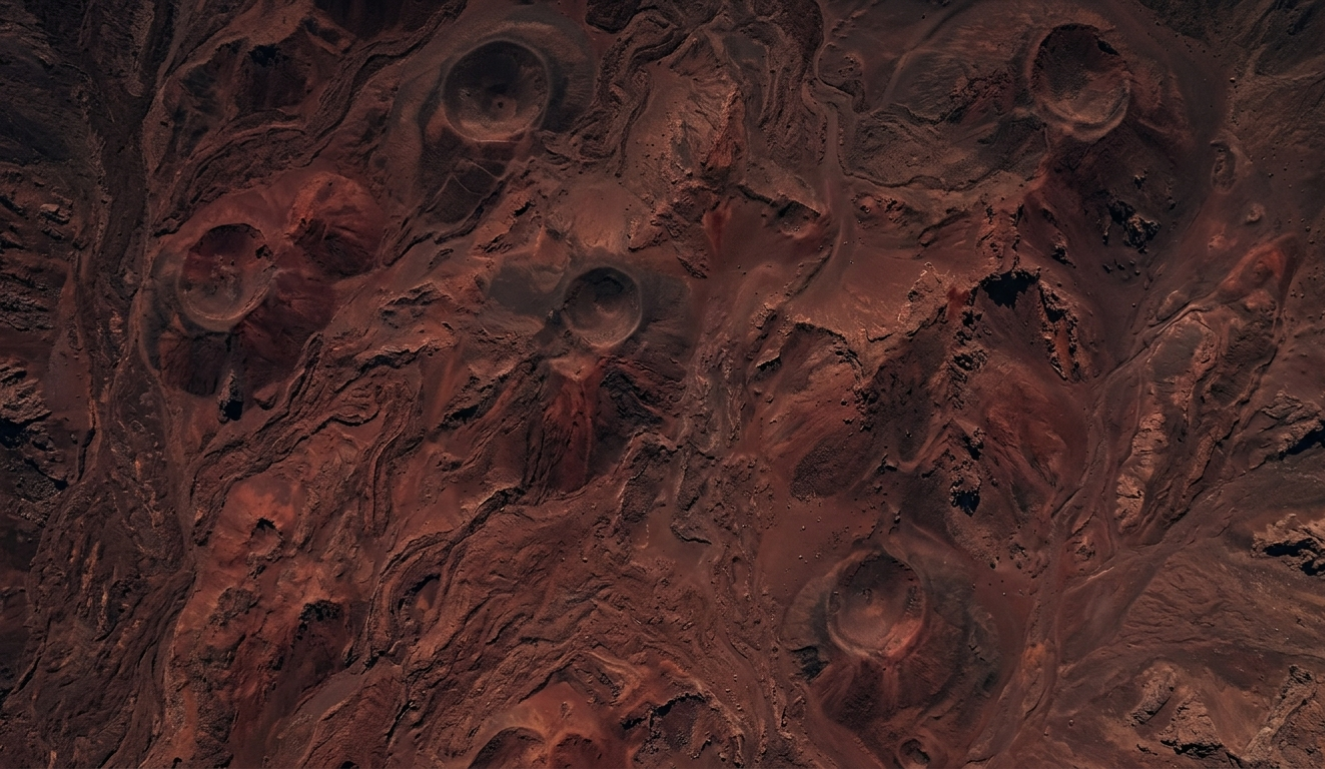
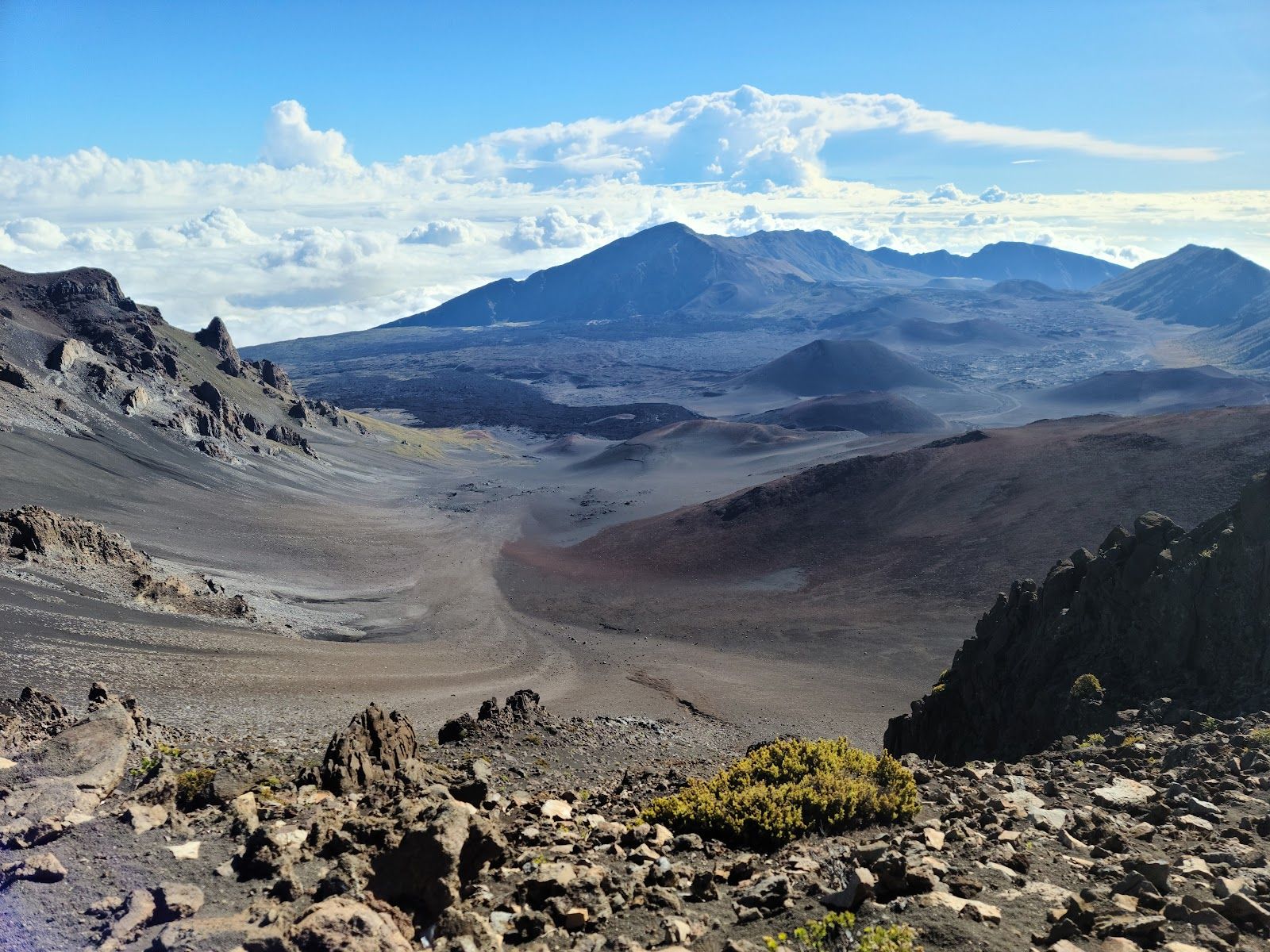
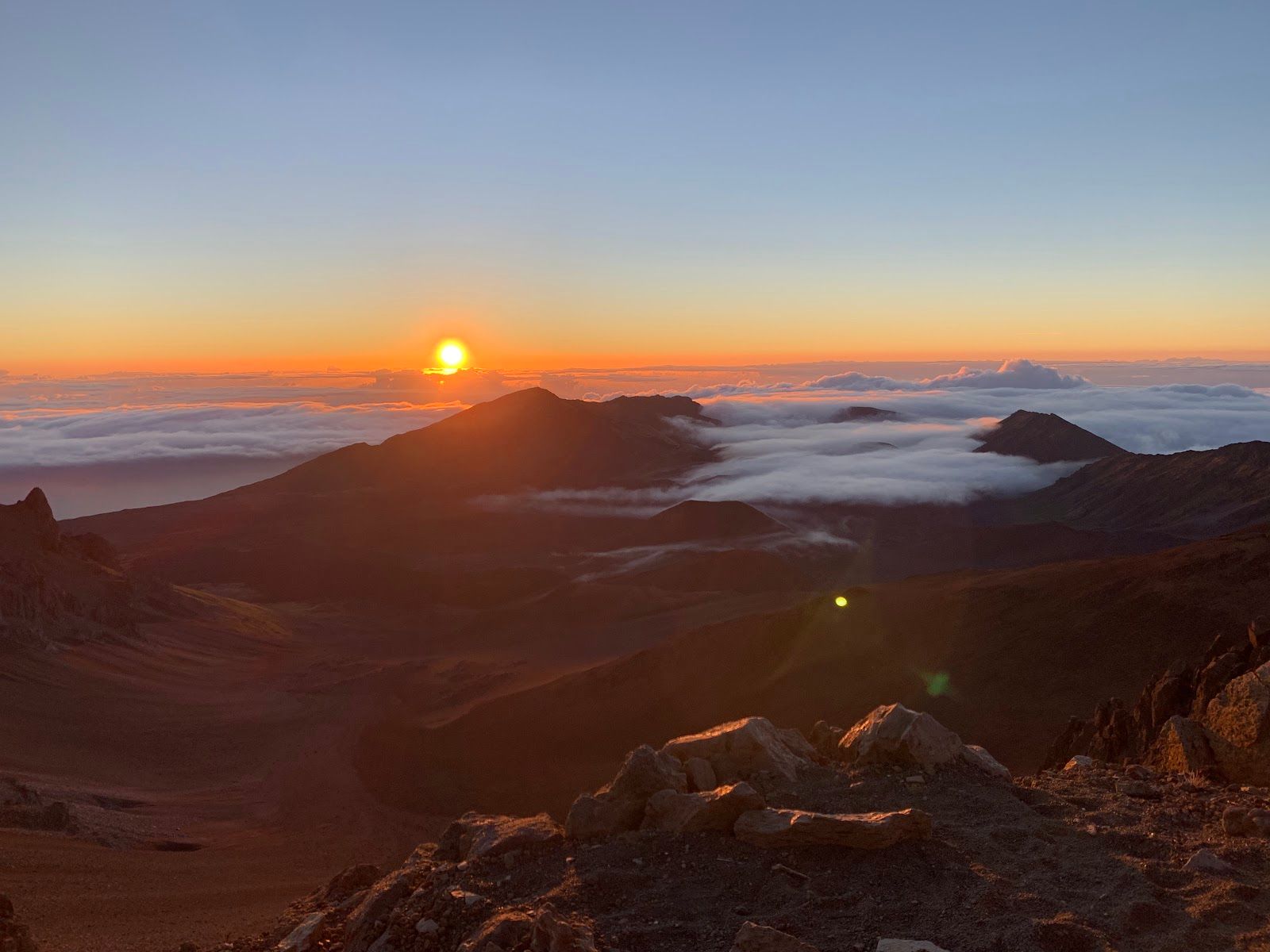
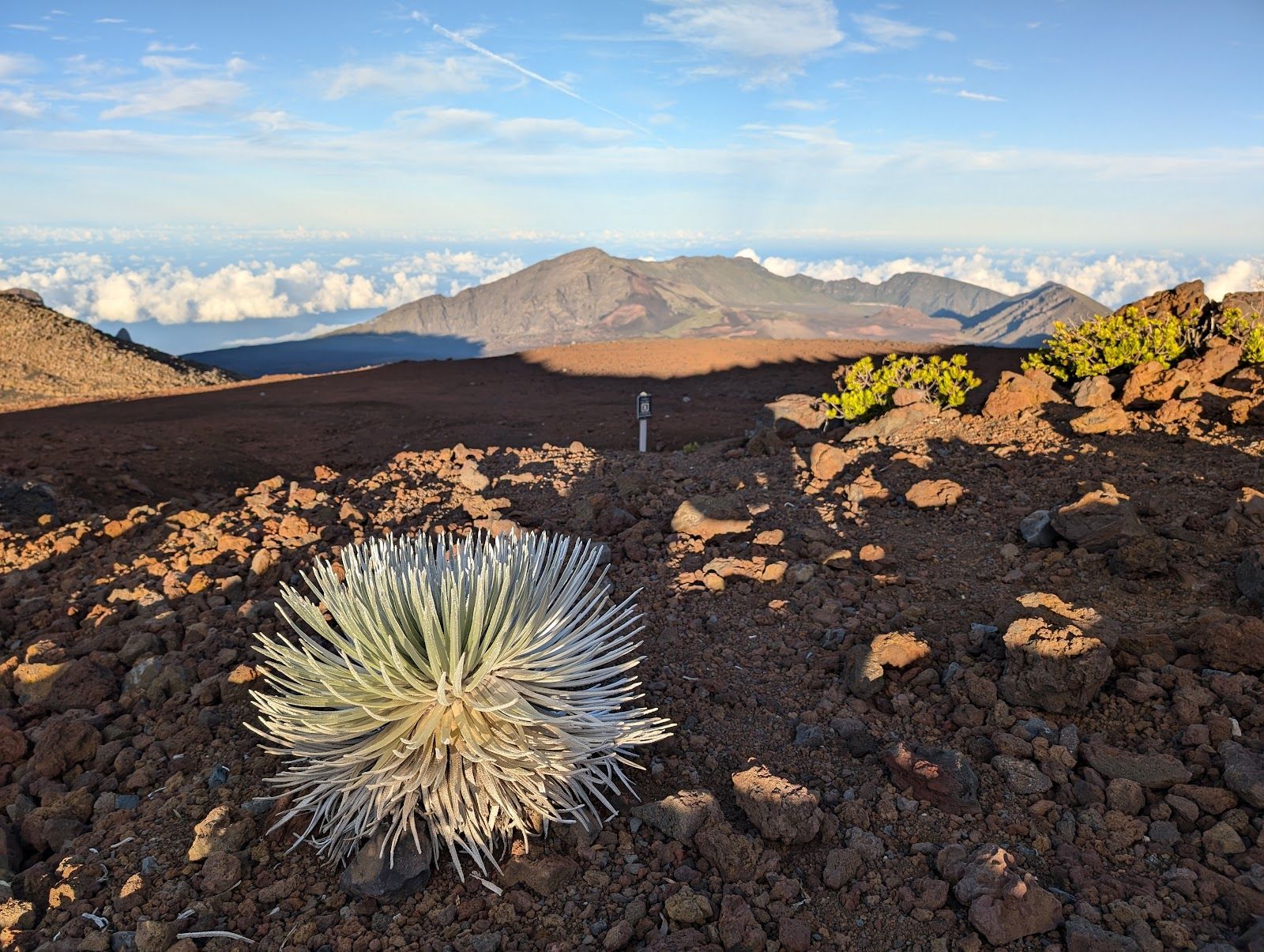
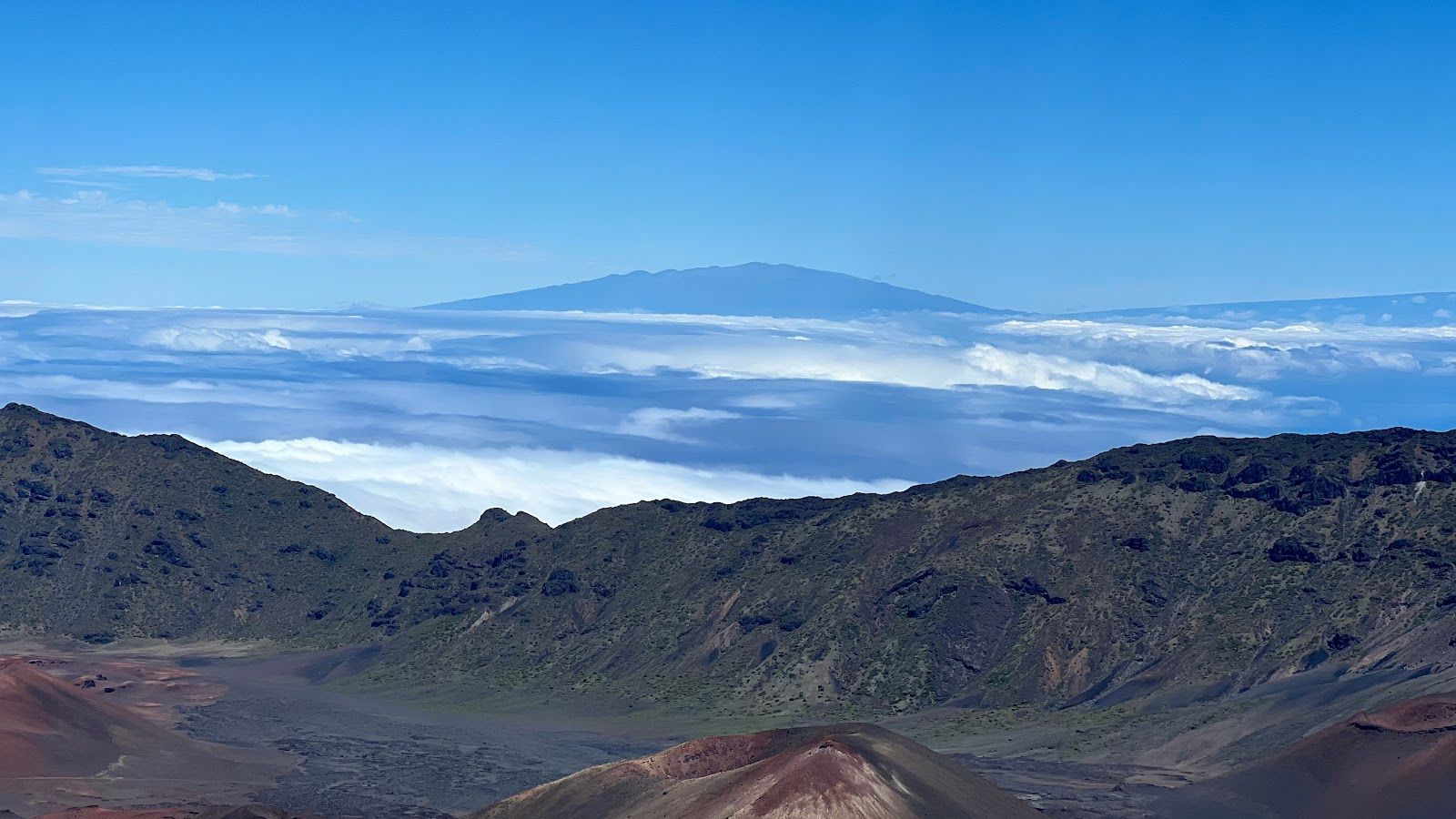
The summit district is the signature experience: a drive into thin air, then a landscape of cinder cones, lava textures, and sweeping views that can feel almost lunar. Sunrises here are famous for a reason, but sunsets and night skies can be just as rewarding if the weather cooperates. Trails range from short viewpoint walks to serious crater hikes, and the terrain is raw and exposed enough that even a short outing feels memorable.
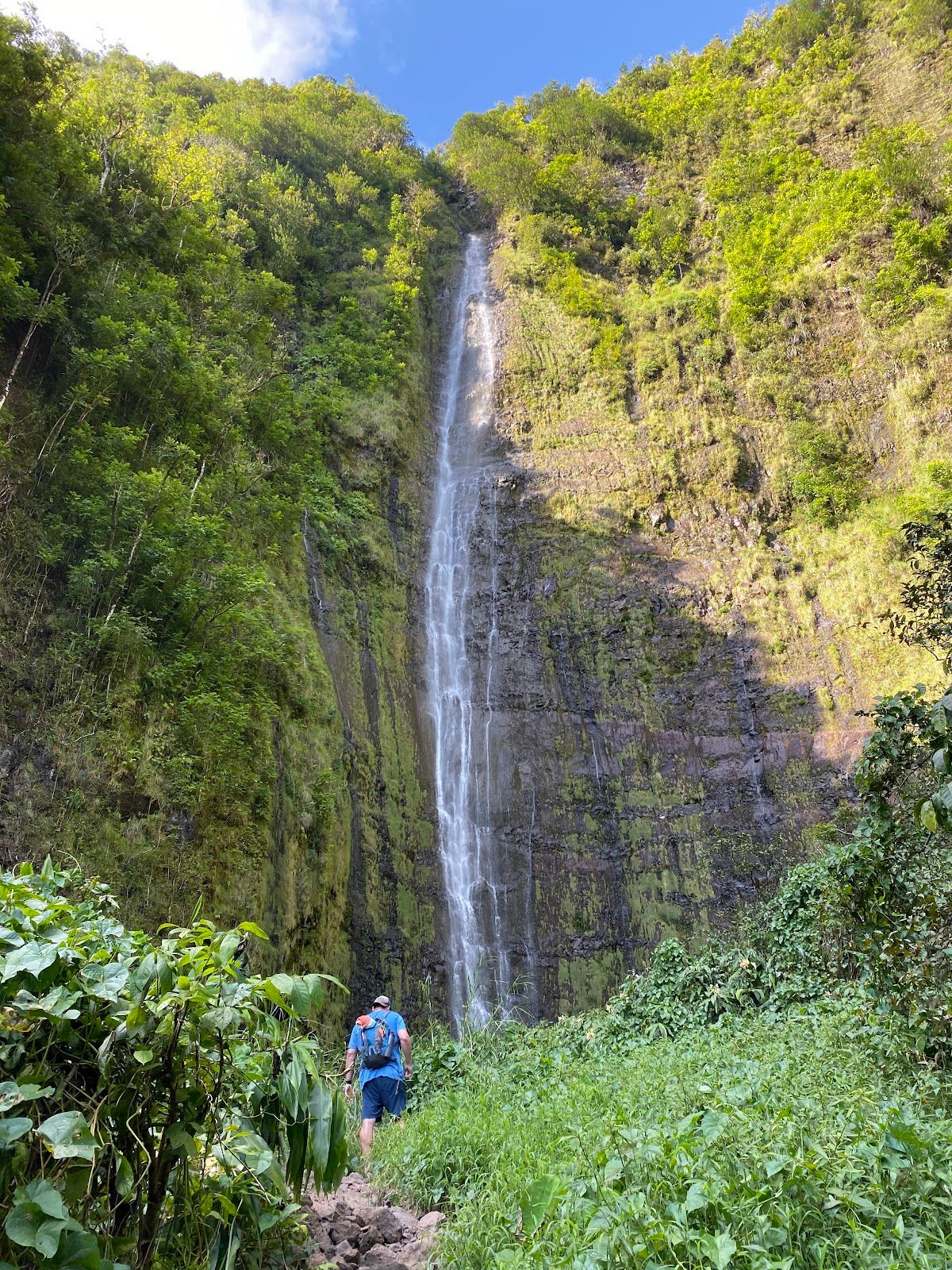
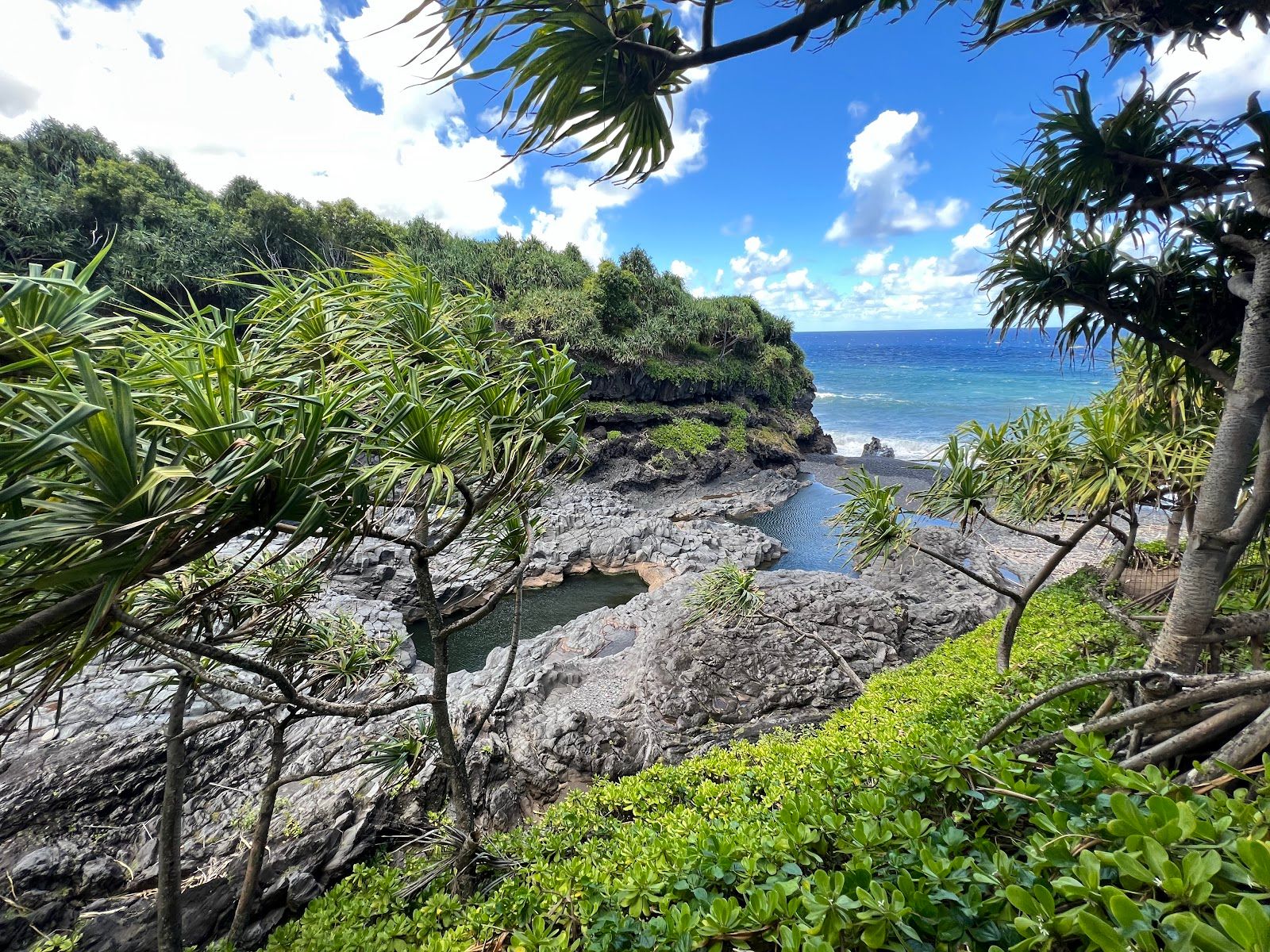
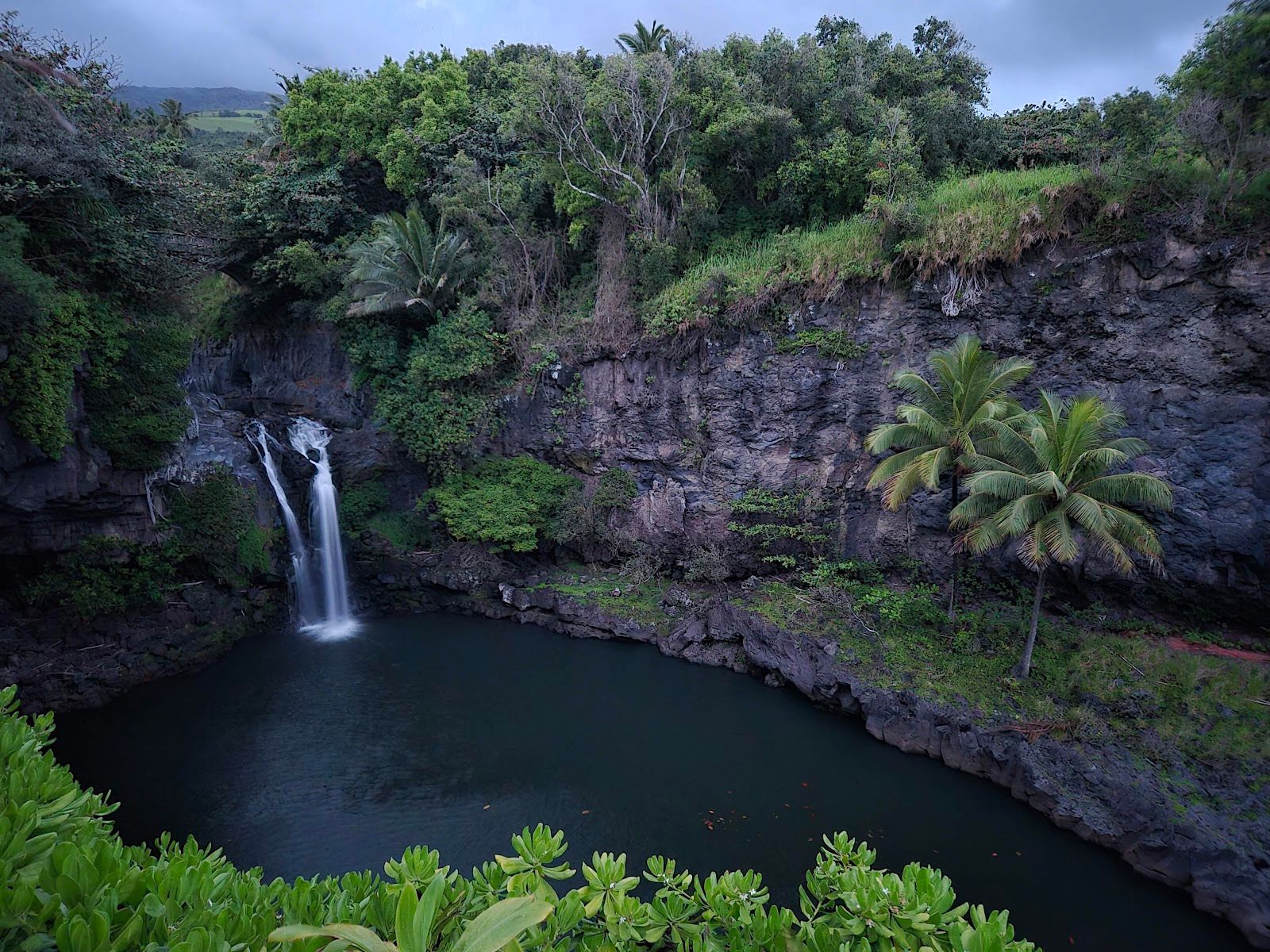
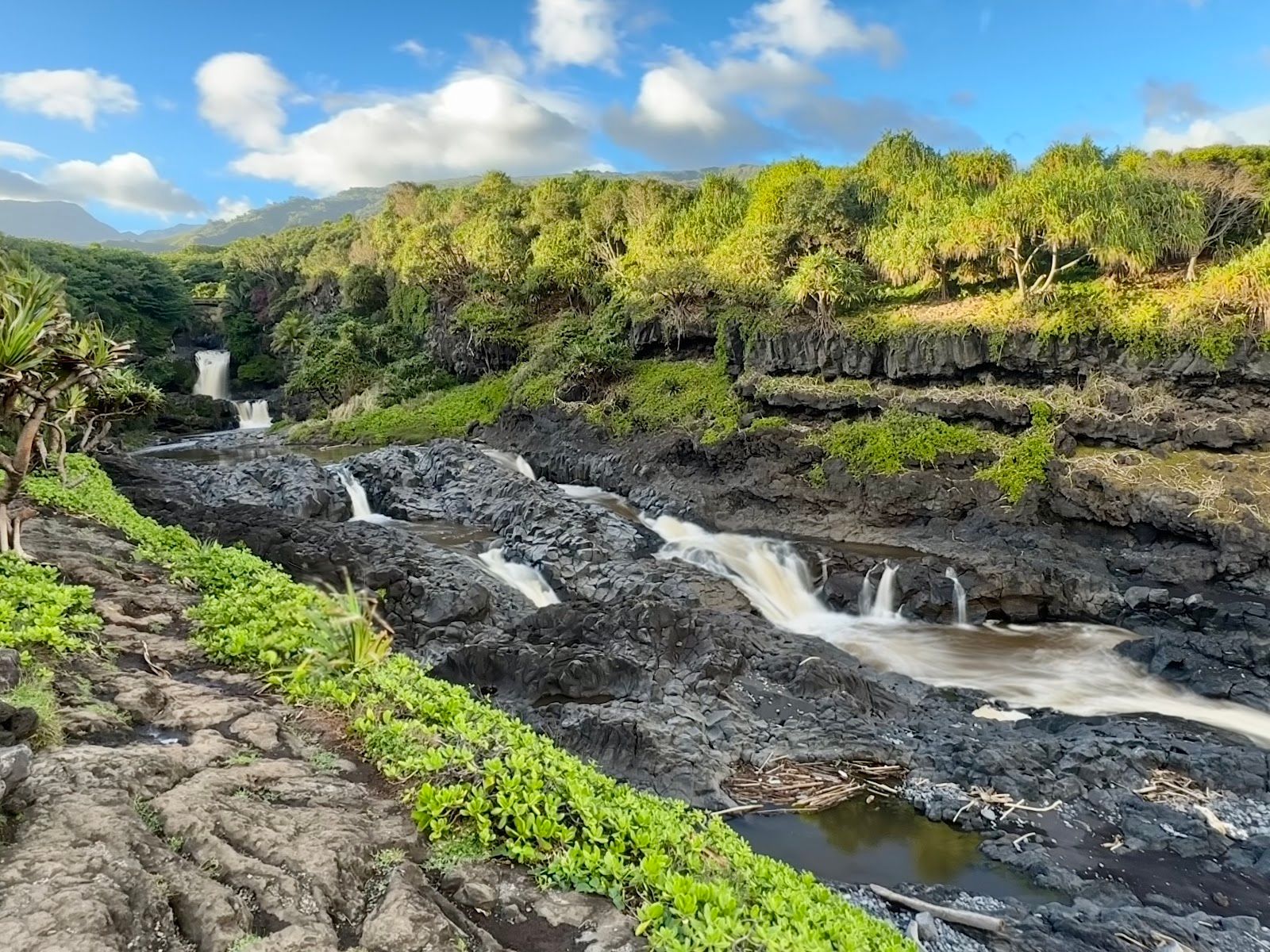
The Kīpahulu district is a complete contrast. Past Hāna, the park shifts into rain forest, stream crossings, waterfalls, and thick green slopes. The Pīpīwai Trail is the standout route here, leading through bamboo and forest to Waimoku Falls, while the ʻOheʻo area adds a scenic, river-meets-ocean setting that feels very different from the summit.
Haleakalā also matters culturally. This is a sacred landscape for Native Hawaiians, tied to legend, ritual, and astronomy, so the park deserves a respectful, unhurried approach rather than a checklist mentality.
How to fit it into a Maui itinerary
The summit district works well as a half-day or longer block from Upcountry Maui, especially if paired with Kula, Makawao, or a scenic drive through the island’s interior. Early sunrise visits require planning well ahead, and even sunset trips benefit from an early departure because the road is winding and the elevation gain is substantial. A full day is reasonable if hiking is part of the plan.
Kīpahulu fits best with an overnight or very long day on the Hāna side of Maui. It is not a casual add-on to a west or south Maui beach day. Trying to combine the summit and Kīpahulu in one day usually creates more driving than sightseeing, so most travelers are better off choosing one district and doing it well.
Reservations are the key tradeoff at the summit. Sunrise entry requires advance booking, and that single detail can determine whether the experience is possible at all. Sunset and stargazing are easier to manage, though weather and cloud cover still shape the payoff.
Practical caveats that matter
The summit is high enough to affect many visitors. Temperatures can be cold, wind can be sharp, and altitude can leave some people lightheaded or fatigued. Warm layers, closed-toe shoes, water, and sun protection are not optional extras here; they are part of the experience. The roads are also steep and curving, so it is worth driving conservatively and avoiding unnecessary stops on narrow stretches.
Amenities are limited. There is no casual “grab food and gas inside the park and wing it” setup here, so travelers should top off the tank before heading up and bring what they need for the day. Cell service can be unreliable, and hikers should keep routes realistic, especially in the crater where distances and downhill grades can be misleading on the way out.
The park’s natural beauty comes with real fragility. Stay on marked trails, respect closures, and treat the wildlife and landscape as something to protect, not a backdrop for shortcuts or off-trail photos.
Who it is best for
Haleakalā National Park is ideal for sunrise chasers, hikers, photographers, and anyone who wants a deeper sense of Maui beyond the coast. It also suits travelers who appreciate a strong cultural and natural setting rather than a heavily packaged attraction.
It is a less natural fit for visitors with very limited time, anyone who dislikes early starts or mountain driving, and travelers who want easy amenities close at hand. If the goal is convenience, a beach park or a shorter scenic stop may be a better match.