

If you check the forecast for Maui and see rain icons lined up for your trip, take a breath. That forecast may be technically reasonable and still not describe the vacation you’re about to have.
Maui does not have one weather story at a time. The island is shaped by two large mountains, a low central valley, steep windward slopes, dry leeward coasts, and wind that rearranges the whole picture. You can wake up to showers in Hāʻikū, drive through hard sun in Kīhei, see clouds building over Upcountry by lunch, and watch a clear sunset from West Maui — all without the forecast being “wrong.”
The useful question is not “Will it rain on Maui?” It’s “Which pattern is running, and where does that pattern put the clouds?”
The baseline: Maui under trade winds
Most of the time, Maui’s weather starts with the trades — steady winds blowing generally from the northeast. They are one of the great organizing forces of Hawaiʻi weather.
On Maui, those trades arrive first on the windward sides: the north shore, Hāʻikū, the road toward Hāna, and the slopes facing into the breeze. As moist ocean air is pushed upward by Haleakalā and the West Maui Mountains, it cools, forms clouds, and drops showers. This is why the green, lush parts of Maui are often green for a reason.
Meanwhile, the leeward sides sit in the rain shadow. South Maui — Kīhei, Wailea, Mākena — is usually drier. Much of West Maui, including the resort coast around Kāʻanapali and Nāpili, often gets more sun than the windward side under a normal trade-wind pattern. Not always, but often enough that this is the island’s default rhythm.
The central valley adds another Maui-specific wrinkle. Between Haleakalā and the West Maui Mountains, wind can funnel and accelerate. Areas around Kahului and especially the Maʻalaea corridor can feel much windier than the beach you left 20 minutes earlier. On a map the island looks compact. In weather terms, it behaves like several small regions stitched together.
That is what confuses first-time visitors most. A forecast may say “showers” because showers are likely somewhere on the island, especially on windward slopes. That does not mean every beach is gray all day.
Why Maui’s microclimates feel so dramatic
“Microclimate” gets used loosely, but on Maui it is not travel-brochure fluff. Haleakalā rises high enough to shape clouds, rainfall, temperature, and wind. The West Maui Mountains do the same on a smaller but dramatic scale. Between them, Maui’s low central valley can work like a wind tunnel.
A few patterns are especially helpful:
Windward North Shore and East Maui tend to see more frequent clouds and showers under trades. Pāʻia, Hāʻikū, and the Hāna side often look different from South Maui on the same day. South Maui is one of Maui’s drier visitor areas. Kīhei, Wailea, and Mākena often benefit from the rain shadow. West Maui can be sunny and dry along the resort coast, while the West Maui Mountains pull in clouds and rain. Kapalua and Nāpili can feel wetter than drier stretches farther south. Upcountry often has beautiful mornings, then cloud build-up as the day warms. Kula and Makawao can feel cool, misty, or sun-washed depending on time of day and wind. Haleakalā summit is its own world. It can be cold, clear, windy, cloudy, or all of those in one outing. Do not judge summit weather by beach weather.
The best Maui weather planning is not about finding the single “best” forecast. It is about understanding which part of the island that forecast is really describing.
Kona winds: when the usual pattern flips
Kona winds are the reversal that makes Maui feel like someone changed the rules overnight.
Instead of the usual northeast trades, winds come more from the south or southwest. The areas often protected and dry under trades — South Maui and parts of West Maui — can become more exposed to clouds, humidity, and rain. The windward north and east sides may feel calmer or less predictably wet than usual.
For visitors staying in Kīhei, Wailea, or West Maui, a Kona wind day can be surprising. The place you chose partly for sunshine may be the place catching the weather. That does not mean the whole island is ruined; it means the normal windward/leeward map is less useful.
Kona winds can also make the air feel warmer, stiller, or hazier. On some days, especially when broader conditions line up, volcanic haze from Hawaiʻi Island can affect visibility across parts of the state. It is not guaranteed, but it is one reason locals pay attention when the wind direction changes.
The practical move is simple: if the forecast mentions Kona winds, do not assume South Maui is the automatic sunny answer. Look at the whole island more flexibly. A north shore lunch, Upcountry morning, or later beach window may make more sense than waiting out clouds in the place that is usually dry.
Kona storms are different
A Kona storm is not just “a Kona wind day with rain.” It is a more organized setup, often tied to a low-pressure system that can pull moisture over the islands for longer.
On Maui, that can mean widespread cloud cover, heavier rain, thunderstorms, strong winds, poor visibility, and rising streams. These are the stretches when the island feels less like scattered tropical showers and more like a true storm pattern.
The important distinction is duration. Trade-wind showers often pass quickly. Kona storms can linger. If you had planned a remote hike, waterfall swim, long exposed drive, or ocean activity, this is the kind of pattern where it is sensible to reconsider without turning the day into a drama.
Rainy season does not mean constant rain
Maui has wetter and drier tendencies through the year, but “rainy season” is often misunderstood. It does not mean your winter trip is doomed to rain. It means the atmosphere is more likely to produce unsettled patterns: frontal systems, Kona setups, more variability, and a higher chance of widespread wet days.
There can be gorgeous winter weather on Maui. There can also be a week when clouds and showers keep interrupting the plan. Both are normal.
The drier season tends to bring more reliable sunshine in leeward resort areas, but even then, trade-wind showers still feed the windward slopes. The wetter season raises the odds of dramatic swings. You might get a bluebird beach morning and a gray afternoon, or two days that feel like different months.
Month-by-month averages can help with broad expectations, but they cannot tell you what your exact Tuesday will feel like. Maui rewards travelers who plan with a little slack: the beach day can move, the Upcountry day can start early, the long scenic drive can wait for a clearer window.
How to read a Maui forecast
A standard forecast tends to flatten Maui into a single symbol: sun, cloud, rain. That is almost never enough.
Look for three things.
First, wind direction. If trades are blowing, expect the familiar pattern: more showers on windward north and east slopes, drier leeward coasts, wind funneling through parts of the central valley. If winds are southerly or southwesterly, the usual dry-side assumptions may not hold.
Second, location. A forecast for Kahului is not the same as a beach day in Wailea, a morning in Kapalua, a drive to Hāna, or sunset on Haleakalā. Maui’s visitor areas are close enough for easy travel but different enough that one forecast point can mislead you.
Third, timing. Many Maui days have a rhythm. Mornings are often clearer in places that cloud up later. Upcountry can change as daytime heating builds clouds over the slopes. Wind may strengthen through the day. If you care about a view, a hike, or calmer beach time, earlier often gives you more options.
This does not mean you need to become a meteorologist on vacation. It just means the rain icon is the beginning of the conversation, not the final answer.
Choose your Maui days by pattern, not panic
On a normal trade-wind day, South Maui and leeward West Maui are good bets for sun, while the north shore and East Maui may have passing showers woven into the day. That can still be beautiful weather for exploring, especially if you are not expecting a dry desert climate on the Hāna side.
On a windy trade-wind day, think carefully about exposed beaches and ocean activities. The wind that feels refreshing at breakfast can be sandblasting by midafternoon in certain spots. A calmer morning plan often beats waiting.
On a Kona wind day, loosen your assumptions. The dry sides can catch clouds. The air may feel heavier. It may be a good day to move around the island rather than committing too hard to one beach.
During a true storm pattern, scale the day to the weather. Maui has plenty of pleasure that does not require forcing a grand outdoor plan: a long meal, art, coffee, a scenic drive with room to turn around, or a quiet lanai watching clouds move across the mountains.
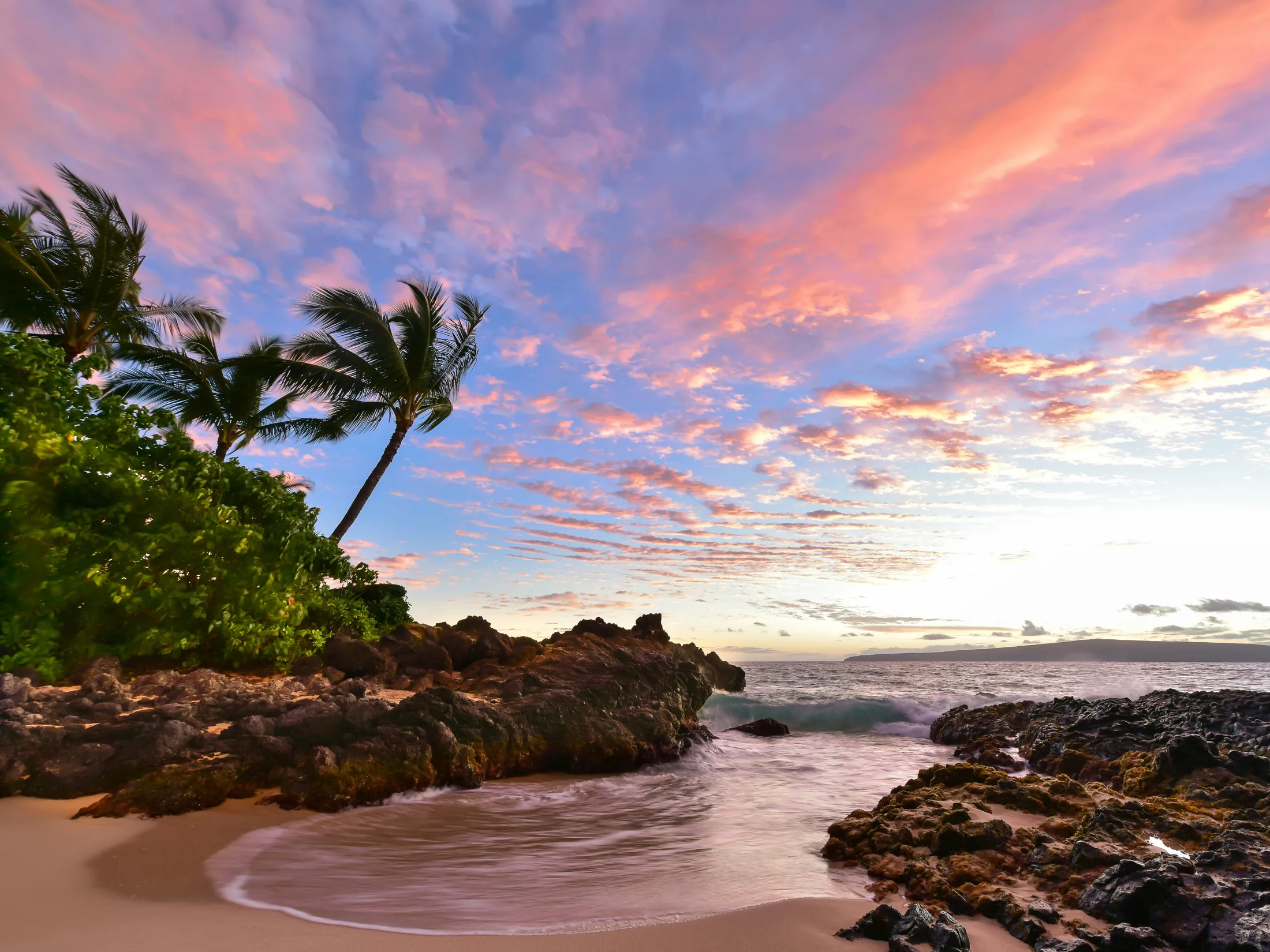
And on those mixed, ordinary Maui days — sun here, showers there, clouds building and clearing — resist the urge to chase perfection too aggressively. Some of the island’s best moments happen in the in-between: rain falling high on Haleakalā while the beach stays warm, a rainbow over the central valley, clouds catching sunset over the West Maui Mountains.
Maui weather is not random. It is local, physical, and deeply tied to the shape of the island. Learn the trades, recognize the Kona flip, know the difference between a shower and a storm, and give each region its own weather personality. Do that, and the forecast becomes less of a verdict and more of a useful clue.

Further Reading
A few relevant next steps from Alakai Aloha.
 BlogWhat to Pack for Maui’s Many Microclimates
A practical Maui packing guide for beach days, Haleakalā layers, Hāna rain, snorkel boats, and casual dinners without overpacking.
Editor's pick ActivityHaleakalā Summit
Witness unparalleled sunrises, sunsets, and stargazing from the 10,023-foot summit of Haleakalā, offering panoramic views of Maui and beyond within a sacred and dramatic lunar-like landscape.
Editor's pick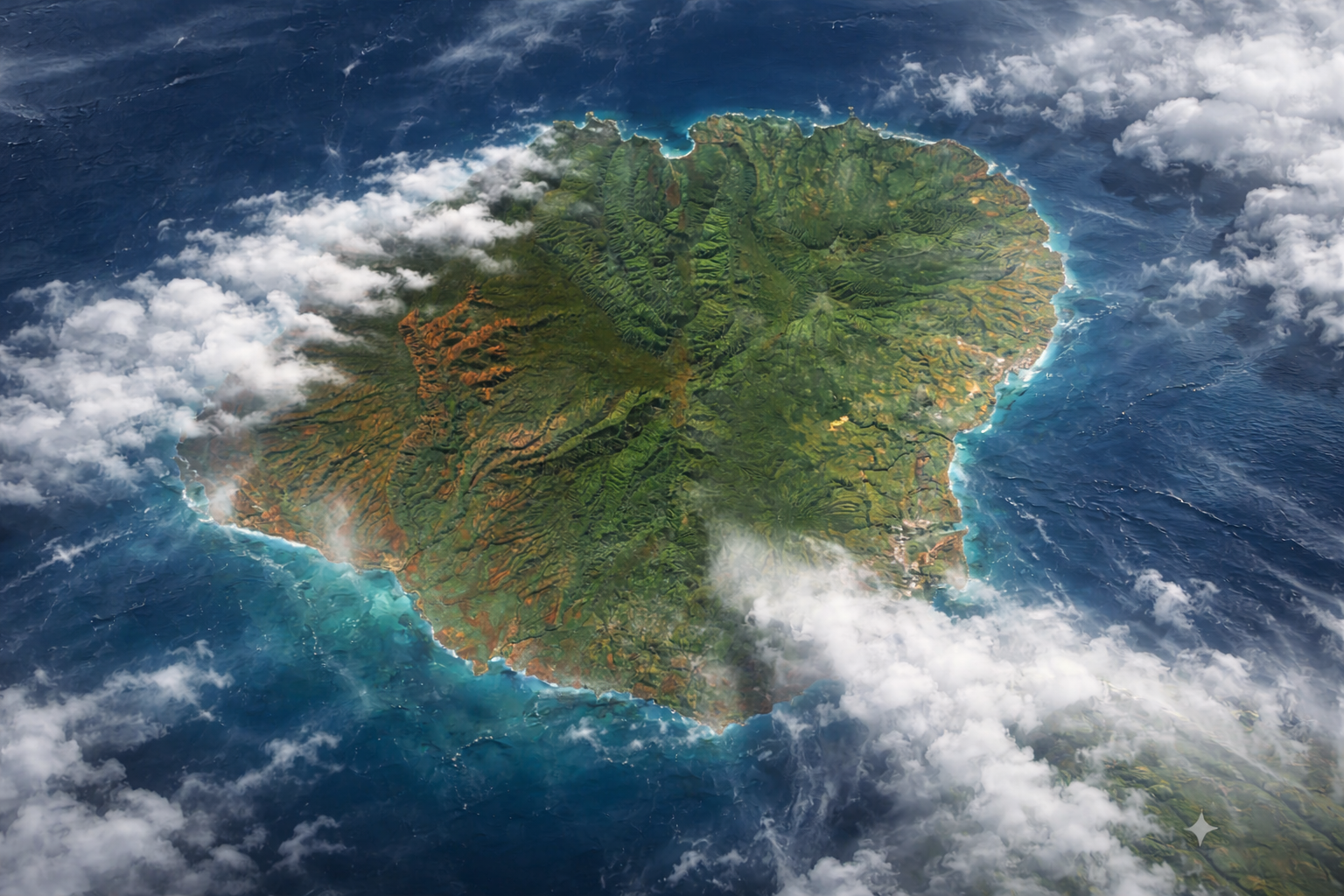 ToolCompare island weather by region
See how rain, wind, and conditions vary around the island before you choose your day plan.
Useful planning tool BlogHow to Pivot Your Maui Trip When It Rains
Use Maui’s microclimates to your advantage with smart rainy-day swaps, from changing coasts to delaying Hāna and choosing plans that still feel worth the day.
Editor's pick