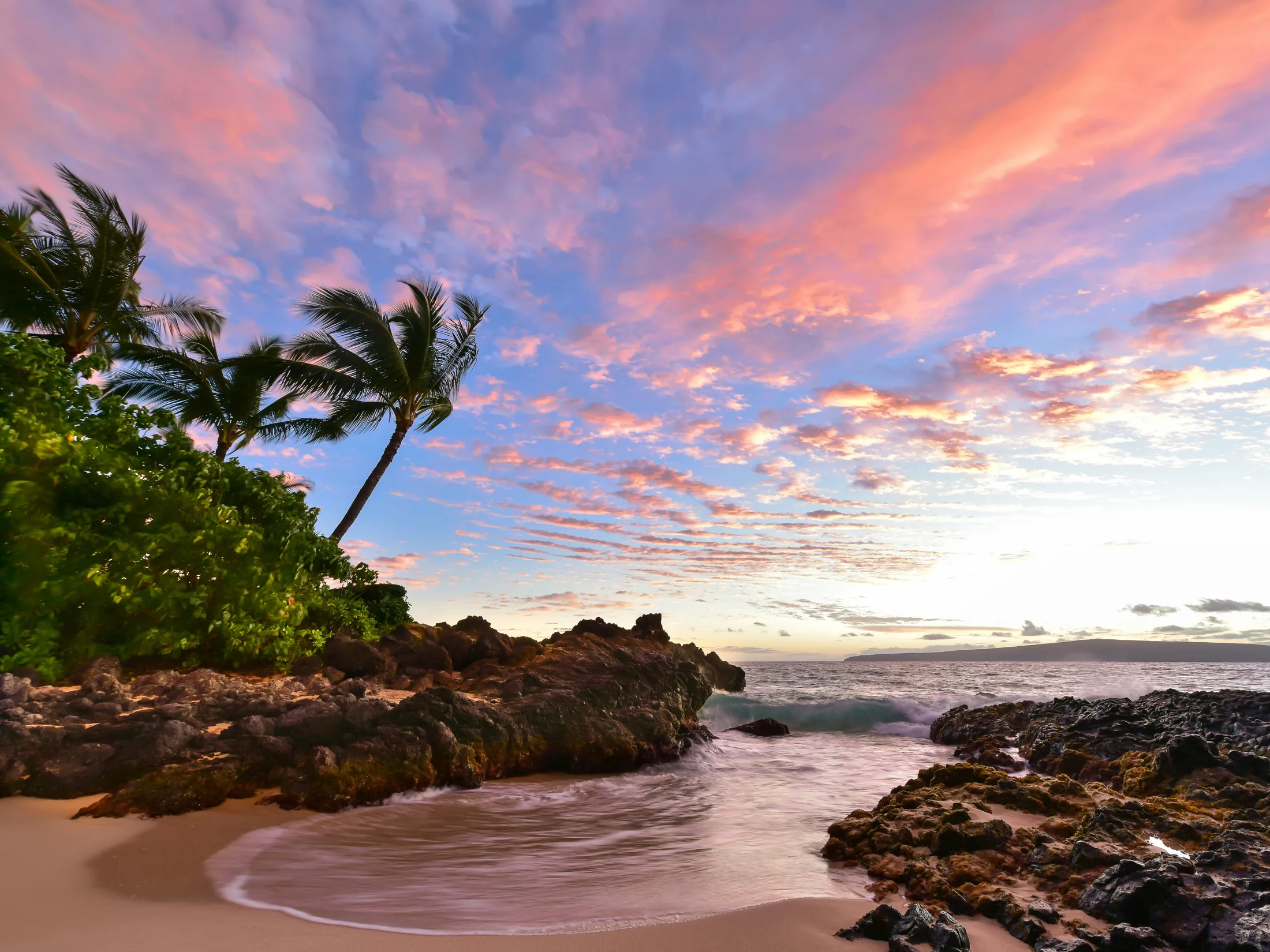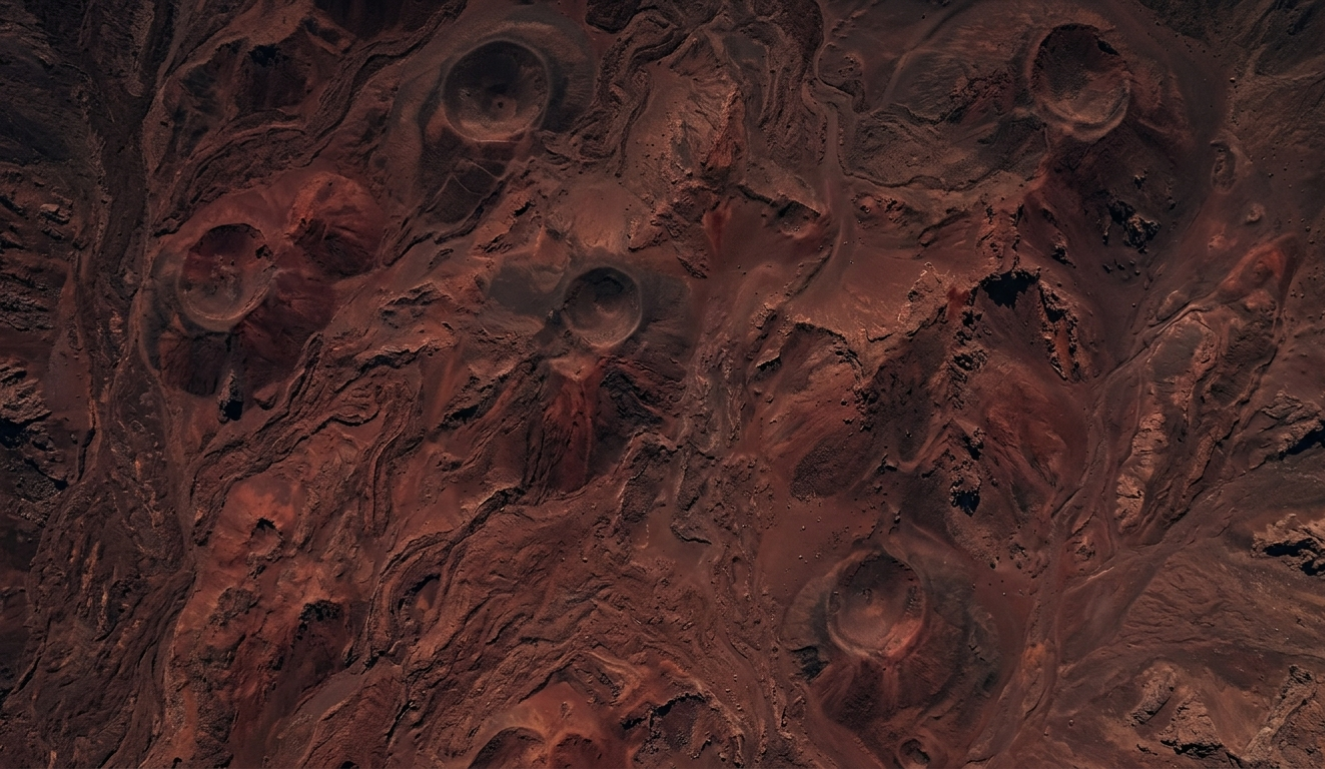


Maui rewards hikers who pay attention.
Not just to views, but to texture: lava rock underfoot near the coast, cloud shadows moving across Haleakalā, slick red dirt after rain, the sudden shift from dry scrub to dripping forest along the windward side. A morning walk on a leeward coastal trail asks for different judgment than a day in Haleakalā National Park or a muddy ridge above Central Maui.
That is why hiking pono on Maui is less about memorizing rules and more about reading the place well. The Hawaiian word pono is often used to describe a way of being in balance — with people, land, and community. On the trail, that can be simple: choose legal access, stay on the route, give space, clean your gear, and leave places as whole as you found them.
Done well, it does not make your hike feel smaller. It makes it feel more connected.
Maui trails are not interchangeable
Maui’s hiking areas sit in very different worlds.
On Haleakalā, you may be walking at high elevation in open volcanic terrain where weather, temperature, and exposure can shift quickly. In East Maui, rain, stream flow, narrow roads, and limited parking shape the experience as much as the trail itself. In West Maui, ridges and valleys can be steep, erosion-prone, and sensitive to access issues. Along the south and leeward coasts, trails often cross hot, dry lava fields where shade is limited and the landscape looks tougher than it is.
That variety is part of Maui’s appeal. It also means the right question is not “What is the best hike?” but “What is the right hike for today, in this place, under these conditions?”
Before you go, check who manages the trail. On Maui that may mean Hawaiʻi’s Nā Ala Hele trail program, State Parks, the National Park Service at Haleakalā, Maui County, or a private land manager. A trail name on a map app does not always mean public access is legal, open, or appropriate. When in doubt, choose the route with clear public information, posted access, and guidance from the managing agency.
Stay on the trail, especially when wandering looks harmless
Maui has landscapes that invite wandering. A lava field can look open. A ridge can look like it has a better line just off the path. A muddy trail can make the edge seem like the sensible option.
But small shortcuts add up quickly here. Cutting switchbacks loosens soil. Walking around mud widens the trail into surrounding vegetation. Following unofficial side paths can push hikers toward eroded slopes, cultural sites, or private property. In dry coastal areas, what looks like bare rock may include fragile plants or archaeological features that are easy to miss if you are moving casually.
If there is a maintained trail, use it. If the route disappears, stop and reassess rather than improvising a new one. If a sign, gate, rope, or closure notice says not to continue, treat that as part of the hike, not an inconvenience to beat.
Give cultural places room to remain themselves
Maui’s trails often pass through places with long histories: old footpaths, lava fields, coastal settlements, agricultural areas, burial landscapes, heiau, and wahi pana — storied places remembered through genealogy, tradition, and community knowledge.
Visitors do not need to become experts before taking a hike. But restraint matters. If you encounter stone platforms, walls, terraces, petroglyphs, offerings, or other cultural features, observe without climbing, sitting, rearranging, or touching. Do not stack rocks. Do not take stones, shells, plants, or artifacts. If an area feels intentionally set apart, let it be.
A good rule on Maui: the older something looks, the less it needs your help.
Photos are usually easy to take without stepping onto or into a site. Curiosity is welcome; handling is not. The goal is not to move through the landscape nervously, but to understand that scenery and history are not separate things here.
Trail courtesy is mostly pace, space, and sound
Maui trails can bring together local families, visiting hikers, trail runners, guides, birders, hunters in some areas, park staff, and residents using a familiar route before or after work. Most trail etiquette comes down to making the shared space feel easy.
Let uphill hikers keep their rhythm when the trail is narrow. Step aside where it is stable, not onto delicate vegetation. If someone is moving faster, let them pass when there is a safe place to do it. Keep voices reasonable when others are nearby, and skip the speaker. The natural soundscape is part of what people came for: wind in ironwood, water over rock, birds in the forest, the deep quiet of open volcanic ground.
At popular stops — overlooks, stream crossings, bamboo groves, crater viewpoints, waterfalls — take your time, but stay aware of how many people are waiting to enjoy the same small space.
Dogs deserve special mention. Some Maui trails allow them, some do not, and some protected areas have strict rules. If you are traveling with a dog, confirm the specific trail policy before you go and keep the dog leashed where allowed.
Clean boots are part of hiking well in Hawaiʻi
Biosecurity can sound technical, but for hikers it is practical: clean dirt, seeds, and plant material from your shoes and gear before and after hikes.
Hawaiʻi’s native ecosystems are vulnerable to invasive plants, pests, and pathogens that can hitchhike in mud or on gear. ʻŌhiʻa forests, in particular, are a major concern because of Rapid ʻŌhiʻa Death, a fungal disease that has affected Hawaiʻi’s native ʻōhiʻa trees. Hikers can help by not moving soil from one area to another.
On Maui, this matters because you may visit very different environments within a few days — a muddy windward trail, a high-elevation park, a dry coastal path, then a forested ridge. That is exactly how seeds and soil can travel.
Before a hike, knock dried mud from your shoes. Use boot brush stations where they are provided. After a hike, clean shoes, trekking poles, gaiters, packs, and anything else that touched soil or vegetation. If you hiked through mud, clean more thoroughly before wearing that gear somewhere else.
Maui weather is local, and trail conditions follow it
Maui weather is not one forecast. The island’s windward, leeward, upland, and summit areas can behave like different places on the same day. A sunny morning in Kīhei does not tell you much about a muddy trail in East Maui. Clouds over Haleakalā may mean a completely different hiking experience than the beach weather below.
Plan with that in mind. For windward or streamside hikes, recent rain matters more than whether it is raining at your hotel. For high-elevation hikes, bring layers even if the coast is warm. For dry coastal trails, start early when you can, carry water, and do not count on shade.
If the trail looks beyond your comfort level when you arrive, let it go. Maui has plenty of good days. There is no prize for forcing the wrong hike.
Be thoughtful at trailheads and roadside stops
Many Maui hikes begin before the trail does — on a narrow road, at a small parking area, near a residential neighborhood, or along a route where visitors are already stopping frequently.
Park only where it is clearly allowed. Do not block driveways, gates, mailboxes, farm roads, or emergency access. If a trailhead is full, circling a tiny road or inventing a parking space usually makes things worse. Choose another hike, return at a quieter time, or use a legal parking option farther away if one exists.
This is especially relevant on busy visitor routes, including parts of East Maui, where the road itself is part of daily life for residents. A good hiking day should not create a bad morning for someone trying to get home, work, school, or a delivery down the road.
Waterfalls, streams, and the temptation to push closer
Maui’s waterfall and stream hikes are beautiful, but they concentrate impact. People gather at the same banks, step onto the same wet rocks, and look for the same photo angles. That pressure changes places quickly.
Stay on established approaches. Avoid trampling streamside vegetation to make a new viewpoint. If a pool or falls area is crowded, give it time or move on. Do not use soaps, shampoos, or sunscreens in freshwater pools and streams. What feels like a small personal choice becomes less small when repeated all day by visitors.
And if water is rising, muddy, or moving harder than expected, do not treat the crossing as a dare. Maui streams can change character quickly after rain upslope. Waiting or turning around is just part of hiking in a wet island landscape.
What to carry without overpacking your vacation
Responsible hiking does not require expedition gear for every walk, but Maui does reward preparation. For most hikes, bring water, sun protection, a layer if you are going upland, shoes with real traction, and a way to carry out your trash. For longer or less developed trails, add snacks, a basic first-aid item or two, and navigation that does not depend entirely on cell service.
The best gear choice is often footwear. Flip-flops are fine for the beach; they are not a hiking plan. Maui’s surfaces can be sharp, slick, dusty, muddy, rooty, or all of the above in one outing. Shoes that can handle uneven ground make the day more relaxed.
Pack out everything you bring in, including fruit peels, tissues, and food scraps. “Natural” waste is still waste when it is left by hundreds of people in a place that did not produce it.
The real spirit of hiking pono on Maui
Pono hiking is not about being perfect. It is about being attentive.
It is choosing an official trail instead of a questionable shortcut. Brushing mud off your boots before the next hike. Lowering your voice when the forest goes quiet. Giving a cultural site distance. Parking in a way that does not make your adventure someone else’s problem. Turning around without drama when the weather, access, or trail condition says today is not the day.
The reward is not only a cleaner conscience. It is a better hike — one where you notice more, rush less, and leave with the sense that you were not just passing through Maui’s landscapes, but meeting them on better terms.

Further Reading
A few relevant next steps from Alakai Aloha.
 BlogMaui’s Hardest Hikes for Strong Adventurers
A Maui-focused guide to tough hikes, from Haleakalā crater endurance routes to exposed lava fields and muddy ridges, with practical safety and planning tips.
Editor's pick ActivityHaleakalā National Park
Explore Haleakalā National Park, encompassing the dormant volcano's summit for breathtaking sunrises, sunsets, and stargazing, alongside the lush Kīpahulu District's waterfalls and pools.
Editor's pick BlogMaui’s Quiet Hikes and Secluded Beaches
Find a calmer side of Maui with cool upcountry trails, less-crowded beaches, timing tips, and responsible ways to explore beyond the obvious stops.
Editor's pick BlogWhat to Do When a Maui Trail Is Closed
Use this Maui-specific Plan B framework to read closures, avoid risky substitutions, and find a safer scenic alternative by coast, summit, town, or weather zone.
Editor's pick