

On Maui, a hard hike can mean three very different things.
It can mean altitude: the strange, thin-air silence of Haleakalā, where the trail drops easily into the crater and makes you pay for every step back out. It can mean exposure: old lava, dry wind, and sun with nowhere to hide. Or it can mean mud and ridge weather, where a trail that looks reasonable at breakfast is slick and clouded-in by late morning.
That variety is what makes Maui so good for strong hikers. You do not need to chase the most dramatic-sounding route to have a serious day outside. The better question is: *what kind of difficult do you actually want?*
Start with Maui’s version of “hard”
Maui’s challenging hikes are not all long. A five-mile route over loose lava in full sun can feel more punishing than a longer forest trail. A crater hike that begins with an easy descent can turn into a slow, exposed climb at elevation. A ridge trail with big payoff views may be less about mileage and more about footing, mud, and timing.
The island also has sharp microclimates. Haleakalā can be cold, windy, and dry. South Maui lava fields can be hot and harsh even when the rest of the island feels breezy. West Maui ridges collect cloud and rain. For strong hikers, this is the fun part: Maui asks you to read the day, not just the map.
Haleakalā crater: the classic Maui endurance test
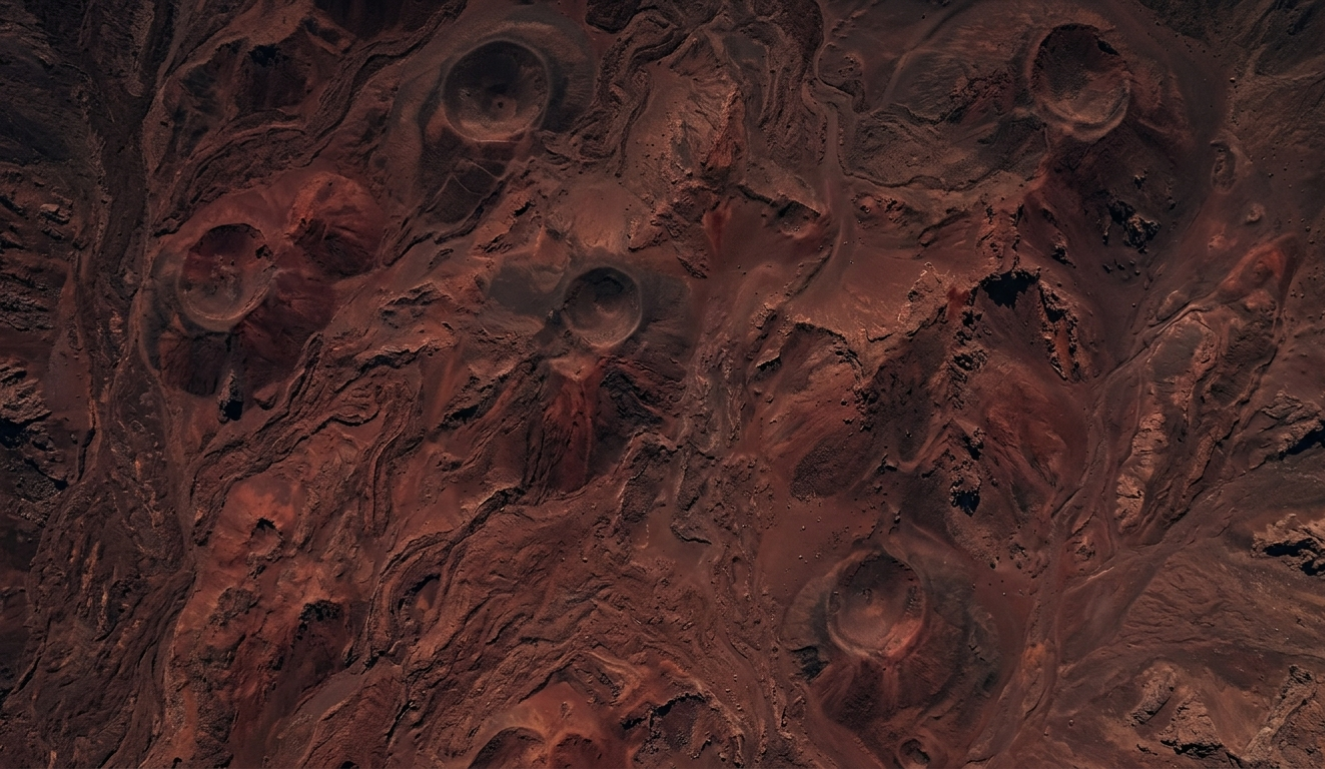
If there is one place where Maui feels unlike anywhere else in Hawaiʻi, it is the summit area of Haleakalā. The crater trails are wide open, quiet, and lunar in the least clichéd sense of the word: cinder cones, shifting light, long sightlines, and a scale that makes distance hard to judge.
The best-known serious route combines Keoneheʻeheʻe Trail, often called Sliding Sands, with Halemauʻu Trail. Hikers commonly approach it as a long day hike with a shuttle plan or as part of an overnight trip using designated park camping or cabin options. Either way, this is not a casual “let’s see how far we get” walk.
What makes it hard is the shape of the hike. From the summit side, you descend first. The air is thin, the grade feels friendly, and the scenery keeps pulling you farther in. Then the exit comes later, when you are tired, sun-exposed, and climbing at elevation. The Halemauʻu side adds its own drama, with switchbacks and big views into the crater and toward Maui’s north shore when the weather opens.
This is a wonderful choice if you want a big, memorable Maui hike without bushwhacking or route-finding games. The trails are established, the landscape is extraordinary, and the challenge is honest.
Bring real layers, even if you left your hotel in beach weather. Carry more water than you think you need. Do not count on shade. If you are planning anything overnight, use the official park process for current permits and camping or cabin logistics.
Kaupō Gap: for hikers who like logistics as much as mileage
Kaupō Gap has a different character. It is one of Maui’s great old-feeling routes: a long descent from the remote side of Haleakalā toward the island’s rural southeast flank, usually discussed by hikers who already understand that “point-to-point” is not just a detail.
The reward is not a single viewpoint. It is the unfolding of terrain: high crater country, open slopes, changing vegetation, and a feeling of moving through Maui rather than simply visiting a lookout. It can be magnificent. It can also be a poor choice if you have not solved transportation, timing, access, and weather before you start.
This is the kind of hike where the planning is part of the difficulty. You need to know where you are beginning, where you are ending, how you are getting back, and what current land-access or park guidance applies. You should also be comfortable with long stretches that feel remote.
Kaupō Gap is best for hikers who have already done big days, who are not rattled by sparse terrain, and who are willing to walk away from the idea if the logistics are messy. On Maui, good judgment often looks like choosing the route that fits the day you actually have.
Lahaina Pali Trail: short on shade, long on attitude
Lahaina Pali Trail is a reminder that mileage alone tells you very little. This old footpath crosses the dry, windy slopes between central and west Maui, with broad views over the ocean, the pali, and neighboring islands on clear days. It is steep, rocky, and exposed, and it can feel much hotter than expected.
The trail can be done in sections or as a longer traverse if you arrange transportation. Either way, the defining features are sun, wind, loose footing, and almost no shade. This is not the place to underestimate a “morning hike” because the distance looks manageable. Start early, bring water, and expect the trail to feel rugged rather than polished.
For many visitors, Lahaina Pali is a better hard hike than a more famous route because it fits into a Maui itinerary without requiring a full expedition. It gives you a strong workout, big coastal perspective, and a landscape that feels distinctly leeward Maui: dry grass, lava rock, trade winds, and open sky.
Hoapili Trail: lava-field difficulty near Keoneʻōʻio
The Hoapili Trail, often associated with the King’s Highway area near Keoneʻōʻio, also known as La Perouse Bay, is challenging in a way that surprises people. It is not a mountain climb. The difficulty is the surface and the exposure.
You walk over old lava with sharp, uneven footing. The sun reflects off dark rock. The coast is beautiful but unforgiving, and there is little shade. A short distance can take longer than expected because your feet are constantly working. Sturdy shoes matter here; this is not a place for flimsy sandals if you plan to go beyond a brief look around.
This route is best for hikers who want texture: lava, ocean, dryland plants, and a coastline that feels raw rather than manicured. Go early, keep your ambitions modest, and turn around while you still feel fresh. On this trail, the return trip is the same hot rock you already crossed.
Waiheʻe Ridge: the “depends on the weather” hard hike
Waiheʻe Ridge is not in the same endurance category as a full Haleakalā crater day, but it earns a place in Maui’s challenging-hike conversation because conditions can change the entire experience. When the weather cooperates, it is one of the most satisfying ridge hikes on the island: green slopes, deep valley views, and clouds moving fast across the West Maui Mountains.
When it is wet, the trail can be slick, muddy, and slow. When clouds settle in, the payoff may disappear. That does not make it a bad hike; it makes it a hike where timing matters.
For visitors who want a strong half-day rather than an all-day commitment, Waiheʻe Ridge can be an excellent choice. It has enough climb to feel earned, enough scenery to stay interesting, and enough popularity that it does not feel like a remote undertaking. The trick is to be flexible. If the ridge is socked in or the trail is a mud chute, save it for another morning instead of forcing it.
What about Pīpīwai Trail?
Pīpīwai Trail in the Kīpahulu area of Haleakalā National Park is often mentioned in Maui hiking conversations, and for good reason. It has bamboo, streamside greenery, and a waterfall destination that stays with people. But for fit hikers, it is usually more of a rewarding moderate hike than a true hard-hike objective.
That does not make it lesser. In fact, it may be exactly right if your Maui trip already includes long drives, ocean time, early mornings, and one or two bigger hiking days. Not every hike has to become a test.
How to choose your Maui hard hike
If you want the island’s most distinctive big-landscape experience, choose Haleakalā crater. It is the hike that feels most specific to Maui and least interchangeable with anywhere else.
If you want a serious route that demands planning, look into Kaupō Gap with care. It is for experienced hikers who enjoy logistics, distance, and remote terrain.
If you want heat, wind, climbing, and coastal views without spending the whole day in the national park, Lahaina Pali is a strong candidate.
If you want a rugged lava-coast walk where the challenge is footing and exposure rather than elevation, consider Hoapili Trail.
If you want a shorter but still physical ridge hike, watch the weather and aim for Waiheʻe Ridge on a clear morning.
The common thread is not toughness for its own sake. The best challenging hikes on Maui have a rhythm: start early, choose the right landscape for the day, keep your turnaround point honest, and leave enough energy to enjoy the evening after. A hard hike should sharpen the trip, not swallow it whole.
Maui rewards hikers who are ambitious without being stubborn. Pick well, and the island gives you a day that feels earned in the best way: tired legs, salt on your skin, red dirt on your shoes, and a clearer sense of where you are.

Further Reading
A few relevant next steps from Alakai Aloha.
 BlogA Pono Guide to Hiking Maui’s Wild Trails
Learn how to choose legal trails, read Maui’s changing conditions, respect cultural places, and care for fragile coast, forest, and Haleakalā landscapes.
Editor's pick GuideBest Hikes on Maui: from Easy Walks to Epic Summits
A guide to best hikes on Maui.
Editor's pick ActivityHalemauʻu Trail
The Halemauʻu Trail offers a challenging hike into Haleakalā crater with dramatic volcanic landscapes and unique endemic plants, ideal for adventurous, fit travelers.
Editor's pick ActivityHaleakalā National Park
Explore Haleakalā National Park, encompassing the dormant volcano's summit for breathtaking sunrises, sunsets, and stargazing, alongside the lush Kīpahulu District's waterfalls and pools.
Editor's pick