

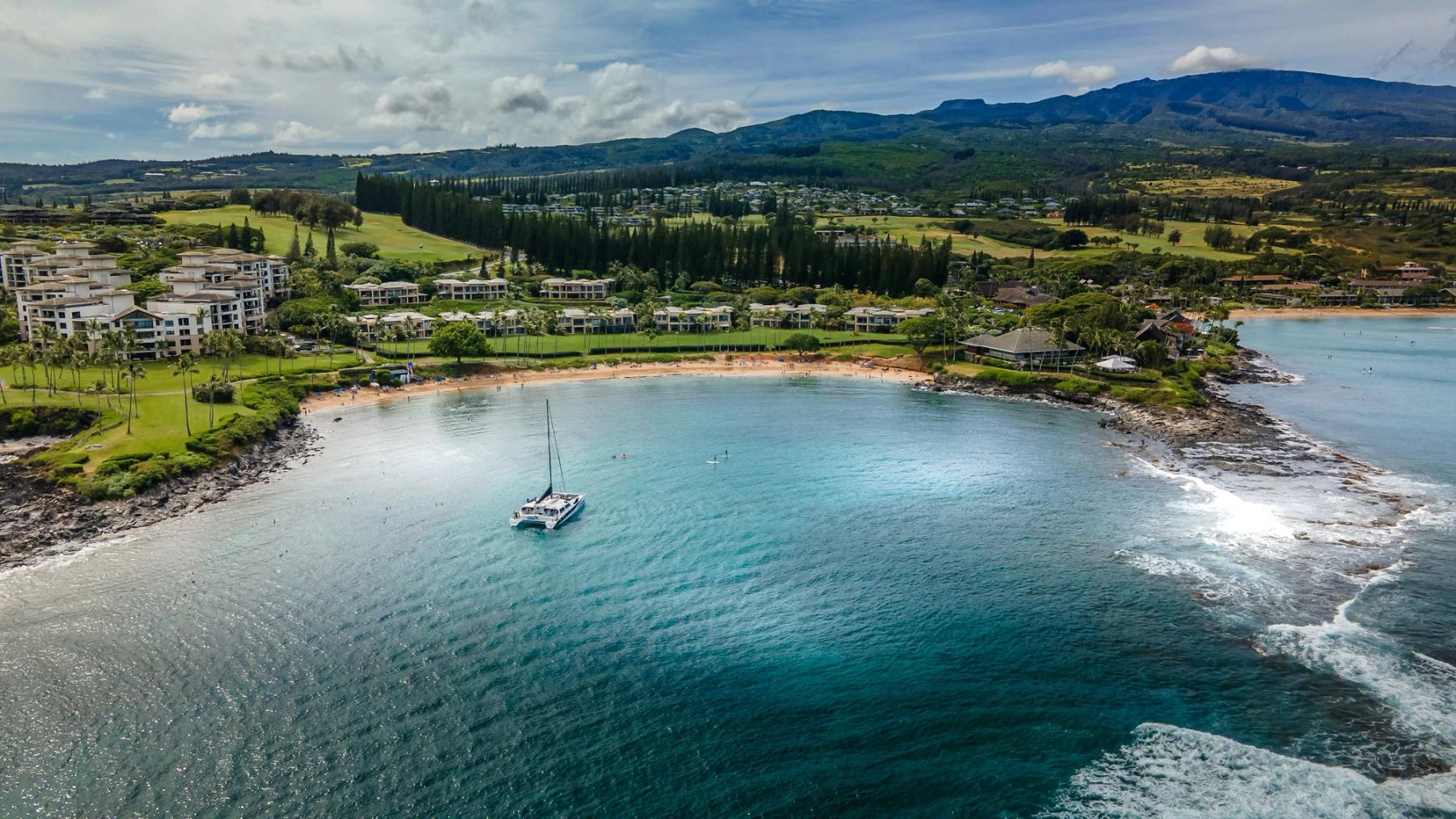
West Maui
Maui’s west-side beach corridor, from Lāhainā and Kāʻanapali up to Kapalua.
West Maui is a sun-facing coastline of long beaches, resort neighborhoods, and quick hops between distinct hubs. Kāʻanapali supplies the walkable resort core around Whalers Village; Kapalua feels greener and more spread out; Lāhainā remains the key reference point for orientation and services; and Olowalu is a quieter shoreline stop where the reef and views do the talking.
Best For
- Beach-forward resort days
- Swimming and snorkeling coves
- Sunsets and ocean views
- Easy dining-and-stroll evenings
- Short drives between hubs
Trade-offs
- Traffic at peak times
- High-demand, busy beaches
- Limited shade midday
- Fewer “town” moments
Logistics & Getting Around
West Maui works best with a car: distances are short, but the main road can bottleneck. Conditions change with wind and surf, so plan beach time with flexibility and keep an eye on ocean safety advisories.
Areas in West Maui
Kapalua
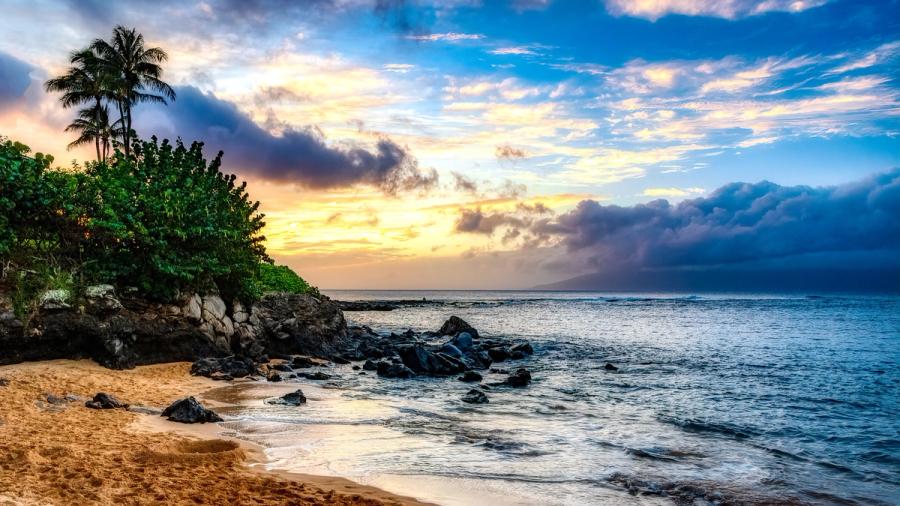
A laid-back northwest Maui shoreline of bays, resorts, and everyday beach neighborhoods.
Kāʻanapali
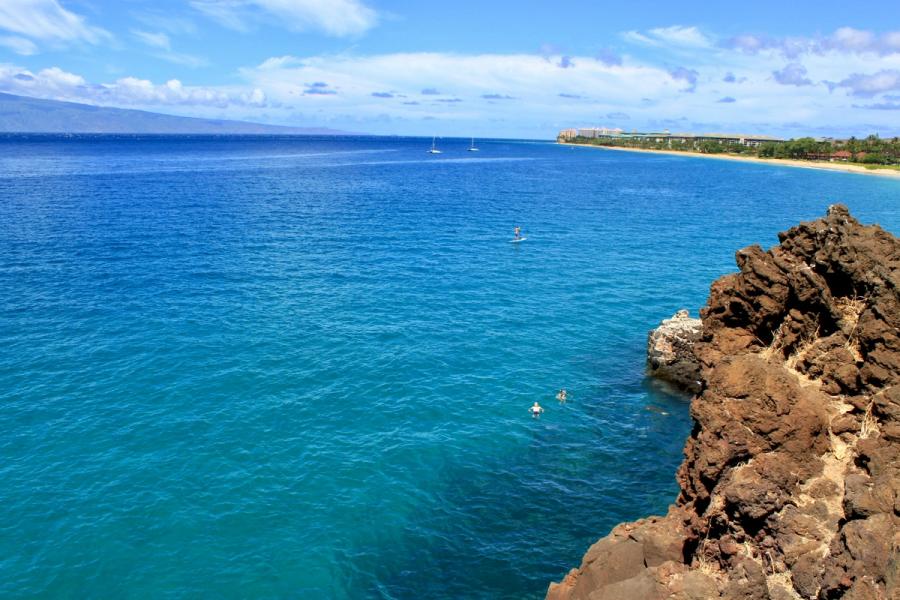
West Maui’s concentrated resort strip: long sandy beach, easy strolling, predictable conveniences.
Lāhainā
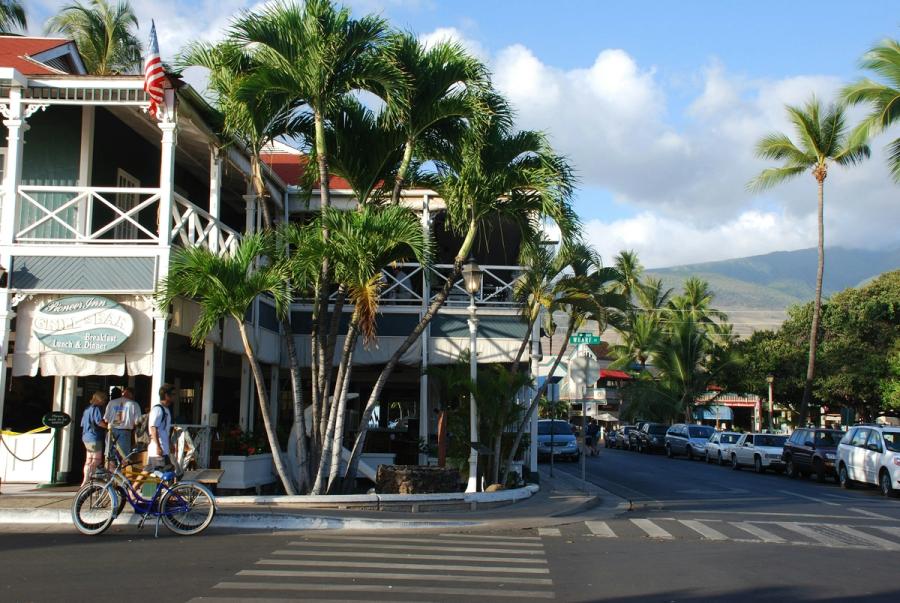
West Maui’s historic harbor town for strolling, meals, and ocean departures.
Olowalu
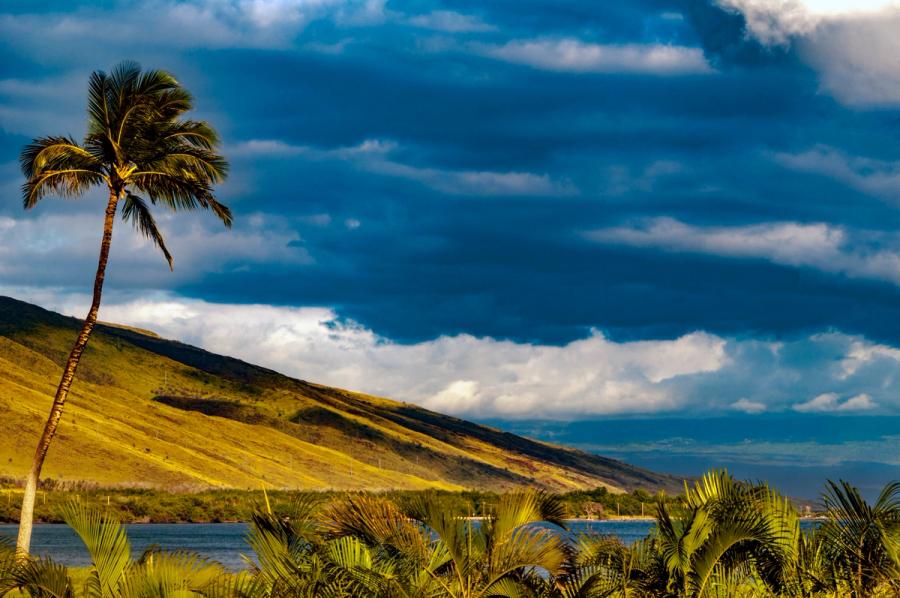
A quiet West Maui shoreline corridor of reef stops and wide-open views south of Lāhainā.
Signature Experiences in West Maui
The feel of West Maui
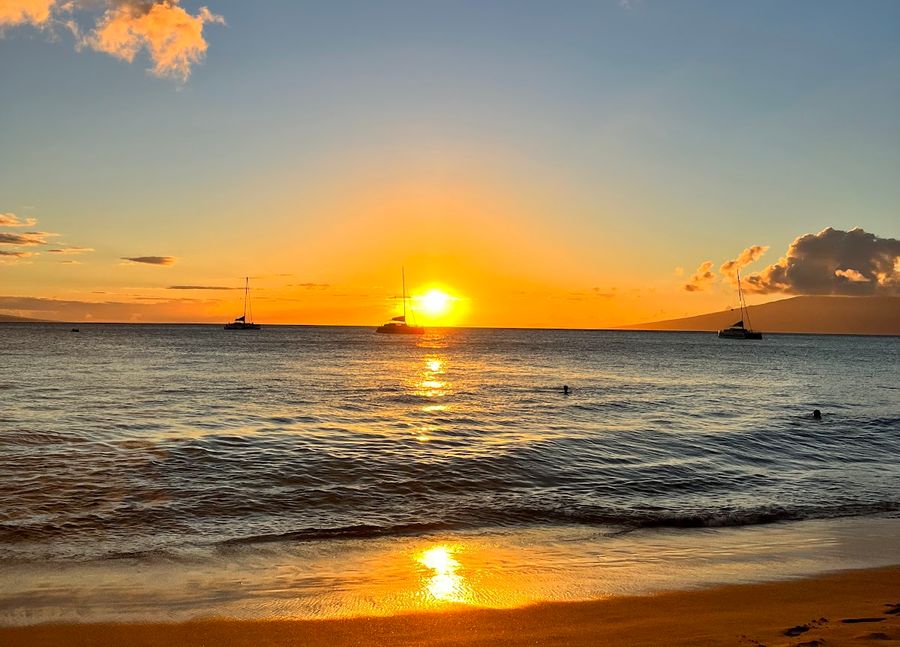
West Maui reads as a continuous coastal strip, but it’s easiest to understand as a set of neighboring hubs with slightly different personalities. The common thread is the west-facing shoreline: broad views, reliable sunsets, and a rhythm built around the water. Days tend to be simple—beach early, shade or a slower lunch midday, and a second round outside as the light softens.
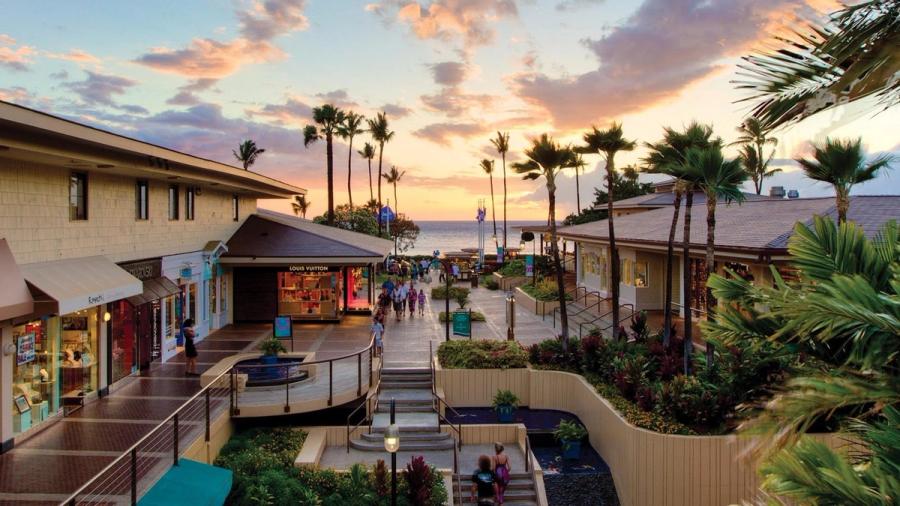
Kāʻanapali is the energetic center. It’s where the resort experience becomes most walkable, with a built-up beachfront and the commercial gravity of Whalers Village. The upside is convenience: you can string together beach time, casual shopping, and an easy dinner without thinking too hard about logistics. The tradeoff is that it can feel busy and curated, especially at popular access points.
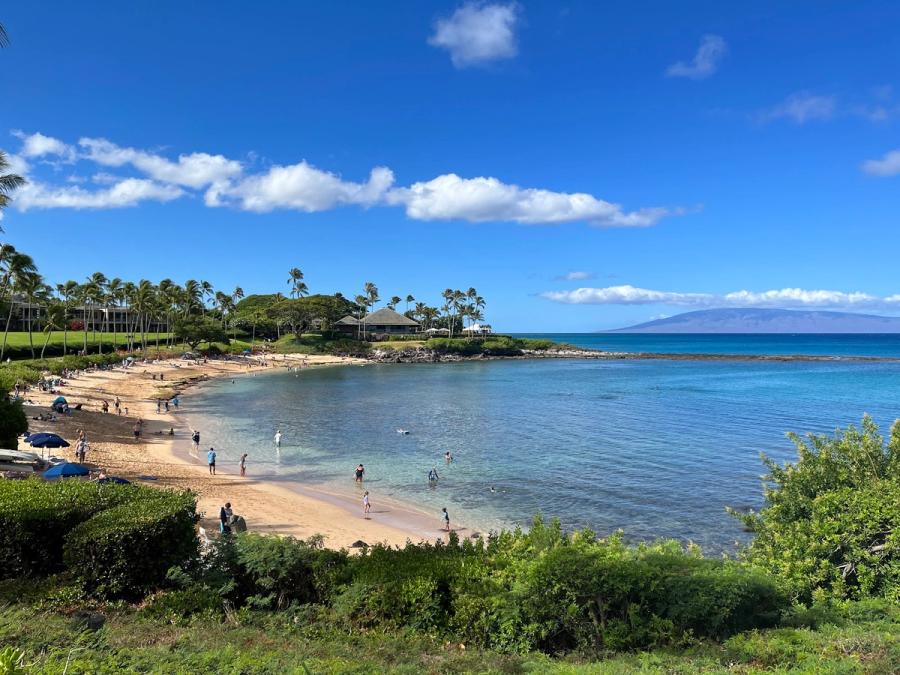
Kapalua, up the coast, feels more spacious and landscaped, with pockets of sand separated by lava points and greener slopes behind. It’s still resort-oriented, but the mood shifts toward quieter mornings and a little more breathing room. Lāhainā remains the name most visitors use to orient themselves on the west side—less a single “beach town” experience than a practical anchor for getting your bearings and connecting the pieces.
How people actually use the region
Most visitors don’t “tour” West Maui end-to-end each day; they settle into one node and roam in short bursts. That might mean spending a morning on a favorite stretch of sand, then driving ten or fifteen minutes for a different swim spot, a change of scenery, or an evening stroll.
Olowalu, on the south-west fringe, is the outlier in the best way. It’s not a town center; it’s a quieter, more open shoreline where the coastline itself is the destination. The Olowalu Reef / Mile Marker 14 coast is often experienced as a targeted stop—clear-water days for reef time, or simply a scenic pull-off with island-scale views.
What to expect day to day
West Maui can feel effortless when you align with its natural tempo. Start earlier to catch calmer water and easier parking, then leave room for weather and ocean conditions to make the call. Wind can pick up later in the day, and surf can change quickly around points and bays.
On the human side, expect a strong visitor presence and a service economy shaped by resorts. That brings reliable amenities and polished public-facing areas, but fewer spontaneous, lived-in “main street” moments than some travelers imagine. If you come for the beaches, sunsets, and the ability to keep plans simple, West Maui delivers—just be prepared to share the shoreline and to build a little patience into your drives.

Can't decide where to stay? Get personalized advice.
Custom recommendations built from the web's most comprehensive Kauai guide.