
Central Maui
Maui’s practical core—airport access, shopping, and the gateway to ʻĪao Valley.
Central Maui revolves around Kahului and Wailuku, the island’s working hub where most trips begin and end. Expect highways, shopping centers, local neighborhoods, and the everyday pace of government and commerce—not resort beaches. Visitors typically come for car-and-supply logistics, a quick cultural or town stop, and a short nature outing in ʻĪao Valley before heading elsewhere.
Best For
- Arrival and departure days
- Stocking up on supplies
- Quick town wandering
- ʻĪao Valley scenery
- Understanding island geography
Trade-offs
- Few beach hangouts
- Traffic at peak hours
- More functional than scenic
- Less vacation atmosphere
Logistics & Getting Around
Central Maui sits at the island’s main road junctions, so it’s easy to reach from most coasts. It’s best used for short, purpose-driven stops—errands, meals, and a valley visit—rather than as a slow, car-free base.
Areas in Central Maui
Signature Experiences in Central Maui
The Maui you actually use
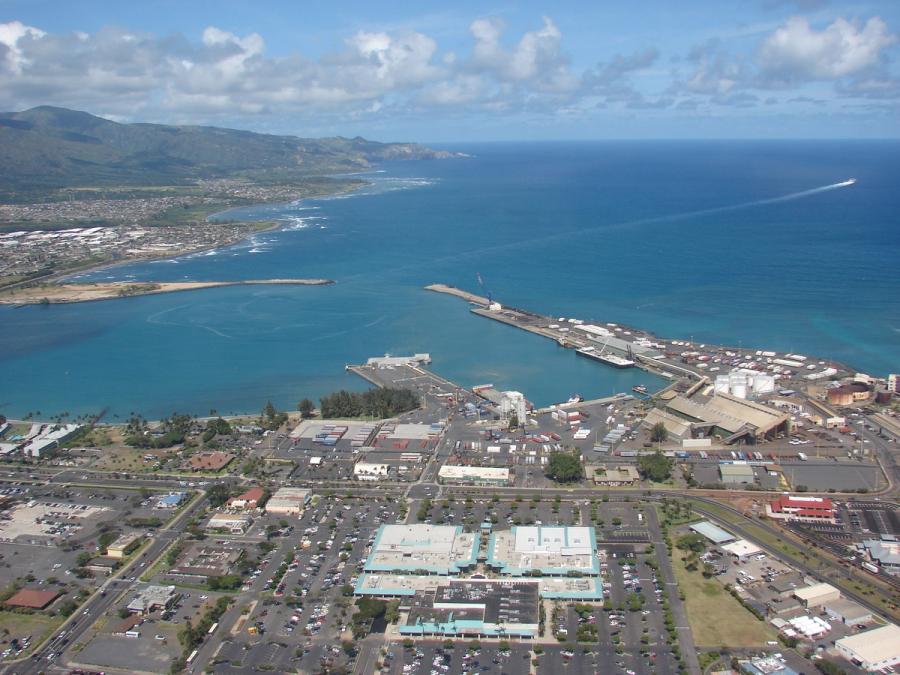
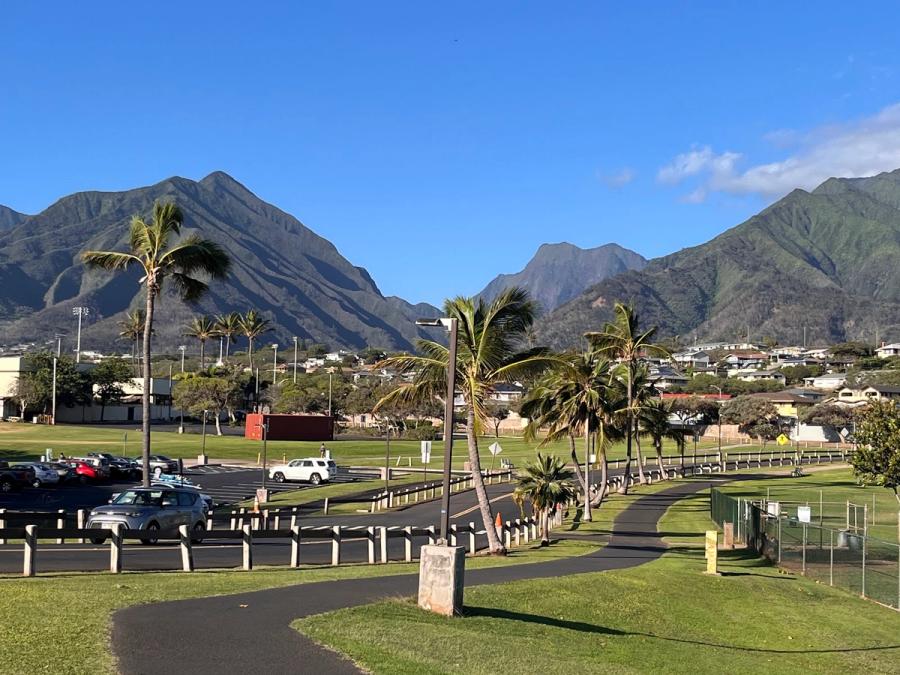
Central Maui is less about postcard beaches and more about how Maui works. Kahului is the island’s transportation and retail hub—where you land, pick up wheels, and find the practical stuff that doesn’t fit neatly into a resort itinerary. Wailuku, just west, feels older and more civic-minded: courthouse-and-offices energy, local restaurants, and pockets of small-town streets where daily life is the point rather than the performance.
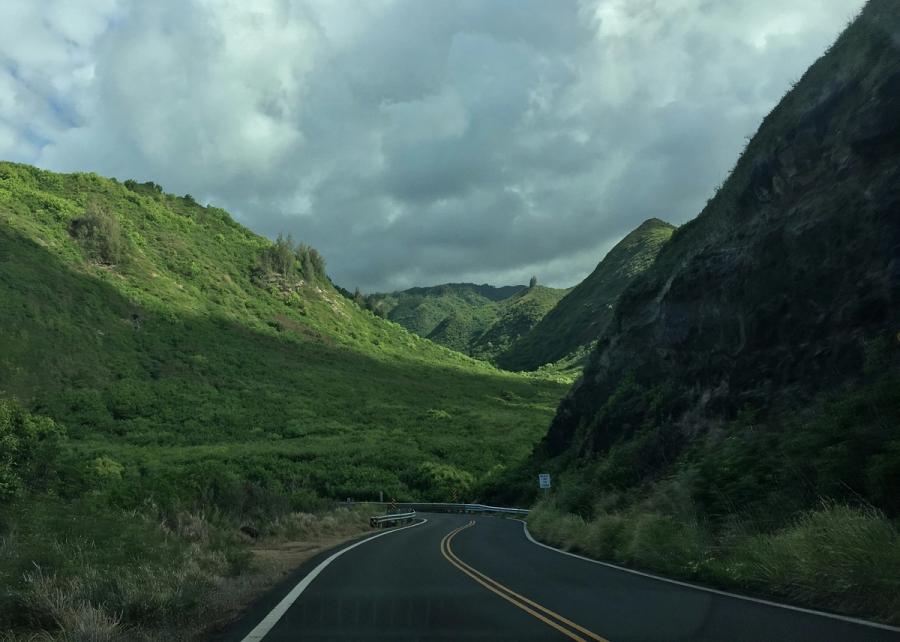
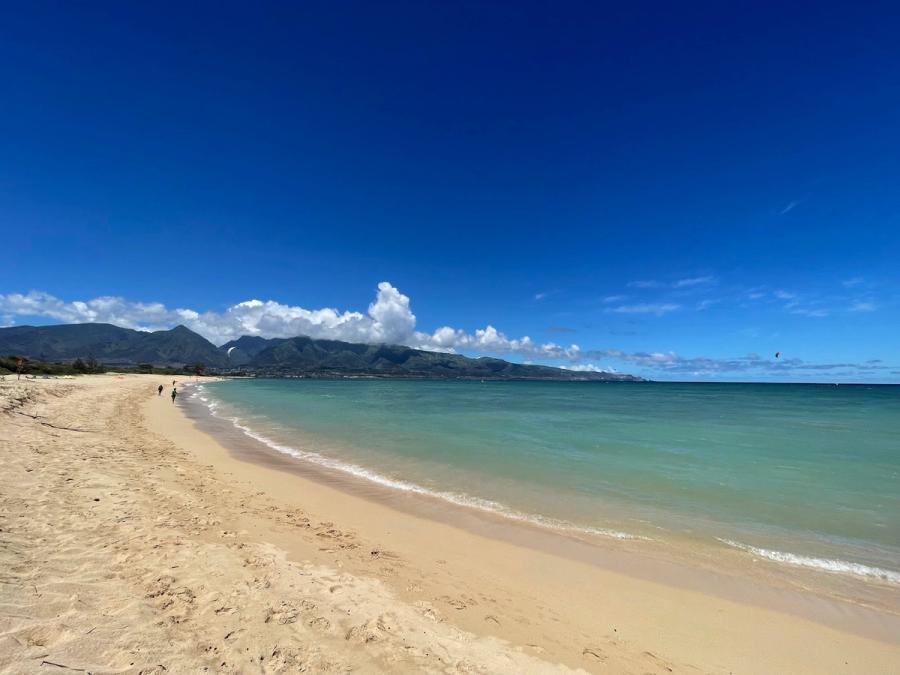
Because it’s the crossroads between South Maui, West Maui, Upcountry, the North Shore, and the road toward East Maui, Central Maui is often experienced in short bursts. Many visitors only really “see” it through a windshield—yet it’s also one of the best places to get oriented. The landscape shifts quickly from coastal flats to steep, green ridges, and the way roads converge here makes the rest of the island’s layout click.
What it feels like on the ground
Expect a working-town atmosphere: shopping centers, industrial pockets, school traffic, and locals running errands. It can feel plain compared to the resort zones, but that plainness is also the appeal—you’re seeing Maui without the vacation filter. Food and storefronts skew everyday and local, with more utility than ambience. If you’re looking for a slow beach day, this isn’t the place; if you want to understand the island beyond its shoreline, it’s a revealing stop.
The standout short visit: ʻĪao Valley
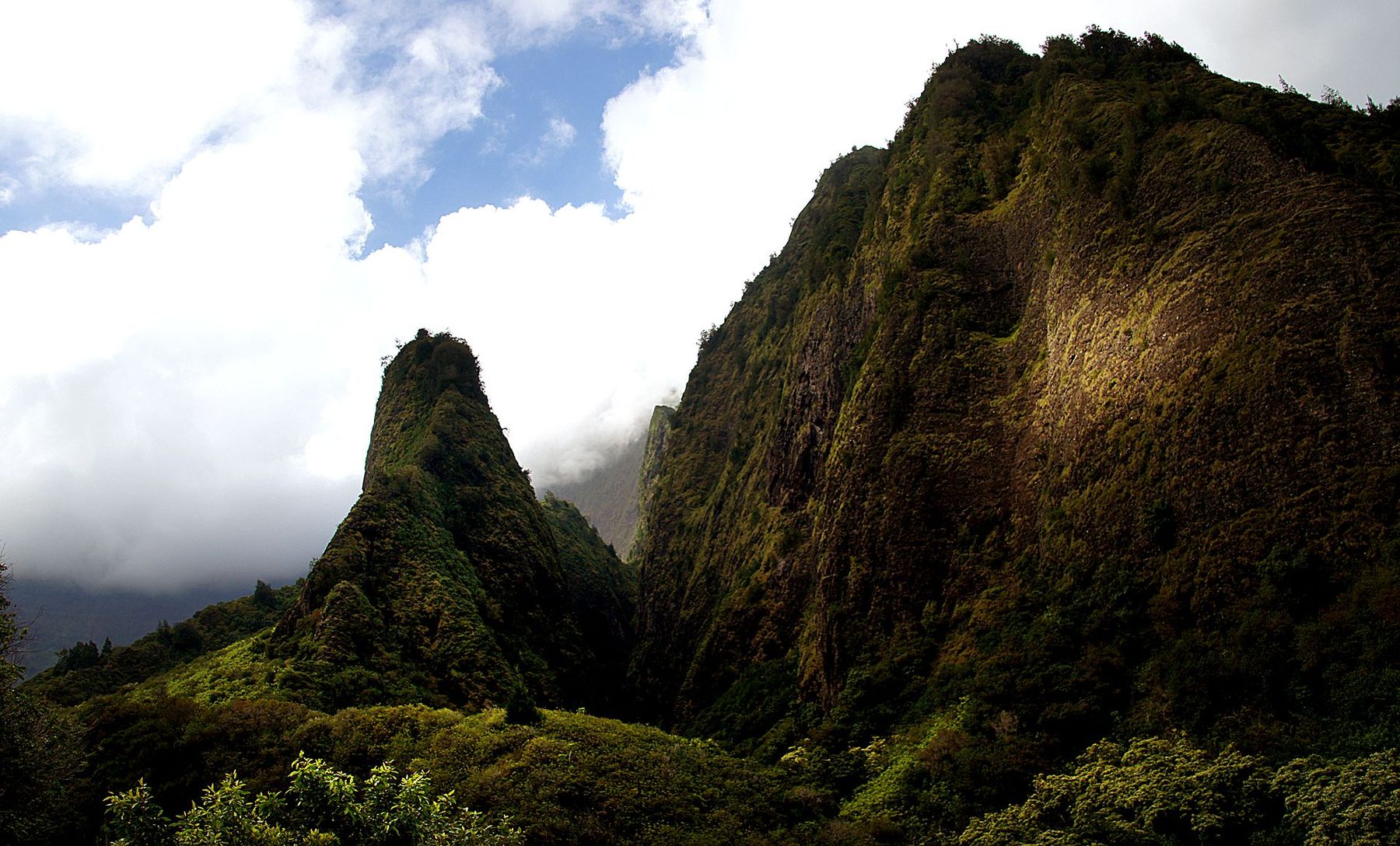
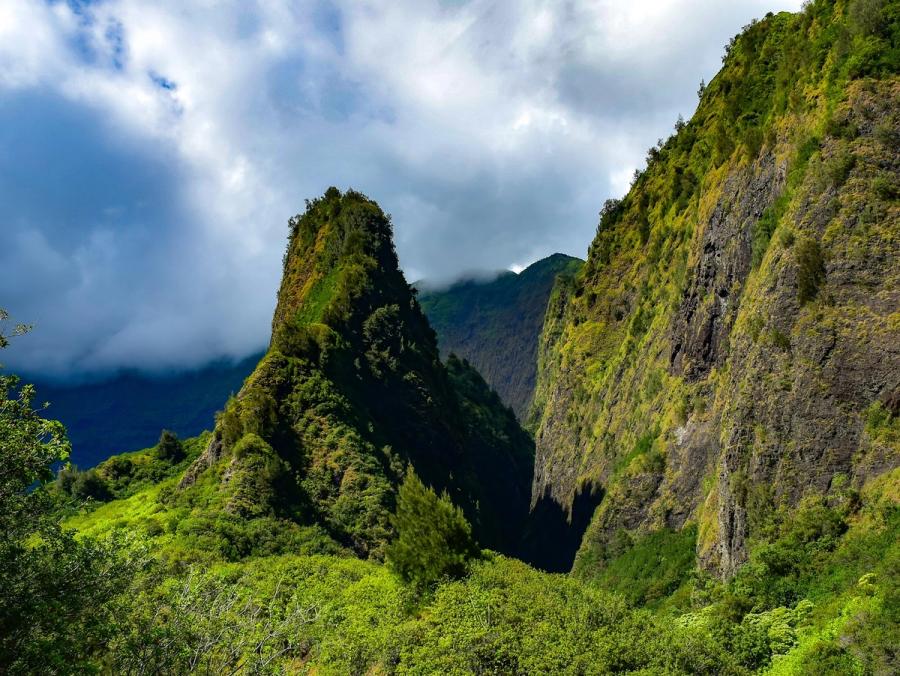
Wailuku is also the gateway to ʻĪao Valley, a dramatic, rain-green slice of West Maui’s mountains known for its steep walls and iconic needle-like rock formations. Even a brief visit gives you a strong sense of Maui’s interior: cooler air, dense vegetation, and a powerful, almost enclosed valley feel that contrasts sharply with the open coasts. It’s a natural pairing with a town lunch or an errand run—high impact without needing a full-day commitment.
How Central Maui fits into a trip
Think of Central Maui as your hinge: arrive, gather supplies, reset your bearings, then continue to the coast or the slopes. It’s also handy on the way out, when you’d rather not gamble on a long drive from a distant resort area right before a flight. The main tradeoff is that the area’s convenience comes with traffic, heat on the lowlands, and fewer places that invite lingering—so plan for it as a useful chapter, not the whole story.
Can't decide where to stay? Get personalized advice.
Custom recommendations built from the web's most comprehensive Kauai guide.