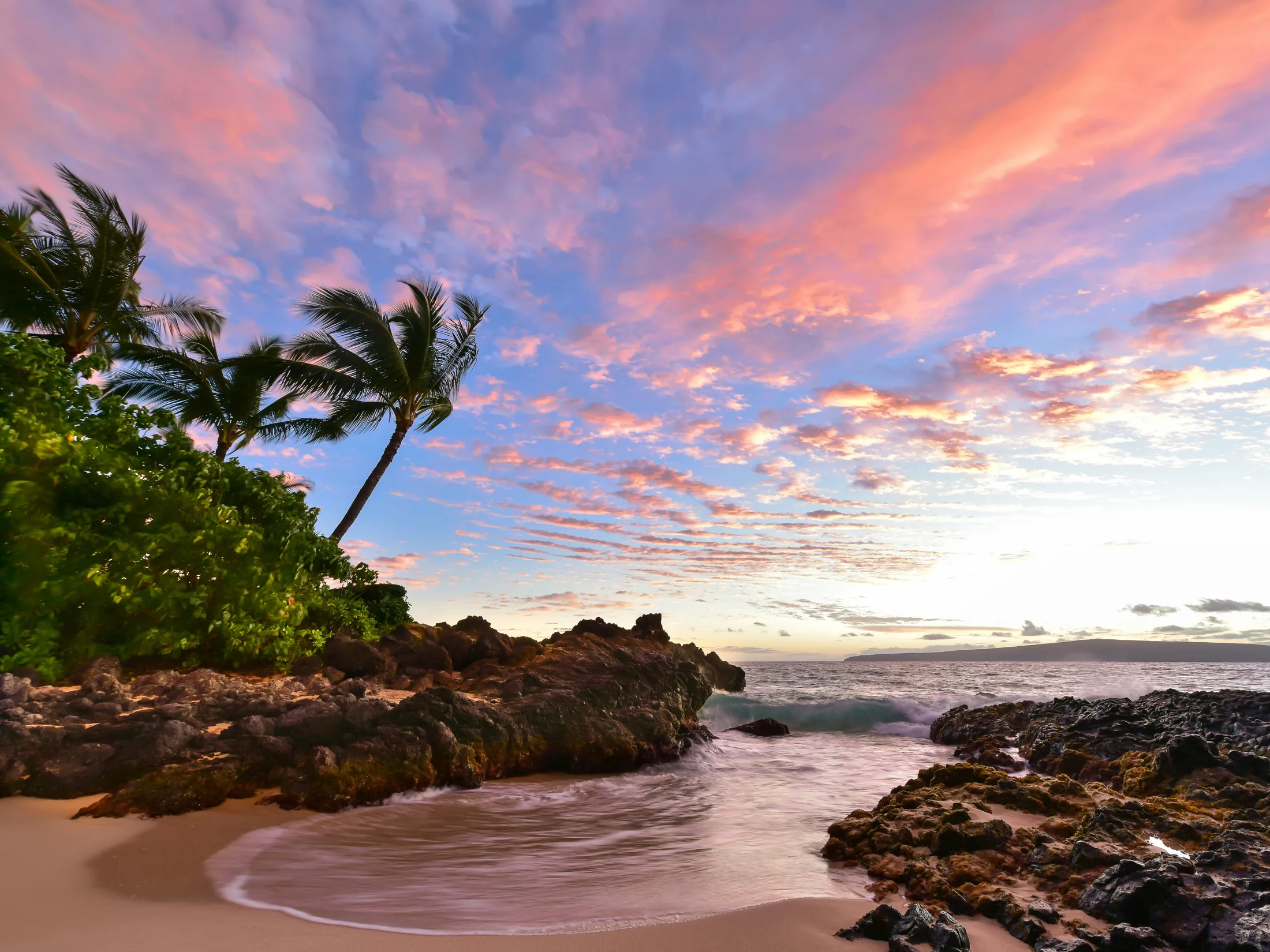


A closed trail on Maui can feel personal, especially if you built a whole day around it: sunrise layers packed, snacks bought, alarm set, rental car pointed toward the mountain or the coast. But on this island, a closure is often less a dead end than a nudge. Maui has enough elevation, coastline, dry lava fields, wet valleys, and small towns that a good Plan B can still feel like the day you meant to have—just with a different shape.
The trick is not to chase the same experience at all costs. If a ridge trail is muddy, another exposed ridge may not be the clever backup. If a road is closed after heavy rain, the best alternative is probably not “drive farther into the same weather.” Maui rewards the traveler who can read the island in broad strokes: windward versus leeward, summit versus sea level, long commitment versus easy exit.
First, understand the closure
Before you pick a substitute, take five minutes to learn what kind of closure you’re dealing with.
A trail may be closed because of:
Heavy rain, mud, flooding, or damaged tread High wind or poor visibility Rockfall, landslide, fire conditions, or road damage Parking or access limits Resource protection, cultural protection, or restoration work A reservation or permit issue rather than the trail itself
Check the official source for the place you planned to visit: Haleakalā National Park for park trails, Hawaiʻi state park sources for state-managed areas, Maui County updates for county roads and facilities, and the reservation portal if timed entry or advance booking is involved. Visitor centers and ranger stations can also help when you are already nearby.
A simple rule: if the closure is about weather or trail conditions, don’t look for the nearest “similar” hike. Look for a different environment.
Change one major variable
When a hike closes, change at least one of these:
Elevation. If Haleakalā is windy, wet, or clouded in, drop to Upcountry towns, a lower forest walk, or the coast. If the coast is hot and exposed, Upcountry may feel better.
Side of the island. Windward areas can be wet while South Maui is dry and bright. West Maui can have its own weather. The summit can be doing something entirely different from sea level.
Commitment level. A closed trail already cost you time and energy. Choose a backup with an easy exit: a shoreline path, lookout sequence, garden, town stop, or shorter walk.
Purpose. If you wanted a workout, choose a legal open trail with reliable access. If you wanted scenery, a drive-and-lookout day may satisfy you more than a muddy replacement hike.
If your Haleakalā summit hike is closed
Haleakalā is not just “a mountain hike.” It is a high-elevation environment, and conditions can change quickly. If you planned to hike into the crater on Keoneheʻeheʻe, often called Sliding Sands, or Halemauʻu, and access is closed or conditions are poor, resist the urge to replace it with a long exposed walk somewhere else just because you’re already dressed for hiking.
If the road and park areas are open, turn the day into a slower summit visit: short overlooks, interpretive stops, and time with the changing light and cloud layers. It is not the same as a crater hike, but it can still be a deeply Maui experience. Bring the jacket you already packed; the summit is often much colder than the beaches.
If the summit area is not a good option, pivot down the mountain. Upcountry is the natural release valve for a failed Haleakalā plan. Makawao gives you galleries, food, and a different pace from resort Maui. Kula offers open views, farms, and cooler air. If your original goal was sunrise or sunset, don’t let the missed spectacle ruin the day. Maui’s light changes beautifully from many elevations.
If your ʻĪao Valley or West Maui hike is closed
West Maui and Central Maui plans often revolve around lush valleys and ridges: ʻĪao Valley, Waiheʻe Ridge, coastal paths around Kapalua, or drives along the northwest coast. These places are close together on a map but not always interchangeable.
If a valley or ridge is closed because of rain, mud, or wind, choose a lower-commitment backup. ʻĪao Valley, when open and accessible, is more of a short scenic visit than a full hiking day, and it can be a graceful substitute for travelers who wanted green cliffs and stream-carved scenery without a long trail. Check access requirements before you drive there, especially if you are not a Hawaiʻi resident.
If you were aiming for a West Maui ridge hike and the weather looks marginal, a coastal walk may be better. The Kapalua Coastal Trail offers ocean views and an easier bailout than a muddy ridge. It works in fragments: a short stroll, a sit by the water, coffee or lunch nearby, then a decision about the rest of the day.
If conditions are truly wet across West Maui, pivot central. Māʻalaea can help salvage the day without committing to a remote road or slippery trail. The Maui Ocean Center is an easy indoor anchor, especially for families or anyone who has already had enough “adventure” by midmorning.
If your Road to Hāna or Kīpahulu-area hike is closed
This is the closure that can sting most, because the Road to Hāna is often treated as a full-day pilgrimage. If you planned around the Pīpīwai Trail in the Kīpahulu District of Haleakalā National Park, and the trail or access is closed, you have a choice: continue with a lighter Hāna day, or abandon the far-east commitment and reclaim your time elsewhere.
Both can be right.
If the road is open, the weather is reasonable, and you are already partway there, make the day about the journey rather than the one trail. Think small: a roadside view where stopping is legal, a beach pause, a town snack, a few minutes listening to rain in the trees. Avoid turning disappointment into a frantic checklist. East Maui is not improved by rushing.
If the closure is tied to heavy rain, flooding, or road conditions, the better Plan B may be to stay out of East Maui entirely. Paʻia, Hoʻokipa, and Upcountry can absorb a day beautifully if you want to stay on the north-shore side without driving deep into uncertain conditions. If the weather is broad and wet, go leeward: South Maui often gives you the best chance at a beach walk, lunch, and sunbreaks.
For any Hāna-area substitute, remember that some parks and sites require advance reservations or have specific access rules. Check before you drive an hour toward a locked gate or full lot.
If your South Maui lava-coast walk is closed
South Maui’s dry coastline feels like a different island from Hāna or ʻĪao: black lava, kiawe, bright water, long views toward Kahoʻolawe and Molokini. If you planned a walk near Mākena, La Perouse Bay, or the lava fields beyond, closures can happen for resource protection, road or parking issues, heat, fire conditions, or surf-related concerns.
The easiest pivot is to keep the coastline but reduce the commitment. A beach-to-beach stroll along the Wailea or Keawakapu side can still give you ocean, lava-rock edges, and wide horizon without sending you onto a remote, exposed trail. Early and late in the day are more pleasant than midday if the sun is strong.
If you wanted a wilder feel and the southern access is not working, consider whether you actually need a hike. A shaded lunch, a swim where conditions are calm, and a short shoreline walk may better match the day than forcing a hot replacement trail. South Maui is good at reminding visitors that “less ambitious” is sometimes the more luxurious choice.
If you missed the reservation or parking window
This one stings, but it is also the easiest to solve emotionally: stop treating it like a weather disaster. You do not need to replace the exact hike. You need to replace the feeling of the day.
Pick a backup with less administrative friction. Coastal paths, scenic lookouts, town walks, gardens, and beach time are all fair game. Save the original hike for another properly booked morning.
On Maui, driving farther is not always the answer. The island looks compact until you add winding roads, limited parking, changing weather, and the simple fatigue of vacation days that start too early. A good Plan B should lower the stress level, not prove your determination.
A few Maui backups by mood
If you wanted a real walk, look for an open trail or shoreline route with clear access, easy turnaround points, and conditions that match the day. Coastal paths in Kapalua, Wailea, and other resort-adjacent areas can be more satisfying than they sound.
If you wanted views, choose a lookout sequence or scenic drive rather than a replacement hike. Haleakalā, Upcountry, West Maui, and South Maui all have places where the view does most of the work, provided the road and access are open.
If you wanted green Maui, consider ʻĪao Valley when accessible, Upcountry gardens or farms, or a north-shore town-and-coast day. You may not get a waterfall hike, but you can still get mist, trees, and that soft Maui air that makes people go quiet for a minute.
If you wanted a family-friendly save, build the day around shorter stops: Maui Ocean Center, a calm beach window, a bakery or lunch stop, and one easy walk. Children usually recover from a closed trail faster than adults do.
Let the island revise the plan
A trail closure is annoying. There is no need to pretend otherwise. But Maui is especially good at giving you a second draft: summit to Upcountry, ridge to coast, Hāna to Paʻia, lava trail to beach walk, ambitious hike to long lunch with a view.
The best Plan B is not the one that most closely imitates your original hike. It is the one that fits the island as it is that day. Check the source, read the weather in broad strokes, change one major variable, and choose the version of Maui that is open to you.
That is still a good day. Often, it is the one you remember more clearly.

Further Reading
A few relevant next steps from Alakai Aloha.
 BlogMaui’s Best Adventures for Every Season
Plan Maui by season, coast, and time of day, from winter whale watching and leeward beach mornings to summer south shore swells and misty Upcountry escapes.
Editor's pick ActivityHaleakalā National Park
Explore Haleakalā National Park, encompassing the dormant volcano's summit for breathtaking sunrises, sunsets, and stargazing, alongside the lush Kīpahulu District's waterfalls and pools.
Editor's pick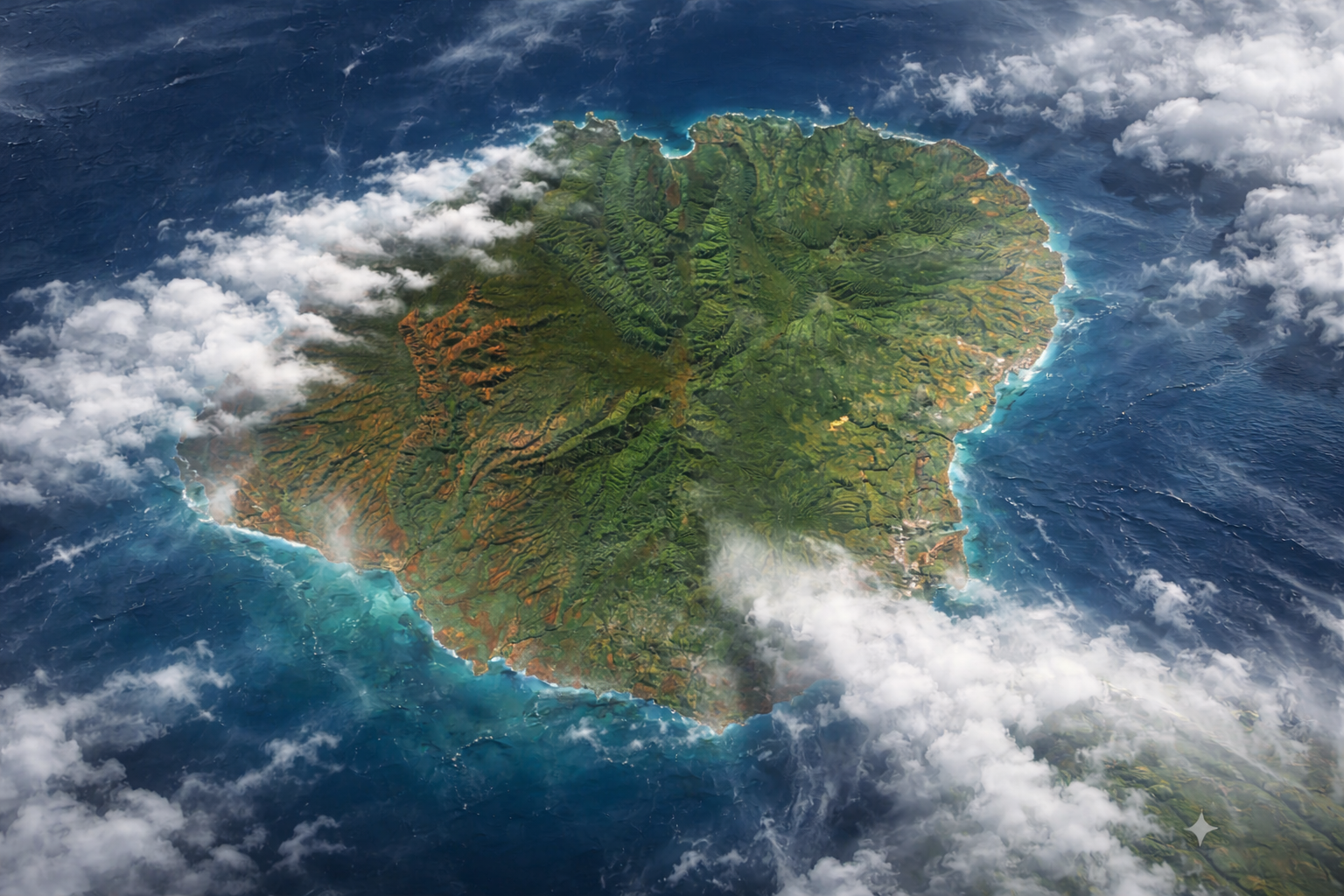 ToolCompare island weather by region
See how rain, wind, and conditions vary around the island before you choose your day plan.
Useful planning tool ActivityKapalua Coastal Trail
Explore the Kapalua Coastal Trail, a picturesque 3.5-mile oceanfront path on West Maui, offering stunning views, diverse terrain, and access to beautiful bays and beaches for an easy, family-friendly walk.
Editor's pick