

Haleakalā is one of the rare Maui experiences that asks you to set an alarm for the middle of the night and somehow still feels reasonable afterward.
Not effortless. Not casual. But reasonable.
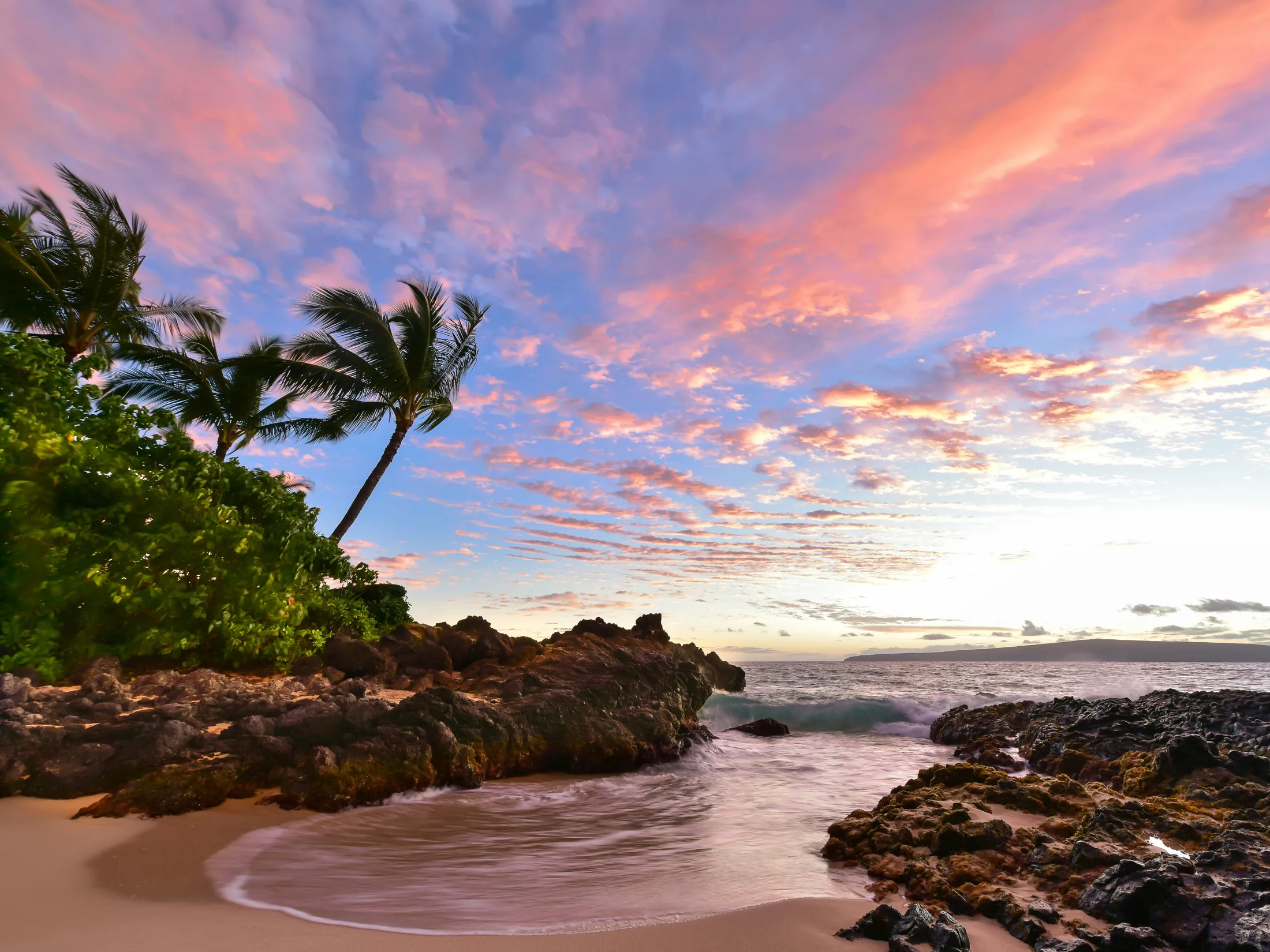
The summit sits above 10,000 feet, high enough that Maui’s usual beach logic stops working. Palms and warm sand fall away. The road climbs through ranchland, eucalyptus, open slopes, then into a colder, quieter world of cinder, silver light, and cloud. If the weather cooperates, sunrise from Haleakalā is less like watching the sun come up than watching the island reappear beneath you.
This guide is for deciding whether sunrise is worth the early start, how to do it without making your vacation miserable, and what to know if the summit itself is the real goal.
Sunrise, sunset, or daytime summit?
Sunrise gets the reputation for good reason. The pre-dawn summit can feel almost lunar, and the first color over the clouds is genuinely memorable. It is also the version that requires the most planning: a very early drive, cold conditions, and a sunrise reservation for entry during the park’s pre-dawn window.
But sunrise is not the only worthy way to experience Haleakalā.
Sunrise is best if you love big natural moments, don’t mind waking up absurdly early, and are willing to plan around reservations and weather. It pairs better with a light afternoon afterward than with a packed beach-and-dinner day.
Sunset is best if you want summit light without the 2 a.m. alarm. The colors can be beautiful, the descent happens in the dark, and you still need warm layers. Sunset also avoids the sunrise reservation requirement, though normal park entry still applies.
Daytime is best if you care more about the landscape than the drama. The crater views, high-elevation plants, short walks, and Upcountry drive are all easier to appreciate when you are awake. For many travelers, a late morning or afternoon summit visit is the more enjoyable choice.
There is no wrong answer here. There is only the version that matches your group’s patience, sleep habits, and appetite for cold wind.
Haleakalā sunrise reservations
Haleakalā National Park requires a reservation for private vehicles entering the summit district during the sunrise period. These reservations are separate from the park entrance fee and should be arranged in advance through the official reservation system.
Do not leave this detail to the night before. Sunrise is one of Maui’s most requested experiences, and reservations can disappear quickly during busy travel periods.
A few practical notes:
The reservation is for vehicle entry during the sunrise window, not for a guaranteed clear sunrise. You still need to pay or show valid park admission. Cell service can be unreliable as you climb, so have confirmation accessible offline. If you join a permitted tour, the operator typically handles the entry logistics.
Because rules can change, check the official Haleakalā National Park information before building your morning around it.
The drive
Most visitors begin the drive from South Maui, West Maui, or the North Shore. Wherever you start, the sunrise version means leaving in full darkness and giving yourself more time than you think you need.
The road to the summit is paved, but it climbs steadily through switchbacks and open high-country terrain. In daylight, it is one of Maui’s great drives. Before dawn, it is mostly headlights, patience, and the occasional reminder that you are gaining serious elevation.
If you are staying in Wailea, Kīhei, Kāʻanapali, or Kapalua, think of this as a half-day effort, not a quick detour. The summit may look close on a map, but Maui does not move in straight lines. Build in time for the climb, a slower descent, and breakfast somewhere in Upcountry afterward if you want the morning to feel complete rather than rushed.
For anyone prone to motion sickness, the return drive is often the harder part because you are awake enough to notice the curves. Keep snacks and water in the car, and avoid stacking the rest of the day too tightly.
What the summit feels like
The surprise is not just the height. It is the change in mood.
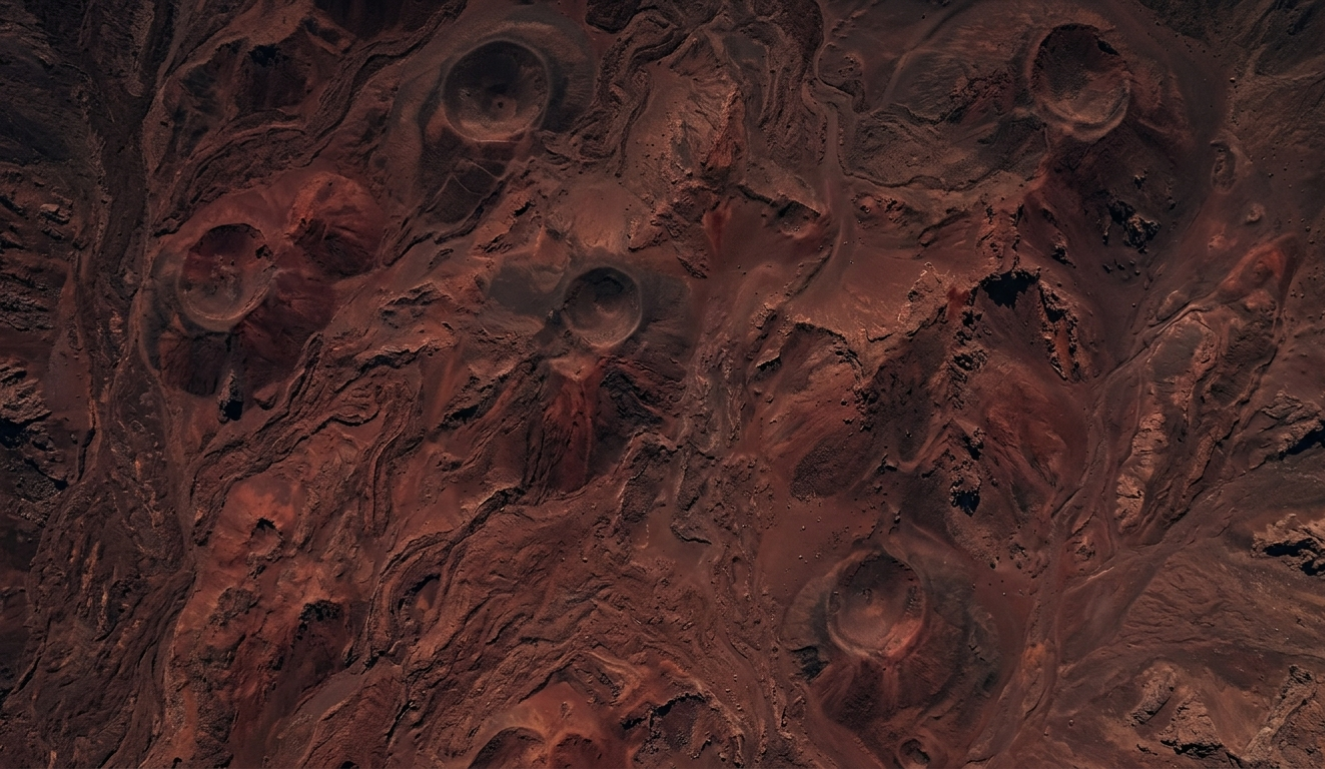
At sea level, Maui is textured with salt air, flowering trees, beach towels, music from passing cars. At the summit, the atmosphere thins out. Sound seems smaller. The ground is red, brown, black, and silver. Clouds move below you rather than above you. Even with other people nearby, the place can feel stark and private.
Travelers sometimes arrive expecting a single lookout. Haleakalā is more than that. There are viewpoints, short walks, and trailheads that reveal different angles of the summit landscape. You do not need to hike far to understand the place, but lingering a little helps. The summit rewards a slower eye.
Dress for the cold you do not believe in yet
Pack for a winter morning, even if you left your condo in shorts.
The summit can be cold, windy, and damp, especially before sunrise. The temperature difference from the coast is not a small adjustment; it can feel like a different trip entirely. A sweatshirt alone is often not enough.
Bring:
A warm jacket or insulated layer Long pants Closed-toe shoes A hat or beanie Something to sit on or wrap around your legs if you plan to wait outside Water and a simple snack
You do not need expedition gear. You do need more than beach clothes. The people having the best time at sunrise are usually the ones who look a little overdressed in the hotel parking lot.
A better sunrise rhythm
The classic mistake is treating sunrise like a photo appointment: arrive, shiver, take a picture, leave.
A better approach is to let the morning unfold. Arrive early enough to park and settle without rushing. Let your eyes adjust. The sky often begins changing well before the sun appears, with a pale band at the horizon, then rose, orange, gold, and gray-blue shadows inside the crater.
When the sun finally breaks, the actual moment can be quick. The more interesting part is often the half hour around it: the cold dark before, the first edge of light, then the way the landscape gains color afterward.
Stay a little after sunrise if the weather is decent. Many people leave as soon as the sun clears the horizon, which means the summit can feel calmer just as the views become easier to see.
Weather: the honest version
No guide can promise you a clear Haleakalā sunrise. The summit is high, exposed, and subject to fast-changing conditions. You may get a clean horizon, a sea of clouds, a partial reveal, or a gray morning with no big payoff.
That uncertainty is part of the bargain.
If a perfect sunrise is the only thing that would make the effort worthwhile, consider sunset or daytime instead. If you are open to the experience of being above the island before dawn, even an imperfect morning can still feel worthwhile.
The summit beyond sunrise
If you are already there, give Haleakalā a little more time.
The high-elevation landscape is not just a backdrop for sunrise. It is the heart of the experience. The basin’s cinder cones and ridgelines change constantly with the angle of the sun. What looked flat in darkness becomes layered and strange. Colors show up slowly: rust, charcoal, ochre, pale green.
Short viewpoints are enough for many visitors, but hikers may want to explore the summit trails. The Sliding Sands Trail is the famous route into the crater landscape, but it is easy to underestimate because the descent feels inviting and the return climbs at altitude. You do not need to go far for it to be memorable. Choose a turnaround point while you still feel fresh.
The elevation can make normal effort feel harder. Move slower than you would at sea level, drink water, and do not be embarrassed to keep your visit simple.
Tour or self-drive?
Driving yourself gives you flexibility. You can choose your pace, stay after sunrise, stop in Upcountry, and decide whether to explore more of the summit area.
A tour can make sense if no one in your group wants to handle the pre-dawn drive, if you prefer not to manage the reservation details, or if you want narration along the way. It may also be the better choice if you are unfamiliar with mountain driving in the dark.
The tradeoff is control. Tours run on a schedule. Self-driving asks more of you but lets the morning breathe.
Final judgment
Haleakalā sunrise is worth doing when you can give it the right shape: a secured reservation, warm clothes, realistic weather expectations, and a slow morning afterward. It is less rewarding when squeezed between a late dinner the night before and an ambitious beach day after.
The summit itself, though, is worth seeing in almost any light.
Sunrise is the spectacle, but Haleakalā is the place. The road, the cold air, the basin opening below you, the feeling of standing above Maui while the island wakes up—those are what stay with you. If you plan around that rather than chasing a perfect photo, Haleakalā has a way of meeting you generously.

Further Reading
A few relevant next steps from Alakai Aloha.
 BlogThe Most Beautiful Scenic Drives on Maui
Plan Maui road trips with more ease, from the Road to Hāna and Haleakalā to Upcountry, West Maui, and quiet coastal routes worth slowing down for.
Editor's pick GuideBest Hikes on Maui: from Easy Walks to Epic Summits
A guide to best hikes on Maui.
Editor's pick ActivityHaleakalā National Park
Explore Haleakalā National Park, encompassing the dormant volcano's summit for breathtaking sunrises, sunsets, and stargazing, alongside the lush Kīpahulu District's waterfalls and pools.
Editor's pick BlogA Pono Guide to Hiking Maui’s Wild Trails
Learn how to choose legal trails, read Maui’s changing conditions, respect cultural places, and care for fragile coast, forest, and Haleakalā landscapes.
Editor's pick