

Kapalua
A laid-back northwest Maui shoreline of bays, resorts, and everyday beach neighborhoods.
Good Fit For
- Calmer West Maui base
- Snorkel-friendly coves
- Coastal walks and views
- Resort-and-condo comfort
- Easy runs to Kāʻanapali
Trade-offs
- Spread-out, car-oriented
- Limited town-center feel
- Beach conditions vary seasonally
- Fewer late-night options
Logistics & Getting Around
Kapalua is a broad coastal strip rather than one center—expect short drives between bays, groceries, and meals. Traffic is usually light compared with busier West Maui hubs, but parking at popular beach access points can fill up.
Nearby Areas in West Maui
Signature Experiences in Kapalua
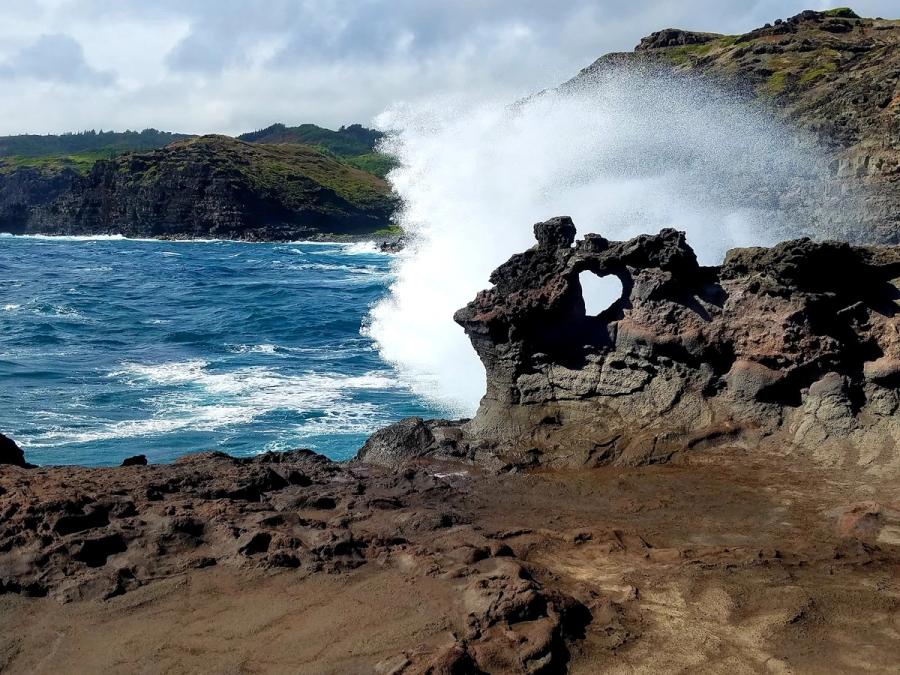
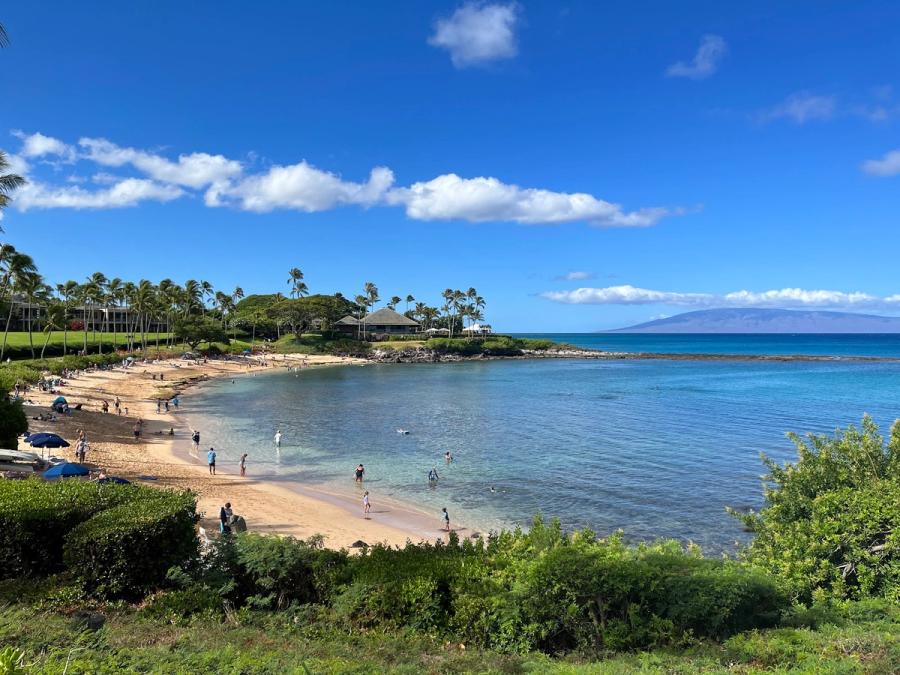
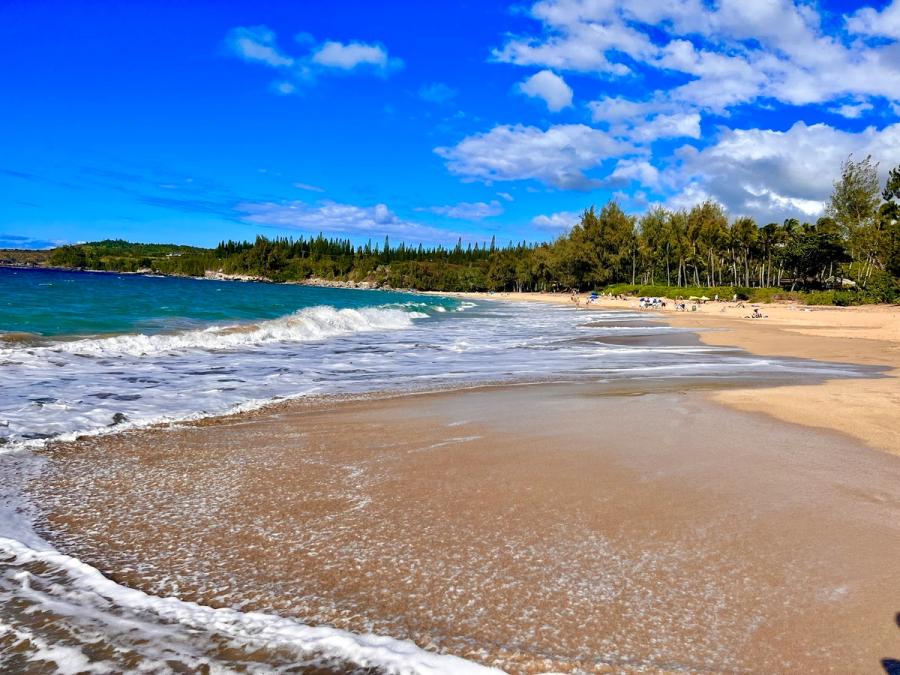


The feel: polished shoreline, not a town
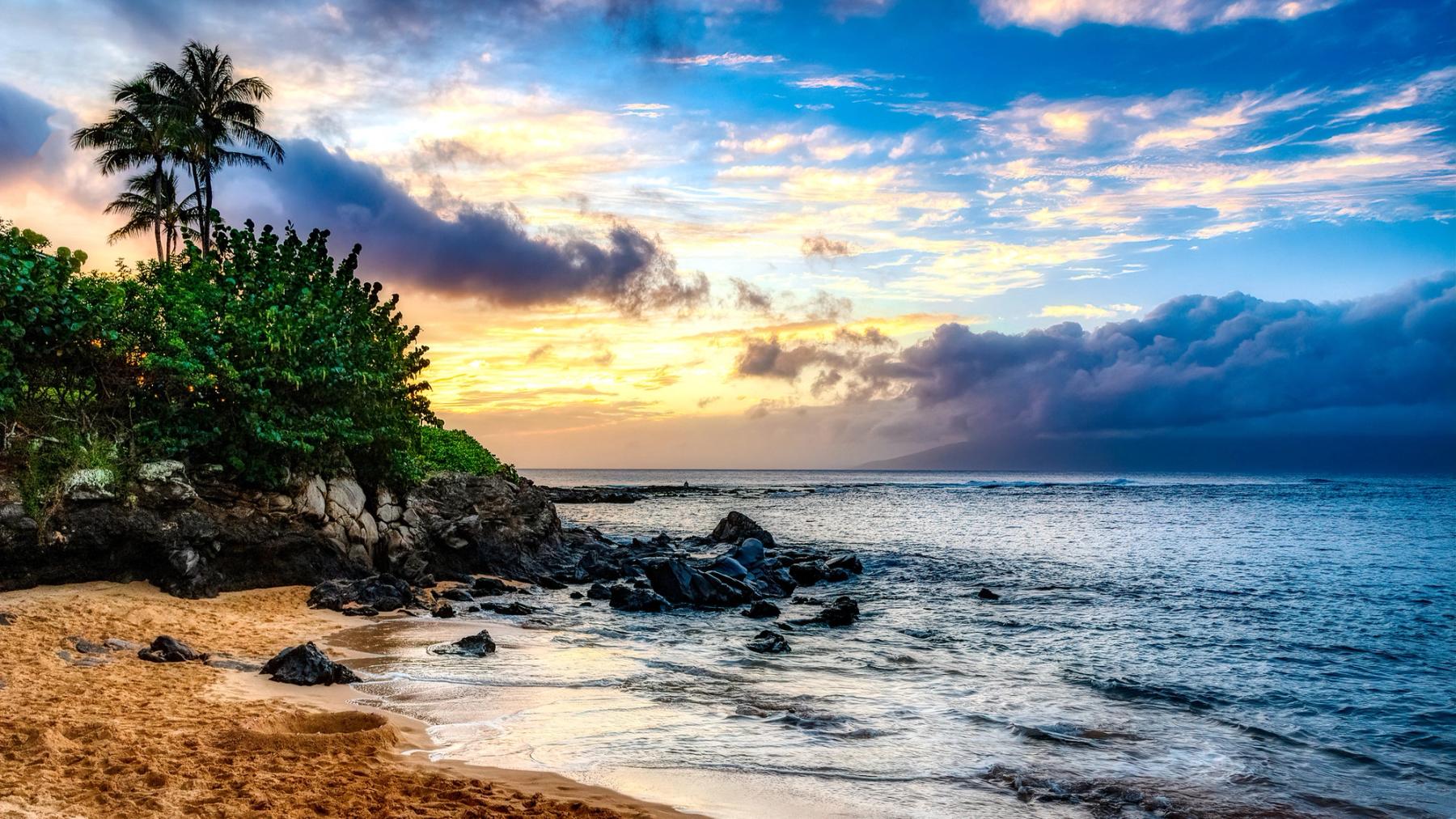
Kapalua on Maui is best understood as a northwest West Maui coastal zone—an umbrella that includes the Kapalua Resort core as well as nearby beach neighborhoods like Nāpili, Kahana, and Honokōwai. It’s green, carefully landscaped in places, and oriented to the water. Instead of a single main street, you get a sequence of distinct shoreline “stops”: a protected bay, a bigger open beach, a scenic point, a pocket of condos with a small cluster of services.
That layout shapes how people use the area. Mornings tend to start early and outdoors—walking a shoreline trail, grabbing coffee, then choosing a bay based on wind and swell. Afternoons often drift between pool-and-lanai downtime and a short drive south for more bustle.
Beaches: choose your bay, watch the ocean
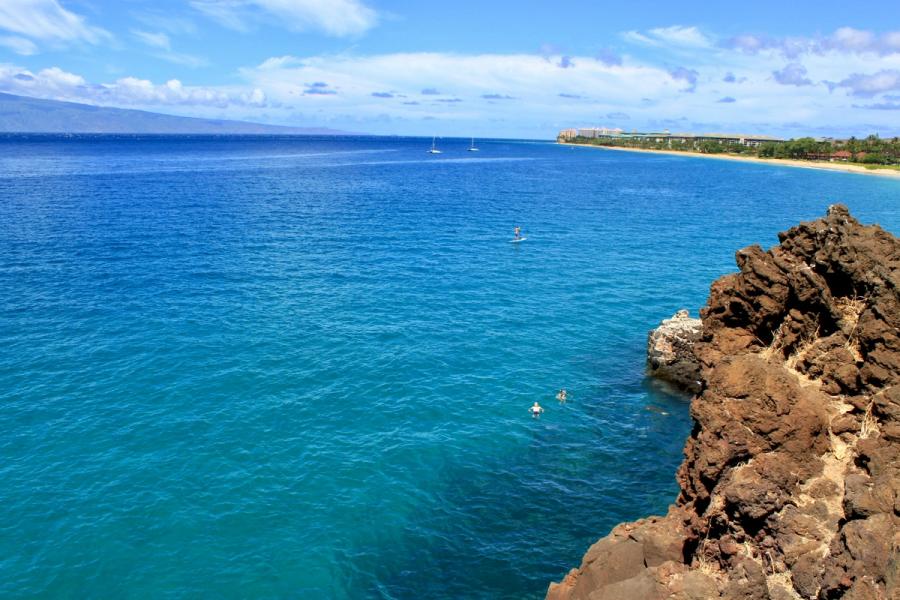
Kapalua’s reputation rests on variety. Some coves are naturally more sheltered and inviting for swimming and snorkeling when conditions cooperate; other beaches feel wider and more exposed, with more surf energy and stronger shorebreak at times. The Honolua side is known for dramatic coastal scenery and seasonal surf culture.
Because the coastline turns and pockets in and out, conditions can change quickly from one beach to the next. Trade winds, winter swells, and current can make a “calm” beach feel very different day to day—so it’s worth being flexible and picking your spot based on what you see from shore.
Day-to-day practicality
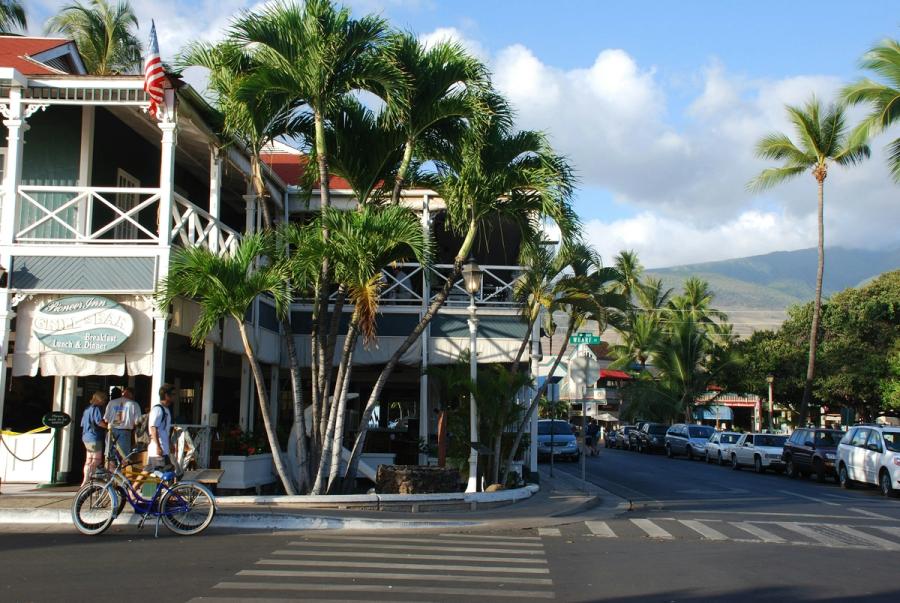
Dining and supplies exist, but they’re dispersed—more small centers than one concentrated strip. Even if you’re close to the ocean, you’ll usually want a car for groceries, dinner options, and hopping between beach access points. In exchange, Kapalua generally feels quieter and less compressed than Kāʻanapali, while still being close enough for an easy outing when you want bigger beach energy, more shopping, or a broader restaurant lineup.
Overnight-wise, this coast functions well as a comfortable base, especially for travelers who prefer a slower tempo and easy access to multiple beaches rather than a single, walk-everywhere resort strip.

Can't decide where to stay? Get personalized advice.
Custom recommendations built from the web's most comprehensive Kauai guide.