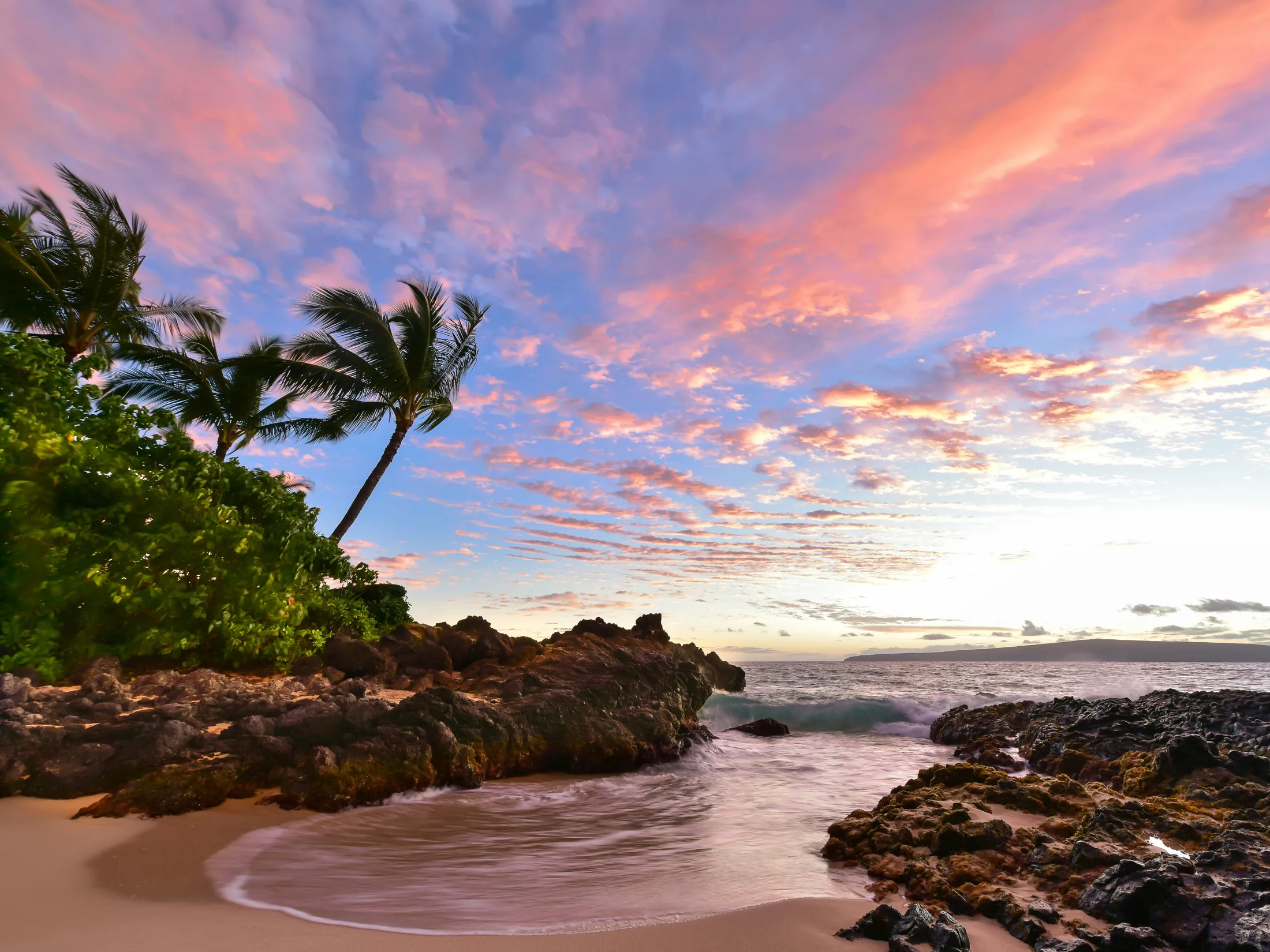


Maui rewards travelers who pick their month with a little intention. The island is small enough to cross in a day, but its seasons do not land evenly. A sunny afternoon in Wailea can happen while Hāna is rinsed in rain. A calm morning off Kāʻanapali can turn windy by lunch. Haleakalā can feel like another climate entirely.
So the “best” time to visit Maui depends less on finding one perfect month and more on matching the island’s rhythms to the trip you want: whales or snorkeling, quiet beaches or school-break energy, summit sunrises or long dinners after sunset.
For many travelers, the sweet spots are April, May, September, October, and early November. These months often bring a softer mix of weather, value, and breathing room. But winter has whales, summer has steadier beach days, and even the rainier months can be excellent if you choose the right side of the island.
Maui’s seasons, in plain English
Maui has two broad travel seasons:
Drier, warmer season: roughly April through October. Leeward South Maui and West Maui tend to be especially sunny, ocean conditions are often friendlier for swimming and snorkeling, and long beach days feel easy. Summer can be busier and more expensive because of family travel.
Cooler, wetter season: roughly November through March. Showers become more common, especially on windward and lush parts of the island. North shore surf gets more powerful. The tradeoff is one of Maui’s great seasonal gifts: humpback whales, especially in the protected waters between Maui, Lānaʻi, and Molokaʻi.
Microclimates matter. Kīhei, Wailea, Mākena, Kāʻanapali, and much of the leeward coast are usually your best bet for sun. Pāʻia, Haʻikū, and Hāna are greener and wetter. Upcountry Maui is cooler, especially mornings and evenings. Haleakalā summit can be genuinely cold at sunrise or sunset, even when the beaches are warm.
Best months for different Maui trips
If you want the cleanest overall balance, look at April, May, September, or October.
If you want whales, aim for January through March, with sightings often possible from winter into spring.
If you want a classic beach-and-snorkel vacation, May through September is usually the easier window, especially on leeward coasts.
If you want lower crowds and better value, consider late April to early June or September to early November, avoiding major holiday periods.
If Haleakalā sunrise is high on your list, any month can work, but pack for cold and wind. The summit does not care that you are on a tropical vacation.
January
January is deep winter on Maui: cooler mornings, more passing showers, and some of the year’s strongest surf on exposed north-facing shores. It is also prime whale season. Even if you never book a boat tour, you may find yourself pausing mid-conversation because someone spotted a blow offshore.
Costs and crowds can remain high in early January after the holidays, then settle later in the month. South Maui and leeward West Maui are practical bases if you want beach time; the north shore is better for watching skilled surfers than casual swimming when surf is up.
February
February is one of Maui’s strongest months for whale-focused travel. The ocean may not always be gentle, but the whale activity gives the island a particular charge. You hear people talking about sightings at breakfast, from beach paths, and on boats leaving Māʻalaea or West Maui.
Weather still leans winter: some rain, some wind, plenty of sun in the right pockets. South Maui is a steady choice for travelers who want to hedge toward dry days. February is not usually cheap, but it can feel less frantic than the holiday stretch.
March
March sits at the edge of winter and spring. Whales are still a major reason to come, while days gradually feel warmer and brighter. Spring break can bring a bump in families, airfare, and hotel rates, so this month depends a lot on timing.
The ocean is still seasonally mixed. North and west-facing shores can see winter swell, while south-facing areas may be calmer. If snorkeling is a priority, choose your beach by the day’s conditions rather than by a fixed plan made months before.
April
April is one of Maui’s most appealing all-around months. The island begins to ease out of winter. Whale season may linger early in the month, showers tend to soften, and the heaviest holiday crowds have usually passed unless Easter or spring break falls during your dates.
This is a good month for variety: beach mornings in Wailea or Kāʻanapali, an Upcountry afternoon, a Hāna day with a flexible mindset, and perhaps Haleakalā if you pack warm layers. Maui rarely feels empty, but April often feels more spacious than peak winter or midsummer.
May
May might be Maui at its most cooperative for many visitors. Days are warmer, the ocean often trends calmer, and the summer rush has not fully arrived. If your picture of Maui includes snorkeling, relaxed beach time, and dinners outside without planning around winter storms, May is hard to argue with.
Costs can be more favorable than summer or winter peaks, especially if you avoid holiday weekends. For couples, first-time visitors, and travelers who want an easier version of Maui, May belongs near the top of the list.
June
June brings summer confidence. Days are long, warm, and beach-friendly, with leeward coasts doing what travelers hope they will do: offering sun, dry air, and easy ocean access when conditions cooperate.
Families begin arriving as school lets out, so popular resort areas feel livelier and prices may rise. Early June can be preferable to late June if you want a little more quiet.
June is also a good month to think in mornings. Swim, snorkel, walk, or drive early. By afternoon, trade winds can pick up, and the day naturally invites a slower pace.
July
July is warm, sunny, and busy. For many families, it is the practical month: school is out, the water is inviting, and Maui’s resort areas are fully in summer mode.
Expect higher demand for rooms, rental cars, restaurants, and popular activities. This is not a reason to avoid July; it is a reason to plan with more structure. Book the experiences that matter most, then leave space around them.
South swells can affect south-facing beaches in summer. Most days are manageable somewhere, but ocean choice matters. If one beach is too rough, another coast may be better suited to swimming.
August
August continues the summer pattern: heat, dry leeward coasts, warm ocean, and a busier first half of the month. As families begin returning home for school, late August can feel more relaxed.
This is a strong month for beach vacations, especially if your ideal day starts early and ends with a sunset swim or dinner near the water. It is less ideal for travelers who dislike heat or want bargain pricing throughout the month.
September
September is one of Maui’s best months for travelers who can choose their dates freely. The water remains warm, the weather is still summer-like, and crowds often drop after Labor Day. Hotels and flights may become more approachable compared with peak family season.
This is a particularly good month for couples, solo travelers, and anyone who wants long beach days without the midsummer crush. It is also a rewarding time for snorkeling and boat trips when ocean conditions are favorable.
October
October is another excellent balance month. The island is warm, the ocean often still feels summery, and visitor volume is generally lighter than winter or midsummer. For many travelers, October feels like a quieter version of the Maui they had in mind.
It is also a fine month to explore beyond the beach. Upcountry mornings, farm visits, short hikes, and scenic drives are pleasant when you are not fighting peak-season crowds at every turn.
Rain may begin increasing as the month moves toward November, but October usually keeps enough dry-season character to make planning easy.
November
November is a transition month. Early November can be excellent: fewer crowds, reasonable value, warm water, and a calm feeling before the holiday season starts. Later in the month, Thanksgiving changes the equation, with higher demand and more families arriving.
Rain becomes more likely, especially windward and upland. North shore surf begins to return with more authority. Whale season may be starting, but November is not the month to choose if whales are your main reason for coming.
December
December has two different personalities. Early December can be pleasant and relatively calm from a visitor-volume perspective. Late December is peak holiday travel: higher prices, fuller beaches, busier restaurants, and more competition for activities.
Winter surf is part of the scene, especially on north-facing shores. Whale sightings become increasingly possible as the month goes on. The weather can bring a mix of sun and showers, with South Maui often providing the better chance of dry beach days.
A few Maui planning judgments that matter
Choose your base by season. In wetter months, South Maui is often the simplest choice for sun. West Maui has beautiful leeward resort areas too, while its northern end can be greener and wetter. North Shore and East Maui are wonderful for scenery, food, surf culture, and road trips, but they are not the same kind of weather bet.
Bring real warmth for Haleakalā sunrise or sunset: jacket, long pants, closed shoes. The summit can be cold, windy, and thin-aired.
Let the ocean decide the day. Maui’s beaches are not static. Winter north swell, summer south swell, wind, and currents all change the experience. A lifeguarded beach and posted conditions are worth paying attention to, especially if you are traveling with kids or weaker swimmers.
So, when should you come?
For the broadest mix of weather, value, and ease, choose May, September, or October. For whales, choose February if you can. For family beach time, June through August works well if you plan ahead. For a quieter, more flexible trip, look at April or early November.
Maui is generous year-round, but it is not generic year-round. Pick the month that fits your version of the island: whale spouts on a winter horizon, warm-water mornings in late summer, Upcountry clouds moving over pasture, or an October beach with enough space to hear the small shorebreak folding onto the sand.

Further Reading
A few relevant next steps from Alakai Aloha.
 BlogHow to Pivot Your Maui Trip When It Rains
Use Maui’s microclimates to your advantage with smart rainy-day swaps, from changing coasts to delaying Hāna and choosing plans that still feel worth the day.
Editor's pick ActivityHaleakalā Summit
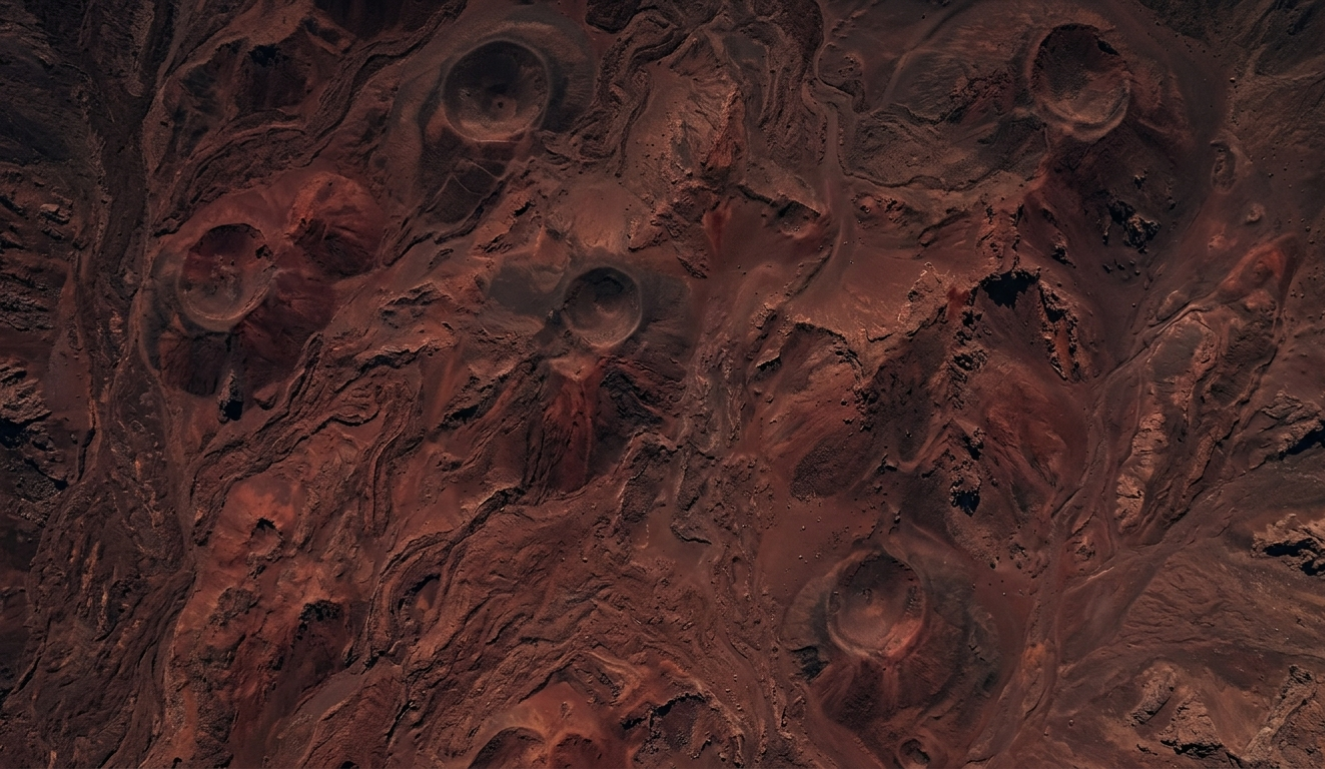
Witness unparalleled sunrises, sunsets, and stargazing from the 10,023-foot summit of Haleakalā, offering panoramic views of Maui and beyond within a sacred and dramatic lunar-like landscape.
Editor's pick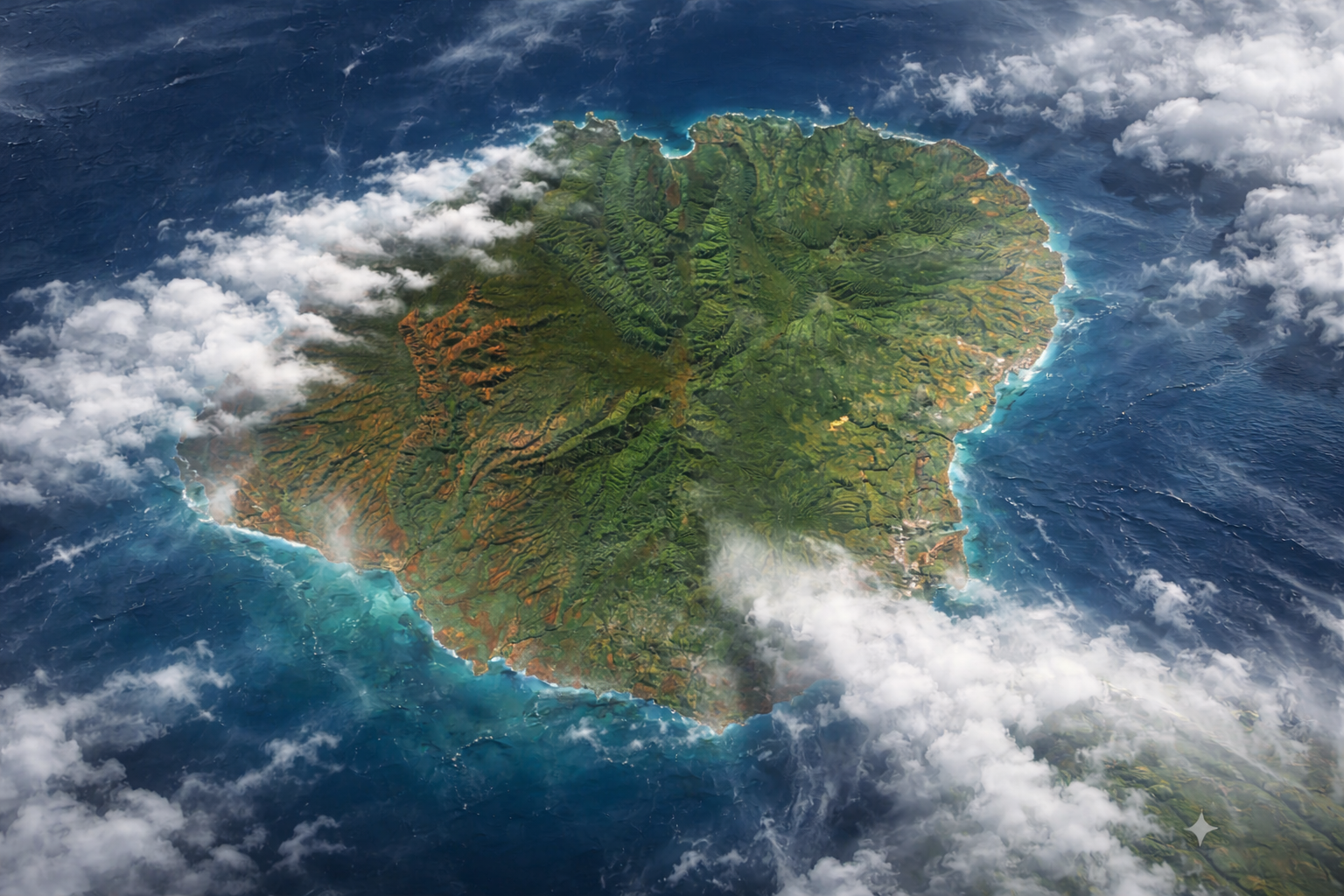 ToolCompare island weather by region
See how rain, wind, and conditions vary around the island before you choose your day plan.
Useful planning tool BlogMaui Weather Patterns, From Trades to Kona
Learn how Maui’s trade winds, Kona weather, rainy season, and microclimates shape where clouds, showers, sun, and wind show up around the island.
Editor's pick