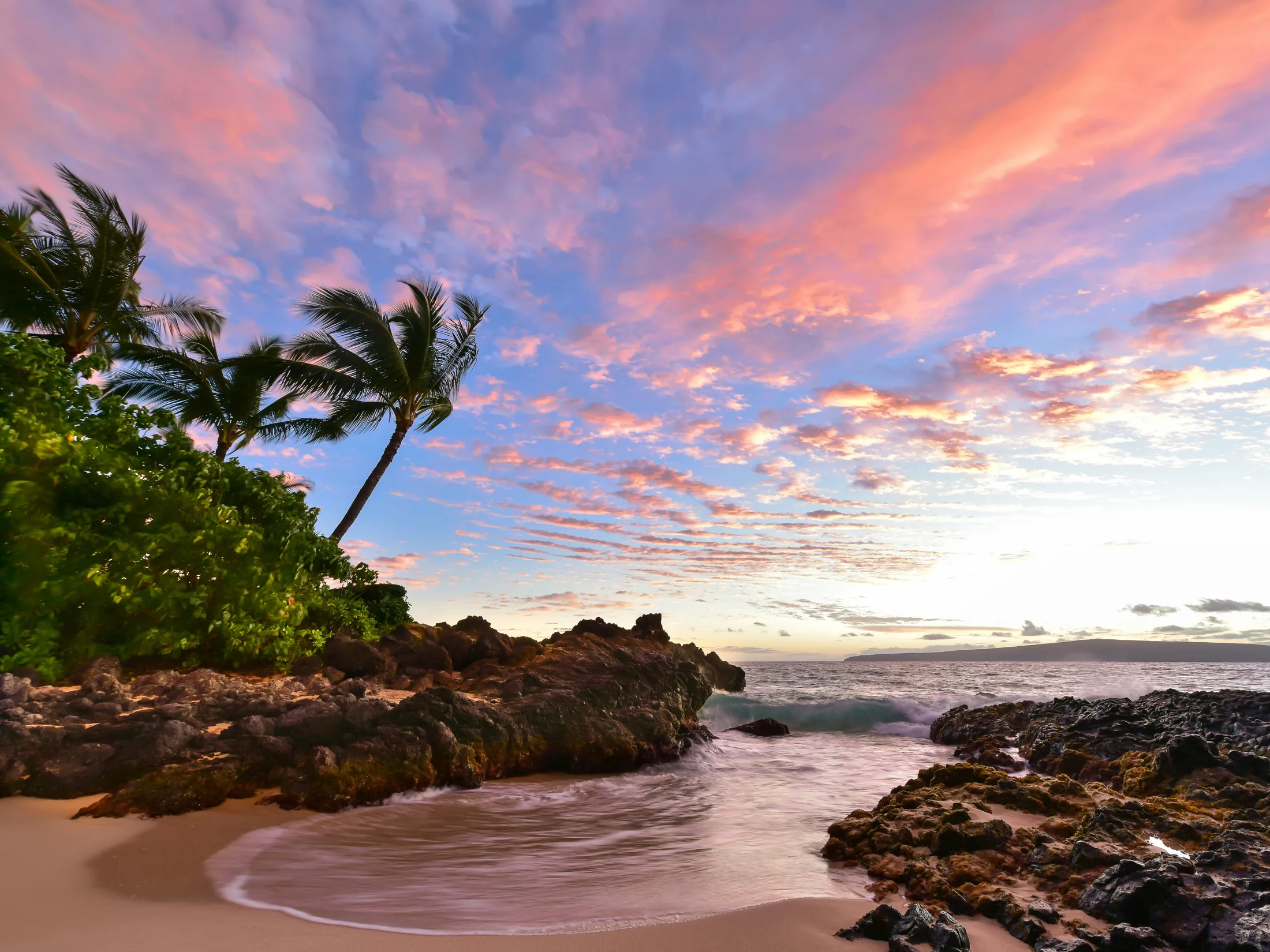


A good pre-trip movie night does more than fill the last week before departure. For kids, it turns an abstract place on a map into a trip they can imagine: the water they’ll swim in, the long drive to a waterfall, the odd-looking lava rock at the beach, the reason everyone keeps talking about whales.
For Maui, the best watchlist is a little different from the usual “movies filmed in Hawaiʻi” roundup. Maui has appeared on screen, but it is not as defined by one famous family film location as Kauaʻi is with dinosaurs or Oʻahu is with Waikīkī and big-city beach scenes. The better approach is to choose movies and shows that help children recognize Maui’s real textures: open ocean, reef life, Haleakalā, Upcountry slopes, winter whales, and the feeling of being on an island where the weather can change from hot coast to cool summit in the same day.
Here are the picks we’d actually use before a Maui family trip.
Start with *Moana* — then gently separate story from place
*Moana* is often the first movie families think of before Hawaiʻi, and for good reason: kids connect instantly with the ocean, voyaging, family duty, humor, music, and the demigod Maui. It is not a movie “about Maui” the island, and it is not a documentary about Hawaiian culture. But it can still be a warm, useful opener before a Maui vacation.
The best way to use it is as a conversation starter. After the movie, ask kids what they noticed about the ocean. Was it scary, helpful, powerful, familiar? That question becomes surprisingly useful once you’re actually on Maui, where the ocean can look completely different from one beach to the next: calm and glassy in the morning, windy by afternoon, bright turquoise over sand, dark blue beyond the reef.
For younger kids, *Moana* can also make the idea of an outrigger canoe or sailing canoe feel less unfamiliar. If your family plans a canoe paddle, a snorkel trip, or even a simple beach morning, the movie gives children a story-language for the water before they meet the real thing.
Parent note: the film includes mild peril and intense scenes for sensitive younger viewers. More importantly, treat it as fiction inspired by the wider Pacific, not as a complete explanation of Hawaiʻi.
Watch a whale documentary if you’re visiting in winter
If your Maui trip falls during whale season, make room for a humpback whale documentary. The waters around Maui, Lānaʻi, Molokaʻi, and Kahoʻolawe are one of the great winter gathering areas for humpback whales, and children enjoy whale watching more when they understand what they’re looking for: a spout, a tail fluke, a pectoral fin, a breach, a mother and calf moving slowly together.
The IMAX-style documentary *Humpback Whales* is a strong family choice because it is visual, direct, and easy for kids to follow. You don’t need them to remember every fact. You just want them to recognize the basics before they’re standing on a boat deck or scanning the horizon from shore.
This is especially helpful for kids who expect wildlife to perform on command. A whale watch is not a theme-park show. Some days are full of action; other moments are quiet and require patience. A good whale film helps children understand that the waiting is part of the experience.
If you are not visiting in winter, frame it as “what happens here during another season,” not a promise for your trip.
Add a reef film before the first snorkel day
Not every useful pre-Hawaiʻi movie has to be set in Hawaiʻi. If your child is new to snorkeling, a gentle ocean film can help them shift from “I’m going swimming” to “I’m entering an animal’s home.”
*Finding Nemo* and *Finding Dory* are obvious choices, especially for younger children who need a playful way into reef life. They are not Hawaiian reef guides, of course, but they do make fish feel individual and memorable. Afterward, you can talk about what real reef animals might do: hide, hover, dart away, stay close to coral, or ignore you completely.
For older kids, choose a short reef or ocean documentary instead. Maui’s beach days often include quick glimpses rather than dramatic encounters: a school of small fish flashing in the shallows, a turtle surfacing for air, needlefish near the surface, or the sudden realization that what looked like plain rock is alive with movement. The more kids slow down, the better the ocean gets.
Keep the pre-trip message simple: on Maui, snorkeling is less about chasing animals and more about noticing.
Use a volcano documentary before Haleakalā
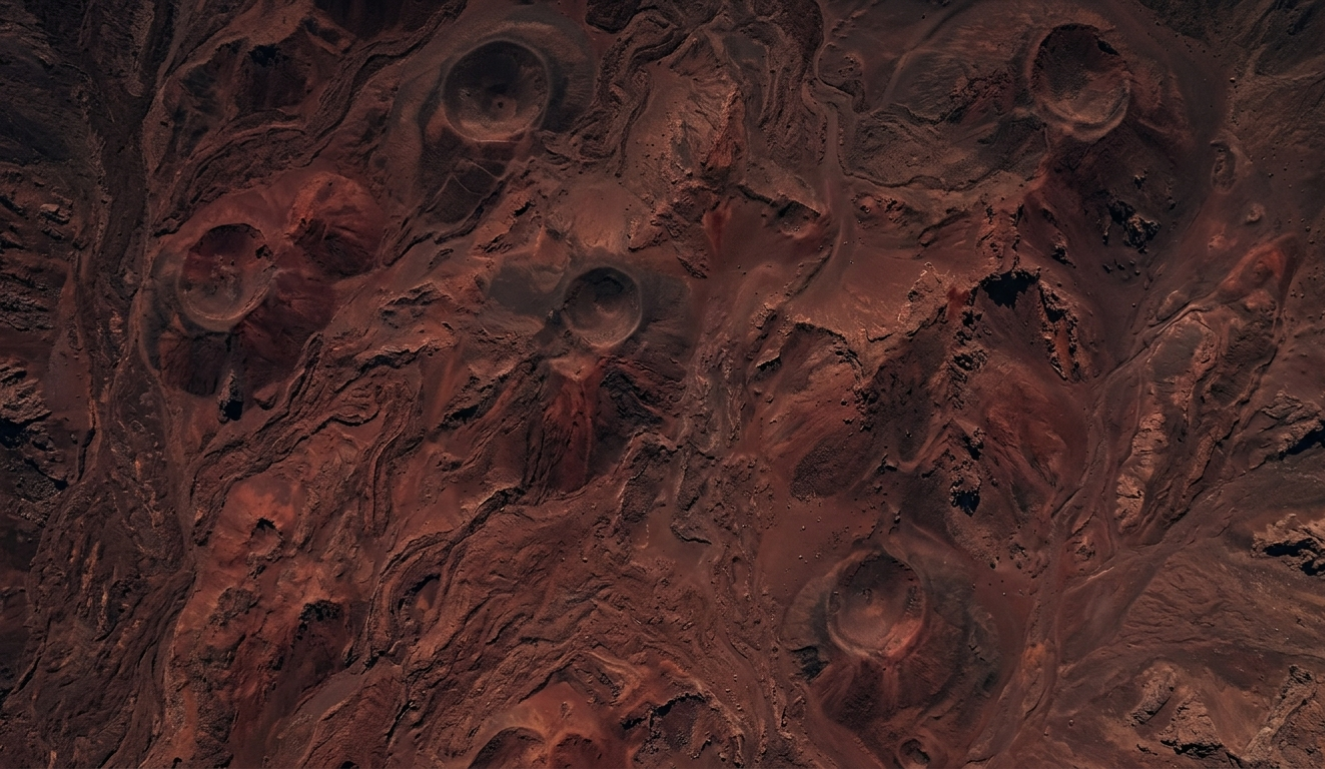
Haleakalā is one of the parts of Maui that children often underestimate. They hear “volcano” and imagine red lava, explosions, and movie danger. Then they arrive at a vast, quiet summit landscape that feels more like another planet than a cartoon volcano.
Before you go, watch an age-appropriate documentary segment about Hawaiian volcanoes or shield volcanoes. It does not need to be long. In fact, a short, clear program may work better than a full-length science documentary, especially for younger kids. The goal is to explain that not all volcanoes look or behave the same way, and that Maui’s high summit is part of a much larger volcanic story.
This makes a Haleakalā day more meaningful. Kids can look at cinder cones, rough lava rock, sparse plants, clouds below them, and the dramatic temperature change from sea level to summit with a little more context. It also helps them understand why packing a sweatshirt for a tropical island is not as strange as it sounds.
If your family has a child who loves space, deserts, geology, or “weird places,” this may be the pre-trip watch that changes their whole relationship to Maui.
Choose a Hawaiʻi nature series for the bigger picture
A good Hawaiʻi nature documentary helps tie Maui together: rain on the windward side, dry leeward coasts, seabirds, reefs, lava, forests, and species found nowhere else. Look for episodes or series that focus on the Hawaiian Islands’ natural history rather than a generic tropical-paradise montage.
This is where kids begin to understand why Maui can feel like several trips in one. A morning at a sunny South Maui beach does not prepare them for the green road toward Hāna. The dry lava fields near the coast do not feel like Upcountry. The summit of Haleakalā does not feel like the resort pool. A nature program gives them a mental map before the real one starts clicking into place.
For families planning the Road to Hāna, this kind of viewing is especially useful. The drive is not just “waterfalls and banana bread.” It is a lesson in wind, rain, streams, cliffs, jungle, and patience.
Save Maui resort movies for older teens — if at all
Maui has appeared in plenty of grown-up screen worlds: resort comedies, romantic getaways, glossy hotel settings, and shows aimed squarely at adults. Some parents may be tempted to use those as a pre-trip primer, especially if they recognize South Maui or Wailea scenery.
For families with younger kids, skip them. The tone is usually wrong for the trip you’re trying to build. For older teens, a Maui-set or Maui-filmed resort comedy can be fun if your family already likes that kind of movie, but it should be treated as a polished vacation fantasy, not as “what Maui is like.”
That distinction matters. Maui is not only pool decks and sunset dinners. It is also early mornings, red dirt on sandals, windy afternoons, farmers markets, long drives, reef shallows, ranchland, rain squalls, and the quiet shock of seeing Haleakalā rise above the island.
A simple Maui family movie-night sequence
If you only have time for three watch nights, keep it focused:
For little kids: start with *Moana*, then add *Finding Nemo* or *Finding Dory*, then watch a short whale or reef video close to departure.
For grade-school kids: watch *Moana*, a humpback whale documentary if you’re visiting in winter, and a short volcano or Hawaiʻi nature documentary before Haleakalā or the Road to Hāna.
For tweens and teens: pair a Hawaiʻi nature documentary with a volcano program, then choose one lighter fiction film for family fun. If they roll their eyes at animated movies, let the documentaries do the real work.
You do not need a long syllabus. Three well-chosen watches are better than ten vaguely Hawaiian titles.
What kids may recognize once they’re on Maui
The payoff comes in small moments.
After *Moana*, kids may pay more attention to the shape and mood of the ocean. After a whale documentary, they may be the first to spot a blow offshore. After a reef film, they may float more quietly and notice fish behavior instead of just looking for the biggest animal. After a volcano segment, they may understand why Haleakalā feels dry, cold, open, and ancient compared with the beach they left that morning.
That is the real value of a pre-trip watchlist. It does not need to turn children into experts. It simply gives them handles for wonder.
And Maui rewards that kind of attention. Sometimes it shows up as a cloud shadow crossing the slopes, a rainbow over Upcountry pasture, a turtle lifting its head for air, or a child suddenly understanding that the crater, the reef, the whale, and the road through the rain are all part of the same island.

Further Reading
A few relevant next steps from Alakai Aloha.
 BlogMaui With a Baby or Toddler, Made Easier
Plan a slower, smoother Maui trip with little kids, from choosing South or West Maui to nap-friendly beaches, easy outings, and where to stay.
Editor's pick ActivityMaui Snorkeling
Embark on an all-inclusive boat tour from Māʻalaea Harbor to Maui's top snorkeling spots like Molokini Crater and Turtle Town, complete with gear, meals, and a fun waterslide.
Editor's pick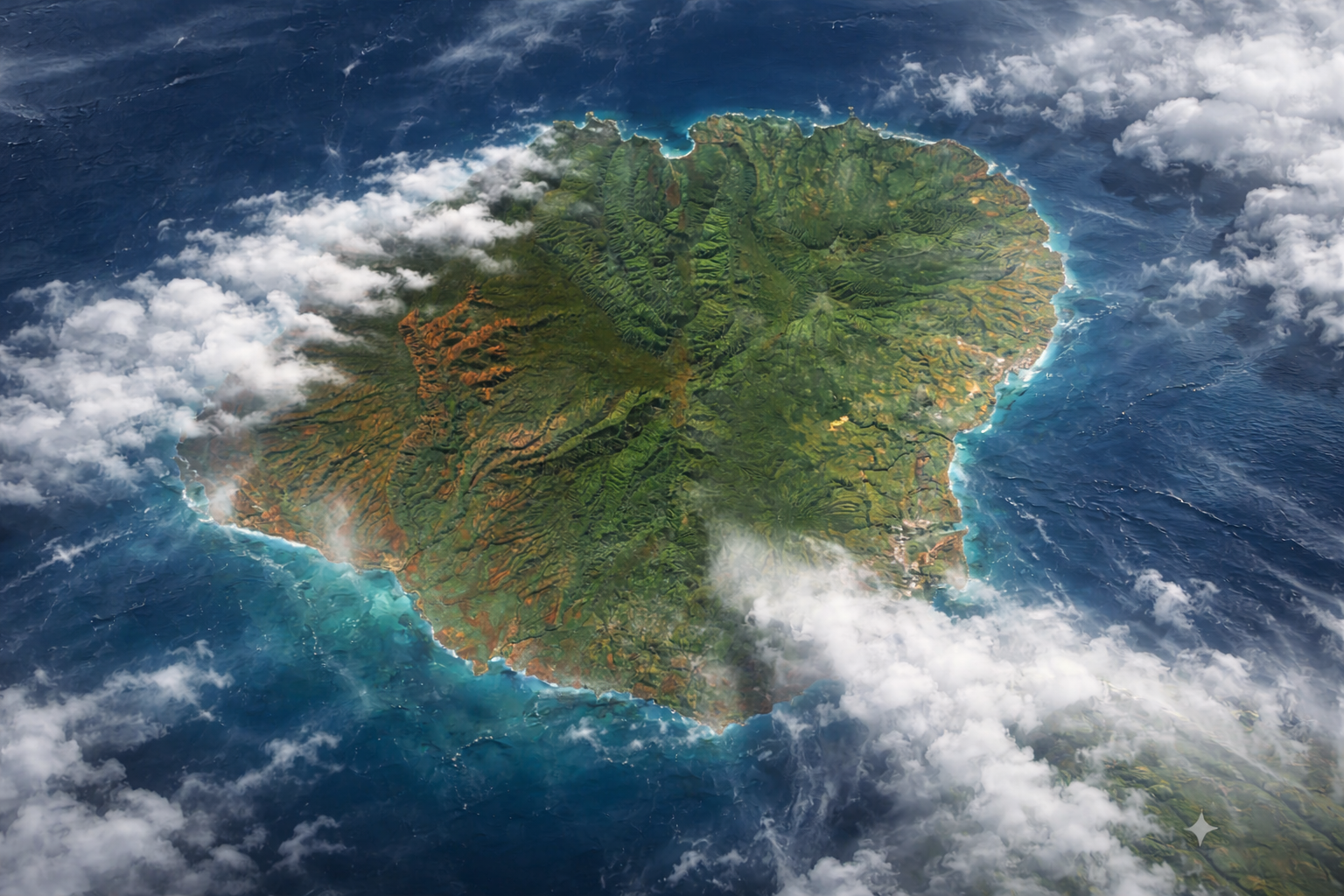 ToolCompare island weather by region
See how rain, wind, and conditions vary around the island before you choose your day plan.
Useful planning tool ActivityRoad to Hana
Embark on an iconic 64-mile scenic adventure along Maui's northeastern coast, navigating winding roads through lush rainforests, past cascading waterfalls, and dramatic sea cliffs on this full-day exploration.
Editor's pick