

Lahaina Pali Trail
Hike the rugged Lahaina Pali Trail, a historic route spanning the West Maui Mountains, offering panoramic ocean views, ancient Hawaiian pathways, and unique dryland ecosystems.



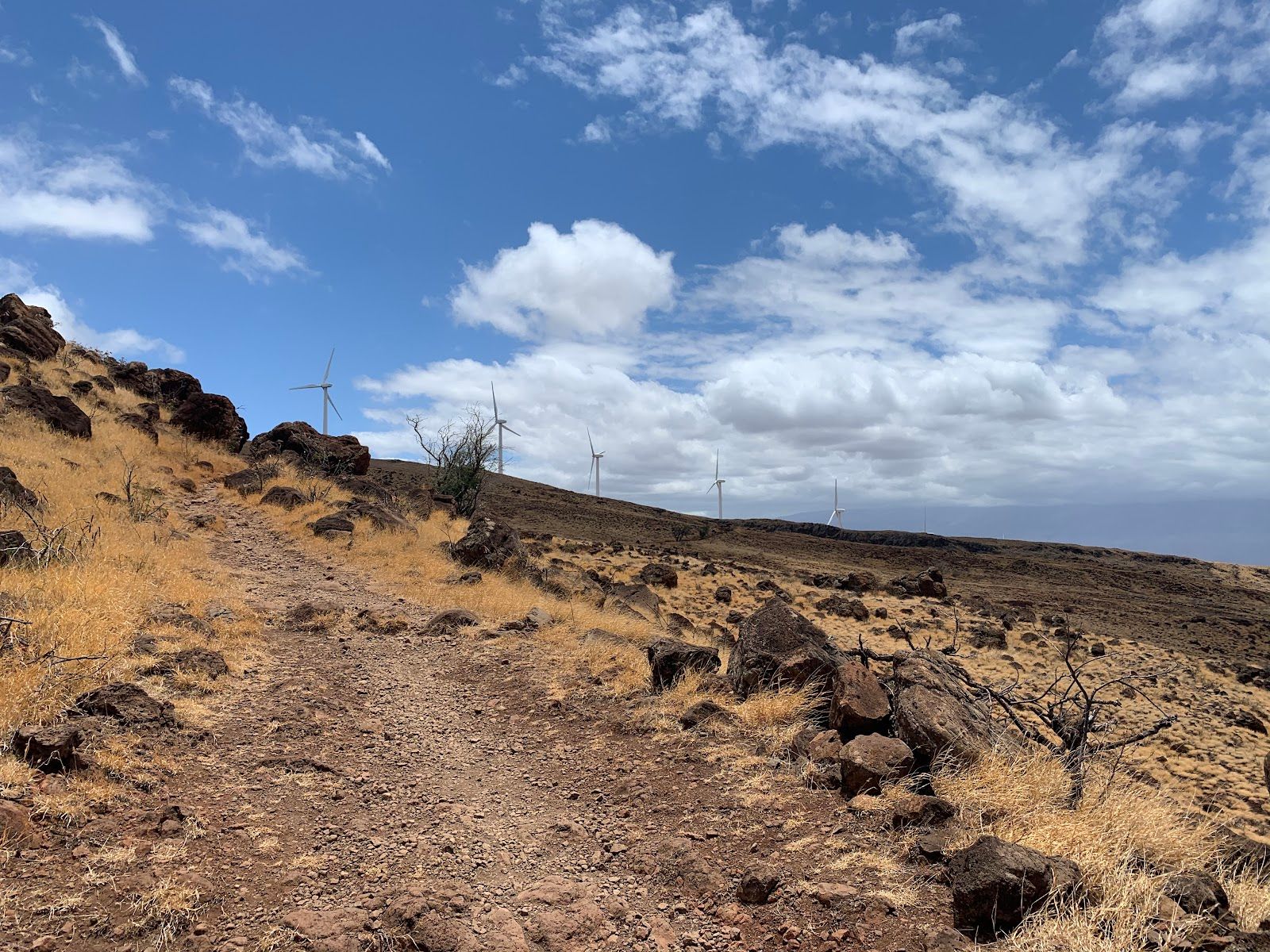

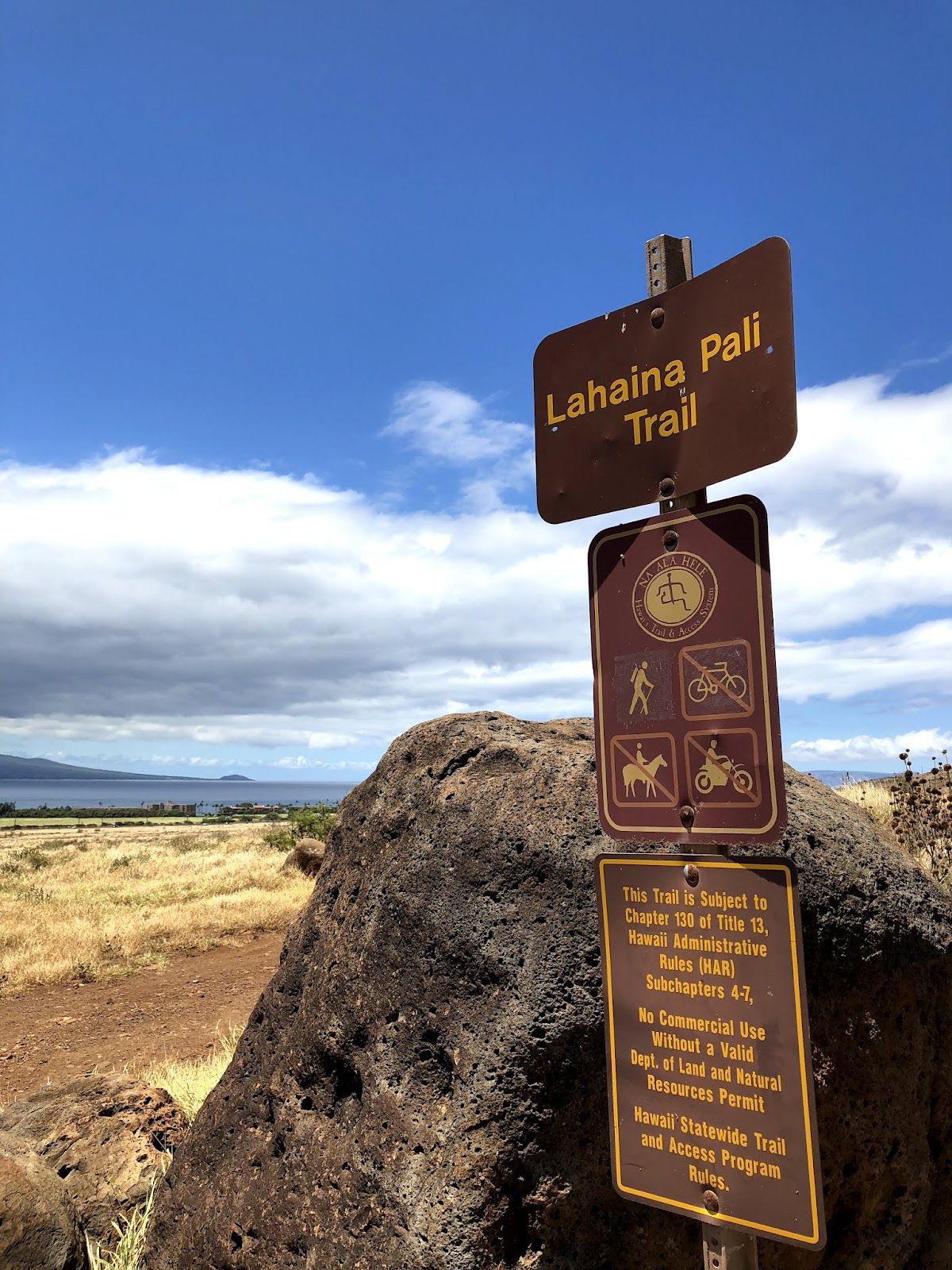
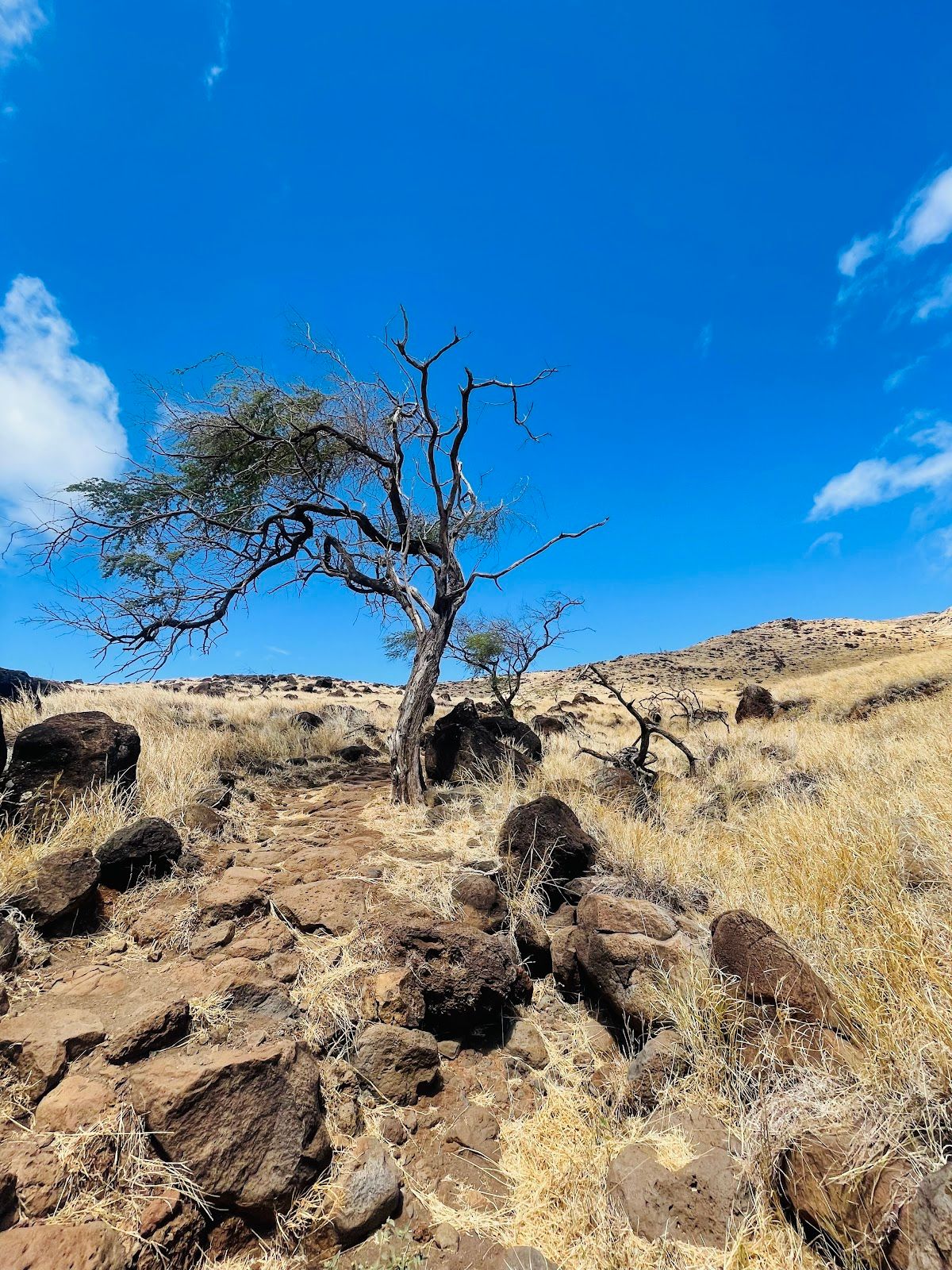

- Ancient Hawaiian King's Highway
- Panoramic ocean and island views
- Views of Kaheawa wind farm
- Unique dryland ecosystem
The Lahaina Pali Trail is a strenuous ridge hike on Maui’s south side, anchored in the Māʻalaea area and stretching across the southern slopes of the West Maui Mountains. It stands out as a route with real character: part historic pathway, part exposed mountain traverse, part big-view workout. For travelers who want more than a scenic stop, it offers a memorable mix of island history, dryland landscape, and wide-open ocean panoramas.
A ridge walk with old Hawaiʻi underfoot
This trail follows a segment of the ancient Hawaiian King’s Highway, the ʻAlaloa, and that history is part of what makes the route feel different from a standard hike. In places, the path still shows hand-laid lava rock cobbles and stonework that speak to the route’s earlier role as a foot and horse corridor between Lahaina and Wailuku. The setting is stark and dramatic rather than lush: rocky ground, steep grades, and long stretches of sun exposure across terrain shaped by wind and drought.
The hike also passes through the Kaheawa wind farm, where modern turbines rise above the ridge. That contrast—ancient route, working landscape, contemporary energy—gives the trail a distinct identity that goes beyond scenery alone.
Why hikers make the effort
The reward is the view. The Lahaina Pali Trail opens out over central Maui, the Pacific, and neighboring islands, with Molokini, Kahoʻolawe, and Lānaʻi often visible, and broader island views possible on clearer days. The coastline below changes character as the trail climbs and drops, and the dry slopes themselves are a lesson in Maui’s lesser-seen ecosystems. This is one of the island’s more intact dryland environments, with native plants adapted to heat, wind, and sparse moisture.
Wildlife adds another layer when conditions line up. Birdwatchers may catch native species along the way, including the nēnē, and winter hikers can sometimes look offshore for humpback whales. It is the kind of trail that rewards patience as much as fitness.
Getting the route and timing right
The trail is roughly 5 miles one way, so it can be done as a point-to-point crossing or as a shorter out-and-back. Most travelers should think of it as a half-day to full-day commitment depending on pace and turnaround point. The full out-and-back is a serious undertaking.
There are two trailheads, one near Māʻalaea on the east side and one at Ukumehame on the west. Both are reached from Honoapiʻilani Highway, and parking exists at each end, though spaces are limited. If hiking one way, a shuttle plan or pickup is necessary. Early morning is the smartest start for both heat management and parking.
The trail is exposed, steep in sections, and rough underfoot. Good hiking shoes, plenty of water, and sun protection are essential. Trekking poles can make the downhill sections far more manageable. The route is not a casual stroll, and the combination of heat, wind, and uneven footing can make it feel much harder than the mileage suggests.
Best for hikers who want history with their exertion
The Lahaina Pali Trail is a strong fit for experienced hikers, photographers, and anyone drawn to Maui’s dry, rugged side. It also suits travelers who appreciate a route with cultural weight, not just a summit or overlook. The tradeoff is straightforward: there is little shade, little softness, and no room here for underprepared footwear or a relaxed beach-day mood.
Travelers looking for lush forest, easy grades, or a short family walk should choose something else. But for those who want a hard-earned viewpoint and a trail with a strong sense of place, this is one of South Maui’s most distinctive hikes.