

Rain on Maui rarely means your whole day is lost. More often, it means the island is asking you to move differently: wait out a passing shower, switch coasts, trade a summit plan for a long lunch, or save the Road to Hāna for a day when the weather is working with you.
The trick is not to build a sad “rainy day” itinerary full of compromises. It’s to understand Maui’s geography well enough that you can pivot with confidence.
Maui is not one weather zone. A wet morning in Hāna can coexist with a bright beach day in Wailea. A gray Upcountry afternoon might leave Kāʻanapali perfectly pleasant. The mountains pull moisture out of the trade winds, the leeward coasts often stay drier, and elevation changes everything. If you plan with that in mind, rain becomes less of a crisis and more of a cue.
First: decide what kind of rain you’re dealing with
Before you cancel anything, pause for five minutes and look at the pattern.
A passing shower is normal. It may soak the palm trees, leave the pavement steaming, and disappear before your coffee is finished. These are not usually worth a major pivot.
A broader weather system is different. If rain seems to be sitting over much of the island, or if your activity depends on visibility, calm seas, or narrow roads, it may be time to rearrange.
A road problem is the one to take seriously. On Maui, rain matters most when it affects stream crossings, steep roads, or coastal areas where runoff changes ocean conditions. This is especially relevant for the Road to Hāna, some Upcountry drives, and beach plans near stream mouths after heavy rain.
A good Maui rain plan starts with that distinction. Not “is it raining?” but “what kind of rain is this, and where?”
Where to pivot when your plan gets wet
If South Maui is rainy
Kīhei, Wailea, and Mākena are among the island’s drier visitor areas, so if you wake up here to serious rain, it’s worth checking whether the whole island is under the same system. Sometimes it clears quickly. Sometimes chasing sun is less productive than choosing a sheltered day.
Good pivots from South Maui include a slow breakfast or lunch in Kīhei or Wailea, a spa appointment, shopping under cover, or a drive toward Māʻalaea for the Maui Ocean Center. If showers are light and the ocean is still clean and calm, you may not need to abandon the coast entirely. Keep the plan flexible and avoid brown, runoff-heavy water.
If West Maui is rainy
Kāʻanapali, Kapalua, and Napili can all get their share of showers, especially when moisture wraps around the West Maui Mountains. Sometimes the rain is localized and South Maui is a better bet. One gray view from your lanai does not always tell the whole story.
A rainy West Maui day can be a good time for a long meal, resort spa time, gallery browsing, or a low-key shopping stop at places such as Whalers Village. If conditions look clearer toward Central or South Maui, Māʻalaea and Kīhei are practical pivots without committing to an all-day drive.
After heavy rain, be measured about ocean plans. If the water is brown or debris is visible, choose a land-based Plan B and save snorkeling for another morning.
If Upcountry is rainy or socked in
Makawao, Kula, and the slopes of Haleakalā can be cool, misty, and beautiful in wet weather — but visibility is the deciding factor. A dreamy mist at lunch in Makawao is one thing. Driving high into cloud for a viewpoint you can’t see is another.
If your Haleakalā plan depends on sunrise, sunset, or wide-open views into the crater, check conditions before committing. Weather at elevation can be entirely different from the beach, and a general “Maui” forecast is often too blunt to be useful. If the summit looks clouded in, consider saving it for a clearer day.
Rainy Upcountry pivots can be excellent if you lean into the mood: cafés, small shops, galleries, a slower lunch, or a short scenic drive if visibility and roads feel comfortable.
If Hāna or the Road to Hāna is rainy
This is the biggest decision point.
The Road to Hāna is lush because it receives rain. Light showers are part of the experience, and they can make the forest feel alive. But heavy rain changes the equation. Streams rise, waterfalls become powerful, rocks and debris can move, visibility drops, and the narrow road becomes more demanding.
If you have a Road to Hāna day planned and the windward side looks set for widespread heavy rain, consider postponing if your schedule allows. If you still go, keep the day simple: don’t chase every stop, don’t wade into fast-moving water, and don’t treat flooded crossings as a dare. The best Hāna day is unhurried. Bad weather removes that margin.
If you are already staying in Hāna, a rainy day may be a quiet gift — porch time, a slow meal, short walks when showers break. For visitors driving from the resort areas, rain should make you more selective.
Activities that deserve flexibility
Some Maui plans are worth booking early in your trip so you have room to reschedule.
Boat trips and snorkel tours are the obvious ones. Rain itself may not be the issue; wind, swell, visibility, and runoff are. A gray sky can still come with a safe, enjoyable boat day, while a sunny day with rough water may not. Let the operator make the call, but build your schedule so their call doesn’t wreck your only chance.
Helicopter tours are also visibility-dependent. Clouds over valleys, ridges, or the crater can matter more than rain at your hotel. If this is a priority, avoid saving it for your final full day.
Haleakalā sunrise and sunset plans deserve flexibility, too. The summit can be clear above a cloud layer or completely socked in. When it works, it works beautifully; when it doesn’t, you’ve done a long, early or late drive for very little view.
Luaus and outdoor dinners vary. Some continue in light rain, some adjust seating or timing, and some may reschedule in heavier weather. Read your confirmation details before the day arrives.
Rainy-day plans that still feel like Maui
A good backup plan should not feel like killing time. These Maui pivots can make a wet day feel intentional.
Spend a few hours at Maui Ocean Center
Māʻalaea is a useful pivot point between South, West, and Central Maui, and the Maui Ocean Center gives you a weatherproof way to spend real time with Hawaiʻi’s marine life and reef ecosystems. It is especially handy for families, but not only for families. On a day when snorkeling is off the table, it can still keep the ocean in your day.
Make lunch the plan, not the filler
Rain gives you permission to stop optimizing. Choose a part of the island with several dining options, linger over lunch, and let the sky sort itself out. This works well in Kīhei, Wailea, Wailuku, Makawao, and resort areas of West Maui, depending on where you are staying and what roads make sense that day.
The move is not to drive across the island for a single restaurant in bad weather. Pick a cluster, keep expectations loose, and enjoy not being on a schedule.
Go Upcountry if the rain is gentle
A soft, misty Upcountry day can be one of Maui’s better moods. Makawao has small-town texture, galleries, and cafés; Kula has cooler air and long views when clouds lift. But this pivot works best when roads are fine and visibility comes and goes. If the slopes are buried in cloud and rain is steady, choose a lower-elevation plan.
Use the resort well
This sounds obvious, but many travelers underuse the place they already paid for. A rainy Maui afternoon is a fine time for the spa, a covered lanai, a book, a nap, or a drink somewhere dry with a view of the weather moving across the water. Not every vacation day needs to prove itself.
What not to force
Don’t force a muddy hike just because it was on your itinerary. Maui’s trails can become slick quickly, and the reward is often worse in poor visibility anyway.
Don’t force snorkeling in brown water. After heavy rain, runoff can carry sediment and other contaminants into the ocean, especially near stream outlets. If the water looks brown, cloudy, or debris-filled, move on.
Don’t force the back road or remote drives in bad weather. Even confident drivers may find that rain turns a scenic idea into a tense one.
And don’t force a summit view when the mountain is clearly wrapped in cloud. Haleakalā is patient. If your schedule gives you another chance, take it.
Build flexibility before it rains
The best rainy-day plan is made before the rainy day.
Put your most weather-sensitive activities early in the trip: boats, helicopters, major snorkel tours, Haleakalā, and Hāna if it matters deeply to you. That way, a cancellation becomes an inconvenience rather than a loss.
Avoid stacking all of your long drives back to back. If you do Hāna one day and Haleakalā the next, bad weather can leave you with two major pivots and not much appetite for more car time.
Keep one “soft day” in the middle of the trip. No hard commitments, no dawn alarm, no prepaid activity if you can help it. That day becomes your pressure valve.
Pack for showers without packing for misery: a light rain shell, quick-dry clothes, sandals or shoes that can handle wet pavement, and a small dry bag for phones and wallets. A towel in the car is never a bad idea.
The better way to think about Maui rain
Rain is not an interruption to the “real” Maui. It is part of why the island has waterfalls, forests, taro patches, green slopes, and mornings that smell like wet earth and plumeria. The goal is not to pretend rain is always charming. Sometimes it cancels the boat. Sometimes it hides the crater. Sometimes it tells you, plainly, to stay off a road.
But with a little flexibility, it can also slow the trip down in the right way.
On a rainy Maui day, you might trade a snorkel plan for the aquarium, a summit drive for Makawao, a beach afternoon for a long lunch, or an ambitious Hāna itinerary for a quiet reset. That is not a lesser vacation. It is just the island setting the pace for a while.

Further Reading
A few relevant next steps from Alakai Aloha.
 BlogMaui Weather Patterns, From Trades to Kona
Learn how Maui’s trade winds, Kona weather, rainy season, and microclimates shape where clouds, showers, sun, and wind show up around the island.
Editor's pick ActivityRoad to Hana
Embark on an iconic 64-mile scenic adventure along Maui's northeastern coast, navigating winding roads through lush rainforests, past cascading waterfalls, and dramatic sea cliffs on this full-day exploration.
Editor's pick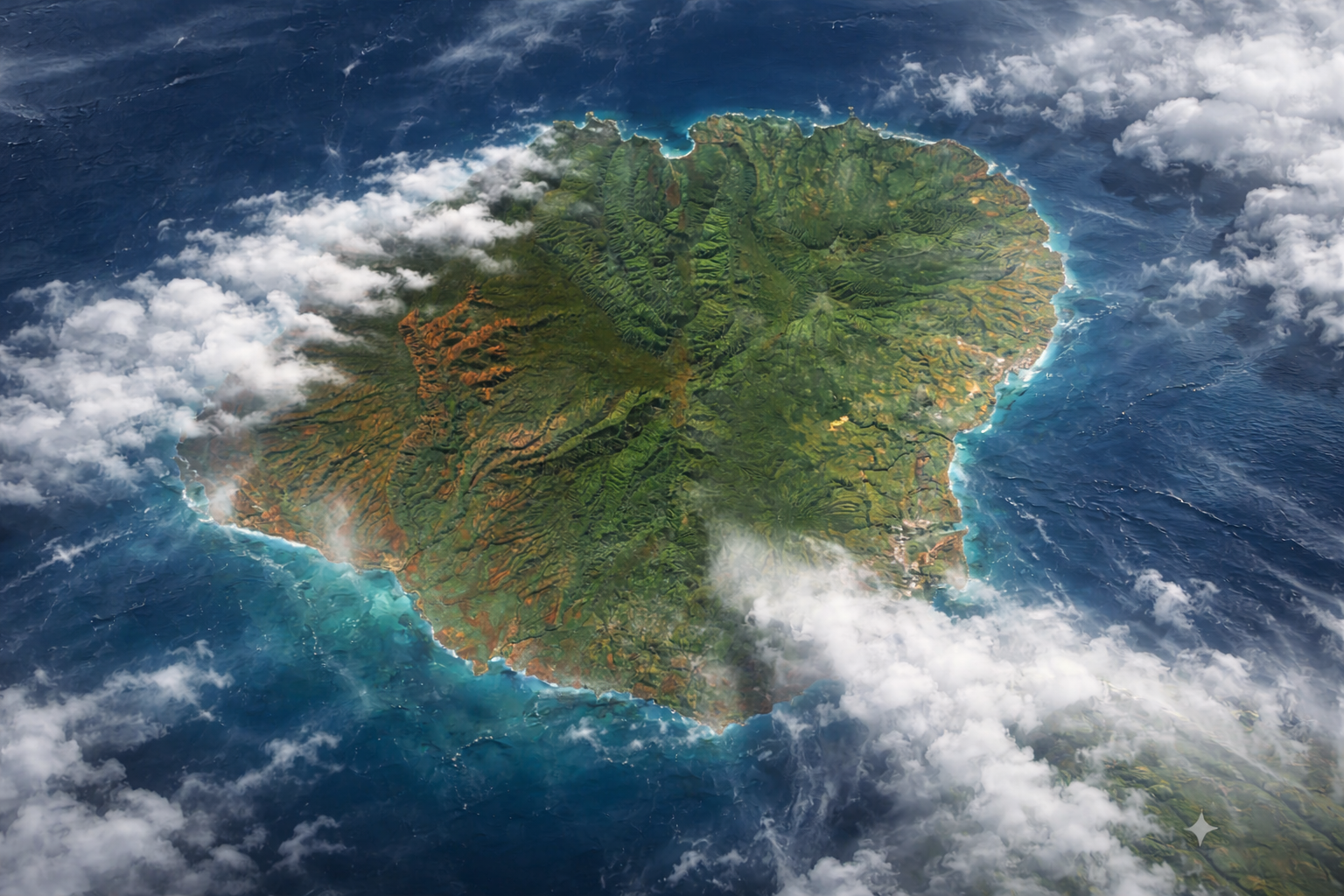 ToolCompare island weather by region
See how rain, wind, and conditions vary around the island before you choose your day plan.
Useful planning tool ActivityWhalers Village
Whalers Village is a vibrant open-air, beachfront shopping, dining, and cultural hub in Kāʻanapali, offering diverse retail, oceanfront eateries, and free Hawaiian cultural activities.
Editor's pick