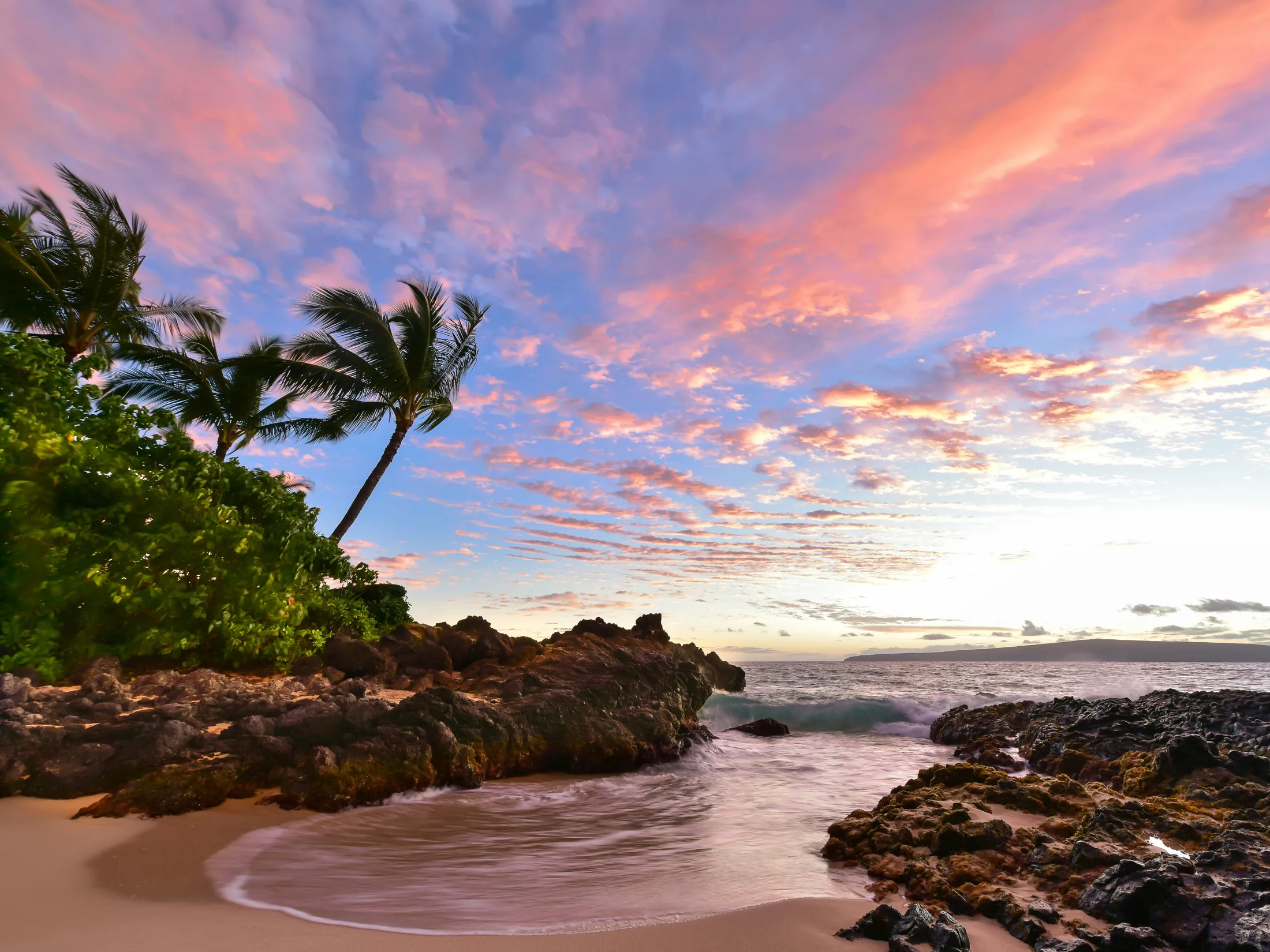


If your last Maui trip was in 2019, your memory may be doing two things at once: remembering the island accurately and remembering the prices badly.
The beaches are still the beaches. Haleakalā still turns the morning sky silver and pink. South Maui still has those long, clear afternoons when the ocean looks almost edited. But the bill for a Maui vacation has changed: lodging quotes are higher, car rentals are less forgiving, restaurant tabs add up faster, and the “little” fees around a trip are no longer little.
This is not just Maui being expensive because Maui has always been expensive. Since 2019, inflation, higher labor and shipping costs, a tighter lodging market, rental-car volatility, and Maui’s uneven recovery after the August 2023 fires have stacked on top of one another. The result is a trip that can still be deeply worthwhile, but is much less tolerant of casual budgeting.
The good news: planning smarter on Maui does not mean stripping the joy out of the trip. It means understanding where the money is really going, then making a few decisions early enough that the island still feels generous once you arrive.
Maui now punishes vague planning
Before 2020, a visitor could often sketch a Maui trip loosely: book flights, find a condo or resort room, rent a car, and figure out restaurants and activities later. That can still work, but it tends to cost more.
The cheaper margin around the trip has thinned. A condo with a kitchen may still save money, but cleaning fees, taxes, service charges, and parking can change the equation. A hotel rate may look steep, but if it includes location, beach access, pool time, and fewer long drives, it may be better value than a “cheaper” stay that puts you in the car every day.
The first Maui budgeting rule now: don’t compare nightly rates. Compare the whole stay.
Look at:
Lodging after taxes and fees Parking or resort fees Car rental cost for the full trip How often you’ll drive across the island Whether you’ll cook breakfast or lunch How many paid activities you actually want Whether the location supports the vacation you came for
A Maui trip built around beach time in Wailea has a different cost structure than a trip built around sunrise at Haleakalā, Upcountry meals, a Road to Hāna day, and snorkeling excursions. Neither is “right.” They just should not be budgeted the same way.
Lodging is where the trip usually changed most
For most travelers, the biggest difference since 2019 is accommodation. Maui lodging was never cheap, but the baseline has moved.
Construction and operating costs are higher. Labor is more expensive. Demand remains strong, even when visitor numbers fluctuate. Legal short-term rental supply is limited by zoning and local policy. And after the 2023 fires, West Maui’s lodging landscape became more complicated, with recovery needs, displaced residents, reopened properties, changed business patterns, and visitor demand all interacting in the same region.
For visitors, the practical takeaway is simple: West Maui is not just another interchangeable resort zone on a spreadsheet. Availability, pricing, staffing, restaurant options, and the feel of a stay can vary more than they did before. When choosing West Maui, read recent property information closely and make sure the area matches the kind of trip you want.
South Maui has its own pricing spread. Wailea is luxury by design: polished resorts, manicured grounds, excellent beach access, and rates to match. Kīhei can offer more flexibility, especially for condo-style stays, but the best-value places book early and total costs still depend heavily on fees, parking, and how much you plan to cook.
Upcountry and North Shore stays can be wonderful for the right traveler, but they are not automatically budget hacks. Legal visitor lodging is more limited, and the tradeoff is usually less beach convenience. If you want slow mornings in Makawao, cooler evenings, Haleakalā access, and a less resort-centered trip, that can be a beautiful fit. If you want to swim twice a day without thinking about logistics, staying far from the beach may not feel like savings.
Hāna is its own category. The cost of staying in East Maui is not only the room rate; it’s time, distance, limited services, and the fact that you are choosing a quieter, more remote version of Maui. Done well, it can be one of the most memorable parts of a trip. Done as a bargain play, it usually disappoints.
The rental car still matters
On Maui, most travelers still want a car. The island’s best experiences are spread out: beaches along South and West Maui, Haleakalā, Upcountry, ʻĪao Valley, the North Shore, Māʻalaea, and the long road toward Hāna.
That makes Maui vulnerable to rental-car pricing. Since 2019, the market has been more volatile, and even when base rates look reasonable, the full cost can climb with taxes, insurance decisions, fuel, parking, and resort charges.
The mistake is renting a car automatically for every day without asking how you’ll use it. If you are staying at a resort and plan to spend the first two days by the pool and beach, you may not need a car immediately. If you are staying in a condo and grocery shopping on arrival, you probably do.
Also remember that Maui driving costs are not just financial. A “cheaper” stay that adds long drives every day may take away the very thing you paid to come for: unhurried time near the water.
Food costs are higher, but you have control
Restaurant prices on Maui reflect the reality of operating on an island: shipping, rent, staffing, utilities, insurance, and a customer base that surges and softens with tourism. Since 2019, those pressures have become more visible on the menu.
This does not mean you need to avoid restaurants. Maui has excellent food, from special-occasion dining to plate lunches, bakeries, food trucks, fish markets, and casual local spots. But eating every meal out without thinking can become one of the trip’s quiet budget leaks.
The easiest adjustment is not dramatic: protect breakfast and some lunches.
A condo or hotel room with a small fridge can change the whole trip. Coffee, fruit, yogurt, pastries, poke bowls, snacks, and beach lunches can save more than people expect, especially for families. Then dinner becomes a choice, not a daily financial surprise.
On Maui, this works because many of the best days are simple: beach in the morning, swim, nap, sunset, early dinner. You do not need three restaurant meals to feel like you’re on vacation.
Choose paid activities carefully
Maui’s paid experiences can be excellent: snorkel trips, whale watching in season, guided hikes, farm tours, lūʻau, surf lessons, helicopter tours, and sunrise or sunset experiences around Haleakalā. But activity costs have risen, and the budget impact is larger when lodging and cars are already high.
The better approach is to choose fewer paid activities and choose them well.
For a first Maui trip, one ocean-based activity and one land- or culture-based experience may be enough. For a return trip, maybe you skip the big-ticket items and spend more time in one region. A family might decide that a great snorkel boat is worth it, but a packed schedule of paid outings is not.
This is where Maui rewards restraint. The island’s free and low-cost pleasures are still the heart of the trip: swimming at a beach that suits the day, watching the light change on Haleakalā, walking through a small town, picking up food and eating outside, lingering at sunset instead of racing to the next reservation.
Match the region to the trip
Maui is not priced evenly. The region you choose shapes the vacation as much as the hotel.
Wailea and Mākena are the premium version of South Maui: beautiful beaches, polished resorts, golf, spas, and a calm vacation rhythm. You pay for ease. If the plan is to stay put and enjoy the resort, the high lodging cost may be offset by fewer daily logistics.
Kīhei is often more flexible, especially for travelers who like condos, casual food, and easy beach access without a luxury-resort frame. It can be a strong value, but quality and location vary.
Kāʻanapali, Nāpili, Kapalua, and the broader West Maui resort corridor can offer outstanding beach vacations, especially for travelers who love long coastal walks, snorkeling coves, and resort amenities. Since the fires, planning here benefits from extra attention to the specific property and experience you want.
Central Maui around Kahului and Wailuku is practical rather than resorty. It can make sense for short stays, work trips, early flights, or travelers who plan to roam. For a classic beach vacation, it may feel less atmospheric, but convenience has value.
Upcountry is for a different Maui mood: cooler air, farms, small towns, Haleakalā access, and a slower inland rhythm. It is not the default beach base, but it can be deeply satisfying for travelers who have already done the resort coastline.
Hāna and East Maui are best treated as a deliberate experience, not a cost-saving trick. Stay overnight because you want time there, not because a map made it look like just another side of the island.
How to plan a Maui budget that still feels good
Start with the lodging decision, then build everything else around it. On Maui, the room is not just where you sleep. It determines your driving, your food strategy, your beach routine, and your activity choices.
A sensible Maui planning sequence looks like this:
1. Choose the region based on the vacation you actually want. 2. Compare lodging by total stay cost, not nightly rate. 3. Decide whether you need a rental car every day. 4. Pick your paid activities before filling the calendar. 5. Plan simple breakfasts, snacks, and a few easy meals. 6. Leave unplanned time, because Maui is expensive enough without paying to be overscheduled.
Shoulder seasons can help, particularly when school calendars are not driving demand. Holiday periods, peak winter weeks, and summer family travel windows tend to be less forgiving. But seasonality is not magic; a high-end Wailea resort is still high-end in a quieter month. The real savings come when timing, region, and trip style work together.
For many travelers, the best modern Maui budget move is not “go cheap.” It is “go slightly shorter and do it well.” Six nights in the right location may feel better than nine nights spent constantly fighting the budget. A condo with a kitchen may beat a resort if you like independence. A resort may beat a condo if what you really want is rest, pool time, and no errands. The point is alignment.
Is Maui still worth the higher cost?
Yes, for the right trip.
Maui is less forgiving than it was in 2019. It asks you to be clearer about why you’re coming. If you want a luxury resort vacation, budget for that and enjoy it. If you want beaches, food, and relaxed days, don’t bury yourself in paid activities. If you want Upcountry, Hāna, Haleakalā, and a more exploratory trip, accept that your costs may shift from resort spending to car time, meals, and logistics.
The island has not become better because it became more expensive. It has simply become more expensive. The value is still in the same places it always was: warm water, volcanic slopes, tradewind afternoons, small rituals, and the feeling that the day does not need much improving.
Plan with current prices instead of old memories, and Maui can still feel abundant. Not cheap. Not casual in the way it once may have been. But deeply, unmistakably worth caring about.

Further Reading
A few relevant next steps from Alakai Aloha.
 BlogHow to Do Maui on a Budget
Plan a Maui trip that still feels special, with smart ways to save on lodging, meals, beaches, parking, and tours while choosing a few splurges wisely.
Editor's pick GuideBest Restaurants on Maui: Local Favorites & Must-Try Meals
A guide to best restaurants on Maui.
Editor's pick ActivityRoad to Hana
Embark on an iconic 64-mile scenic adventure along Maui's northeastern coast, navigating winding roads through lush rainforests, past cascading waterfalls, and dramatic sea cliffs on this full-day exploration.
Editor's pick StayHotel Wailea
Adults-only luxury boutique hotel in Wailea with all-suite accommodations and a quiet hillside setting above the resort area. Suites include separate living space and private lanais, with dining and beach transportation available on site.
Editor's pick