


A helicopter tour over Maui is not just “a flight.” It is a very particular kind of travel moment: small cabin, big windows, headset on, the island suddenly arranged beneath you in ridges, gulches, coastline, cloud shadow, and ocean.
For some travelers, that sounds like the highlight of the trip. For others, it sounds like a very expensive way to discover they hate helicopters.
If you are a nervous flyer, the goal is not to talk yourself into being fearless. The goal is to choose with enough clarity that, if you do go, you can actually enjoy it. On Maui, that means understanding three things before you book: the route, the aircraft and cabin style, and how operators make weather calls around Haleakalā and the West Maui Mountains.
Maui has more than one weather story
One of the easiest mistakes visitors make is assuming that “Maui weather” is one thing. It is not.
You can be standing in bright sun in South Maui while clouds stack against windward slopes. You can have a calm morning along the coast while the mountains collect mist. Haleakalā dominates East Maui, the West Maui Mountains rise sharply above the central valley, and trade winds often make one side of the island feel entirely different from another.
That is part of what makes Maui aerial tours so appealing. A helicopter can reveal terrain most visitors never see from the road: folds in the mountains, waterfalls after rain, sea cliffs, gulches, ranchland, rainforest, and the meeting line between wet and dry parts of the island.
It is also why a good operator’s weather judgment matters. The view you want may not be available on the day or hour you booked. A route may be adjusted, delayed, or canceled.
For a nervous flyer, that can feel unsettling in advance. In practice, a conservative weather call is one of the better signs you can receive.
Look for judgment, not a perfect sales pitch
When people research helicopter safety, they often want a clean answer: which company is safest, which aircraft is safest, which route is safest.
Real life is less tidy. There is no useful way for a traveler to rank operators from a booking page alone, and accident headlines do not always translate into simple consumer guidance. The better approach is to look for evidence of judgment.
Before booking, ask questions a serious company should be able to answer plainly:
What aircraft type is typically used for this tour? Is the flight doors-on or doors-off? What happens if the planned route has poor visibility? Who makes the final weather decision? If the route changes, what are the usual alternatives? What are the cancellation or rescheduling options? Are there passenger weight, seating, or mobility considerations?
You are not trying to interrogate someone at the counter. You are listening for the tone of the answers. The best answers are usually specific, calm, and unglamorous. If the response makes weather sound like an inconvenience rather than a real operating factor, that is worth noticing.
Choose the cabin experience before the view
A lot of helicopter-tour anxiety comes from the cabin, not the scenery.
Some people are fine with flying but dislike small spaces. Some dislike banking turns. Some are startled by vibration. Some are uncomfortable when they cannot predict the next movement. Some are excited in theory, then tense up once the headset goes on and the rotors start.
That is why aircraft and cabin style matter.
A doors-on sightseeing flight is usually the more natural fit for a nervous first-timer. It feels more enclosed, more buffered from wind and noise, and less exposed. You still know you are in a helicopter, of course, but the sensory load is usually lower than an open-air experience.
Doors-off flights can be thrilling for photographers and travelers who actively want the exposure. They are not the place to prove something to yourself. If you are already worried about the flight, adding wind, height awareness, and a more open feeling is rarely the gentler choice.
Also pay attention to seating. Helicopter seating is not assigned like an airline seat. Weight and balance matter, and operators may assign seats for the aircraft’s needs rather than your preferred view. If sitting away from the window would make you feel better — or worse — ask about that before you book. You may not be able to control it, but you should know what to expect.
How Maui’s main route styles feel
Maui routes vary by operator and conditions, but nervous flyers should think less in terms of “best view” and more in terms of “best fit.”
West Maui and sea-cliff scenery
Many visitors are drawn to flights that show the deeply carved West Maui Mountains and, on some routes, dramatic neighboring island coastline. These can be visually spectacular, especially where green ridges, waterfalls, and sea cliffs come into the same frame.
For a cautious flyer, the question is how you feel about terrain-focused flying. Mountain and coastal routes can involve turns, changing light, wind effects, and cloud decisions. That does not mean they are automatically intense; many passengers find them smooth and beautiful. But if your anxiety spikes when you see ridgelines or steep drops nearby, ask how the route typically feels and what happens when clouds sit low on the mountains.
Haleakalā and East Maui routes
East Maui is shaped by Haleakalā, with a very different feel from the resort coast. Depending on the route and weather, passengers may see crater landscapes, windward rainforest, gulches, waterfalls, or remote coastline.
The comfort question here is visibility and cloud. Haleakalā can look clear from one angle and clouded from another. Windward East Maui can hold moisture even when leeward resort areas are dry. If a specific feature is the whole reason you are booking, ask how often the route is modified for cloud cover and what a realistic backup looks like.
For nervous flyers, it helps to think of the tour as an island-weather experience, not a guaranteed checklist of sights.
Longer “complete island” tours
Longer flights that attempt to show more of Maui can sound like the obvious upgrade. More time, more scenery, more value.
But longer is not always better for a nervous flyer. If you are unsure how you will feel in a helicopter, a shorter, well-matched flight may be wiser than a longer route with more terrain, more turns, and more weather variation.
If you already know you love small aircraft, a broader route may be appealing. If you are trying this for the first time with real nerves, do not confuse “most comprehensive” with “most enjoyable.”
Book with flexibility
Many travelers prefer earlier flights because daytime heating and cloud build-up can affect visibility and comfort. On Maui, mornings can be a good planning choice, especially if your route depends on mountain visibility.
But “morning” is not magic. Trade winds, showers, cloud layers, and localized conditions still matter. A later flight on one day can be better than an earlier flight on another. This is why itinerary flexibility matters more than a perfect theory.
If the helicopter tour matters to you, avoid placing it in the final open slot of your trip. Give yourself room to reschedule if weather pushes the decision that way. That one planning move can remove a surprising amount of stress.
The same goes for route changes. If the mountain view you hoped for is not cooperating and the operator proposes a different route, that is not necessarily a downgrade. It may be the better flight that day.
The key is to understand the policy before you book. Know whether you are comfortable with a modified route, whether you would rather reschedule, and what the refund or cancellation terms are if the company cancels for weather. That is not pessimistic planning. It is how you prevent a weather call from becoming an emotional surprise.
If you are anxious, do not book the most intense version
There is a common vacation trap: you see the dramatic photo, imagine your future self feeling brave and amazed, and book the most cinematic option available.
Sometimes that works. Sometimes it gives your nervous system too much to do.
A more honest approach is to ask: what would let me relax enough to look out the window?
For many nervous flyers on Maui, that means:
Choose doors-on over doors-off. Choose a shorter flight over the longest route. Choose an operator that explains weather conservatively. Avoid booking on your last full day. Eat lightly beforehand, but do not fly on an empty stomach if that makes you queasy. Ask about motion-sickness concerns before the day of the flight. Bring sunglasses and wear comfortable layers. Accept that the best seat may be the one assigned for balance, not the one you imagined.
None of this makes the experience small. It makes it more likely you will be present for it.
When skipping the helicopter is the right call
There is no prize for forcing yourself into a helicopter tour.
Maui gives you many ways to feel the island’s scale without getting into a rotorcraft. Haleakalā by road, the road to Hāna, West Maui viewpoints, coastal boat trips, upcountry drives, and quiet beach mornings all reveal different versions of the island. They are not substitutes for the aerial view, but they are not consolation prizes either.
If your anxiety is mild and mostly about uncertainty, careful vetting may be enough. If the thought of the flight fills the whole vacation with dread, spend the money elsewhere and let that be a good decision.
The best Maui helicopter tour is not the one with the most dramatic description. It is the one that matches the day, the weather, the aircraft, the pilot’s judgment, and your actual comfort level.
If those line up, the experience can be extraordinary in a quiet way: the island’s green folds opening beneath you, clouds moving across ridges, ocean flashing beyond the windows, and Maui making sense from above for a few brief minutes. That is the version worth planning for — not fearlessness, just a clear choice.

Further Reading
A few relevant next steps from Alakai Aloha.
 BlogHow to Do Maui on a Budget
Plan a Maui trip that still feels special, with smart ways to save on lodging, meals, beaches, parking, and tours while choosing a few splurges wisely.
Editor's pick ActivityRoad to Hana
Embark on an iconic 64-mile scenic adventure along Maui's northeastern coast, navigating winding roads through lush rainforests, past cascading waterfalls, and dramatic sea cliffs on this full-day exploration.
Editor's pick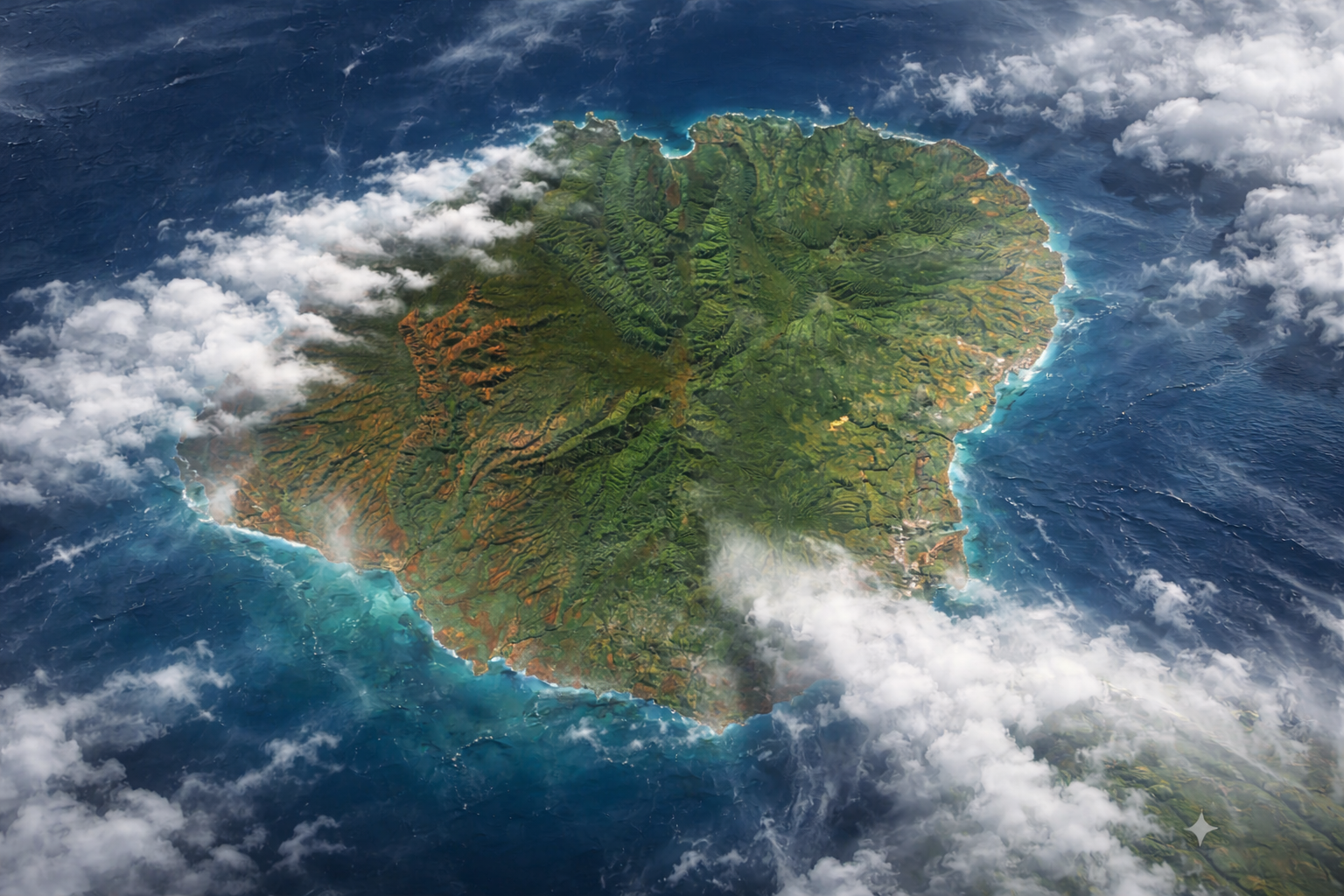 ToolCompare island weather by region
See how rain, wind, and conditions vary around the island before you choose your day plan.
Useful planning tool BlogWhat to Pack for Maui’s Many Microclimates
A practical Maui packing guide for beach days, Haleakalā layers, Hāna rain, snorkel boats, and casual dinners without overpacking.
Editor's pick