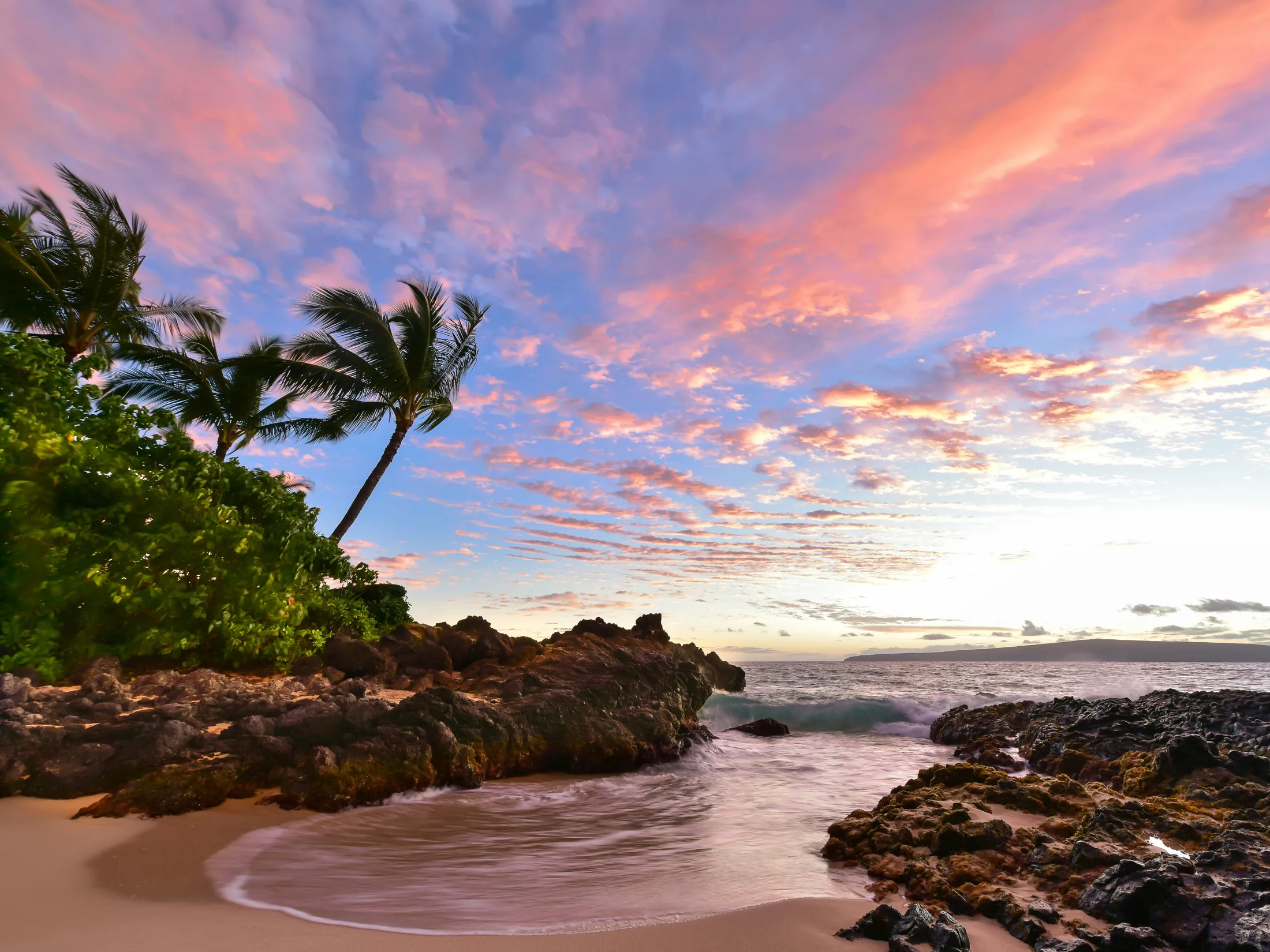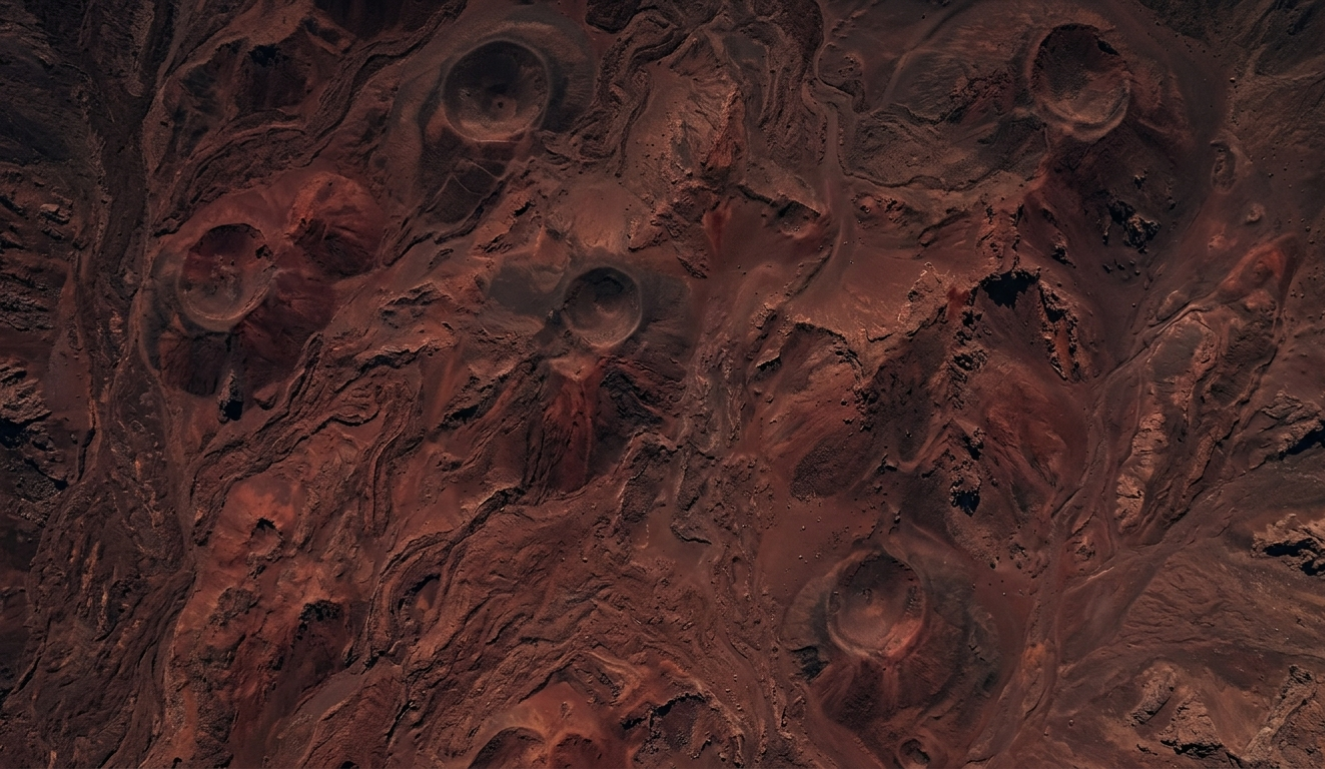


Maui photographs almost too well. A road bends through wet forest and suddenly there is a waterfall. A crater rim turns silver before sunrise. A black sand cove looks unreal even when you are standing in it with sand in your sandals.
That is the trouble with the most-shared places: the image is often honest, but incomplete. It leaves out the parking lot, the reservation window, the muddy trail, the line of cars on a one-lane bridge, or the fact that the best version of the place may not be the one you saw online.
This is not a list of places to avoid. Some of Maui’s famous natural wonders are famous for good reason. The question is whether they fit *your* trip: your patience for crowds, your appetite for early mornings, your driving comfort, and how much of a day you want to spend chasing one frame.
Haleakalā sunrise
If one Maui image has become its own mythology, it is sunrise from the summit of Haleakalā: clouds below you, the crater dark and vast, first light arriving like a slow ceremony.
It can be extraordinary. It can also be cold, crowded, and more logistical than romantic. The pre-dawn drive from resort areas is long, dark, and winding, and sunrise access has required advance reservations for private vehicles during early-morning hours.
Worth it if: you are genuinely excited by a high-elevation sunrise, do not mind waking up in the middle of the night, and will bring real warm layers.
Skip it if: you are doing it only because everyone says you should. A miserable 2 a.m. alarm followed by clouds and shivering is not the best use of a vacation day.
A better angle: go for sunset or a daytime visit instead. You still get the crater and sweeping island views when conditions cooperate, without building your whole day around a punishing alarm.
Waiʻānapanapa State Park and the black sand beach
The black sand beach at Waiʻānapanapa is one of the most photographed stops on the Road to Hāna, and it deserves the attention: black stones, blue water, green hala trees, sea arches, and lava rock polished by waves.
But it is not an empty cinematic set. It is a managed state park with limited capacity, and nonresidents have been required to make advance reservations for entry and parking.
Worth it if: you are already planning the Road to Hāna carefully and can secure the proper reservation. It is one of the rare famous stops that still feels distinctive with other people around.
Skip it if: you are trying to improvise the Hāna day without a plan. Rushing this stop turns it into a parking exercise.
A better angle: spend less time recreating the same beach photo and more time walking slowly around the park’s coastal paths where permitted. If you cannot get a reservation, let that simplify the day rather than force a substitute.
The Road to Hāna waterfalls
The Road to Hāna is less one destination than a full-day relationship with Maui’s windward side. Online, it appears as a string of waterfall swims, bamboo groves, banana bread, and empty bridges. In practice, it is a narrow, twisting road that asks for patience.
The waterfalls are real. So are the crowds, shoulder parking, private property boundaries, and temptation to stop abruptly whenever water appears through the trees.
Worth it if: you treat the drive itself as the experience and choose only a few stops. A good Hāna day is not a scavenger hunt; it is rain on leaves, ocean glimpses, taro patches, fruit stands, and a wetter, older rhythm of Maui.
Skip it if: you dislike winding roads, get carsick easily, or have only left yourself half a day. The road punishes rushing.
A better angle: pick one anchor stop, such as Waiʻānapanapa if you have a reservation, or continue toward the Kīpahulu side of Haleakalā National Park if that fits your route and stamina. The best Road to Hāna photos often happen when you stop trying to collect them.
Pipiwai Trail and Waimoku Falls
Pipiwai Trail, in the Kīpahulu District of Haleakalā National Park, has become one of Maui’s defining hike images: boardwalk through bamboo, filtered light, and the tall drop of Waimoku Falls at the end.
This is one famous place that often earns its reputation, provided you understand the effort. It is not near the main resort areas, the trail can be muddy, and for many visitors it belongs with a full Hāna-side plan, not a casual afternoon add-on.
Worth it if: you want a real hike with a memorable destination and are already committing to the far side of the island. The bamboo section is popular for a reason; it changes the mood of the day.
Skip it if: you are worn out from the drive, short on daylight, or hoping for an easy waterfall selfie.
A better angle: if the full trail is too much, enjoy the Kīpahulu area at a slower pace rather than treating Waimoku Falls as a trophy. Here, the sense of distance is part of the experience.
ʻĪao Valley
ʻĪao Valley is lush, steep, and close enough to Central Maui that it can feel almost too easy. Green walls rise sharply, often holding mist, and the ʻĪao Needle is one of Maui’s classic landscape images.
Because access is relatively convenient, crowding and reservation rules matter. Nonresident visitors have been subject to advance reservation requirements for entry and parking, so check the current process before you go.
Worth it if: you want a shorter nature stop that still feels deeply Maui: rain-fed, green, and enclosed by mountains.
Skip it if: you are expecting solitude or a long wilderness experience. ʻĪao is compact, popular, and often visited quickly.
A better angle: pair it with a relaxed Central Maui day rather than driving across the island just for one photo. Go in with modest expectations and it may overdeliver.
Waiheʻe Ridge Trail
Waiheʻe Ridge is beloved by hikers and social feeds for good reason: when the weather opens, the views toward the West Maui Mountains and coastline are tremendous. The trail climbs through pasture and forest, with ridgelines made for wide-angle drama.
The catch is that it is not always clear, and it is not always easy. Parking is limited, the trail can be slick, and clouds can erase the payoff.
Worth it if: you enjoy hiking for the process, not only the view. If you can accept mud, incline, and changing weather, Waiheʻe can be one of Maui’s most satisfying half-day adventures.
Skip it if: you are wearing beach sandals, traveling with reluctant hikers, or would feel cheated if clouds move in.
A better angle: choose shorter coastal walks or lower-elevation lookouts if your group wants scenery without the climb. Maui has plenty of beauty that does not require negotiating a muddy ridge.
Nakalele Blowhole
Nakalele Blowhole, on Maui’s northwestern coast, is a social-media magnet because it performs. When swell and tide align, seawater blasts upward through the lava shelf with theatrical force. The surrounding coastline is stark and windswept, a different Maui from the resort postcards.
It is also a place where the photo can lure people too close. Blowholes are not fountains; the same ocean energy that makes the shot impressive makes the rocks hazardous.
Worth it if: you are comfortable with uneven coastal terrain and can enjoy the blowhole from a respectful distance. The broader landscape is part of the reward: raw lava, salt air, and a sense of edge.
Skip it if: anyone in your group is determined to stand near the opening or chase the dramatic close-up.
A better angle: make the drive the point. Northwest Maui has pullouts and coastal views that feel spacious when approached without a checklist.
Kaihalulu, the red sand beach in Hāna
Few Maui images circulate with more “how is this real?” energy than Kaihalulu, often called the red sand beach. The color is startling, the cove is unusual, and the online appeal is obvious.
This is also one of the clearest examples of a place many visitors should skip. Access has long raised concerns around erosion, unstable footing, unclear boundaries, and community impact. The path is not a maintained beach-park stroll, and the popularity of the photo has not made the access more appropriate.
Worth it if: for most visitors, it is not worth it.
Skip it if: you are relying on social media directions, following other tourists through questionable access, or treating Hāna like a backdrop.
A better angle: choose places with clear public access and enough space to absorb visitors: Waiʻānapanapa with a reservation, Kīpahulu within the national park, or an appropriate coastal viewpoint.
Honolua Bay
Honolua Bay is often photographed from above or remembered by snorkelers as one of Maui’s great marine experiences in calm conditions. The bay’s shape, the walk through greenery, and the clear-water promise all add to its appeal.
But Honolua is highly condition-dependent. In winter or during surf, it is a different place from the calm snorkeling images people save online. After rain, visibility can change, and parking and roadside access can feel crowded.
Worth it if: conditions are calm, you are prepared for a low-key access experience, and you understand that marine places are not guaranteed performances.
Skip it if: there is surf, murky water, or you want an easy beach setup with broad sand and facilities.
A better angle: keep a backup plan. On Maui, the difference between a great snorkel and a poor one can be as simple as wind, swell, or recent rain.
So, are Maui’s most photographed natural wonders worth it?
Some are. Haleakalā at dawn can stay with you for years. Waiʻānapanapa is genuinely singular. Pipiwai Trail earns its reputation. ʻĪao Valley, with the right expectations, is a beautiful short encounter with a powerful landscape.
But Maui rewards travelers who know when to stop chasing proof. The island’s best moments are often adjacent to the famous ones: the quiet after sunrise when most people leave, roadside fruit eaten without hurry, ten minutes watching clouds move across a ridge, the decision to skip an overexposed stop and have a better day instead.
Use the famous photos as invitations, not instructions. Make the reservation when a place requires one. Choose fewer stops and give them more attention. That is how Maui starts to feel less like a feed you are trying to match, and more like a place you were lucky enough to meet.

Further Reading
A few relevant next steps from Alakai Aloha.
 BlogHow to Tell If a Maui Beach Is Swimmable
A practical Maui beach safety guide for reading surf, wind, seasons, and shoreline clues before deciding where to swim or snorkel.
Editor's pick GuideBest Hikes on Maui: from Easy Walks to Epic Summits
A guide to best hikes on Maui.
Editor's pick ActivityNakalele Blowhole
Experience the dramatic power of nature at Nakalele Blowhole, a mesmerizing marine geyser on Maui's rugged northwest coast where powerful waves send plumes of seawater high into the air.
Editor's pick ActivityBlack Sand Beach
Discover Honokalani Black Sand Beach in Waiʻānapanapa State Park, an iconic Maui destination featuring dramatic jet-black volcanic shores, sea caves, and natural arches perfect for unique photography and coastal exploration.
Editor's pick