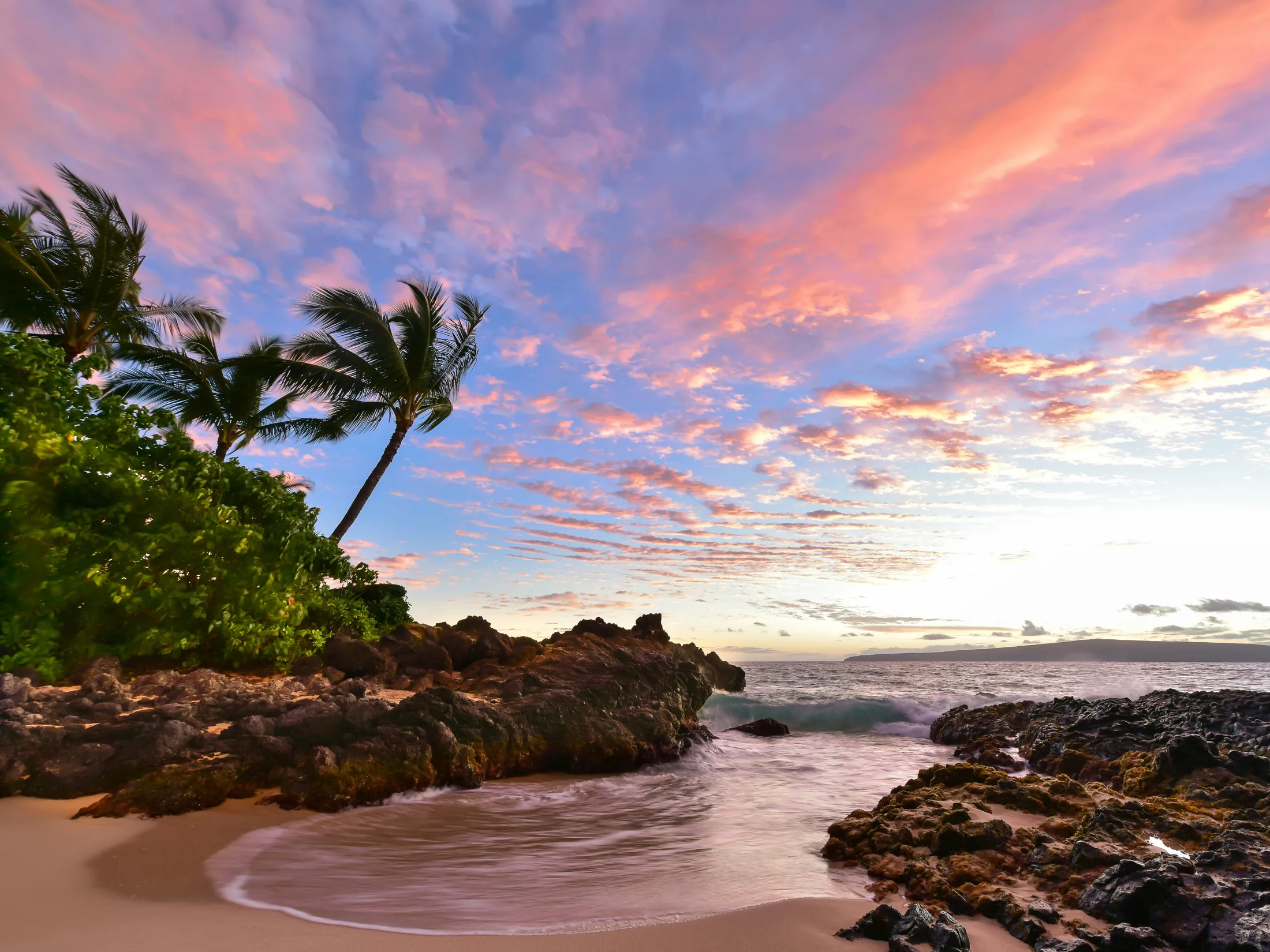


Maui is a good island for teens because it gives them choices that feel grown-up without requiring a family debate every morning. You can build a trip around water, food, small towns, scenic drives, resort time, and one or two big experiences — then let the hiking be optional.
That matters. A teenager who is happy to snorkel for two hours may have no interest in marching up a trail at sunrise. Another might love a dramatic viewpoint but get bored by the third beach in a row. Maui works best when you stop treating “outdoorsy” as one category. Surfing, wandering Paʻia, watching sunset from a beach wall, browsing Makawao, joining a snorkel boat, and driving Upcountry all use the island differently. None of them require turning every day into an endurance test.
Start with one anchor per day
The easiest mistake with teens on Maui is over-scheduling. The island looks compact on a map, but the days can get long: sun, saltwater, winding roads, early mornings, and restaurant waits all add up. Instead of stacking three “memorable” things in one day, choose one anchor and let the rest stay loose.
A good teen-friendly Maui day might look like:
Morning surf lesson in Kīhei, then shave ice and beach time Snorkel boat from Māʻalaea or West Maui, then a lazy pool afternoon Upcountry wander through Makawao and Kula, then sunset lower on the mountain Beach morning in Wailea or Kaʻanapali, then a casual dinner Hāna Highway as the whole day, not something squeezed between other plans
This rhythm gives teens enough novelty to stay interested and enough downtime to feel like they’re on vacation, not on a school field trip with better scenery.
Make the ocean the adventure
For many families, the beach becomes a default setting: towels down, cooler open, parents relax, teens get restless after twenty minutes. On Maui, beach days work better when there’s a point to them.
In South Maui, the Kamaʻole beaches in Kīhei are easy to use: sandy entries, nearby food, and a town feel that gives older teens a little independence without making logistics complicated. Keawakapu and the Wailea-area beaches feel more polished and scenic, good for a calmer half day. Conditions change, especially with swell and wind, so treat the ocean as a morning activity when you can and adjust by the day.
If your teen wants to learn something physical, a surf lesson is often a better bet than a forced hike. Beginner lessons are commonly associated with gentler South Maui breaks, especially around Kīhei, and the format works well for teens: there’s instruction, a challenge, a little embarrassment, and a real chance of success. It also gives them a story that is theirs, not just another family photo.
Snorkeling can be equally engaging when it has structure. A boat trip to Molokini or along the coast gives the day a clear shape, while shore snorkeling is better when you keep expectations modest and choose conditions carefully. Teens who are confident swimmers may love the independence of floating over reef; others may prefer a boat with gear, guidance, and a defined start and finish.
Stand-up paddleboarding, outrigger-style paddling experiences, and kayak outings can also work, especially for teens who like movement but not “hiking as a family personality.” The key is choosing a setting that matches their actual comfort level, not the version of them you hoped would appear on vacation.
Use towns as reset buttons
Maui’s small towns are underrated for teen travel because they give the day texture without requiring a big commitment. They’re useful between heavier activities, when everyone needs food, shade, and a reason not to sit silently in the car.
Paʻia is good for teens who like surf-town energy: beachwear shops, coffee, casual food, and people-watching before or after time on the North Shore. It can be busy, and parking takes patience, so treat it as a wander rather than a tightly timed stop.
Makawao has a different feel — Upcountry, artsy, a little cowboy, cooler in temperature and mood. It works well when the coast is windy or everyone needs a break from saltwater. Let teens browse, choose a snack, take photos, or just enjoy not being sandy for an hour.
Kīhei is more practical than polished, which can be exactly right with teens. There are beaches, casual restaurants, food trucks, surf schools, and easy places to grab something quickly. If your family is staying in South Maui, Kīhei can become the low-friction zone where teenagers get a bit of say in the day.
West Maui has its own rhythm, especially around Kaʻanapali, Napili, and Kapalua. Resort paths, beach walks, snorkeling coves, and sunset views can fill time without feeling like an itinerary.
Give them a “yes” budget
Teens often engage more when they have agency. Not unlimited freedom — just a small, clear lane where they get to choose.
On Maui, that might mean each teen gets to pick one food stop, one beach, or one paid activity. It could be açai bowls after surfing, malasadas or doughnuts on the way Upcountry, a food-truck dinner in Kīhei, or a nicer dessert after a beach sunset. The point is not the money; it’s the shift from being dragged along to having ownership.
This also helps with siblings. One teen may want a snorkel boat. Another may want shopping time in Paʻia. A third may want an afternoon at the pool with no “authentic experience” attached. If everyone gets one real choice, the family mood improves fast.
Keep Upcountry in your back pocket
Upcountry is one of Maui’s best tools for families with teens because it changes the atmosphere completely. After a few days of beaches and sunscreen, the slopes of Haleakalā can feel like a different trip: cooler air, open views, farms, ranchland, gardens, and winding roads through Kula and Makawao.
You don’t have to commit to a serious hike to make Haleakalā part of the vacation. Many families go for sunrise, but that early wake-up is not automatically teen-friendly. Sunset or daytime viewpoints can be easier, especially if your family does not want a 3 a.m. alarm. The summit area is high elevation and can be cold, so bring layers and keep expectations realistic: the reward is the landscape and sky, not constant entertainment.
Upcountry also pairs well with food. Teens who are indifferent to scenic overlooks may perk up for a bakery stop, a casual lunch, or time to browse Makawao. That combination — a little scenery, a little wandering, something good to eat — is often more successful than announcing a full “cultural and agricultural day” and watching their eyes glaze over.
Treat the Hāna Highway as a mood, not a checklist
The Road to Hāna can be wonderful with teens, but only if your family likes long, winding days and can handle a slow pace. It is not a greatest-hits scavenger hunt. The drive itself is the experience: rainforest, bridges, curves, waterfalls after rain, coastal views, snack stops, and the feeling that the island has changed around you.
With teens, less is usually better. Choose a few stops, build in food, and accept that you will not see everything. Some teens love the drama of the road; others get carsick, bored, or tired of getting in and out. If your family is split, consider doing a shorter out-and-back on the Hāna side rather than forcing the full-day epic.
Make evenings easy
Families often plan Maui mornings carefully and leave evenings vague. With teens, the evening can become the best part of the day if you keep it simple.
Sunset on the beach is the obvious move because it works. South Maui and West Maui both offer easy sunset settings where nobody has to dress up or perform gratitude. Bring takeout, let them take photos, sit on a wall, walk the sand, or do nothing. That kind of unstructured time often becomes the memory.
If your teens like a little energy, choose an area where dinner can be paired with a stroll rather than a drive-eat-drive routine. Kīhei, Wailea resort paths, Kaʻanapali’s beach walk, Paʻia earlier in the evening, or an Upcountry dinner plan can all work depending on where you’re staying. The less time you spend relocating at night, the better.
The best Maui teen trip has contrast
A strong Maui itinerary for teens does not need to be packed. It needs contrast.
One day can be ocean-forward: surf lesson, beach, shave ice. One day can be scenic: Upcountry, Haleakalā views, Makawao. One day can be social and easy: pool, beach walk, casual dinner. One day can be bigger: snorkel boat, Hāna Highway, or another guided adventure. One day can be intentionally underplanned.
That mix keeps teens engaged because it respects how they actually travel. They want novelty, but not constant instruction. They want independence, but not abandonment. They want good food, good photos, and enough downtime to message friends without being told they are “missing Hawaiʻi.”
Maui gives you room to do that well. You can skip the daily hikes and still come home with a trip that felt active, connected, and unmistakably Maui.

Further Reading
A few relevant next steps from Alakai Aloha.
 BlogMaui with Kids, Teens, and Grandparents
Plan a smoother Maui trip for toddlers, teens, parents, and grandparents with the right home base, flexible days, easy meals, and outings everyone can enjoy.
Editor's pick BlogMaui With Teens, From Surf Days to Upcountry
Plan a Maui trip teens will actually enjoy, with surf mornings, casual food, resort downtime, small-town stops, and just enough adventure.
Editor's pick BlogMaui Movie Nights Before a Family Trip
A family-friendly Maui watchlist that helps kids picture the ocean, reefs, Haleakalā, whales, and island weather before the trip begins.
Editor's pick GuideBest Tours and Things to Do on Maui
A guide to best Maui tours.
Editor's pick