

A good Maui trip has a rhythm to it. Mornings are for clear water and long views. Afternoons can turn windy. A drive that looks short on a map may ask more of you than expected. And places that seem “open” in a vacation sense may still be part of someone’s neighborhood, family history, or daily commute.
Most visitor mistakes on Maui are not dramatic. They are small choices made in a rush: stopping in the wrong place for a photo, following a social-media pin down a private road, treating a cultural site like scenery, or assuming the ocean will behave the same way all day. Avoid those, and the island tends to open up in a much better way.
Don’t drive Maui like the map tells the whole story
Maui looks compact until you start driving it. The island has resort roads, agricultural roads, mountain roads, cliffside roads, and narrow coastal stretches where local life and visitor sightseeing meet in tight quarters.
Don’t hold up a line of cars because you’re admiring the view. If you’re on a slower scenic drive and cars begin stacking behind you, pull over only where it is safe and legal. Let people pass. That one gesture does more for the mood of a road than almost anything else.
This matters especially on the Road to Hāna, where the point is not to collect every waterfall and roadside stop. The road is narrow, curvy, and part of everyday life for residents. Don’t stop on blind turns, don’t park half in the lane, and don’t cross into private property because an app or old blog post suggested a shortcut. If a pullout is full, let it go. Maui rewards the traveler who can pass on a crowded stop without feeling cheated.
The same judgment applies in Upcountry and along rural roads near farms, ranches, and trailheads. Drive with patience, use real parking areas, and resist the vacation habit of turning every shoulder into a viewpoint.
Don’t treat Hāna as a scavenger hunt
The Road to Hāna is one of Maui’s most talked-about experiences, but it is also one of the easiest places to overdo a day.
A common mistake is trying to see too much: too many stops, too much backtracking, too many “just one more” detours. By afternoon, people are tired, the roads are busier, and the drive back can feel longer than expected. A better Hāna day is selective. Choose a few places that fit your pace, leave room for weather and traffic, and accept that the road itself is part of the experience.
Also, don’t assume every waterfall, pool, or trail you’ve seen online is open to visitors. Some are on private land. Some have access concerns. Some are simply not a good idea after rain. Maui has enough public, appropriate places to explore without squeezing through fences or following worn paths where signs say not to.
If you stay overnight in Hāna, treat it like a community, not a theme park after the day-trippers leave. Keep noise low, shop and eat with patience, and remember that quiet is part of what makes that side of the island feel different.
Don’t underestimate Haleakalā
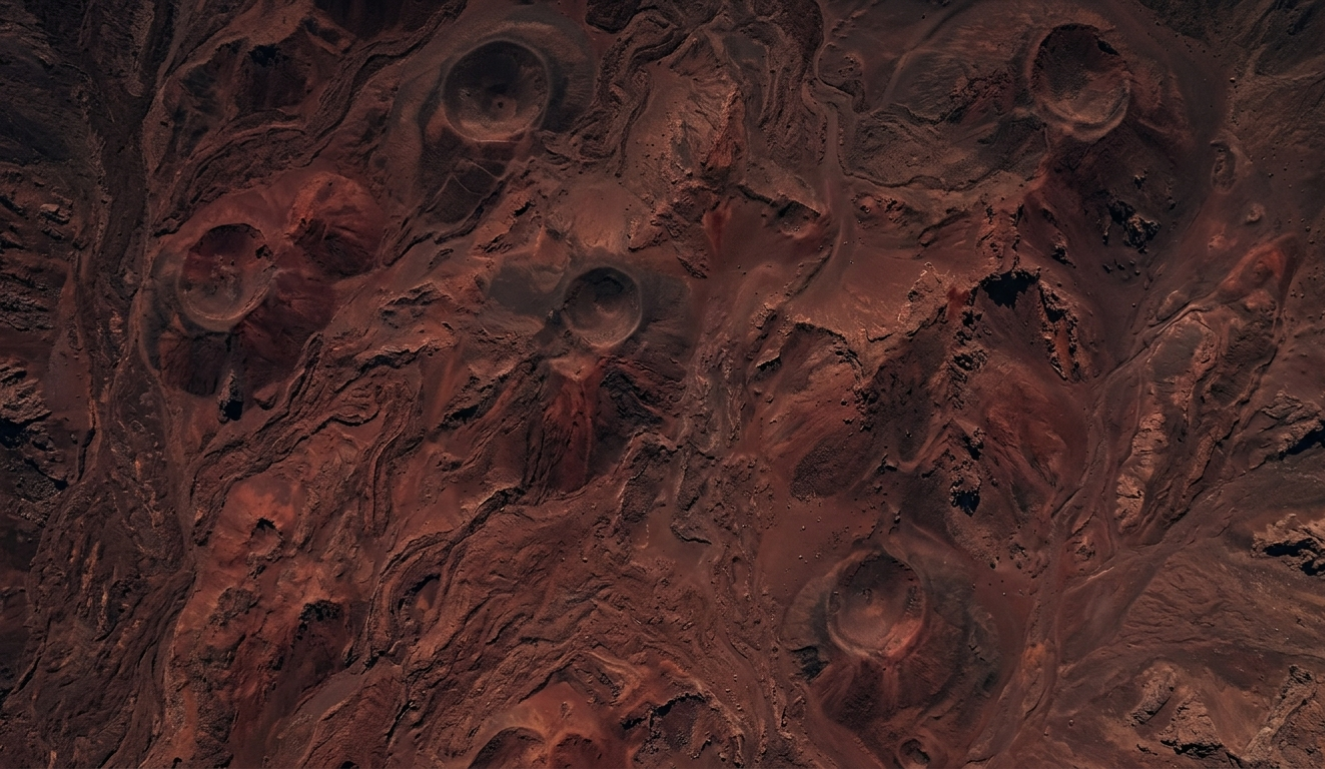
Haleakalā has a way of making people forget they are on a tropical island. The summit can be cold, windy, and thin-aired, even when the beaches below are warm. Don’t show up in beachwear and expect sunrise or sunset to be comfortable.
If you plan to visit the summit, bring layers and check access requirements before you go, especially for popular times of day. The drive is long, dark in the early morning, and full of switchbacks. Give yourself more time than you think you need, and don’t rush the descent.
Inside Haleakalā National Park, stay on marked trails and established areas. The volcanic landscape can look tough, but many alpine environments are fragile and slow to recover. This is not the place to wander off for a better angle, stack rocks, or pocket a piece of the landscape as a souvenir.
Don’t ignore the ocean’s mood
Maui’s beaches can look gentle and still deserve respect. Conditions change by season, swell direction, wind, and time of day. A beach that feels easy at 8 a.m. may be choppy by early afternoon. A sandy entry can develop strong shorebreak. Snorkeling visibility can go from clear to stirred up quickly.
Don’t decide to swim or snorkel based only on how the water looks from your hotel room or parking spot. Watch for a few minutes. Notice whether people are entering easily or getting knocked around. If lifeguards are present, pay attention to posted signs. If the water is brown after rain, choose a different plan.
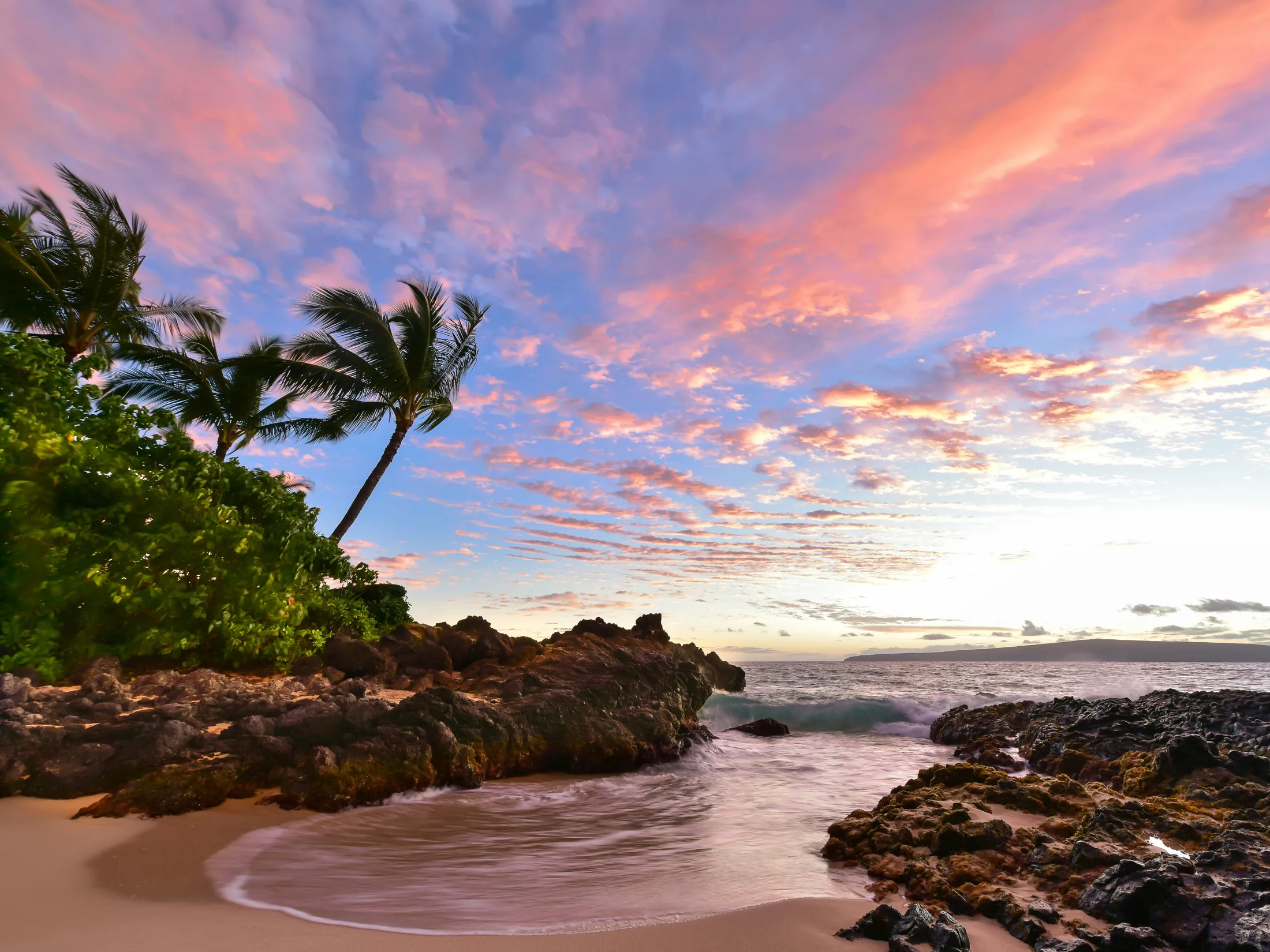
At places known for powerful shorebreak, including parts of Mākena, be especially conservative. You can have a great beach day without body-surfing steep waves or turning your back on the water at the shoreline. Maui’s ocean is generous, but it is not a swimming pool.
For snorkeling, don’t stand on coral, chase turtles, or crowd marine life for a photo. Float calmly, keep your fins up, and give animals room to move. The best encounters usually happen when you stop trying to manufacture them.
Don’t crowd wildlife
Seeing honu, the Hawaiian green sea turtle, is one of those Maui moments people remember for years. The right way to enjoy it is easy: stay back, let the animal rest or pass, and take your photo with space in the frame.
The same applies to Hawaiian monk seals and dolphins. These animals are protected, and guidance around viewing distances can change by species and situation. You do not need to memorize every rule to behave well. If an animal is resting, feeding, nursing, or moving through the water, give it a wide buffer and do not block its path.
Don’t touch, feed, follow, or try to swim alongside wildlife. On Maui, the better story is often the one where you watched from a respectful distance and let the moment stay wild.
Don’t treat cultural sites as props
Maui has heiau, ancient fishponds, burial areas, petroglyphs, churches, historic districts, and landscapes tied to Hawaiian stories and families. Some are signed and interpreted. Others are quiet, unmarked, or visible from the road without being open for wandering.
Don’t climb on walls, move stones, leave offerings, carve names, stack rocks, or stage photos in places that are clearly cultural or historic. Even if other people have done it before, it does not make the action harmless. A site can be physically sturdy and still culturally sensitive.
“Kapu” means forbidden, restricted, or sacred depending on context. If you see a kapu sign, a closed gate, or a notice asking visitors to stay out, take it plainly. Maui has plenty of places to explore without testing boundaries.
Don’t make Lāhainā someone else’s backdrop
Lāhainā carries history, beauty, and deep community grief. The town is not just a visitor memory or a scenic name on an itinerary. After the 2023 fires, many travelers have wanted to understand what happened and support Maui well. That instinct can be good, but it needs care.
Don’t go looking for damage, don’t photograph people’s loss, and don’t treat restricted or residential areas as a disaster tour. If you visit West Maui, spend money at open local businesses, follow posted access guidance, and let the community define what is ready for visitors.
Responsible travel here looks like eating at a local restaurant, tipping well, being patient with workers, buying from Maui makers, and not asking strangers to relive hard stories for your understanding.
Don’t assume beach access means parking
In Hawaiʻi, beaches are generally public, but access and parking are not the same thing. On Maui, this distinction matters. Some shoreline areas sit beside resorts, condos, narrow neighborhood roads, or sensitive coastal land. You may be allowed to reach the beach by a public access path, but that does not mean you can block a driveway, squeeze onto a shoulder, or leave a rental car where it disrupts residents.
Kīhei, Wailea, Kapalua, and parts of the North Shore all have places where parking fills early or access is limited. If a lot is full, move on. Don’t invent a space. Don’t park in landscaping.
A calmer plan is to build your beach day around realistic access: arrive earlier, choose a beach park with facilities, or pick a less complicated stretch of coast. Maui is not short on shoreline. The day usually improves when you stop fighting for one exact patch of sand.
Don’t take pieces of Maui home
A shell on the beach, a piece of coral, a smooth lava rock — these can feel like small things. But multiplied by thousands of visitors, small removals change places. Some items are also culturally inappropriate to take, especially from sacred or historic areas.
Leave natural objects where they are. The same goes for stacking rocks, which can disturb habitat, confuse trail markers, and alter places that are not yours to redesign.
The best souvenirs from Maui are not pieces of Maui. They are locally made goods, food products, art, clothing, books, and the kind of memories that do not need to be carried through airport security in a zip bag.
Don’t schedule the magic out of the trip
This may be the most common Maui mistake: planning every hour as if the island were an attraction circuit.
Maui is better with space in the day. Space for a slow breakfast before the beach. Space for wind to change your snorkeling plan. Space to pull over at a proper lookout and actually look. Space to skip a crowded stop without feeling like you failed.
The travelers who tend to have the best time here are not the ones who conquer the longest list. They are the ones who notice where they are. A good Maui day might be a summit sunrise, or it might be fish tacos after a swim, a nap in the shade, and a sunset you did not have to chase.
Avoid the easy mistakes, keep your plans flexible, and let Maui be more than a set of locations. That is when the island starts to feel less like a trip you managed — and more like a place you were lucky to meet.
Further Reading
A few relevant next steps from Alakai Aloha.
 BlogFirst-Timer Mistakes to Avoid on Maui
Maui looks simple on a map, but first trips can unravel fast. Learn how to plan around drive times, resort areas, Hāna, Haleakalā, and beach days with more ease.
Editor's pick GuideBest Tours and Things to Do on Maui
A guide to best Maui tours.
Editor's pick ActivityHaleakalā National Park
Explore Haleakalā National Park, encompassing the dormant volcano's summit for breathtaking sunrises, sunsets, and stargazing, alongside the lush Kīpahulu District's waterfalls and pools.
Editor's pick ActivityRoad to Hana
Embark on an iconic 64-mile scenic adventure along Maui's northeastern coast, navigating winding roads through lush rainforests, past cascading waterfalls, and dramatic sea cliffs on this full-day exploration.
Editor's pick