
Kahanu Garden, National Tropical Botanical Garden
Kahanu Garden offers a unique journey through Pacific ethnobotany and ancient Hawaiian culture, featuring the immense Piʻilanihale Heiau and the world's largest breadfruit collection.
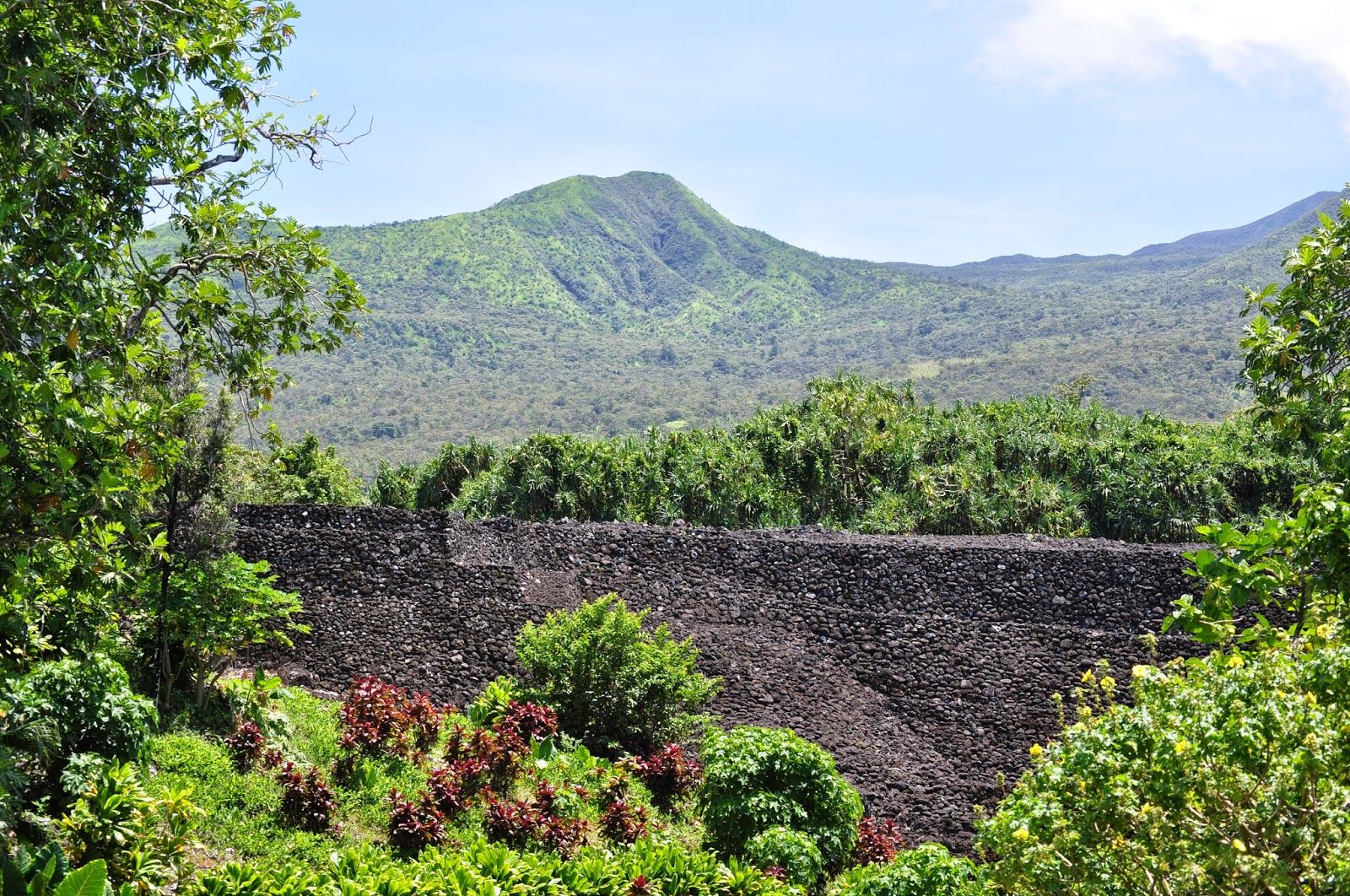
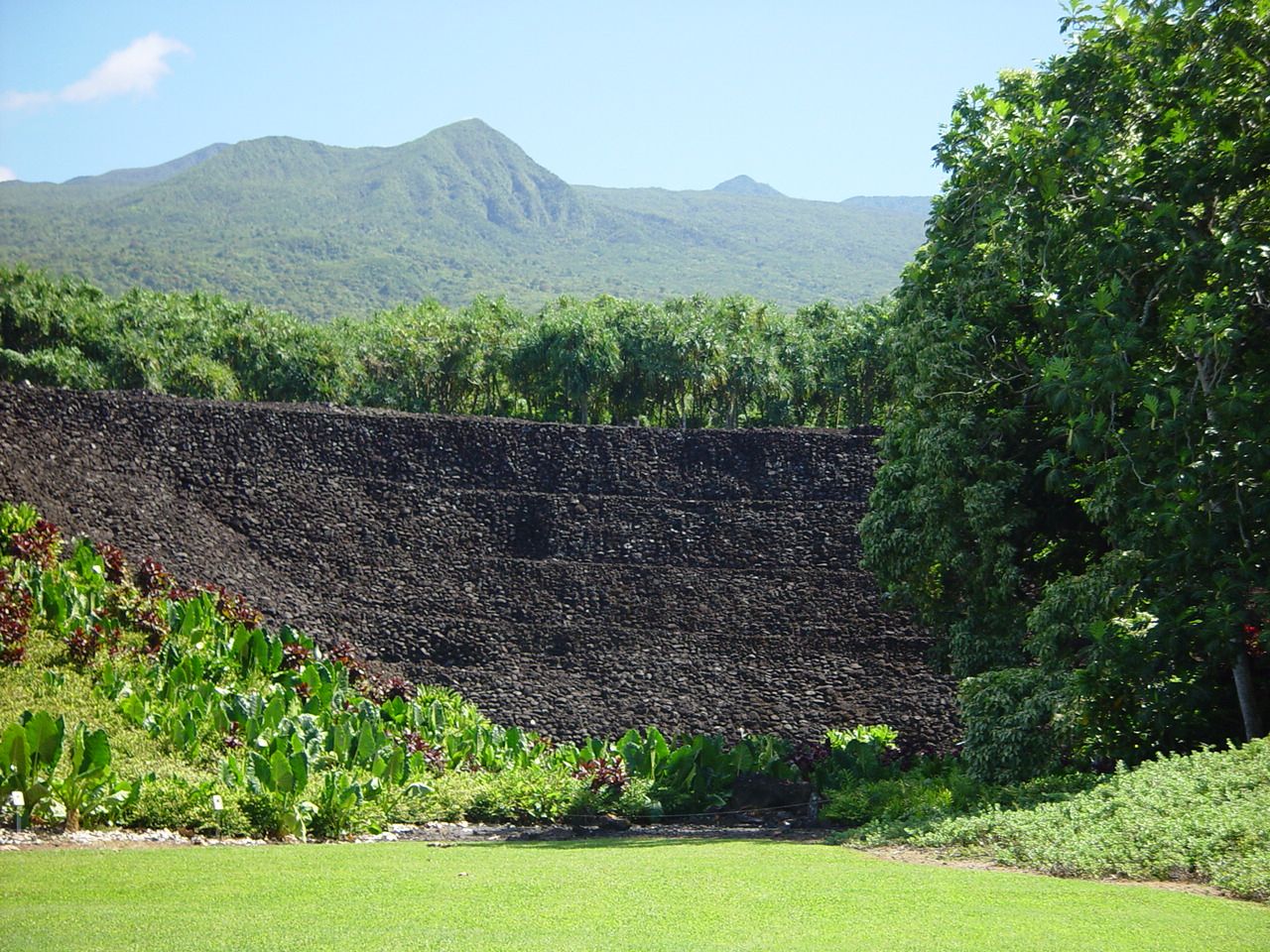
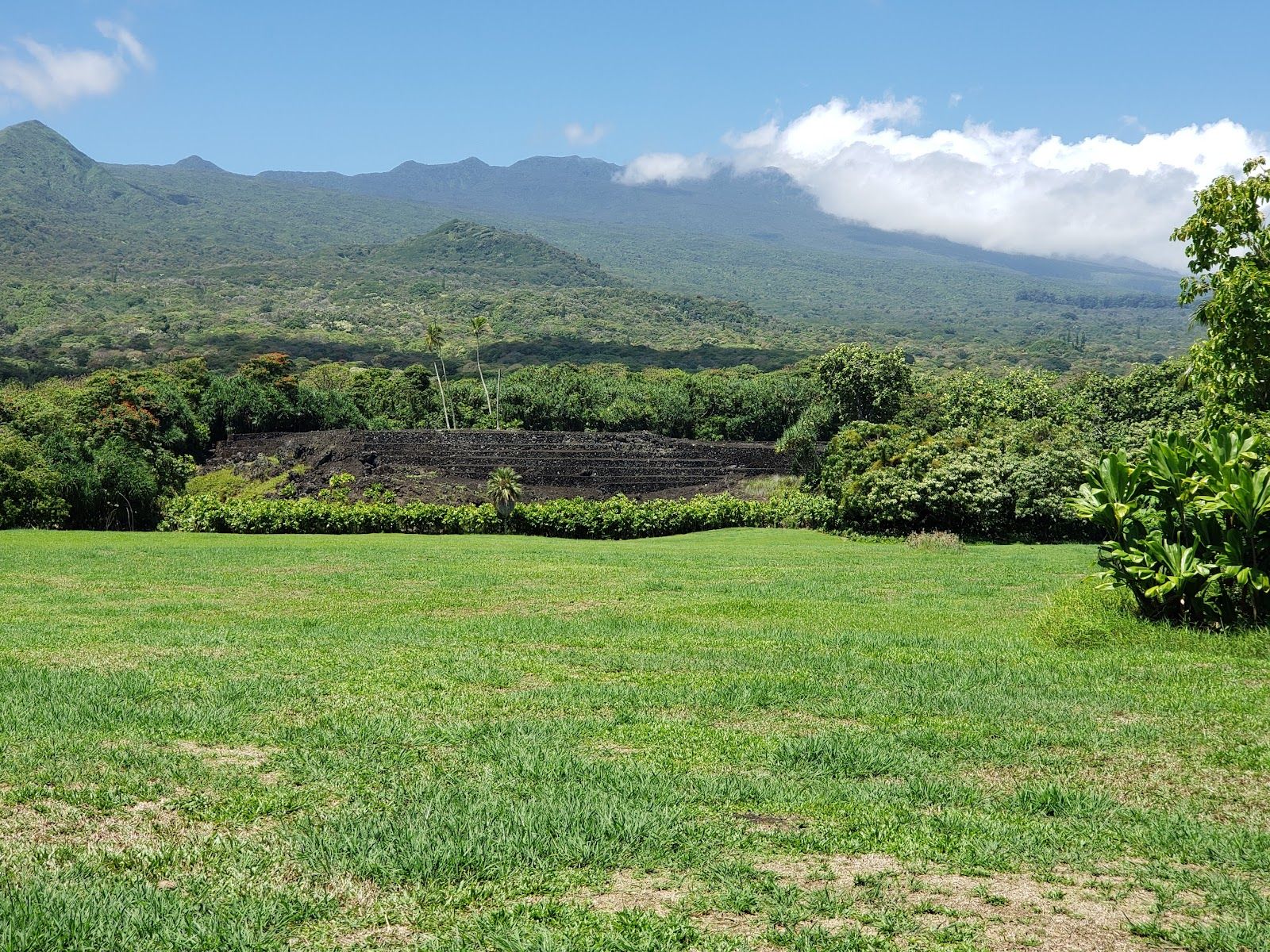
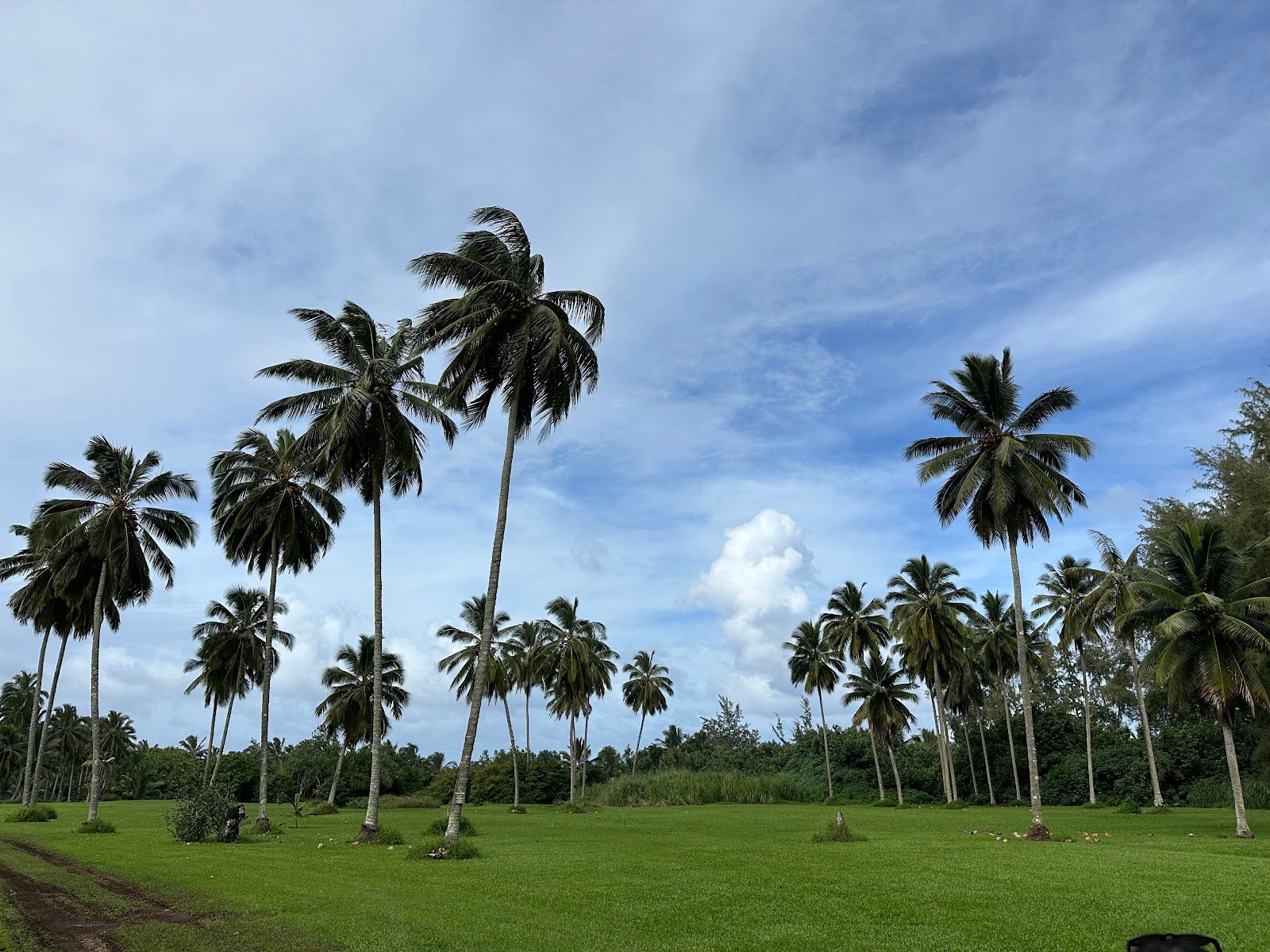
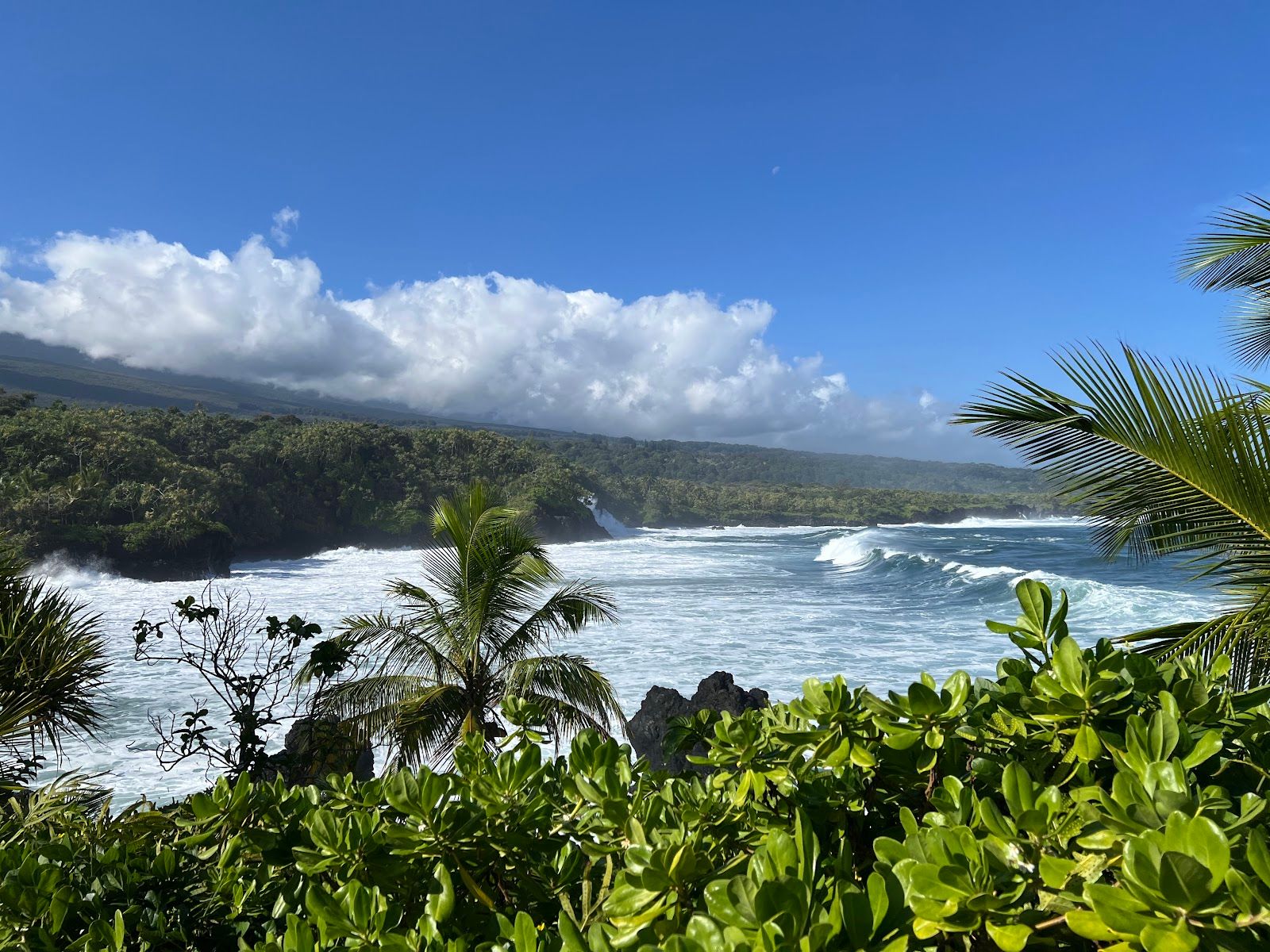
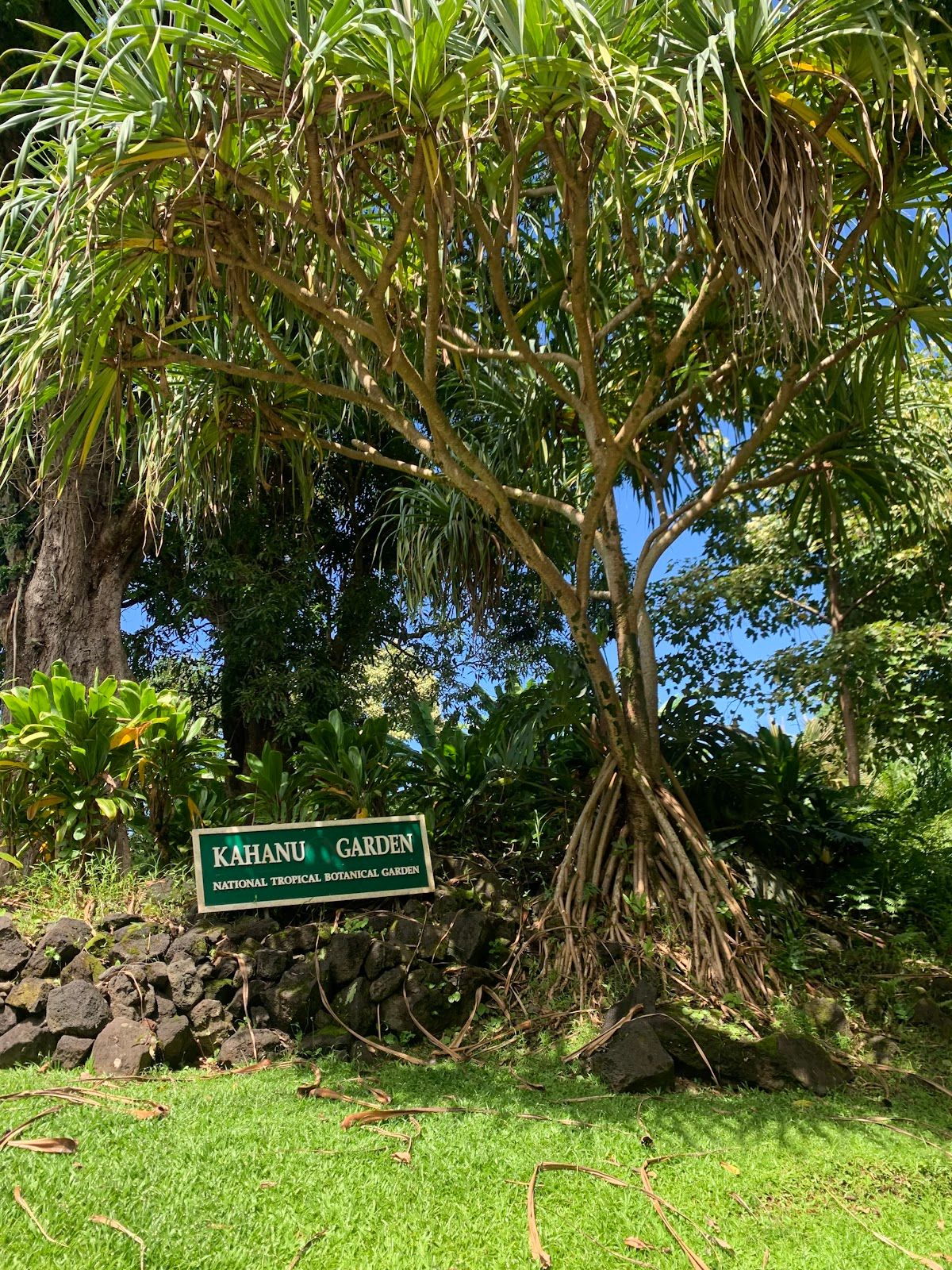
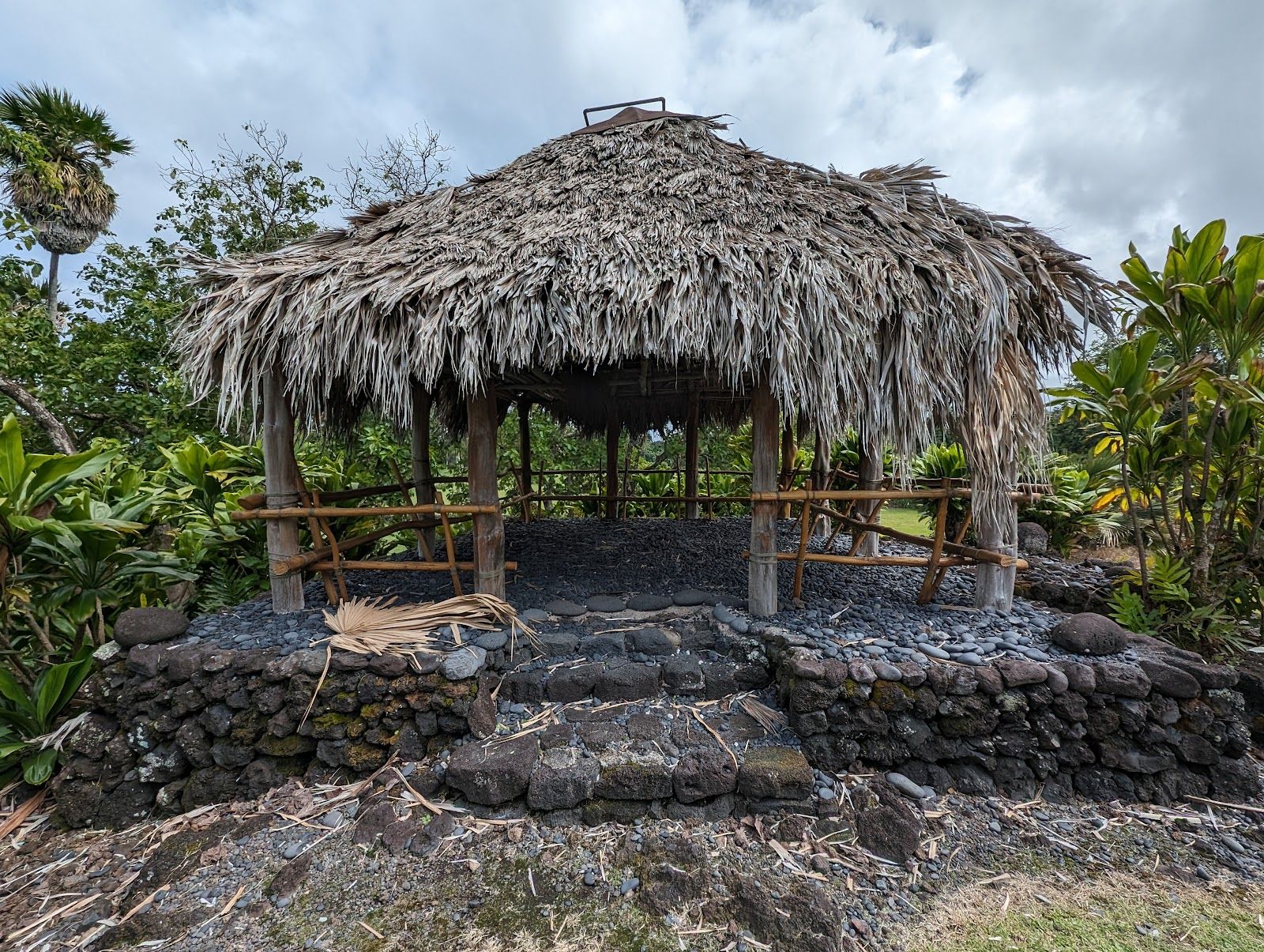
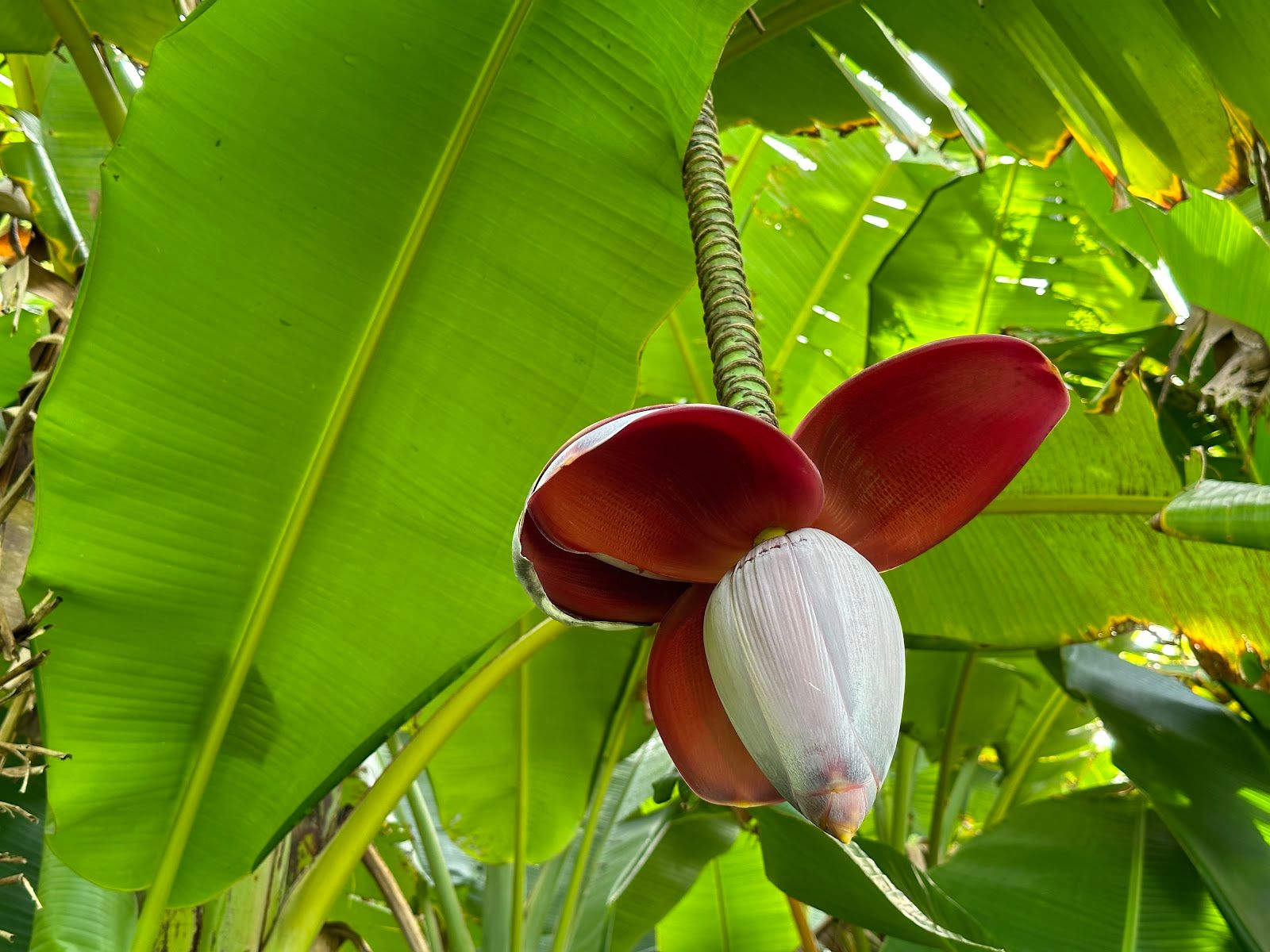
- Piʻilanihale Heiau (National Historic Landmark)
- World's largest breadfruit ('ulu) collection
- Ethnobotanical garden focused on Pacific plants
- Self-guided and guided tour options
Kahanu Garden, National Tropical Botanical Garden is one of East Maui’s most distinctive cultural stops: a sprawling ethnobotanical garden near Hāna that combines Pacific plant collections with one of Hawaiʻi’s most important ancient stone structures. It fits naturally into a Road to Hāna day or a slower East Maui itinerary, especially for travelers who want more than scenery alone. The setting feels rooted in place rather than decorative, and that is exactly what makes it stand out.
Piʻilanihale Heiau and the cultural core of the garden
The center of the experience is Piʻilanihale Heiau, a massive lava-rock temple and National Historic Landmark that gives Kahanu Garden a weight few garden stops can match. The site is deeply tied to Hawaiian history and protocol, and that shapes the visit: this is not a place to rush through or treat casually. Visitors should stay on paths, avoid climbing any stone structures, and treat the heiau and surrounding grounds with the respect due to a sacred site.
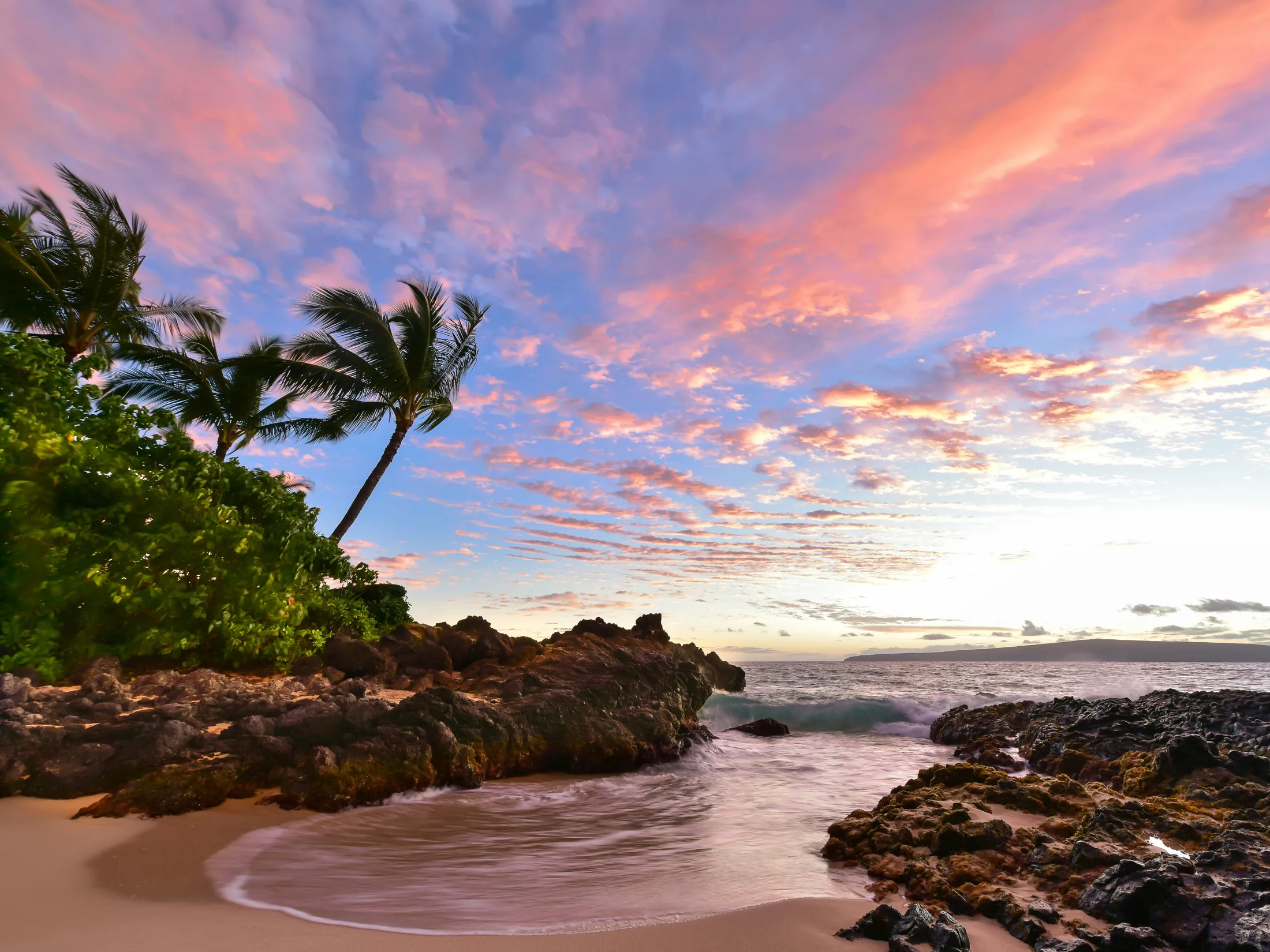
That cultural depth is what separates Kahanu Garden from more ornamental botanical gardens. The landscape is quiet, open, and often humbling, with sea views along the East Maui coast adding a strong sense of place. For many travelers, the garden is less about a checklist of plants and more about understanding how land, food, spirituality, and navigation traditions connect in Hawaiʻi.
Breadfruit, canoe plants, and the Pacific garden story
Kahanu Garden is especially strong for travelers interested in ethnobotany. Its collection includes the world’s largest breadfruit, or ʻulu, collection, along with canoe plants such as kalo, ʻuala, and maiʻa. These are plants carried through the Pacific by early voyagers and later woven into daily Hawaiian life. A canoe garden here is not just a display; it is a living explanation of movement, survival, and cultural memory across Oceania.
Informational plaques and visitor materials help make sense of what is planted and why it matters. That makes the garden a good stop for families, students, and anyone who prefers learning through the landscape itself. The native hala forest adds another layer of character, giving the grounds a more natural, less manicured feel than many botanical gardens.
How to work it into a Maui day
Kahanu Garden works best as a focused stop rather than a quick drive-by. A self-guided visit can fit comfortably into a Road to Hāna day if there is room for an hour or more, while a guided visit asks for more deliberate pacing. That slower rhythm is part of the appeal. This is a good place to pause after the drive down the coast and before pushing farther into Hāna’s more famous waterfalls, beaches, or scenic lookouts.
The tradeoff is straightforward: this is not the right stop for travelers looking for a flashy floral garden or a high-adrenaline outing. Its value comes from culture, history, and setting. Weather can also matter here, since East Maui is lush, rainy, and sometimes slippery underfoot. Comfortable walking shoes are the right choice, and it is sensible to keep an eye on road conditions, especially if the day has already included a lot of driving.
Best fit: history-minded travelers, not shortcut hunters
Kahanu Garden is especially rewarding for travelers drawn to Hawaiian history, sacred sites, and traditional plant use. It is also a strong choice for families who want an educational stop that still feels outdoorsy and spacious. Those with only a few hours on the Hana side of the island may want to choose between this and another major stop, rather than trying to squeeze it into an overloaded itinerary.
It is less essential for visitors focused mainly on waterfalls, swimming, or dramatic coastal scenery. But for anyone who wants East Maui to feel more meaningful than scenic, Kahanu Garden is one of the area’s most memorable stops.