

ʻĪao Valley State Monument
ʻĪao Valley State Monument offers a unique blend of natural beauty, accessible trails, and deep historical and cultural significance, highlighted by the iconic ʻĪao Needle.
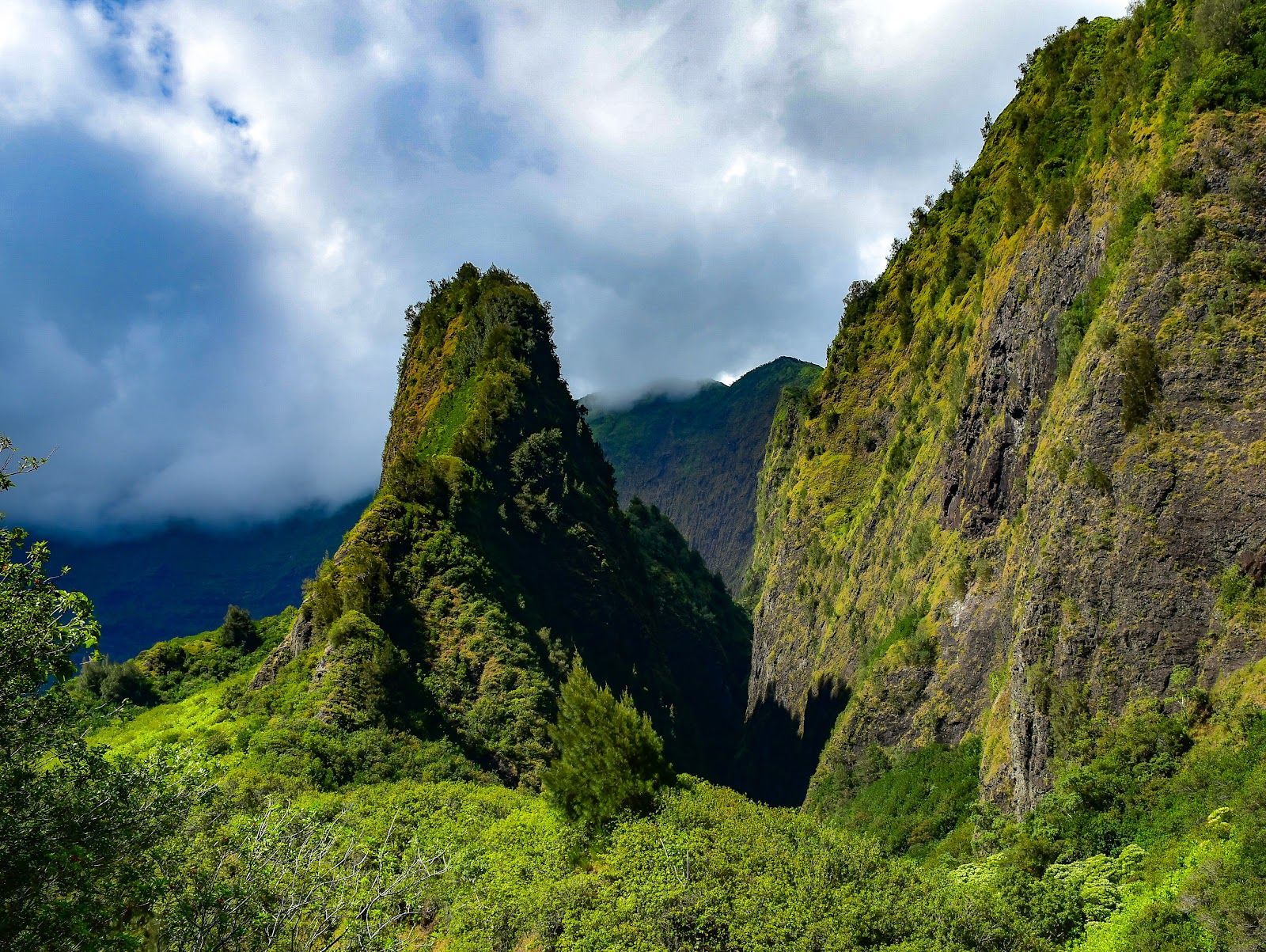
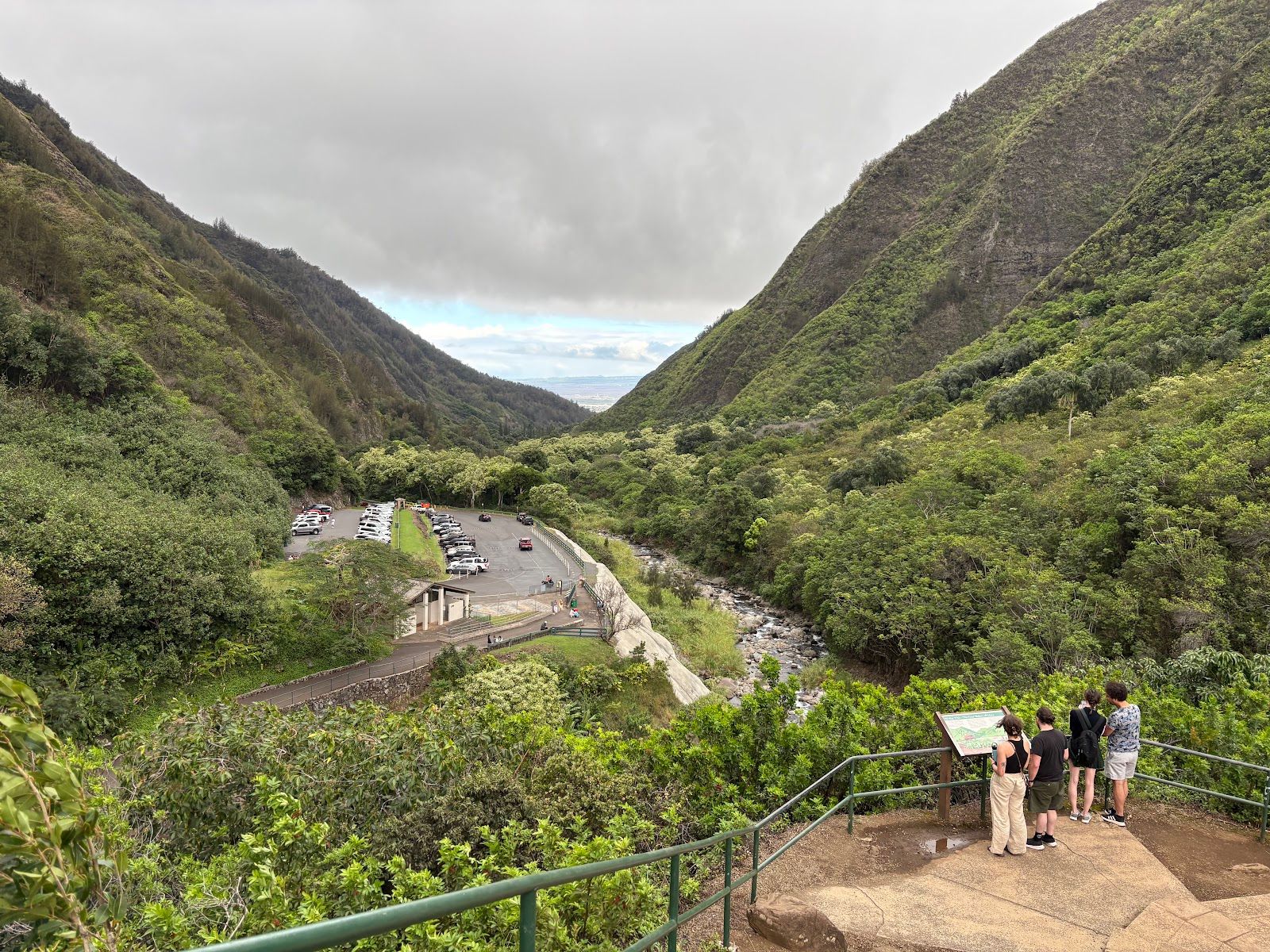
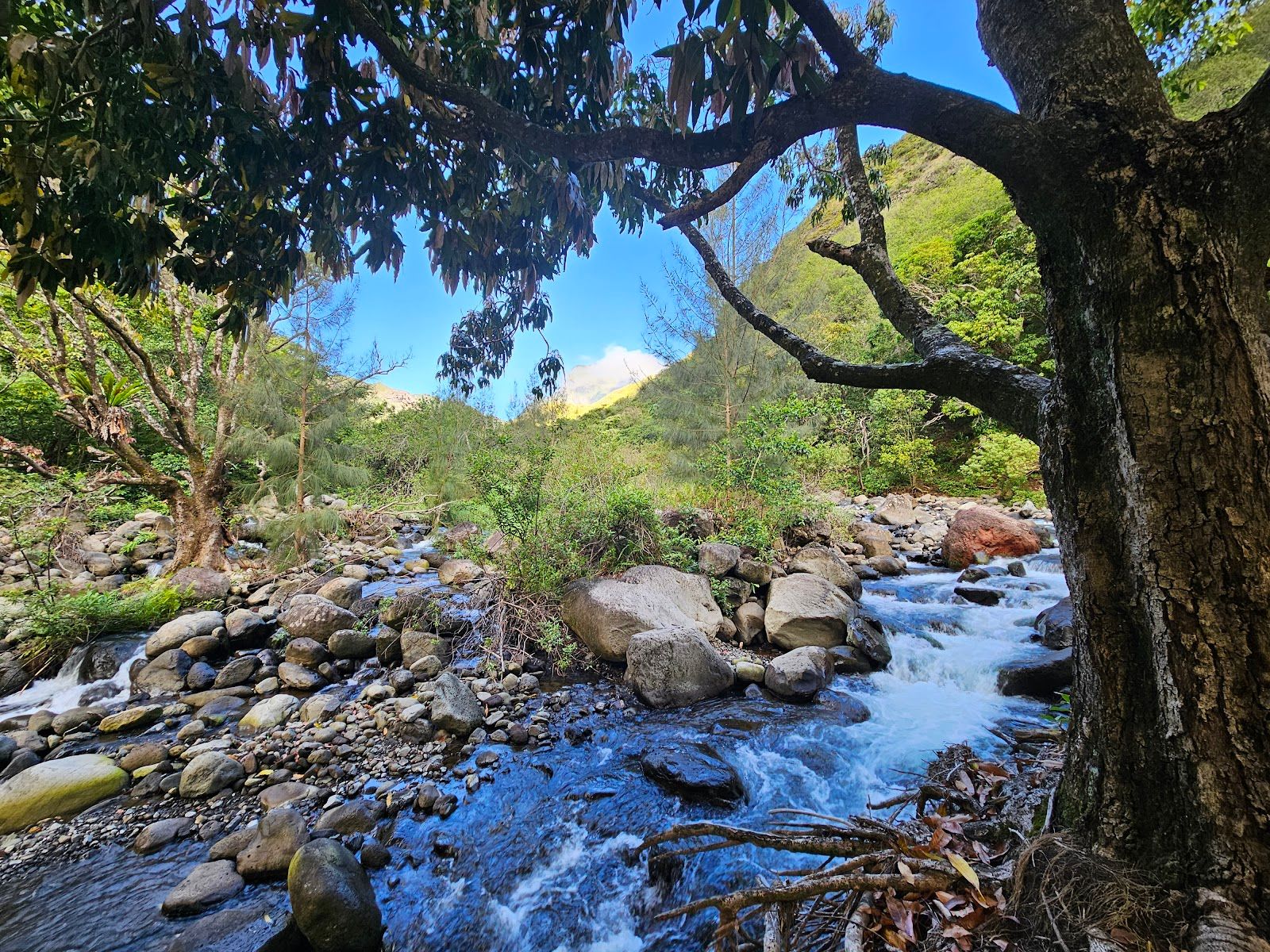
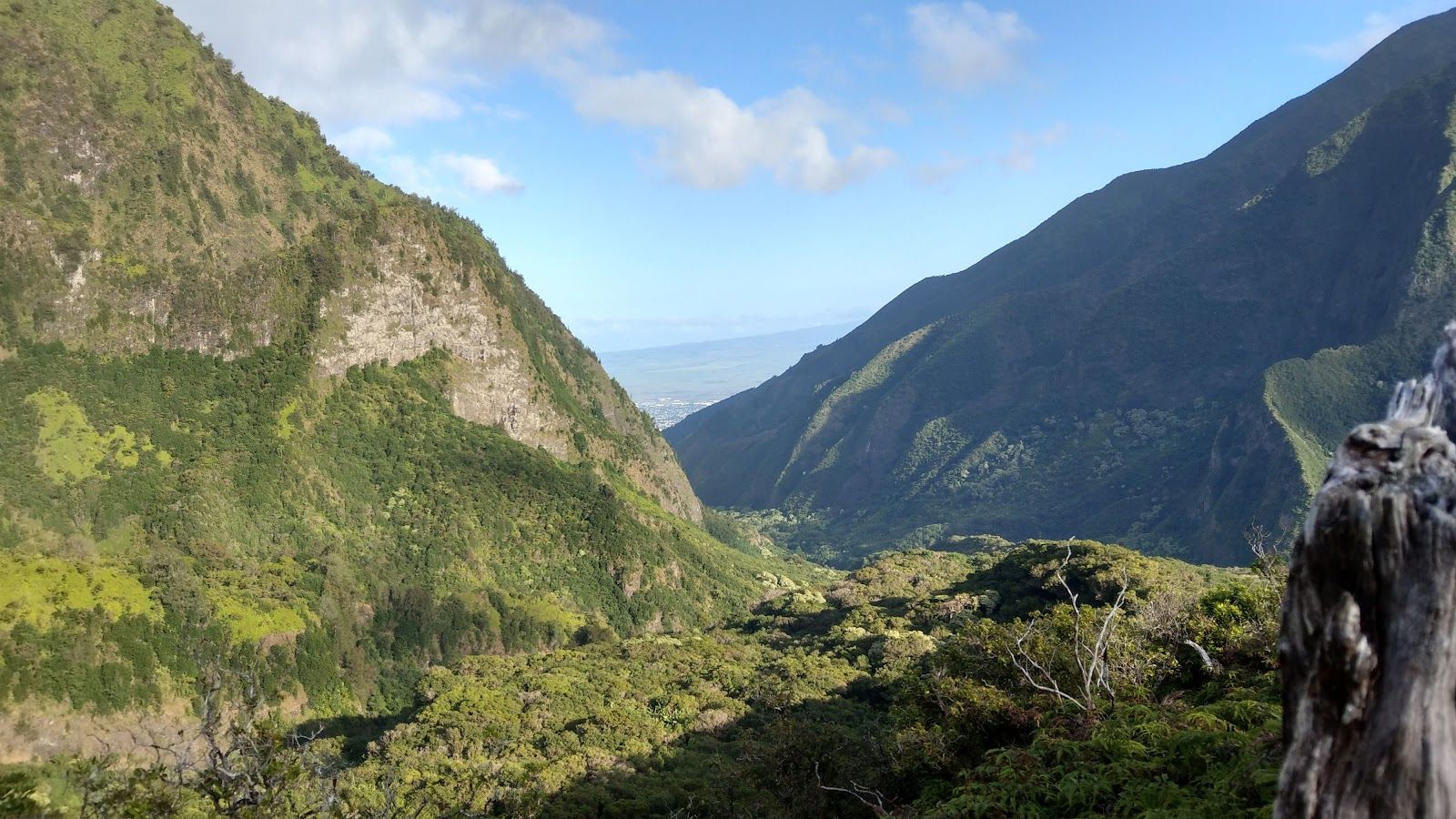
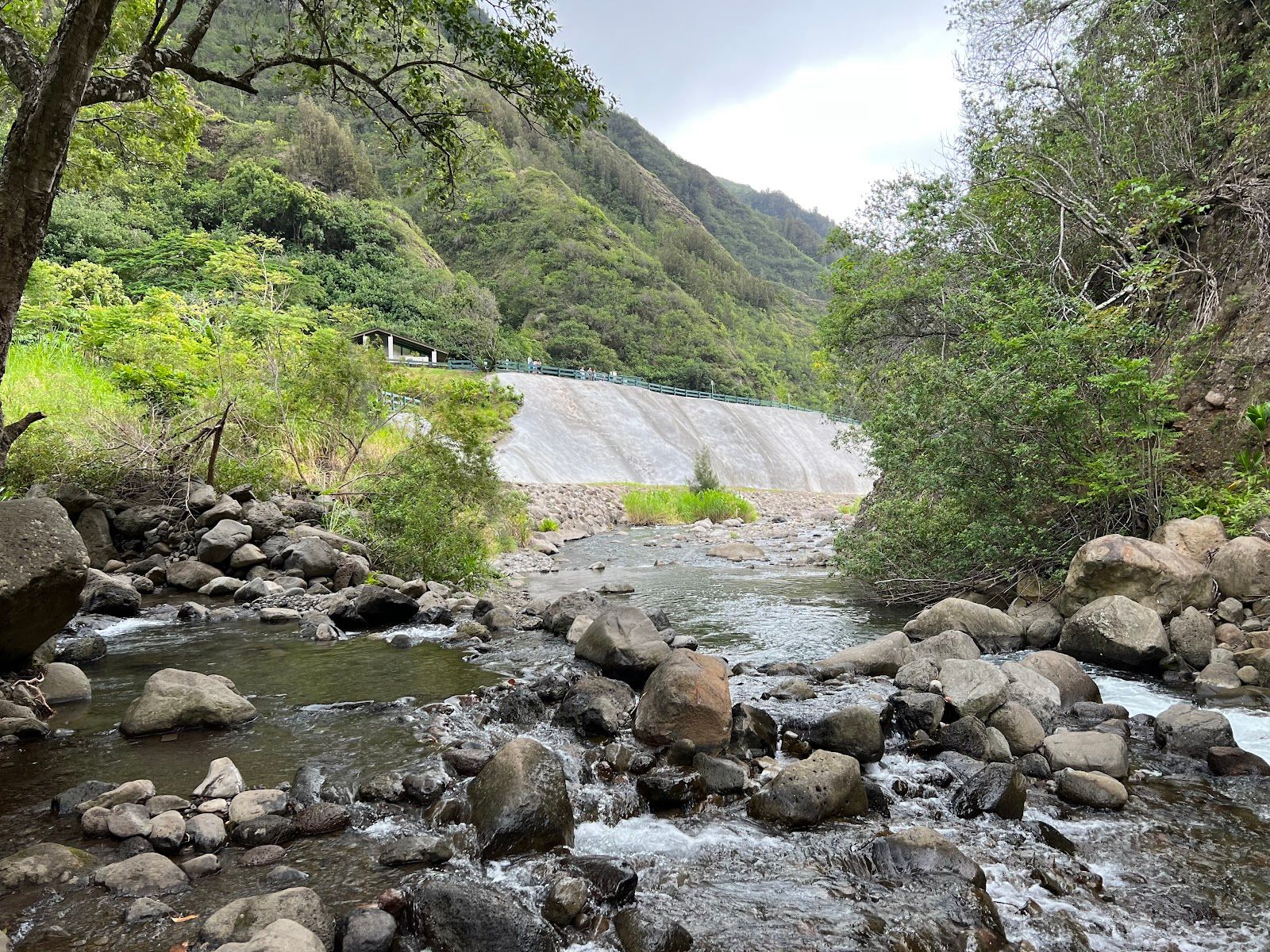
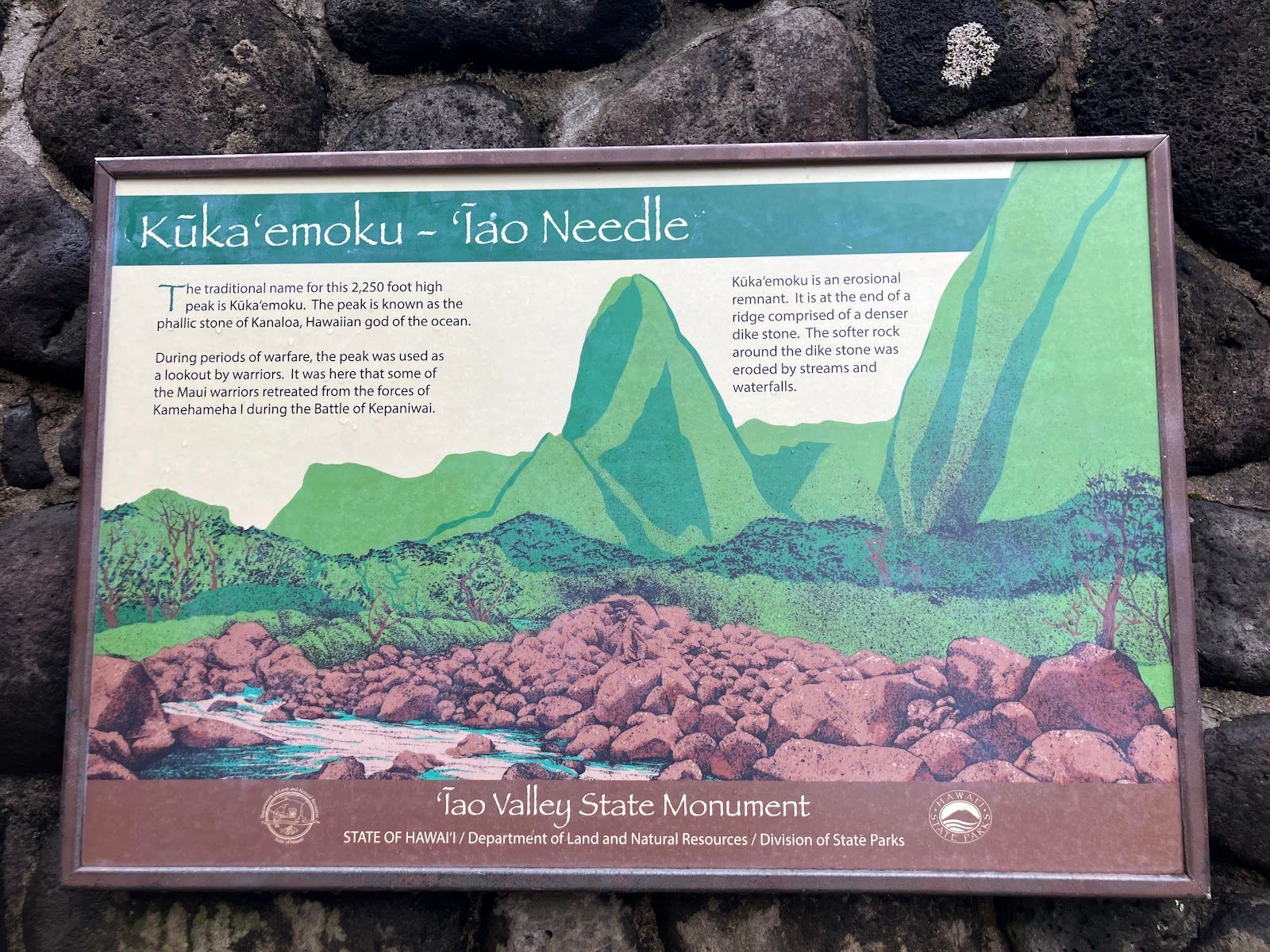
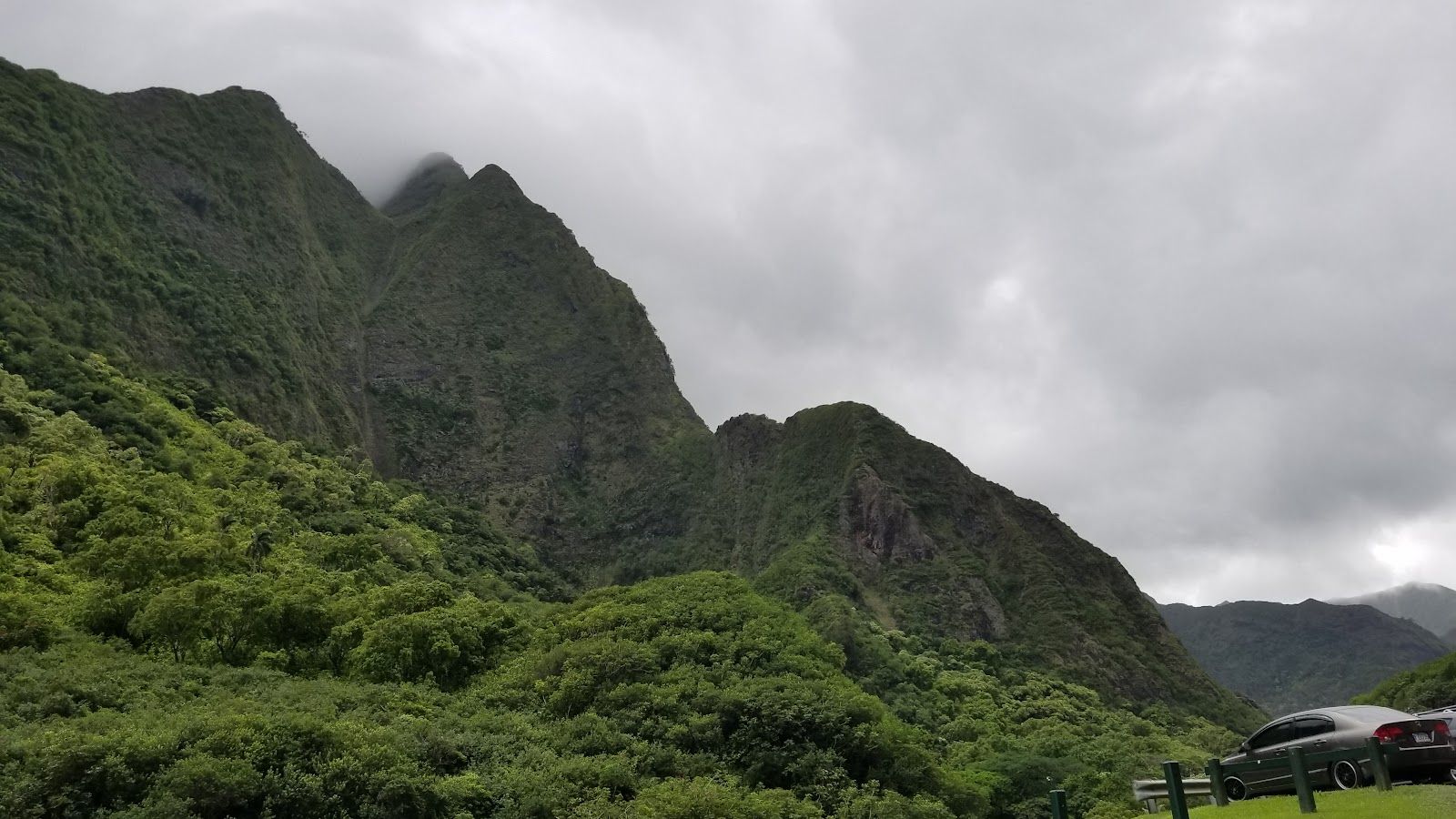
- Iconic ʻĪao Needle views
- Paved walking trails
- Educational ethnobotanical loop
- Rich historical and cultural site
ʻĪao Valley State Monument is one of Central Maui’s most rewarding short stops: a lush state park in Wailuku where a paved trail leads to big valley views, a close look at the ʻĪao Needle, and a setting that carries real cultural weight. It works well as a half-day add-on from West Maui or Kahului, especially for travelers who want scenery and history without committing to a long hike.
ʻĪao Needle and the valley setting
The signature draw is the ʻĪao Needle, or Kūkaʻemoku, a steep green rock spire that rises sharply from the valley floor. The surrounding landscape feels enclosed and dramatic, with rainforest vegetation, stream water, and ridgelines that make the place feel very different from Maui’s beach corridors.
The main route is the paved ʻĪao Needle Lookout Trail and Ethnobotanical Loop. It is short, but it does include a steady climb and some steps, so “easy” does not mean flat. Most travelers can handle it without much trouble, and the paved surface makes it more approachable than many island walks. Interpretive signs along the way add useful context about native and traditional Hawaiian plants, which gives the visit more depth than a simple viewpoint stop.
Why it matters beyond the viewpoint
This valley is not just scenic; it is an important cultural landscape. ʻĪao Valley was a burial ground for Hawaiian aliʻi and kahuna, and it was also the site of the Battle of Kepaniwai in 1790, a major conflict tied to Kamehameha I’s unification campaign. That history changes the feel of the place. It is worth moving through it thoughtfully and staying on the designated paths.
The atmosphere is often cooler and wetter than surrounding parts of Maui, which helps create the rainforest feel but also means slippery conditions can follow rain. A light layer and shoes with grip are smarter choices than beachwear and sandals.
Reservations, parking, and timing
Planning matters here more than the walk itself. Non-resident visitors need reservations and pay both entry and parking fees, while Hawaiʻi residents with valid ID are exempt. Parking is limited, so this is not a place to wing it on a busy day.
For most visitors, the best strategy is an early arrival. Morning light is better for views, temperatures are gentler, and the valley is less likely to be wrapped in clouds later in the day. The entire visit often takes about an hour, which makes it easy to pair with Wailuku town, the nearby gardens at Kepaniwai Park Heritage Gardens, or a Central Maui meal afterward.
One important tradeoff: the valley’s beauty comes with real weather risk. Stream conditions can change quickly, and swimming is at one’s own risk. Flash flooding is a serious concern, so this is a place to treat with normal rainforest caution, not as a casual water-play stop.
Best fit for a Maui itinerary
ʻĪao Valley State Monument is best for travelers who want a compact outing with scenery, culture, and a sense of place. Families usually find it manageable, and it suits visitors who prefer a short walk over a strenuous hike. It also fits well for anyone building a Central Maui day around Wailuku and the island’s interior instead of spending the whole day in the water.
Travelers focused only on beaches, snorkeling, or long trail days may want to prioritize something else. This is a place for a focused, meaningful stop rather than a full-day adventure, and that is exactly why it belongs in a smart Maui itinerary.