

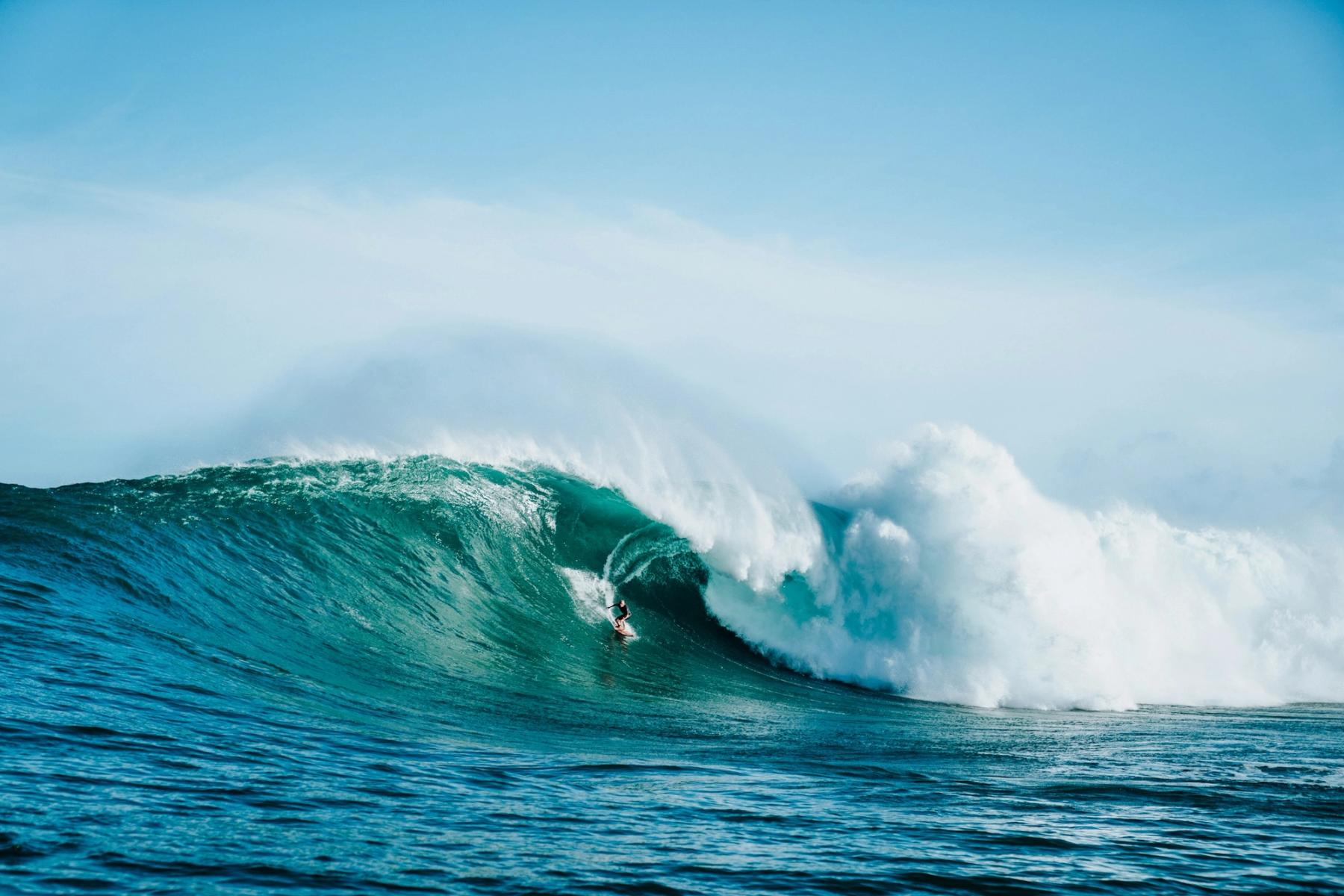
Haʻikū
Windward North Shore countryside of gulches, farms, and quiet roads behind Pāʻia.
Good Fit For
- Rural, lived-in Maui
- Green windward scenery
- Low-key home base
- North Shore day trips
- Backroad driving
Trade-offs
- Scattered, not walkable
- Limited visitor amenities
- Frequent rain showers
- Narrow rural roads
Logistics & Getting Around
Haʻikū is car-dependent and spread out on inland roads behind the North Shore. Expect quick drives to Pāʻia and Central Maui, and slower going on smaller lanes. Weather is often breezy with passing showers.
Nearby Areas in North Shore
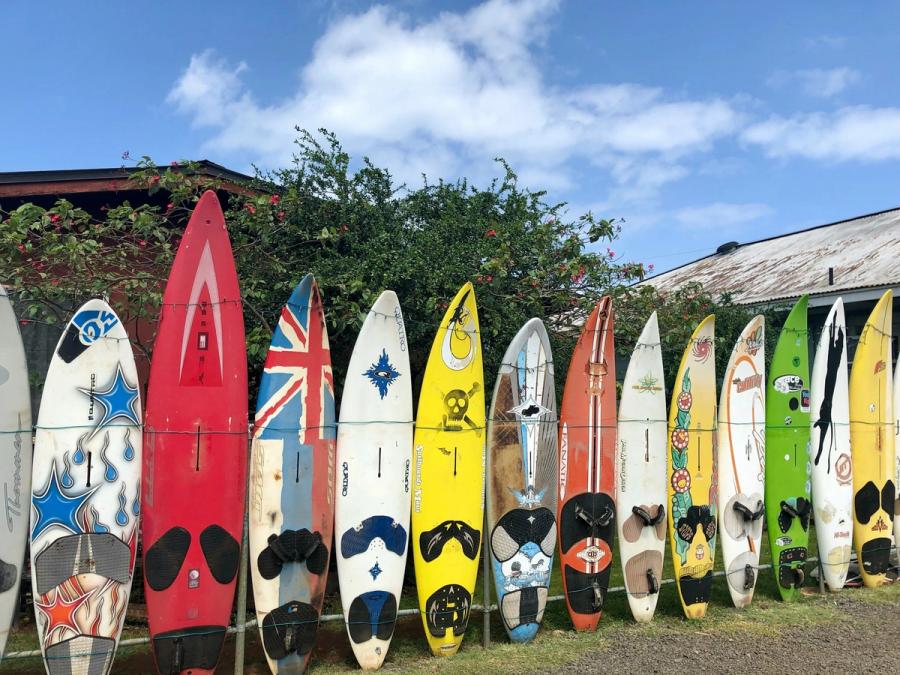
Signature Experiences in Haʻikū
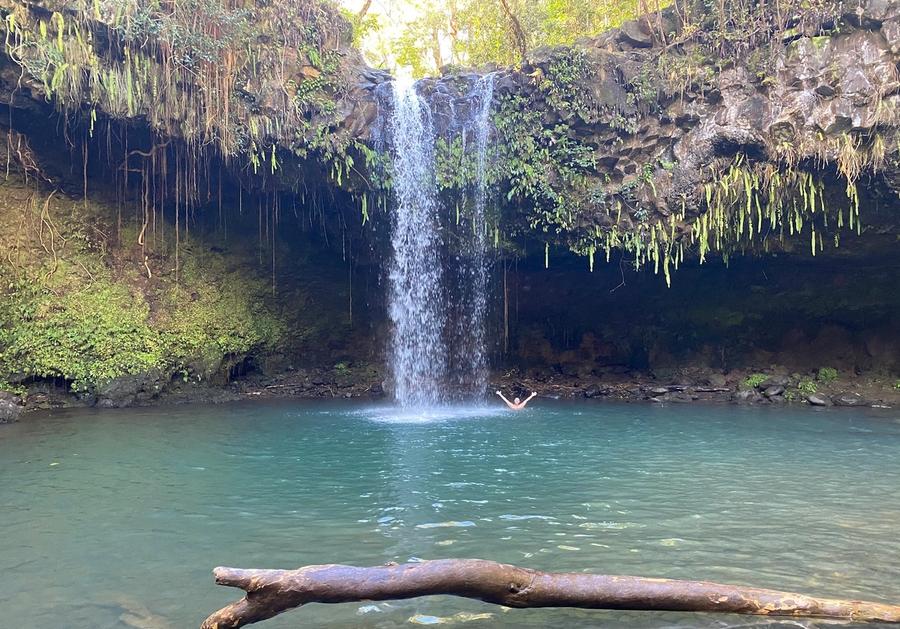
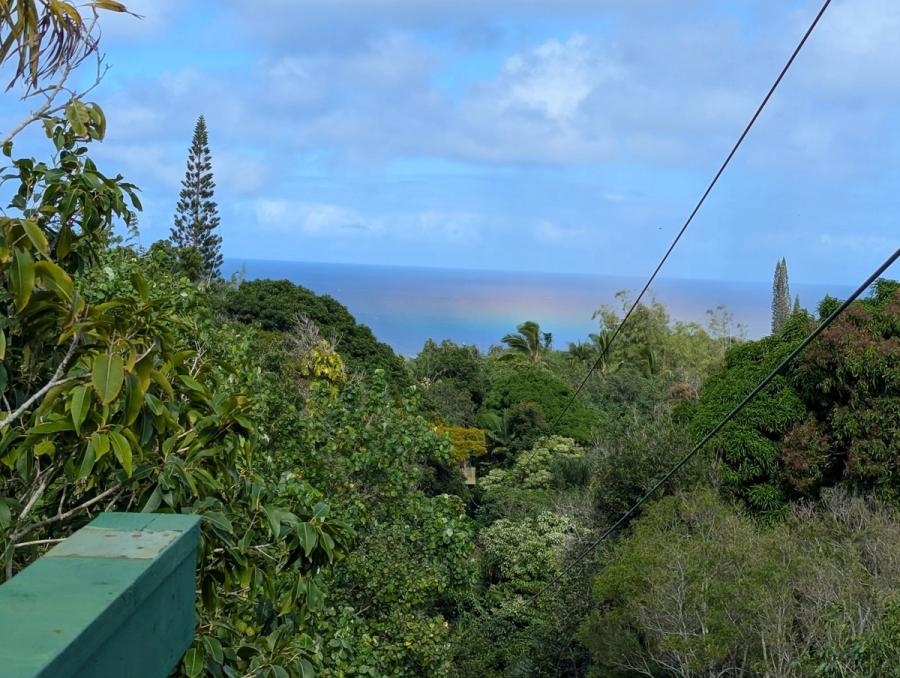

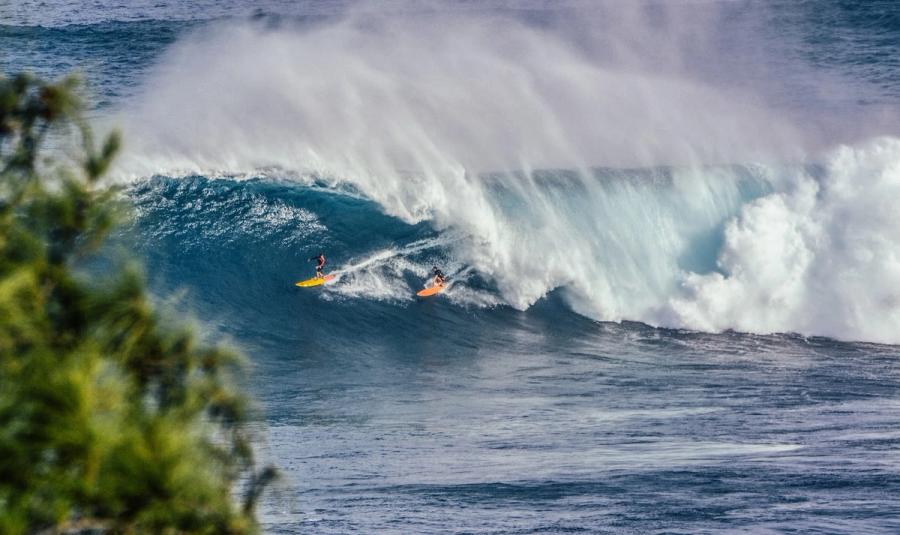
The feel: windward, rural, unhurried
Haʻikū sits just inland from Maui’s North Shore, where the trade winds and frequent showers keep everything greener than the leeward side. It doesn’t read as a single “town” so much as a patchwork of neighborhoods, small local nodes, farm parcels, and winding roads that dip through gulches and climb back out. Days here tend to feel quiet: roosters, wind in the trees, and the sense that most people you see are going about regular life.
Compared with nearby Pāʻia—Maui’s compact, visitor-forward North Shore hub—Haʻikū is more private and spread out. You come for the countryside atmosphere and the way it puts you near a lot of North Shore and Central Maui routes without being in the middle of the action.
How travelers typically use Haʻikū
For many visitors, Haʻikū is something you pass through on the way to or from the coast: a green inland backdrop between Central/Upcountry Maui and Pāʻia, or an early stretch when you’re heading east before the scenery turns into the more committed East Maui drive. Others choose it deliberately as a calm base—more “wake up in the trees” than “step out to a main street.”
Because it’s dispersed, the experience is mostly about moving through it: short errands, scenic detours, and slow drives where the landscape is the point. If you’re expecting a walkable center, a beach-town vibe, or a lineup of shops and restaurants, it can feel like there’s “nothing there”—but that’s also the appeal for travelers who want less buzz.
What to expect day to day
Roads can be narrow and curvy, and addresses aren’t always intuitive. You’ll want to be comfortable driving and comfortable with weather that changes quickly—sun breaks followed by misty showers are normal on the windward side.
Food and nightlife are limited within Haʻikū itself, so most people gravitate to Pāʻia or Central Maui for more choice. Beaches are primarily a North Shore affair nearby, often beautiful but exposed to wind and surf; conditions can be dramatic and not always suited to casual swimming.
Nearby context that helps
Think of Haʻikū as the quiet inland counterpart to Pāʻia: easy access to North Shore stops when you want them, and a softer, more residential setting when you don’t. Head farther east and the feel gradually shifts toward the East Maui corridor—less like “North Shore” and more like a longer, more time-consuming drive.

Can't decide where to stay? Get personalized advice.
Custom recommendations built from the web's most comprehensive Kauai guide.