
Peahi
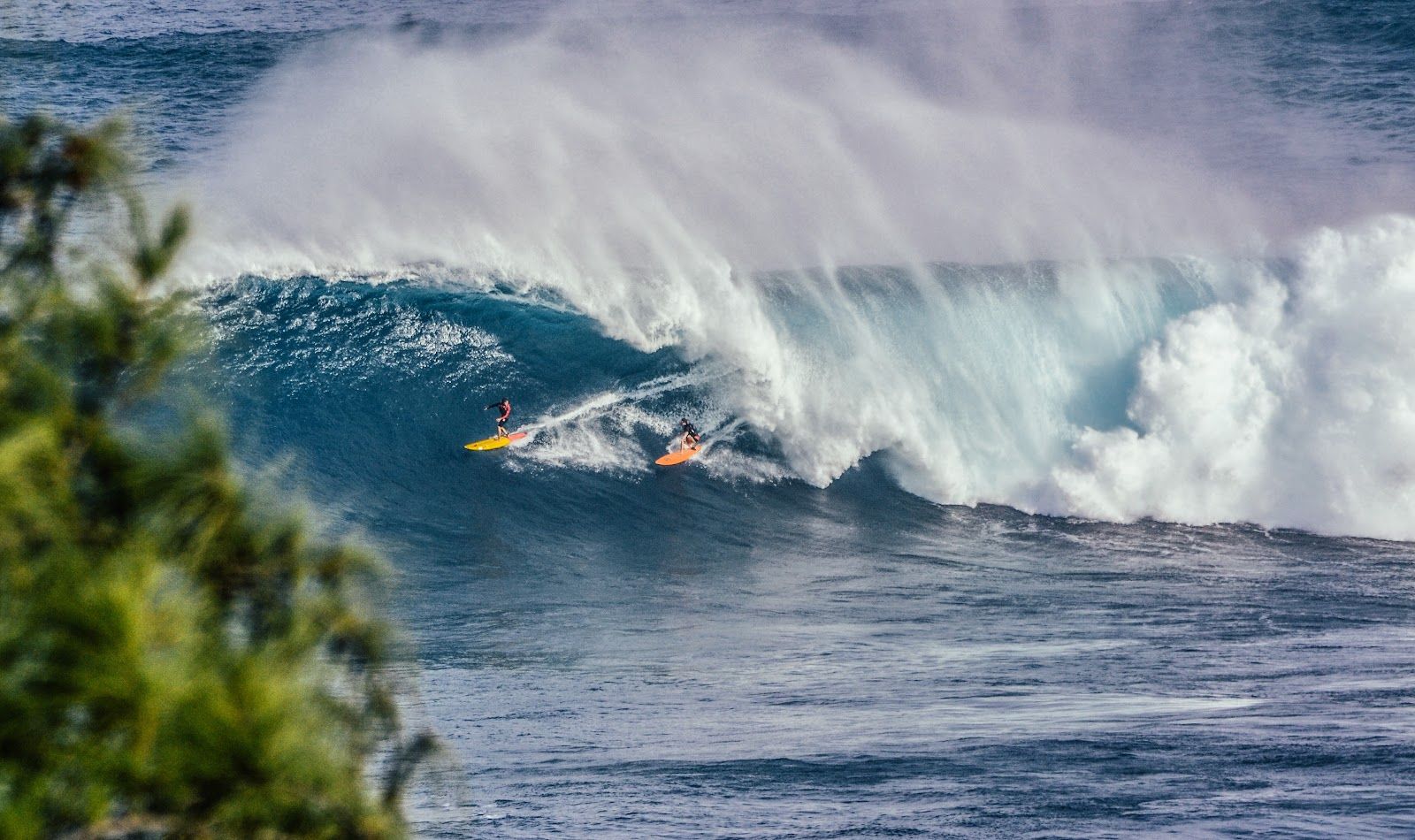
Peahi, also known as "Jaws," is Maui's legendary big-wave surf break where elite surfers challenge colossal swells, offering a thrilling spectacle during winter months for prepared visitors.


- World-renowned big-wave surf break
- Prime viewing for professional big-wave surfers
- Best conditions observed during winter (Nov-Mar)
- Opportunities for coastal whale-watching
Peahi is Maui’s legendary North Shore big-wave spot, better known by the surfing nickname “Jaws.” It is not a conventional beach day stop; it is a place to witness the island’s raw ocean power from the cliffs and lookouts above the break. That makes it a very specific itinerary choice: best for travelers who want a dramatic coastal scene, a shot at watching elite surfers in serious swell, and a North Shore detour that feels distinct from Maui’s more familiar sand-and-swim experiences.
Why Peahi stands out
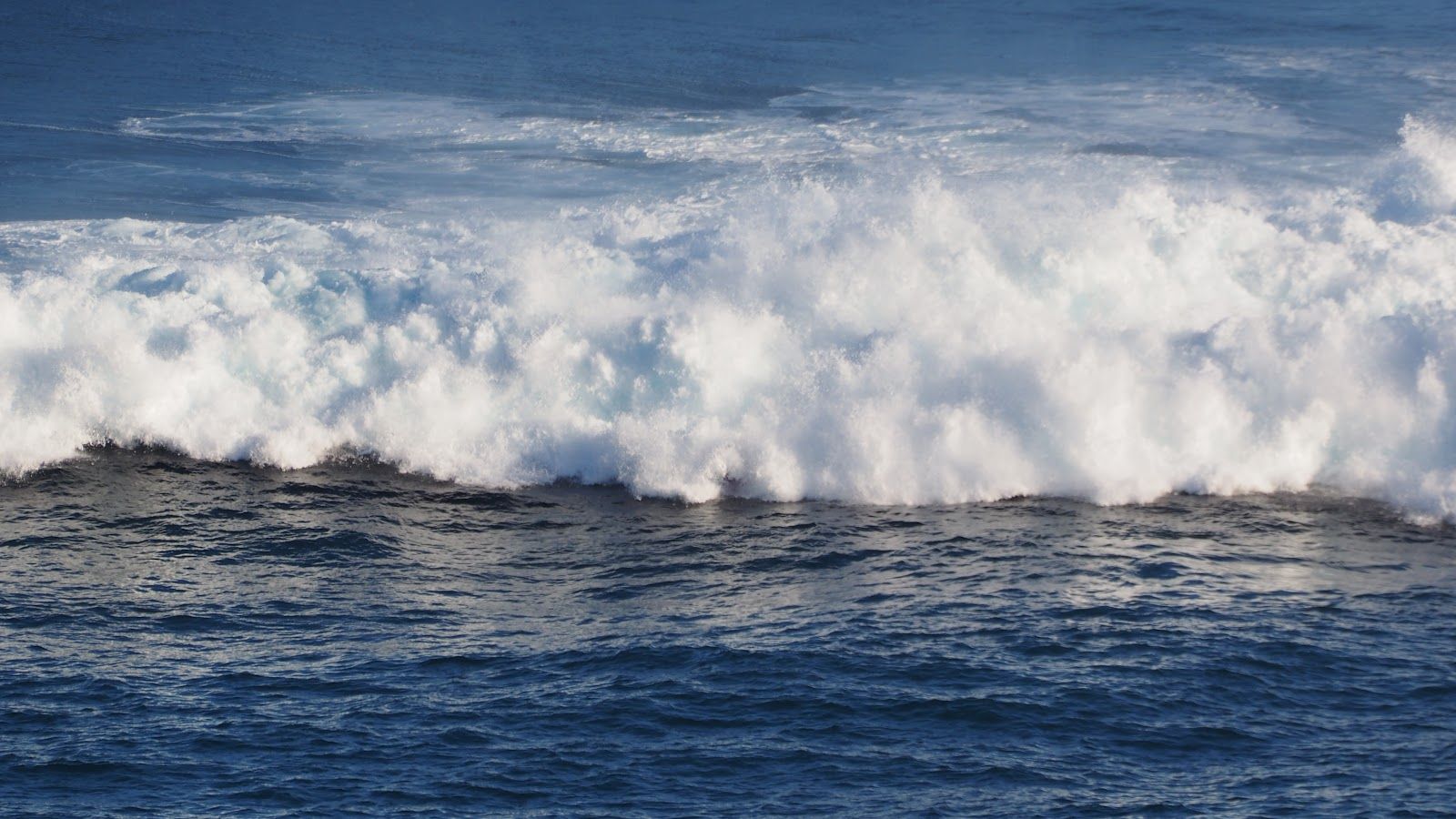
Peahi’s reputation comes from the way the seafloor funnels incoming swell into enormous, fast-moving waves. In winter, especially from November through March, the break can become a world-stage event, with professional big-wave surfers drawn to the site when conditions line up. On those rare days, the experience is less about “going to the beach” and more about standing above a living wall of water while the North Shore puts on a show.
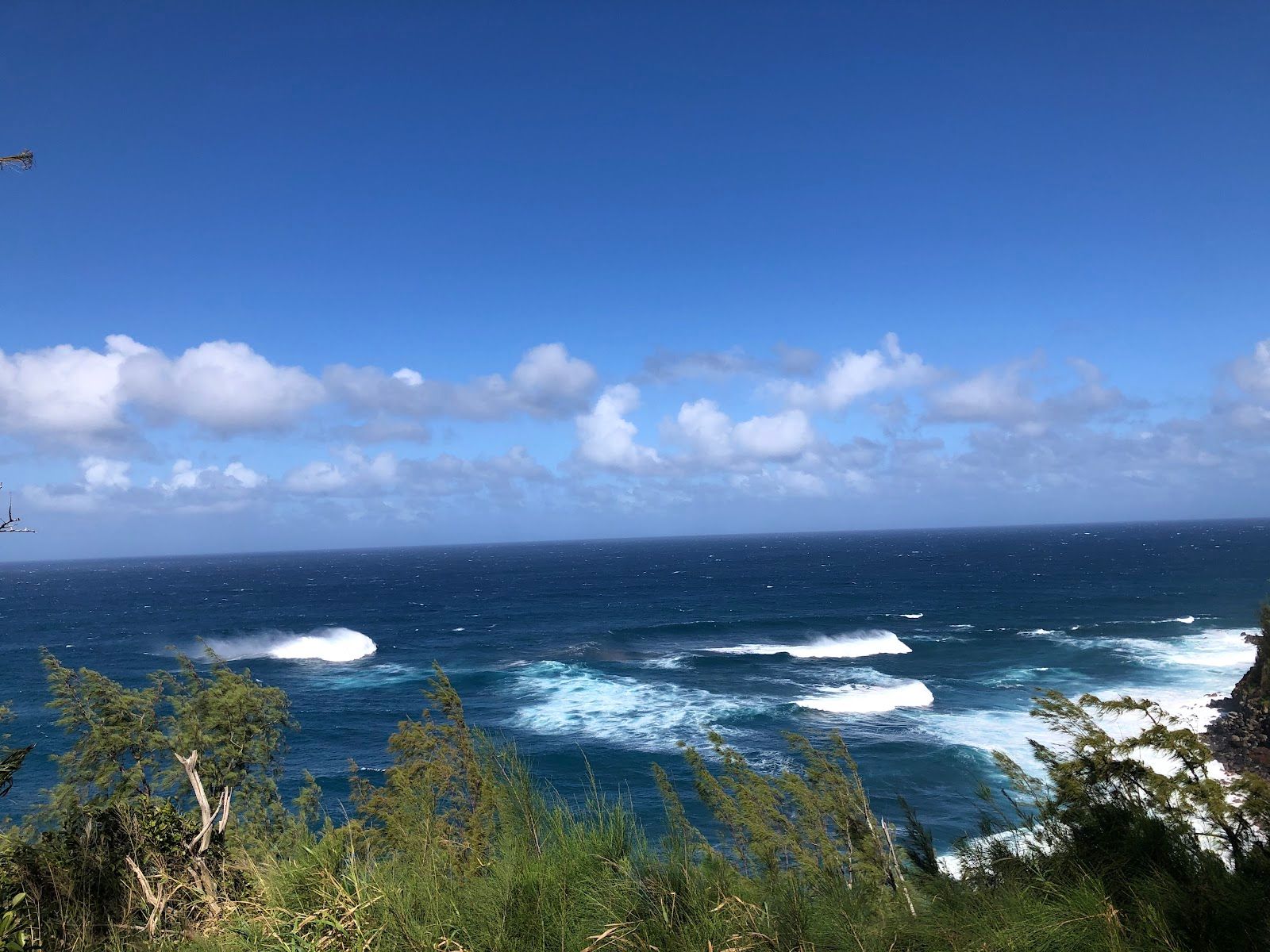
Even when surf is active, viewing should be treated as cliffside observation, not shoreline recreation. This is not a place for swimming or snorkeling. The appeal is the spectacle itself: powerful surf, a rugged coastal backdrop, and, in season, the possibility of spotting whales offshore as well.
Access is part of the tradeoff
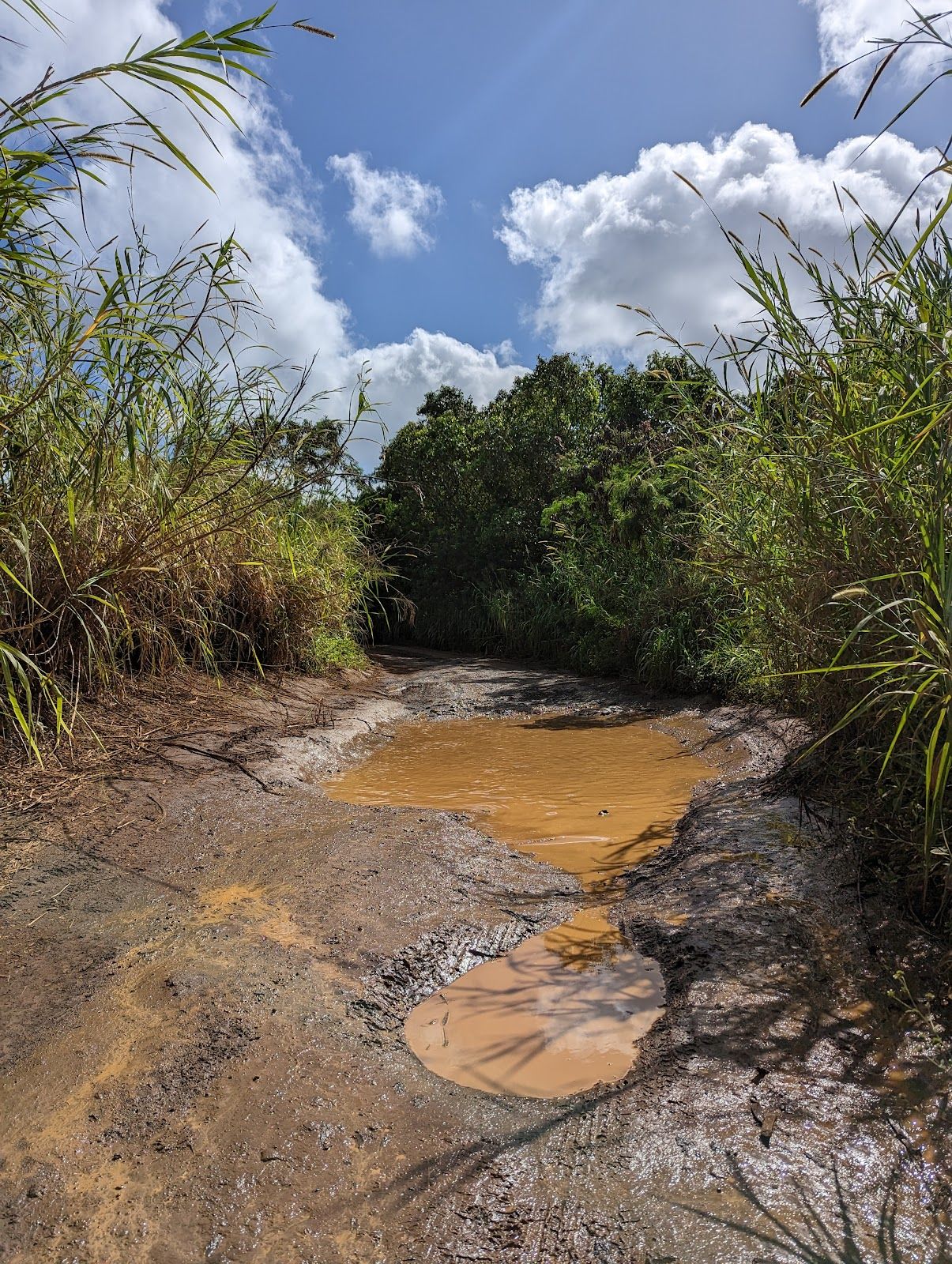
Getting to Peahi is not as simple as pulling off the highway and walking to the sand. The best-known viewing area is reached via Hahana Road off Hana Highway, and the road turns quickly from paved to rough, unpaved dirt. A 4WD vehicle is strongly recommended, and after rain the access can become muddy and awkward enough to deter less-prepared drivers. Some visitors end up parking earlier and walking in.
Parking is limited, and the area can get congested on big surf days. That makes timing important: when swell forecasts look promising, arrive early and expect the possibility of crowds, roadside parking, and a bit of patience. There are no on-site facilities, so bring water, sun protection, and sturdy footwear.
Best used as a winter swell stop
Peahi works best as a flexible half-day add-on rather than a fixed appointment. The right move is to build it into a North Shore day with room to adjust around surf forecasts and weather. If the swell is not there, the stop may feel underwhelming; the spot is famous precisely because it is so dependent on rare conditions. When the ocean is calm, there is little reason to make a special trip.
Who it suits
Peahi is a strong fit for surf fans, photographers, and travelers who appreciate Maui’s more rugged coastal character. It is also a good choice for anyone interested in seeing why the North Shore has such a serious reputation. It is a poor match for anyone looking for an easy beach outing, accessible facilities, or a place to swim. For those travelers, Maui has many better options.