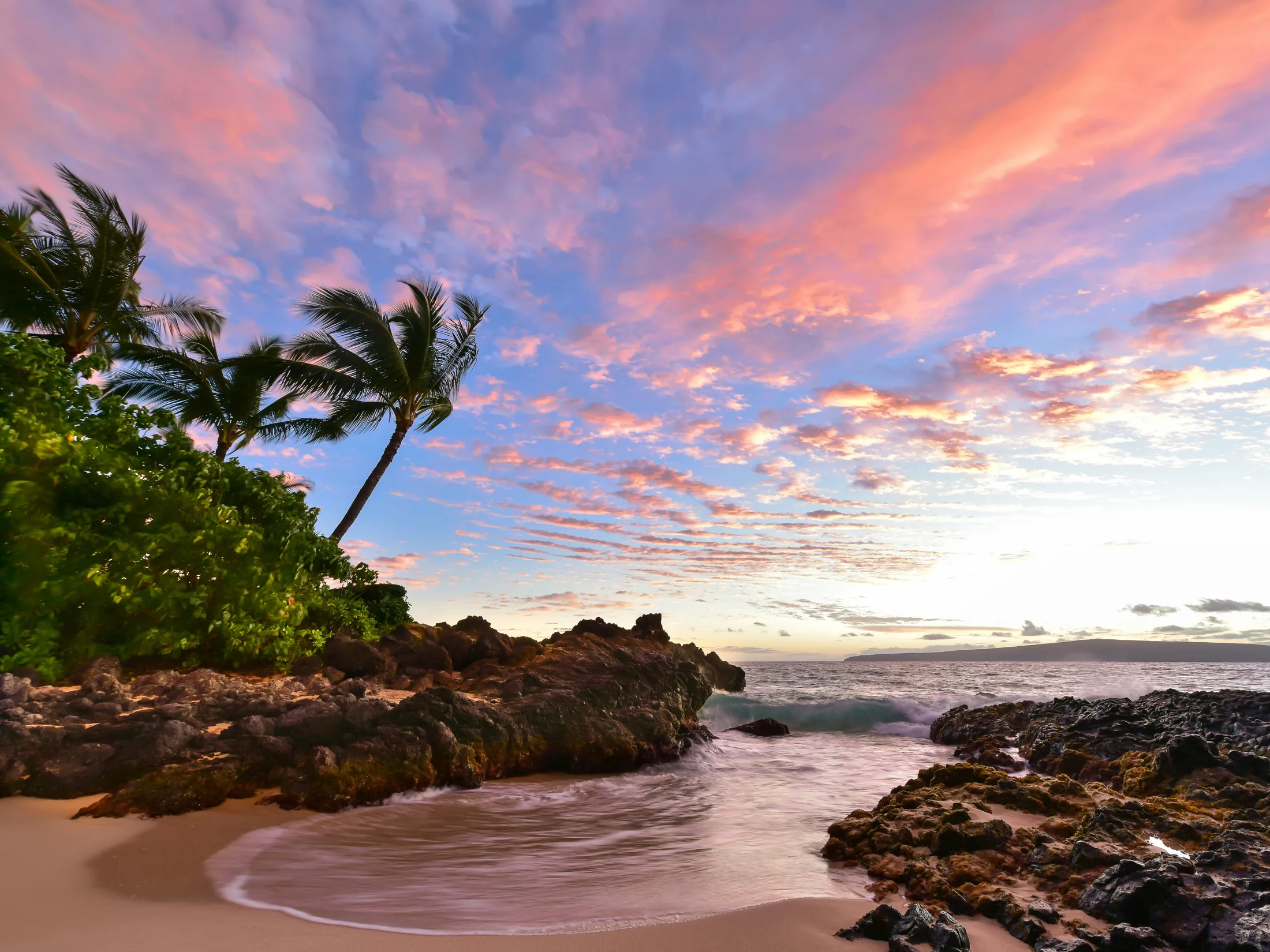

Waihe‘e Coastal Dunes and Wetlands Refuge
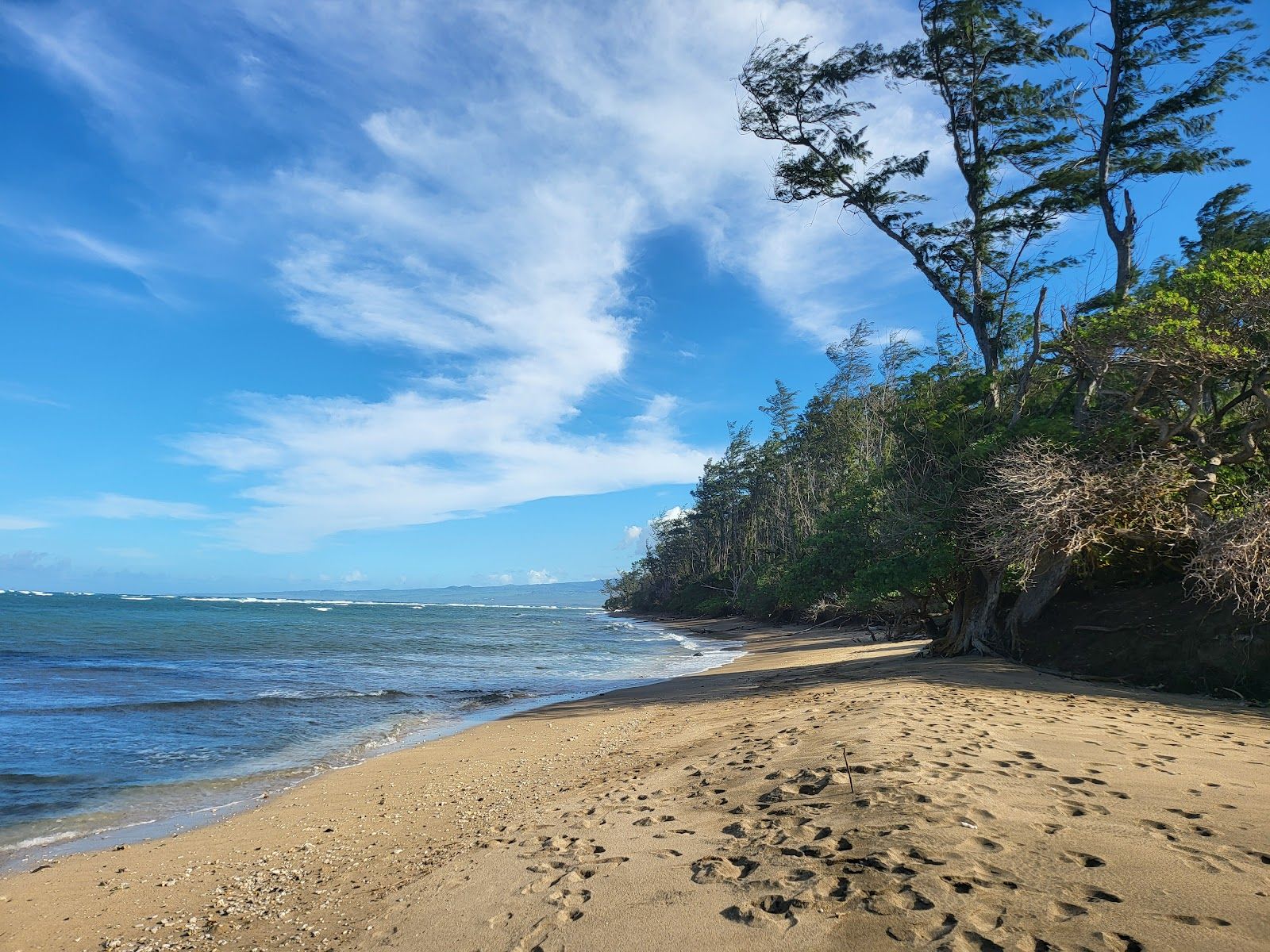
Explore the 277-acre Waihe‘e Coastal Dunes and Wetlands Refuge on Maui's north shore, offering an easy 2.5-mile loop trail through diverse ecosystems, ancient cultural sites, and vital habitats for native wildlife and endangered birds.
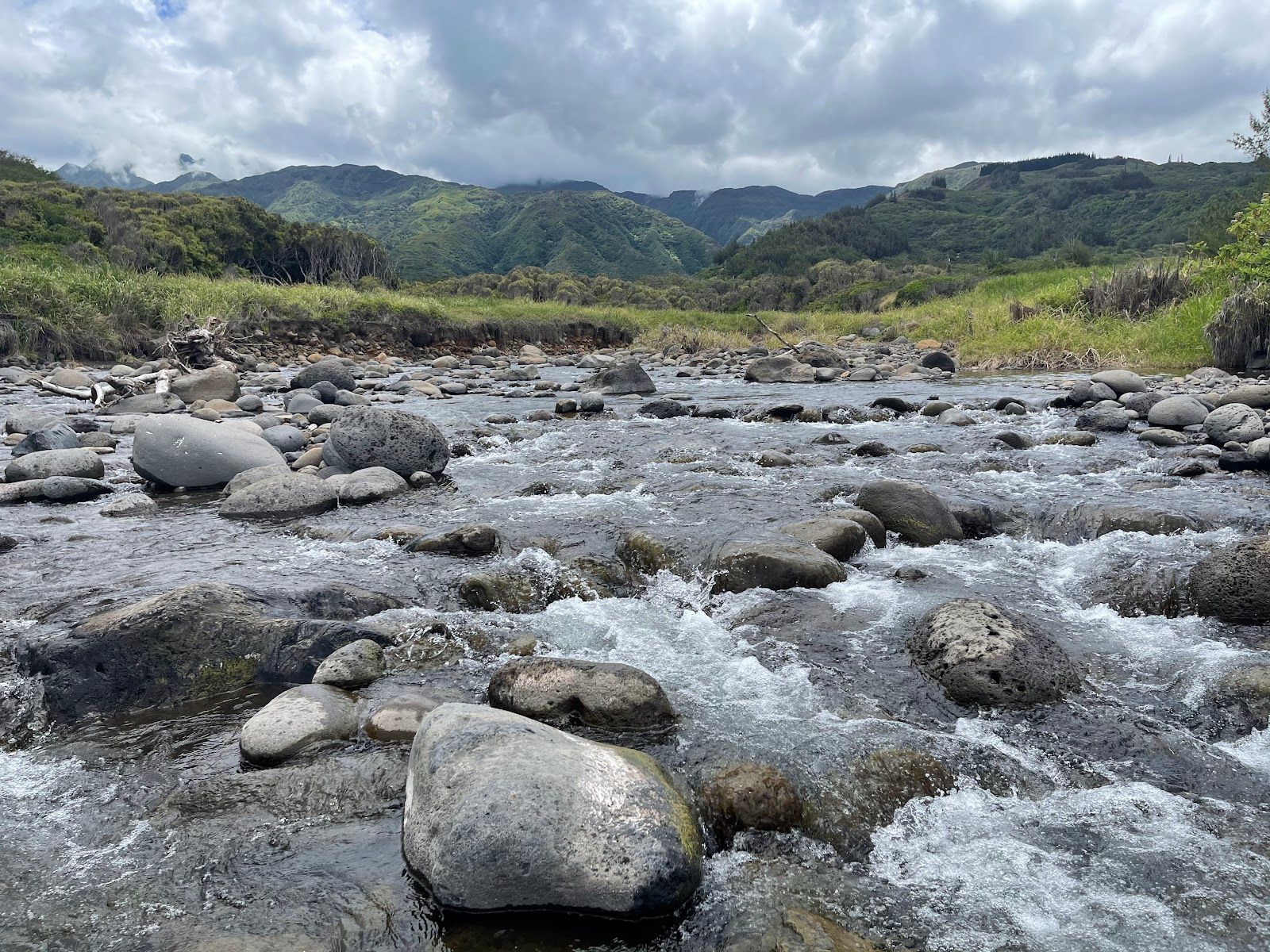
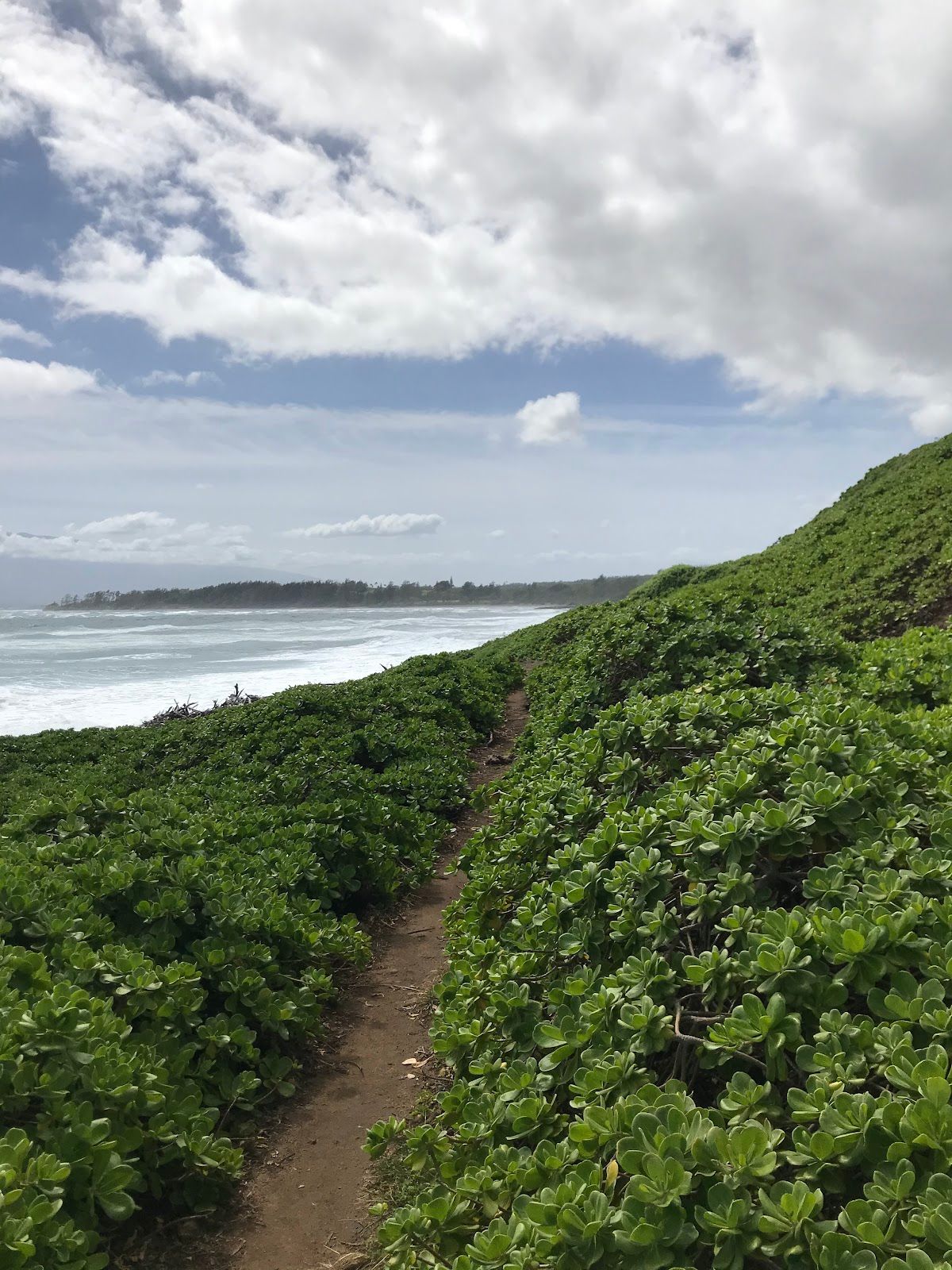
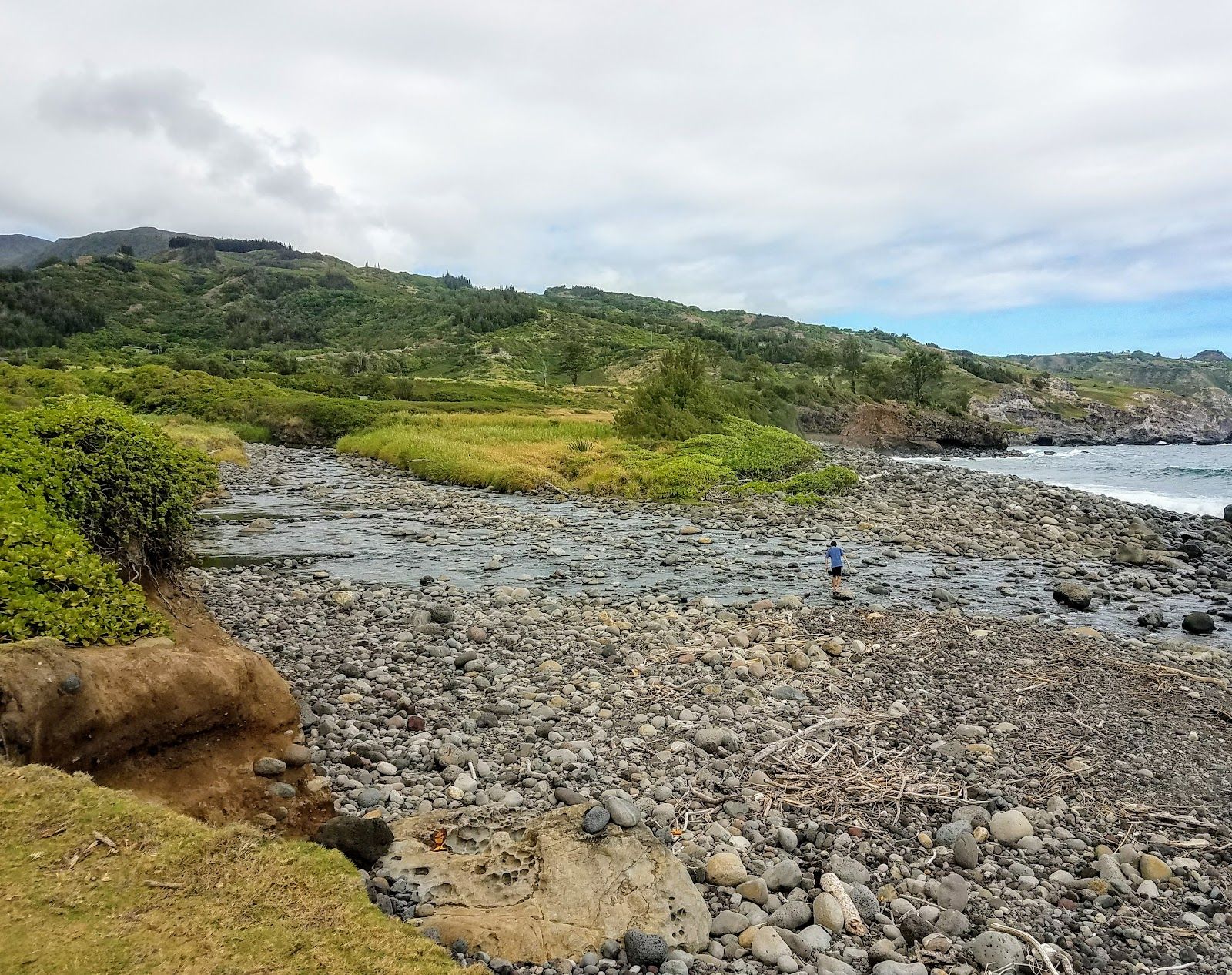

- 2.5-mile loop trail
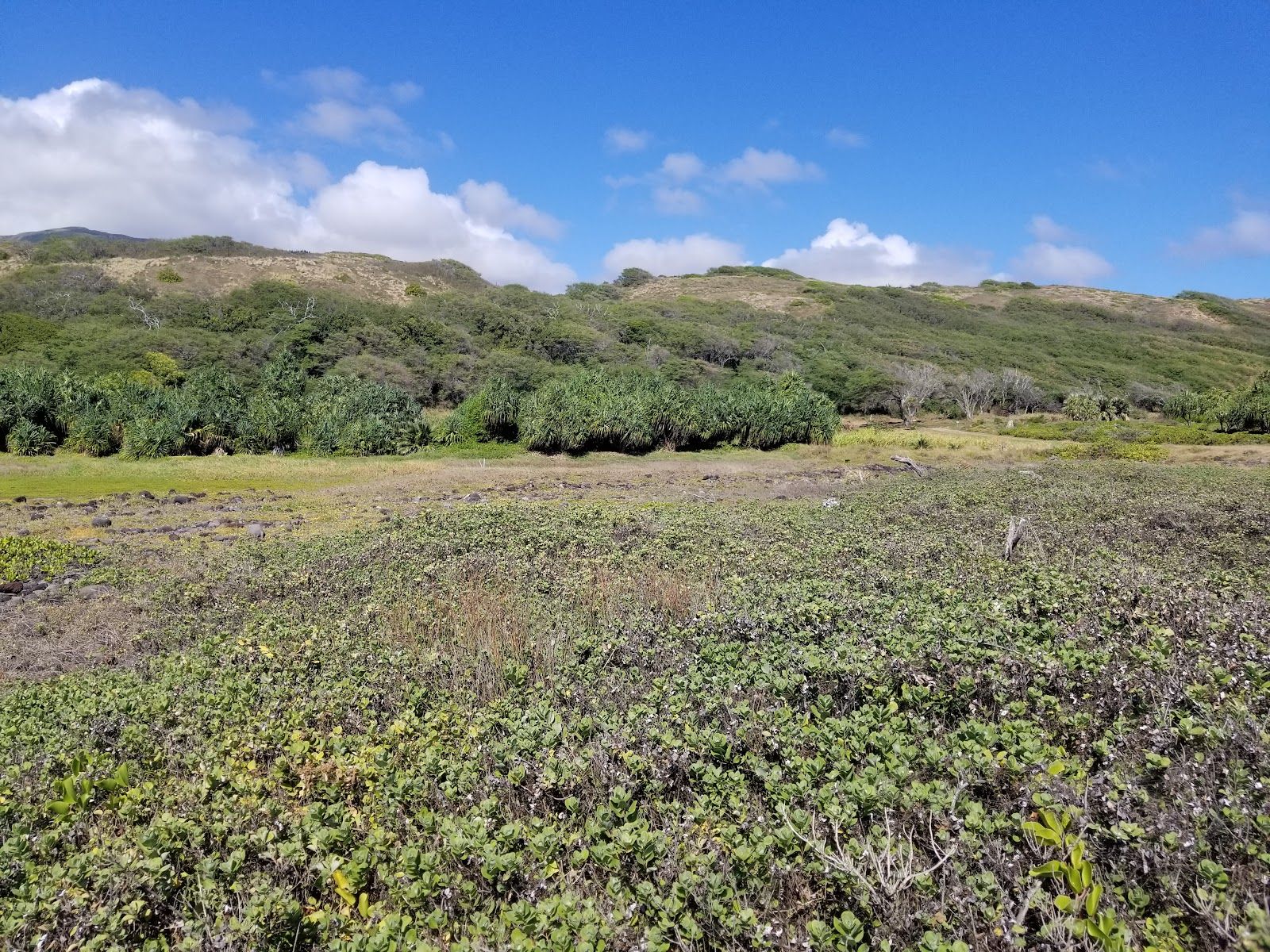
- Coastal dune ecosystems
- Wetland habitats
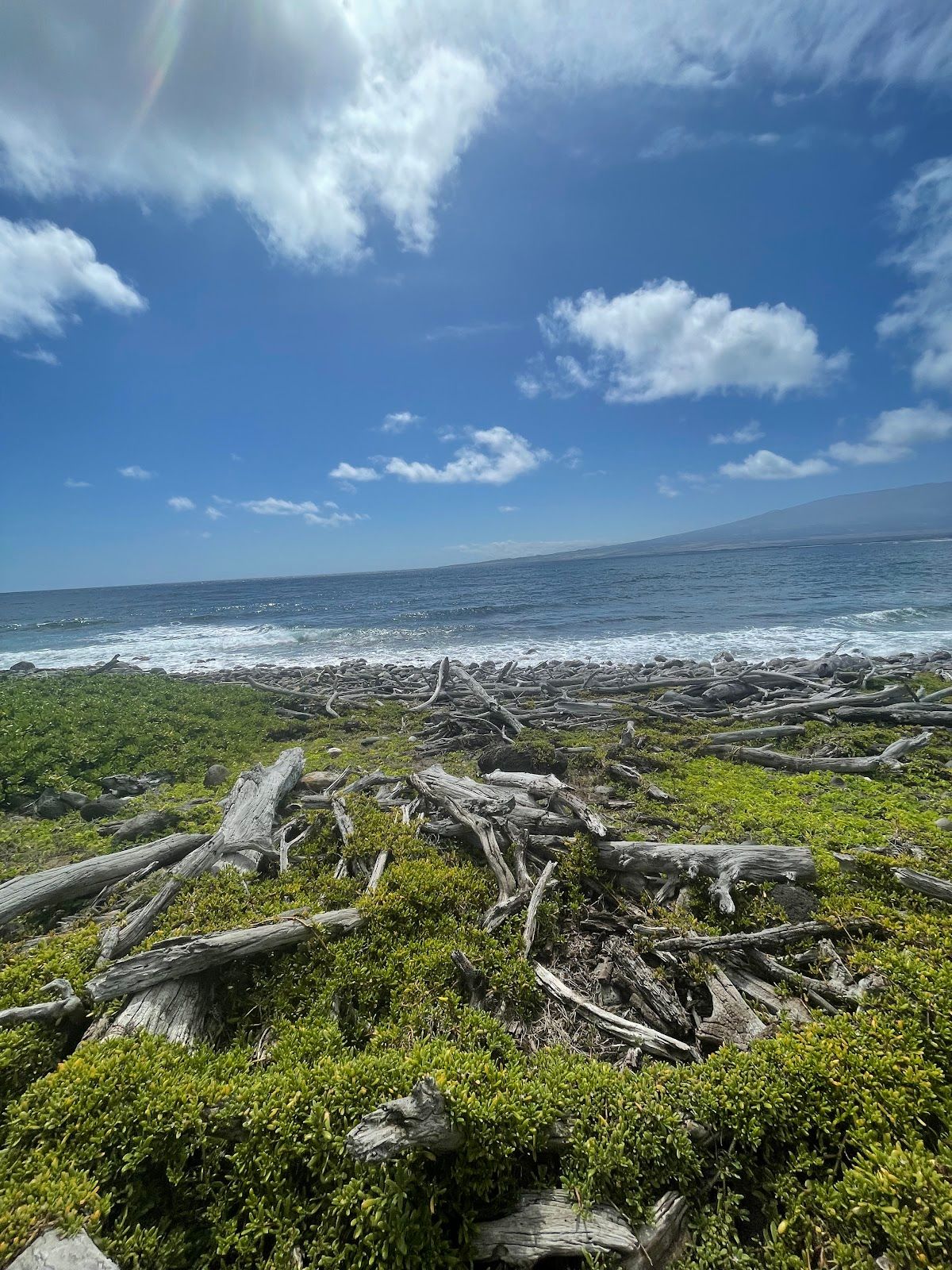
- Ocean views and undeveloped coastline
Waihe‘e Coastal Dunes and Wetlands Refuge is an easygoing hike in Central Maui that feels more substantial than its mileage suggests. Set on the north shore side of Wailuku, the refuge pairs a flat coastal loop with dune habitat, wetlands, ocean views, and a strong sense of place. It stands out as an itinerary option because it combines scenery, birdlife, and Hawaiian cultural history in one short, low-stress outing—useful for travelers who want something quieter than a beach stop and less demanding than a mountain trek.
A coastal loop with real ecological range
The main route is a roughly 2.5-mile loop that is generally flat and manageable for most visitors. The character of the walk comes from variety rather than difficulty: open dune stretches, wetland edges, undeveloped shoreline, and broad views toward the West Maui Mountains. Interpretive signs help connect the landscape to what’s underfoot, including native plants, historic land use, and the refuge’s role in protecting sensitive habitat.
That ecological range is the real draw. Waihe‘e is one of the better places on Maui to see a coastal system that still feels intact, rather than heavily built out. The route’s pace is relaxed, with enough changes in scenery to keep it interesting without requiring technical hiking experience.
Why the land matters here
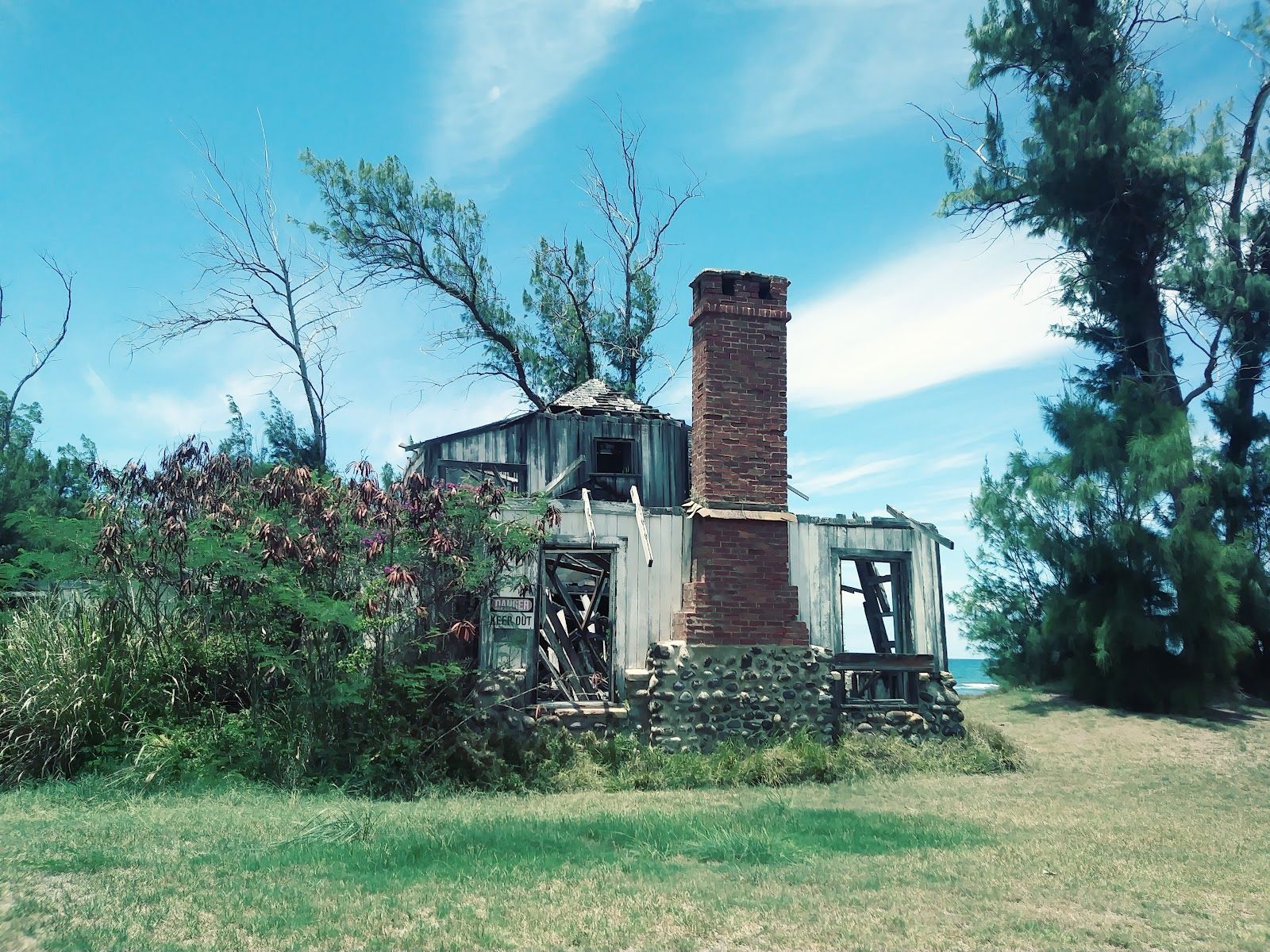
This refuge is more than a pleasant walk. It protects a significant stretch of coastal habitat, including wetlands that support endangered waterbirds and dune systems that are increasingly rare in Hawaiʻi. The land also holds archaeological and cultural sites tied to ancient Hawaiian settlement, burial areas, and traditional use of the coastline.
That context gives the visit extra weight. Travelers who appreciate place-based experiences will find that Waihe‘e rewards a slower pace and a little attention to the signs and landscape. It is a good reminder that some of Maui’s most meaningful outdoor spaces are not the dramatic, headline-grabbing ones—they are the quieter places where ecology and cultural history overlap.
Best used as a half-day stop, not a full adventure
Waihe‘e Coastal Dunes and Wetlands Refuge fits neatly into a Central Maui day. It works well as a standalone morning or early-afternoon outing, or as part of a wider Wailuku-area plan. Since the trail is short, many visitors will spend around 1.5 to 2 hours here at an unhurried pace. The on-site parking, restrooms, and free access make it straightforward to fold into a day without much planning overhead.
The tradeoff is that this is not the place for dramatic elevation gain, long-distance hiking, or a big “bucket list” summit feeling. The appeal is gentler: easy access, open landscape, and an educational trail through an important conservation area. It also asks for basic preparation—sun protection, water, and sturdy shoes help, since shade is limited and trail surfaces can be uneven in spots.
Good fit for wildlife watchers and low-key explorers
The refuge is especially well suited to travelers who like birdwatching, coastal ecology, or cultural landscapes, and to anyone looking for a peaceful walk that still feels rooted in Maui. It is also a smart option for mixed-interest groups, since the route is accessible without being dull.
Travelers looking for a strenuous hike, a shaded forest trail, or an ocean activity will likely want something else. The shoreline here is best appreciated as a protected landscape, not as a swim or surf stop, and the site’s cultural sensitivity deserves respect. Stay on the marked trail, follow posted guidance, and treat the refuge as a living conservation area rather than just a scenic shortcut.