

Olowalu Beach
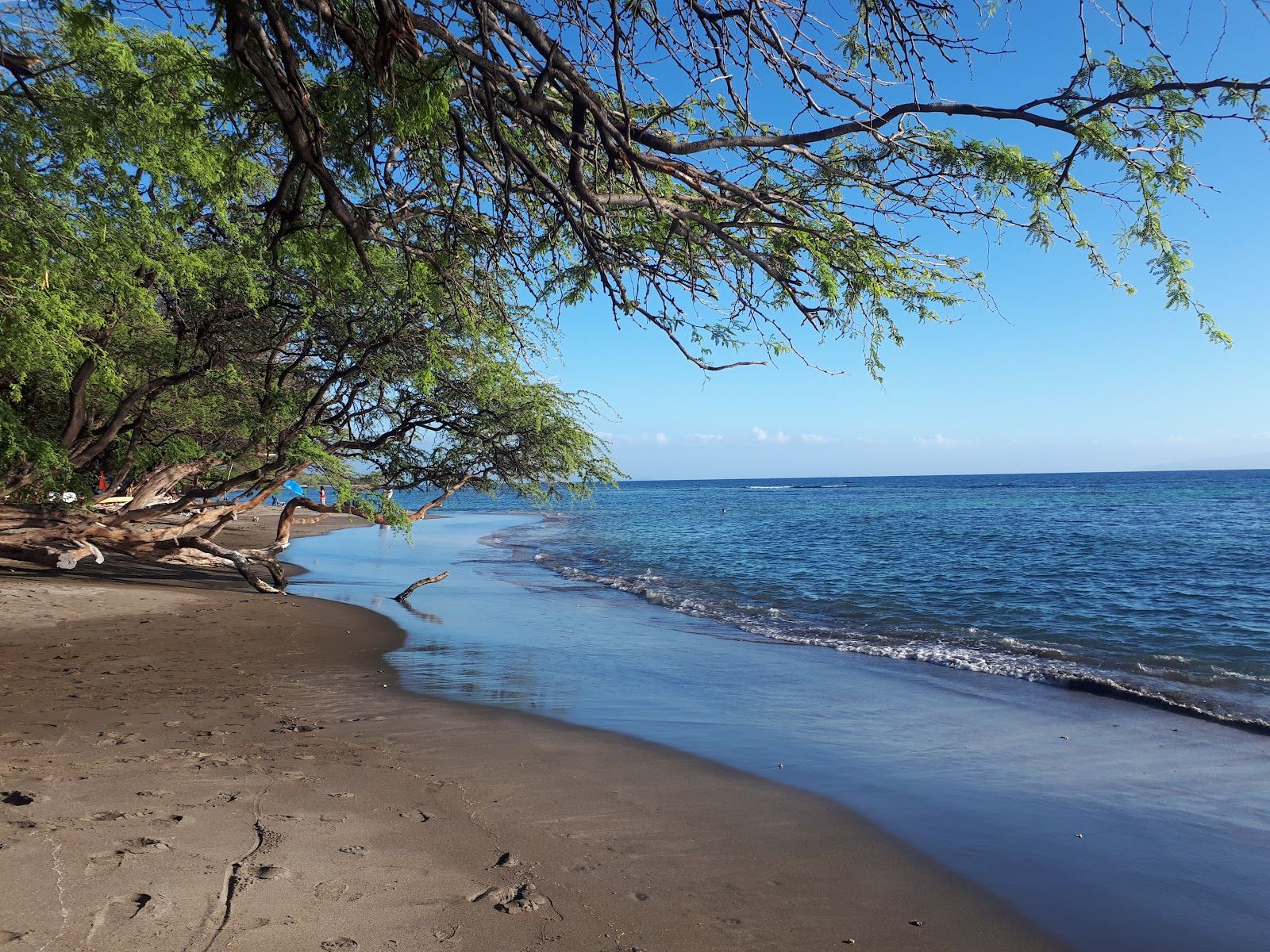
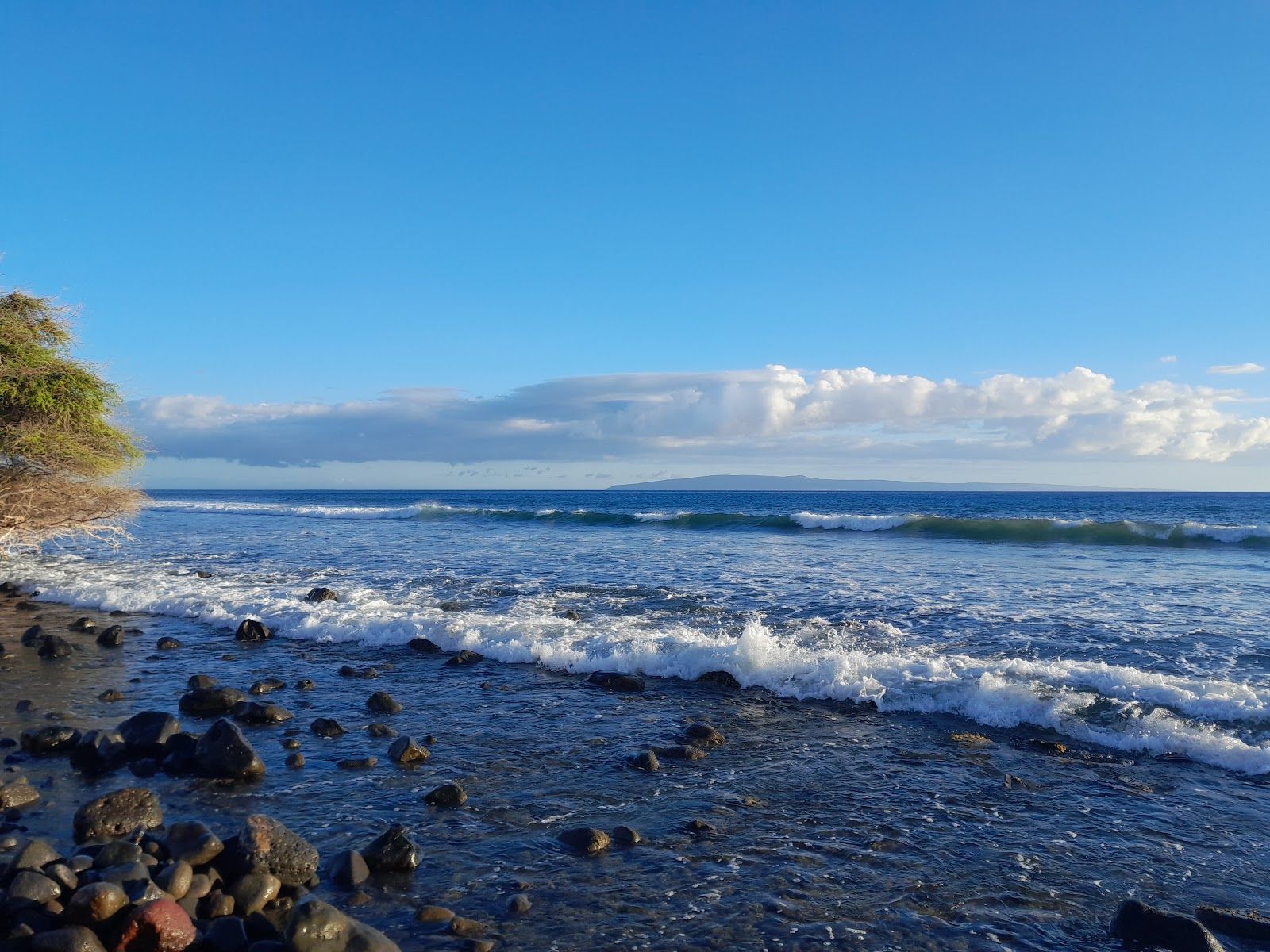
Olowalu Beach, famed for its ancient 'Turtle Reef' and calm, clear waters, offers exceptional snorkeling and marine life viewing for all skill levels, especially families.
- Excellent snorkeling and diving conditions
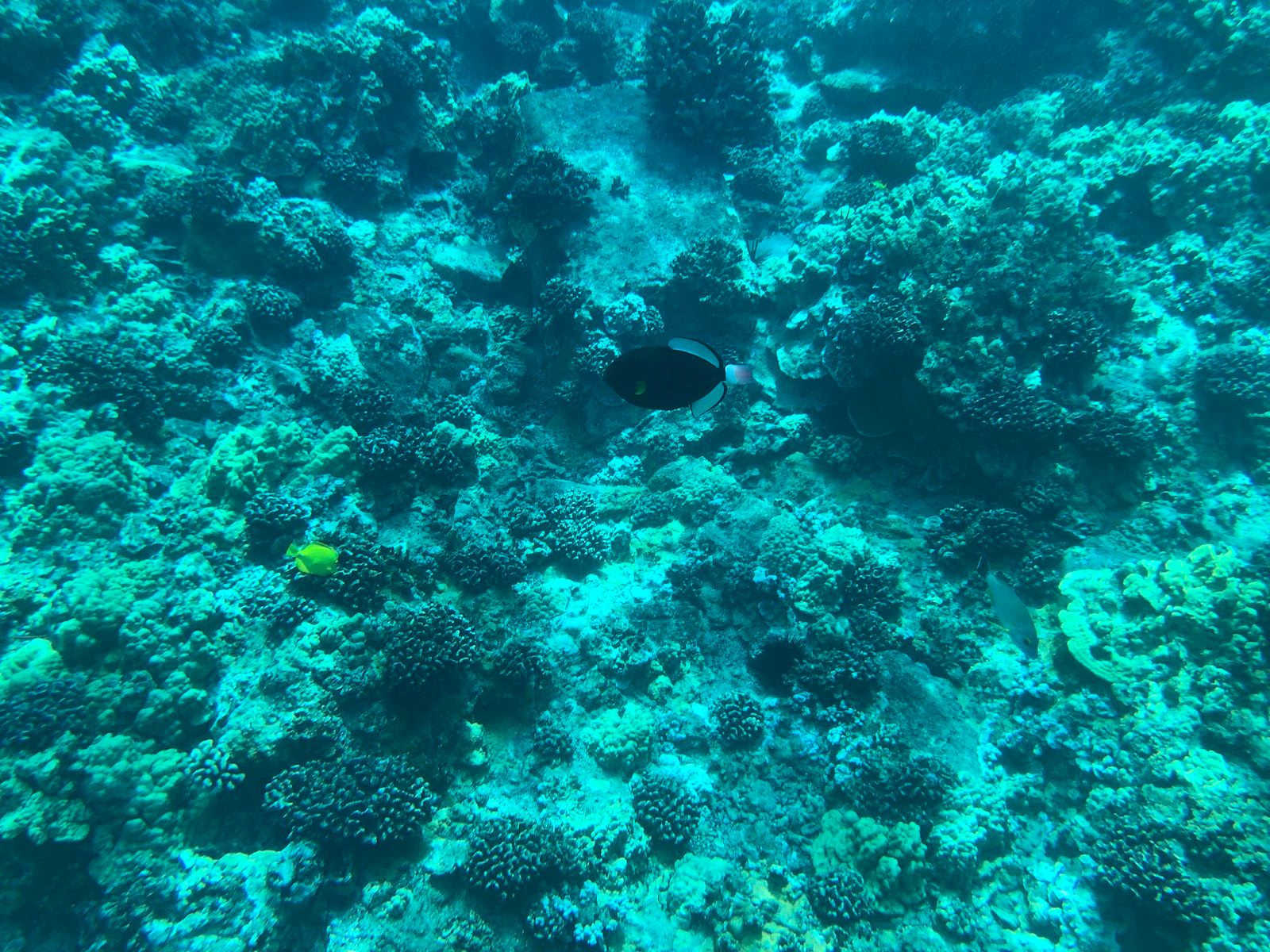
- Home to ancient coral reefs and abundant marine life
- Ideal for beginner snorkelers and families
- Calm, clear, and shallow waters
Olowalu Beach is one of West Maui’s most rewarding low-key beach stops: a narrow stretch of sand anchored by the famous Turtle Reef, where calm, clear water and an extensive coral system make the real attraction what lies just offshore. It fits best as a snorkeling-first outing rather than a classic all-day beach lounge, and that’s exactly why it stands out. For travelers who want an accessible ocean stop with strong marine life potential, it offers a more natural, less developed alternative to the resort-front beaches farther north.
Turtle Reef and the water just offshore
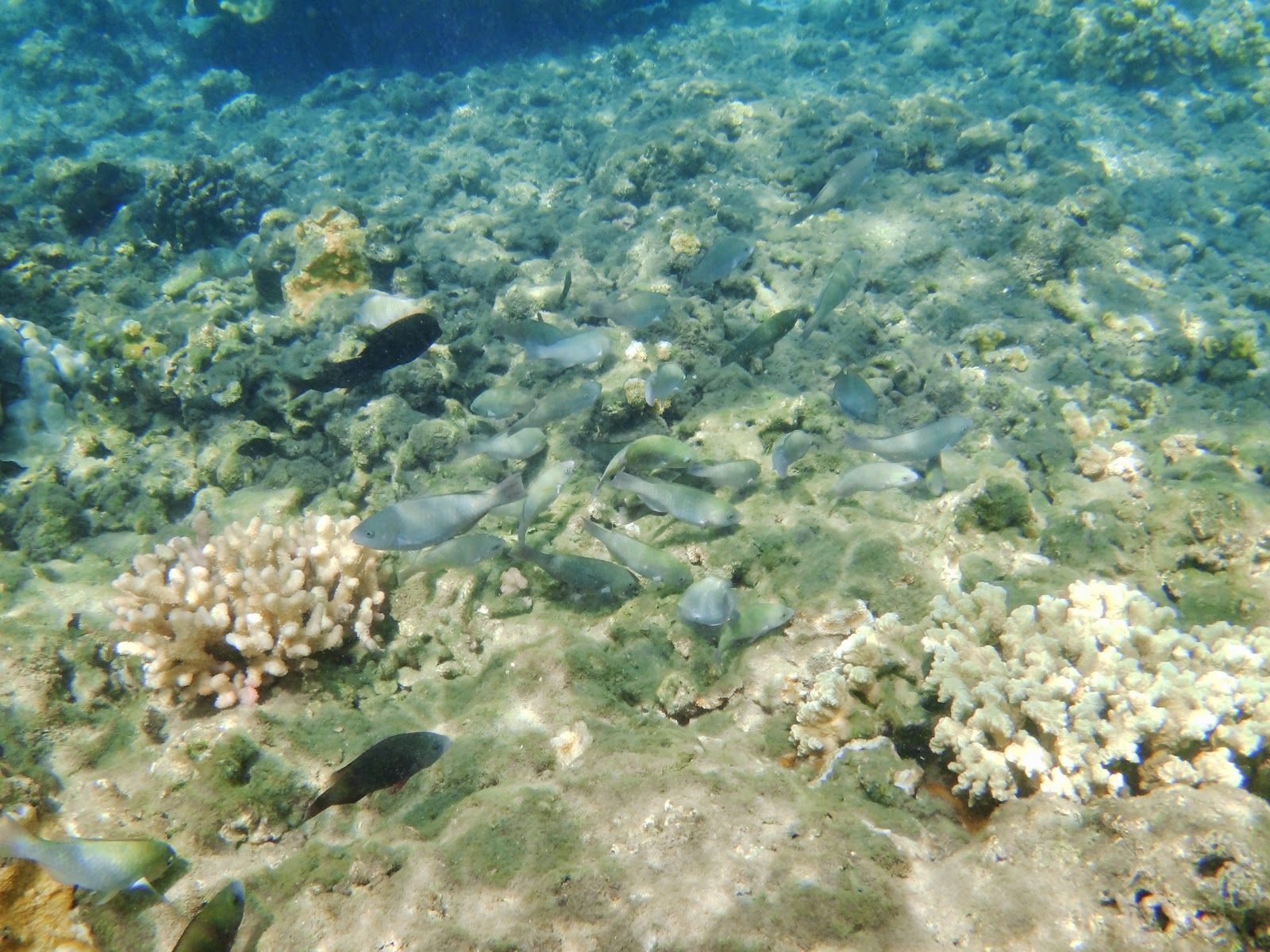
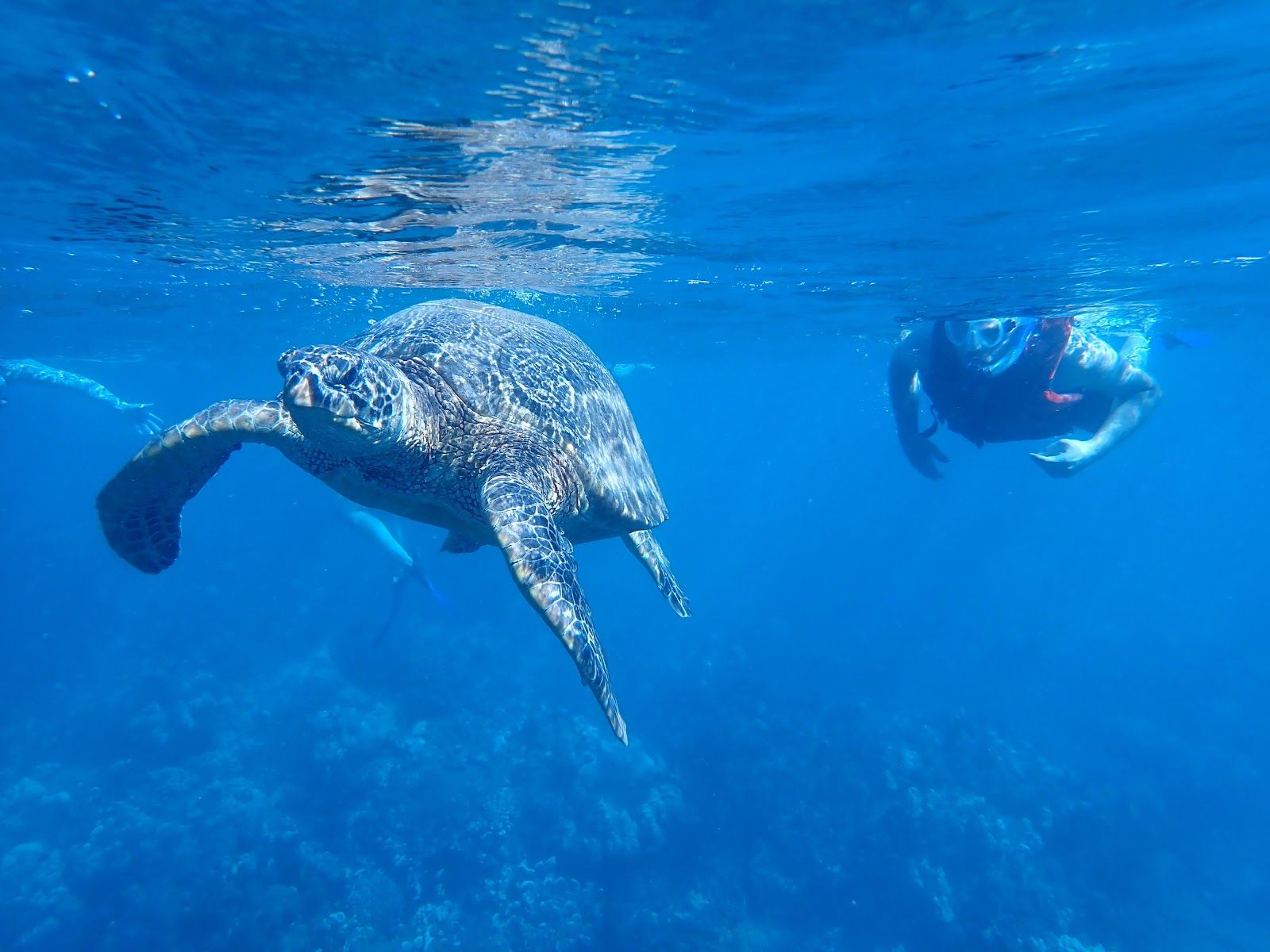
The draw here is the reef. Olowalu’s shallow nearshore waters are known for visibility, coral structure, and the chance to see Hawaiian green sea turtles, tropical fish, manta rays, and other reef life. Conditions are often gentle enough for beginner snorkelers and families, but the payoff is not just that it is easy — it is that the reef is unusually rich for a shore-access spot on Maui.
That said, the same shallow structure that makes Olowalu appealing also means snorkeling is tide-sensitive. Low tide can leave sections too shallow or expose coral, while higher tide generally improves the experience. Careful entry and exit matter, because the reef is living coral and easily damaged by standing on it. This is a place for slow, respectful movement rather than aggressive swimming.
How to use Olowalu in a West Maui day
Olowalu works well as a half-day stop on a West Maui coastal itinerary, especially when paired with a lunch stop or a more relaxed drive segment. It is easy to fold into a South-to-North or North-to-South beach-hopping day because it sits right off Honoapiʻilani Highway near Mile Marker 14, not far south of Lahaina.
Early morning is the sweet spot for calmer water and cleaner visibility before trade winds build. For travelers planning a snorkel-focused day, it is smart to arrive prepared with gear, water, and snacks, since there are no public facilities on the beach itself. The nearby roadside and general-store options make it convenient enough for a simple, self-directed outing rather than a structured excursion.
Access, parking, and the tradeoffs
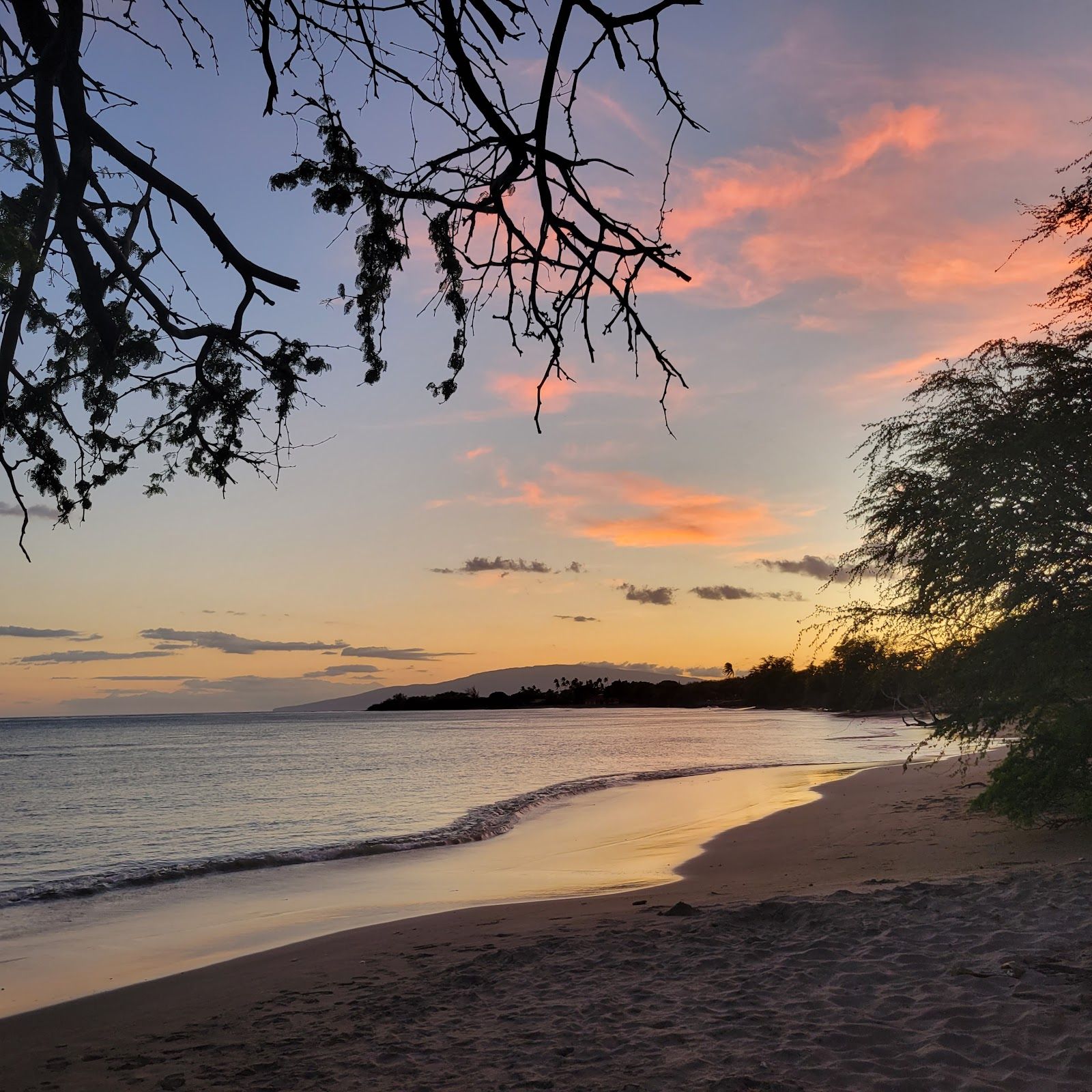
Olowalu’s biggest advantage is also part of its tradeoff: access is easy, but the setup is basic. Parking is typically along the highway shoulder or in nearby pull-off areas, so it pays to park carefully and avoid loose sand. There are no lifeguards, no formal beach amenities, and no built-in facilities to lean on. Kiawe trees can offer shade, but their thorns are a reminder that this is still a rugged shoreline, not a manicured park.
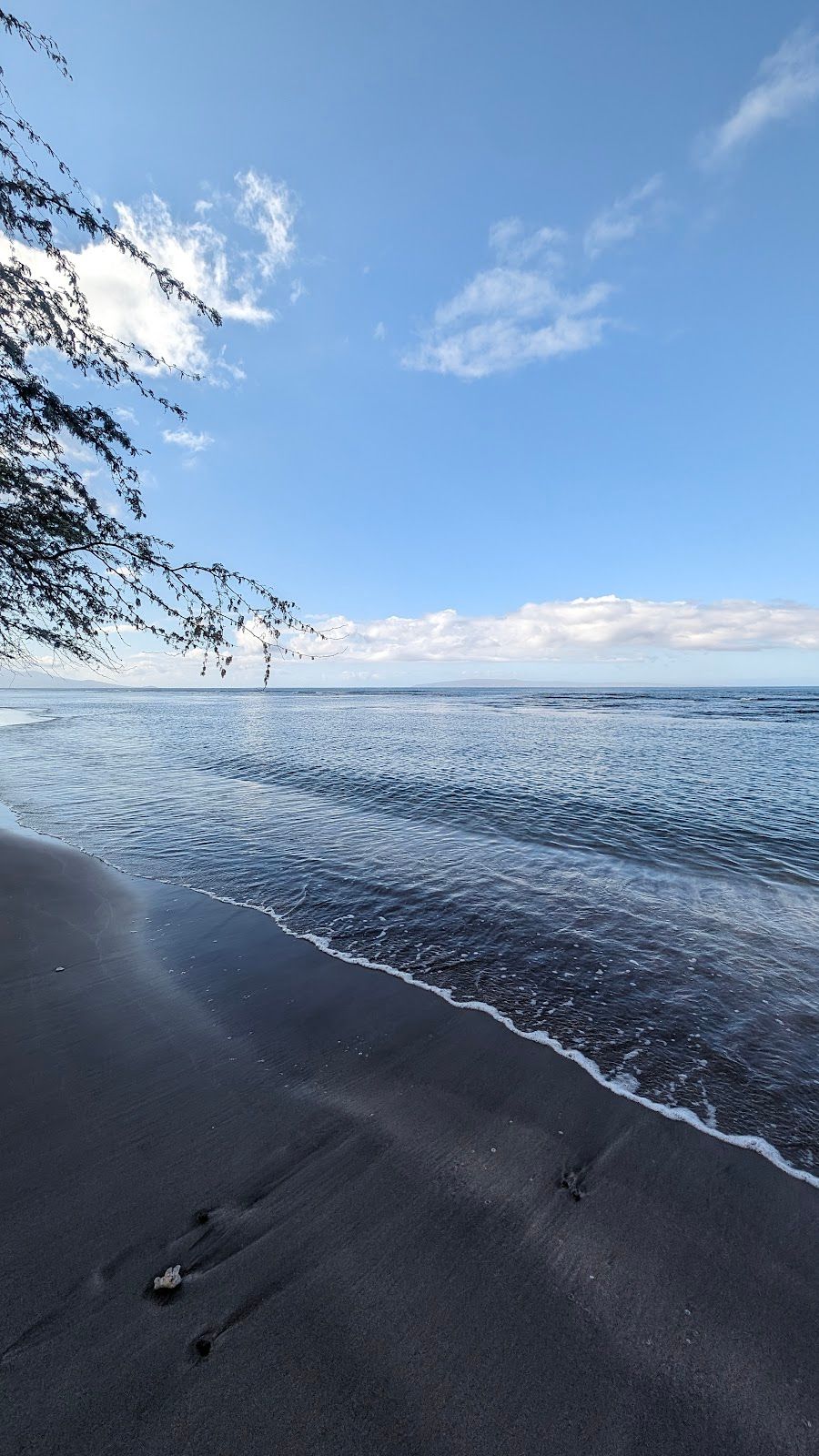
The beach itself is narrow, so it is not the best choice for long stretches of lounging on soft sand. Travelers looking for broad shoreline, showers, or resort conveniences may prefer a different West Maui beach. Those who care more about the water than the sand will usually find Olowalu far more satisfying.
Best fit for travelers who want a reef-first beach
Olowalu Beach is especially well suited to snorkelers, families with children comfortable in the water, and anyone who wants a quieter marine experience without a boat. It is also one of Maui’s more meaningful places for respecting the ocean: the reef is ancient, culturally significant, and ecologically sensitive. Keep a wide berth from turtles and monk seals if present, avoid touching coral, and treat the whole shoreline as a living system rather than just a scenic stop.