
What it is
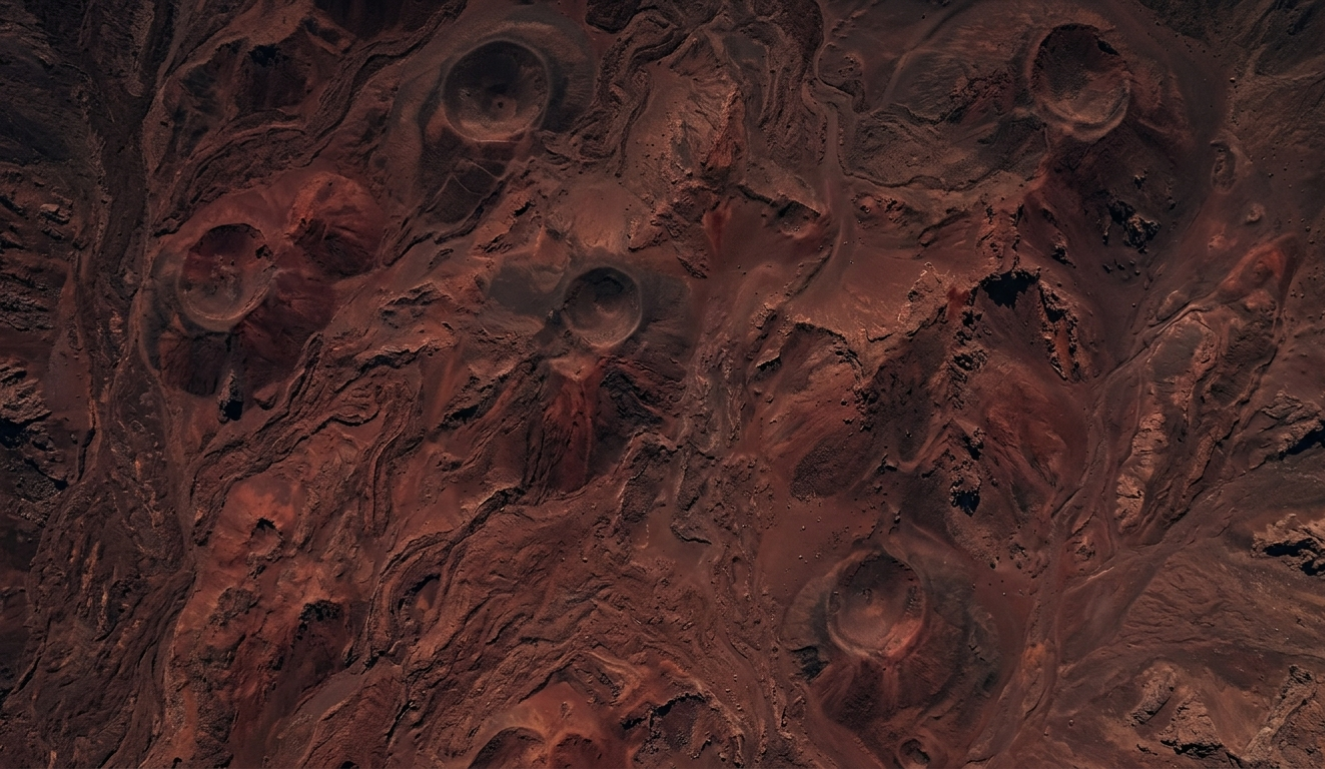
Molokini Crater is a small, crescent-shaped volcanic islet located about three miles off Maui's southwest coast, between Makena and the island of Kahoʻolawe. It is the submerged rim of an extinct volcanic cinder cone that formed approximately 230,000 years ago from an underwater eruption. Erosion and rising sea levels over millennia caused its northern rim to sink, creating the iconic crescent shape visible today, which shields the inner bay from waves and currents.
Molokini is not just a geological marvel but also a strictly protected marine reserve. In 1977, the islet and the 77 acres surrounding it were declared a Marine Life Conservation District (MLCD) and a State Seabird Sanctuary by the State of Hawaiʻi's Department of Land and Natural Resources (DLNR). This designation protects the abundant coral reefs, diverse marine life, and nesting seabirds from fishing, collection, and other destructive human activities.
Visitor experience
Molokini Crater is a world-renowned destination for snorkeling and diving, attracting approximately 400,000 visitors annually. Its popularity stems from the exceptional water clarity, often reaching up to 150 feet of visibility, and the sheltered, calm conditions within the crater's crescent. This pristine environment is home to over 250 species of tropical fish, many of which are endemic to Hawaii, as well as 38 types of coral. Snorkelers and divers can expect to see butterflyfish, angelfish, parrotfish, triggerfish (including Hawaii's state fish, the humuhumunukunukuapua'a), moray eels, octopus, and occasionally manta rays, eagle rays, and white-tip reef sharks. Green sea turtles are also frequently seen, often at nearby "Turtle Town," which is a common second stop on Molokini tours.
Visitors choose Molokini for an immersive underwater experience, offering an unparalleled opportunity to observe vibrant marine ecosystems in a protected setting. It's an ideal activity for families and all ages, with tour operators providing necessary equipment and instruction. During whale season (December to April), boat tours often include opportunities for whale watching, as humpback whales migrate through the waters around Molokini.
A visit to Molokini is typically a half-day activity, fitting well as an anchor for a morning itinerary.
Logistics
Area and Access: Molokini Crater is located offshore, approximately 2.5 to 3 miles from Maui's southwest coast (near Makena). The only way to access the crater is by licensed commercial boat tours. Swimming, kayaking, or paddling out on your own is not permitted and is unsafe due to open ocean conditions, strong currents, and boat traffic.
Reservations: Booking a tour in advance is highly recommended, especially during peak seasons like summer, as boats can reach full capacity. Many operators offer online booking.
Departures: Most tours depart from Maʻalaea Harbor (central Maui) or the Kīhei boat ramp (South Maui). Maʻalaea Harbor is generally convenient for both West and South Maui visitors, while Kīhei is ideal for those staying in Kīhei or Wailea, particularly for smaller-group or express trips. Departure from Lahaina Harbor is discouraged due to the longer boat ride.
Timing: The best time to visit Molokini is in the morning when ocean conditions are typically calmer and visibility is at its best, before the trade winds pick up. Tour check-in is usually 30-60 minutes before departure, with boats often leaving around 7:00 AM or 7:30 AM.
Parking: Parking is handled by the respective harbors where tours depart. Visitors do not need to worry about parking at Molokini itself as boats use established moorings.
Permits: Individual visitors do not need permits; commercial tour operators hold the necessary permits to access the Molokini Shoal Marine Life Conservation District.
Likely Duration: Most Molokini tours are typically 4.5 to 5 hours long, often including a second snorkel stop at a location like "Turtle Town." This makes it a solid half-day anchor activity.
Safety and cautions
- Ocean Conditions: While the crescent shape provides sheltered waters, open ocean conditions can still be a factor, particularly outside the crater or on the boat ride. Tour captains will assess conditions, and occasionally, due to unusual weather, alternate snorkel locations may be chosen.
- Seasickness: Visitors prone to motion sickness should consider taking medication before the trip, staying on deck, and keeping eyes on the horizon.
- Marine Life Protection: Molokini is a Marine Life Conservation District and a Seabird Sanctuary. It is strictly prohibited to touch, feed, chase, or harass any marine life (fish, turtles, coral, etc.), or to remove any natural materials like sand or coral.
- Reef-Safe Sunscreen: To protect the delicate coral reefs, visitors are strongly encouraged to use reef-safe sunscreen.
- No Landings: Entry onto the Molokini islet itself is prohibited as it is a seabird sanctuary.
- Snorkeling/Diving Safety: Always follow the instructions of your boat crew and guides. Flotation devices are often required or recommended. Stay with your group; internal currents near the points of the crater can be stronger. Avoid touching the bottom or stirring up sediment.
- Unexploded Ordnance (Historical Note): During WWII, Molokini was used for target practice by the U.S. military, leaving behind unexploded ordnance. While visitors are on boat tours and not on the islet, this is part of its history.
Editorial take
Molokini Crater is a must-prioritize activity for visitors to Maui seeking a premier snorkeling or diving experience. Its exceptional water clarity, abundant and diverse marine life, and protected status make it one of the best underwater destinations in the world. It is an ideal anchor activity for a morning, suitable for families, beginners, and experienced ocean enthusiasts alike.
Those who should skip it might include travelers with severe seasickness who are not responsive to medication, or individuals who strongly prefer land-based activities and do not enjoy being on a boat or in the water. Travelers looking for a free or self-guided snorkel spot will also need to skip Molokini, as it is only accessible via paid commercial boat tours.
It is important not to confuse Molokini Crater, the natural marine destination, with the numerous Molokini boat tour operators. While tour operators provide the means to access the crater, Molokini itself is the natural attraction and a protected marine sanctuary. Also, Molokini is distinct from "Turtle Town" (often a second stop on tours), which is a specific area known for green sea turtle sightings along the Mākena or Maluaka coast.
Source notes
- Maui Ocean Center: Molokini Crater. https://www.mauioceancenter.com/molokini-crater/
- Boss Frog's Hawaii: Molokini Crater Snorkeling. https://www.bossfrogs.com/maui-snorkeling/molokini-crater-snorkeling/
- Snorkel Molokini: Life at Molokini Crater. https://snorkelemolokini.com/molokini-marine-life/
- Snorkel Molokini: Molokini Crater Snorkeling Guide in Maui, Hawaii - 2026. https://snorkelemolokini.com/molokini-crater-snorkeling-guide/
- Snorkel Molokini: Snorkel Molokini Maui. https://snorkelemolokini.com/snorkel-molokini-maui/
- Trilogy Excursions: Snorkel Molokini with Trilogy Excursions. https://sailtrilogy.com/tour/molokini-snorkel/
- Maui Snorkeling: Molokini Crater Location & How to Get There from Maui. https://www.mauisnorkeling.com/molokini-crater-location-how-to-get-there/
- Maui Snorkeling: History of Molokini Crater: From Volcanic Origins to Maui's Top Snorkeling Spot. https://www.mauisnorkeling.com/history-of-molokini-crater/
- Hawaii.gov: Molokini Shoal MLCD - Department of Land and Natural Resources. https://dlnr.hawaii.gov/dar/mlcd/molokini-shoal/