
Maui Historical Society
Explore the Bailey House Museum in Wailuku, home to the Maui Historical Society's vast collection of Hawaiian artifacts, missionary-era exhibits, and beautiful native plant gardens.
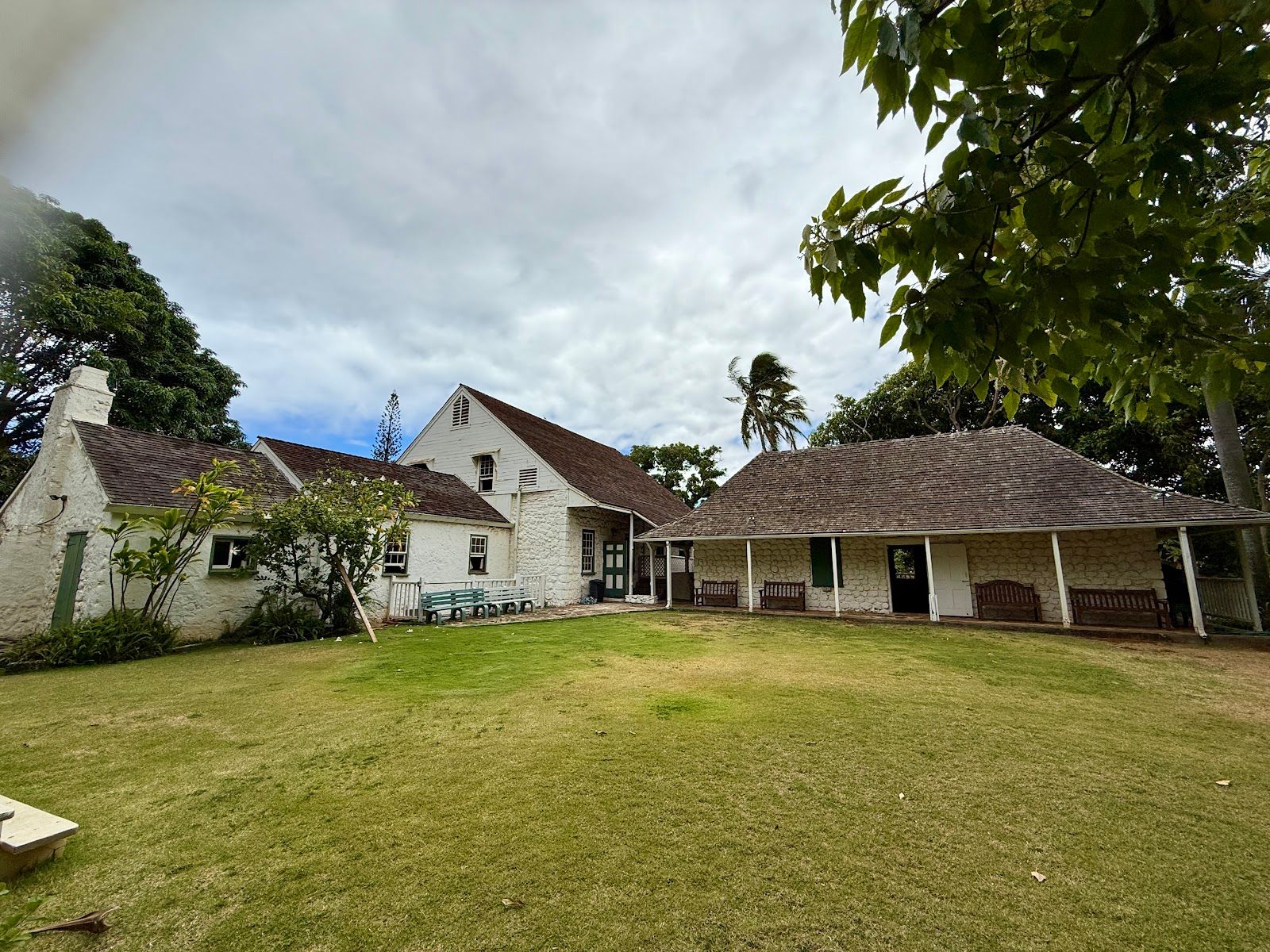
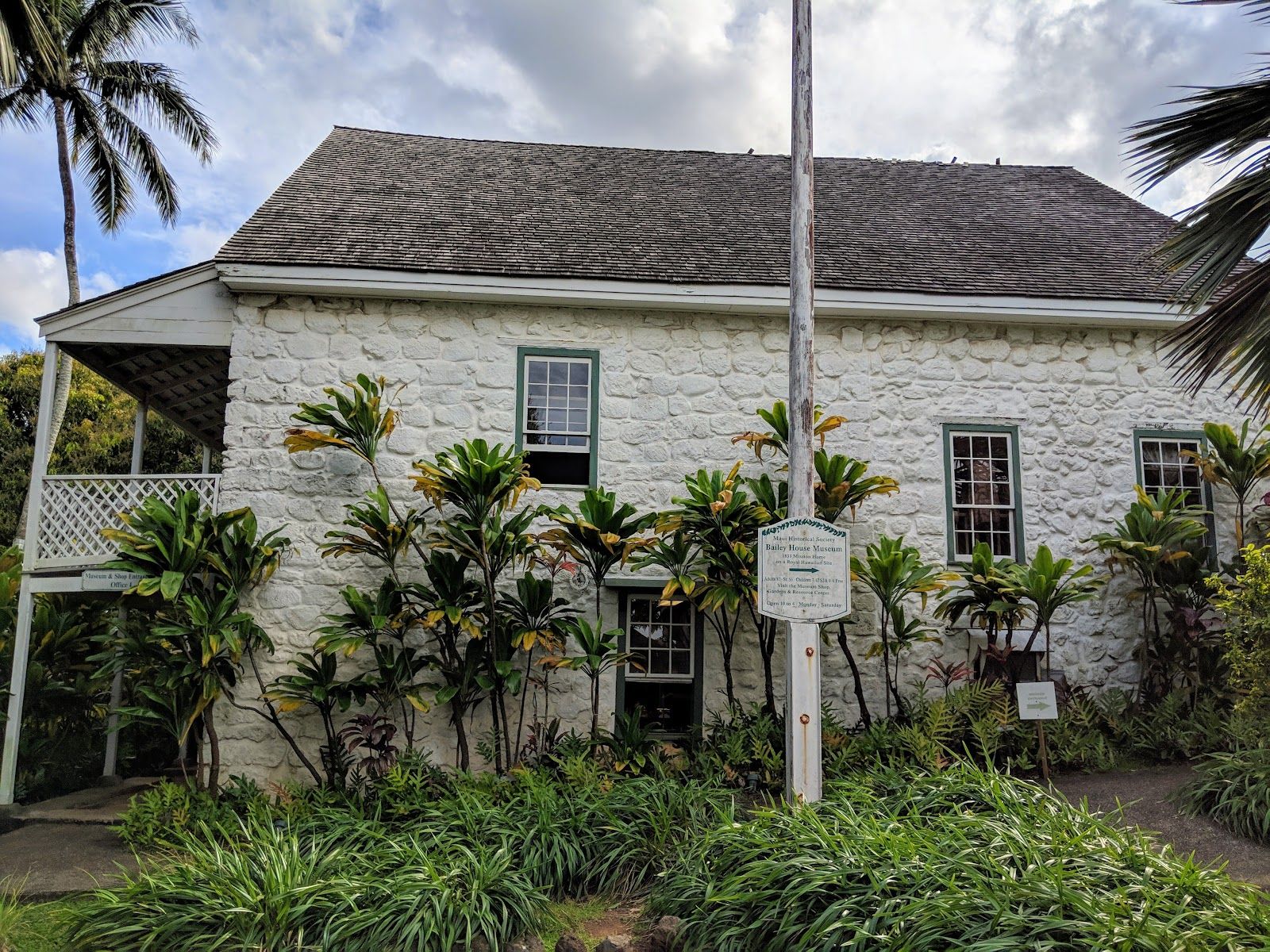
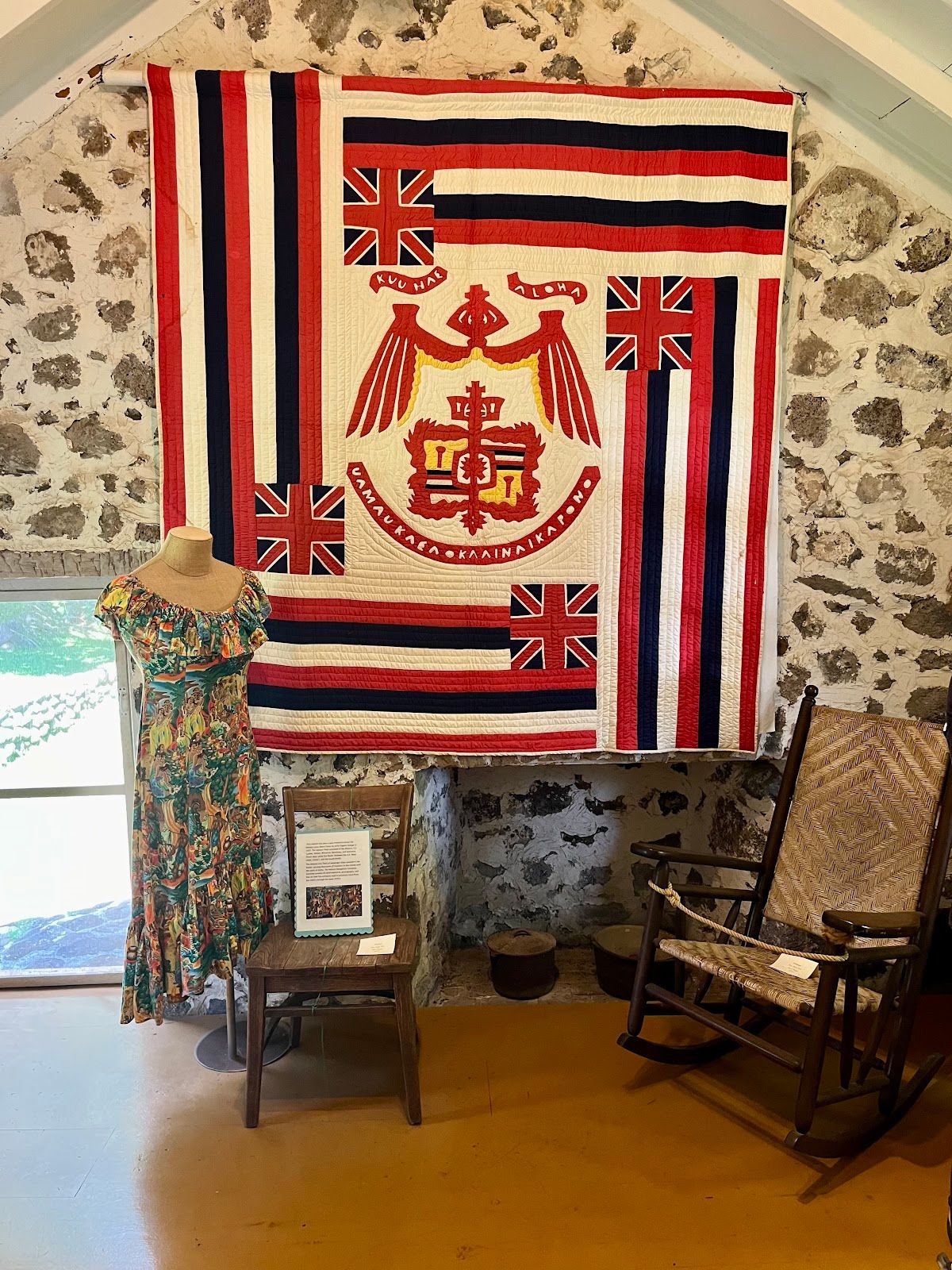
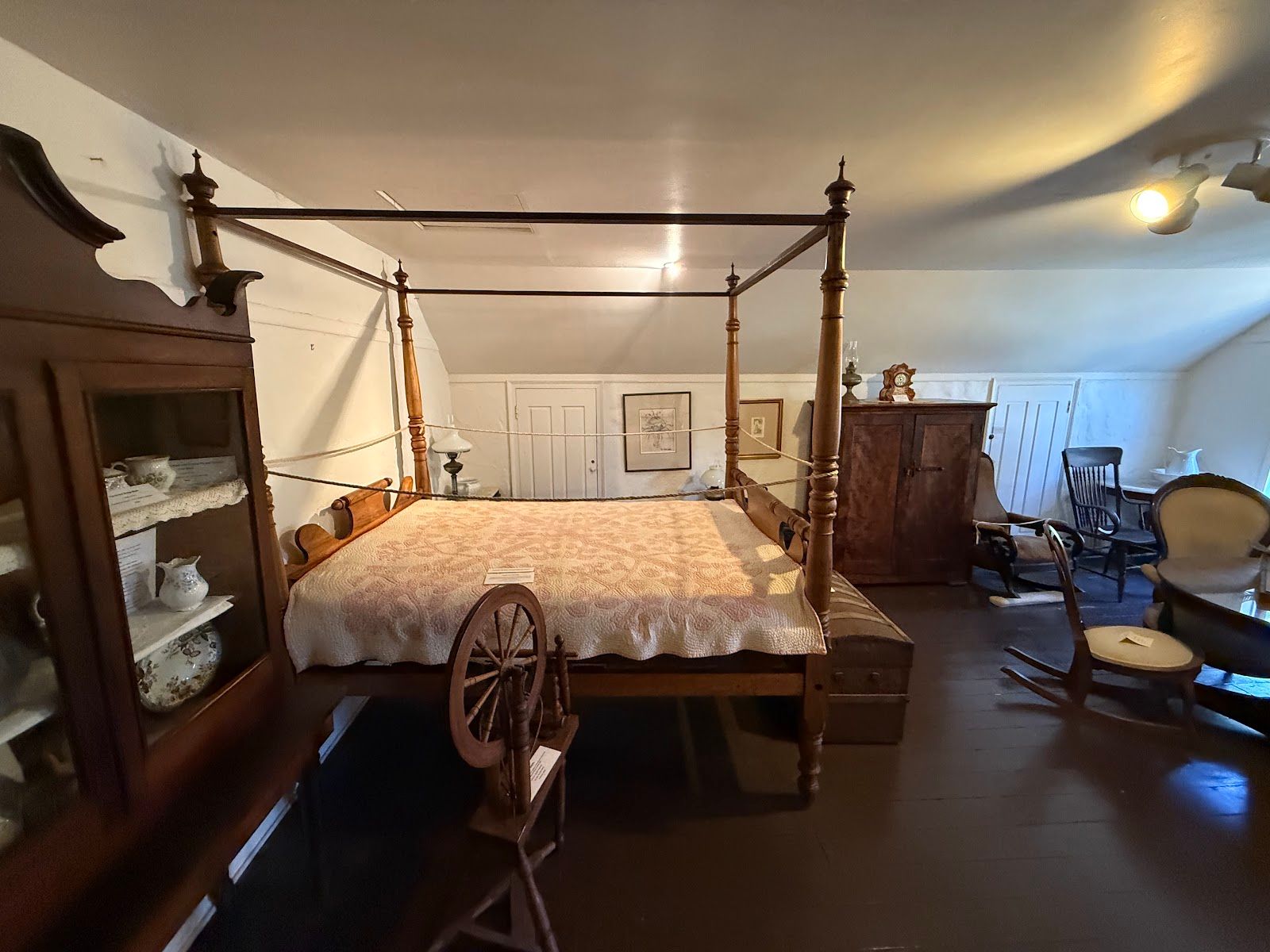
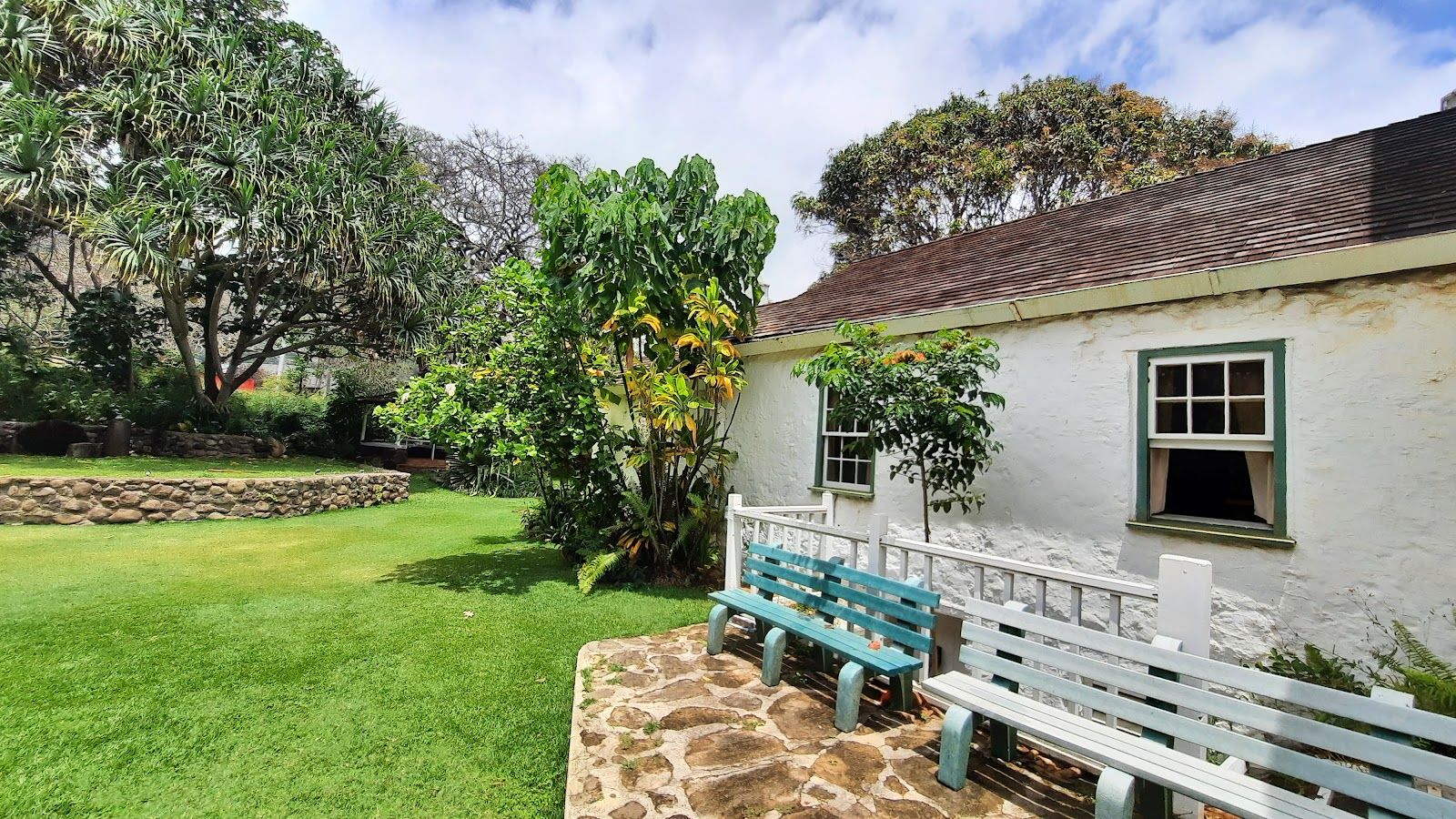
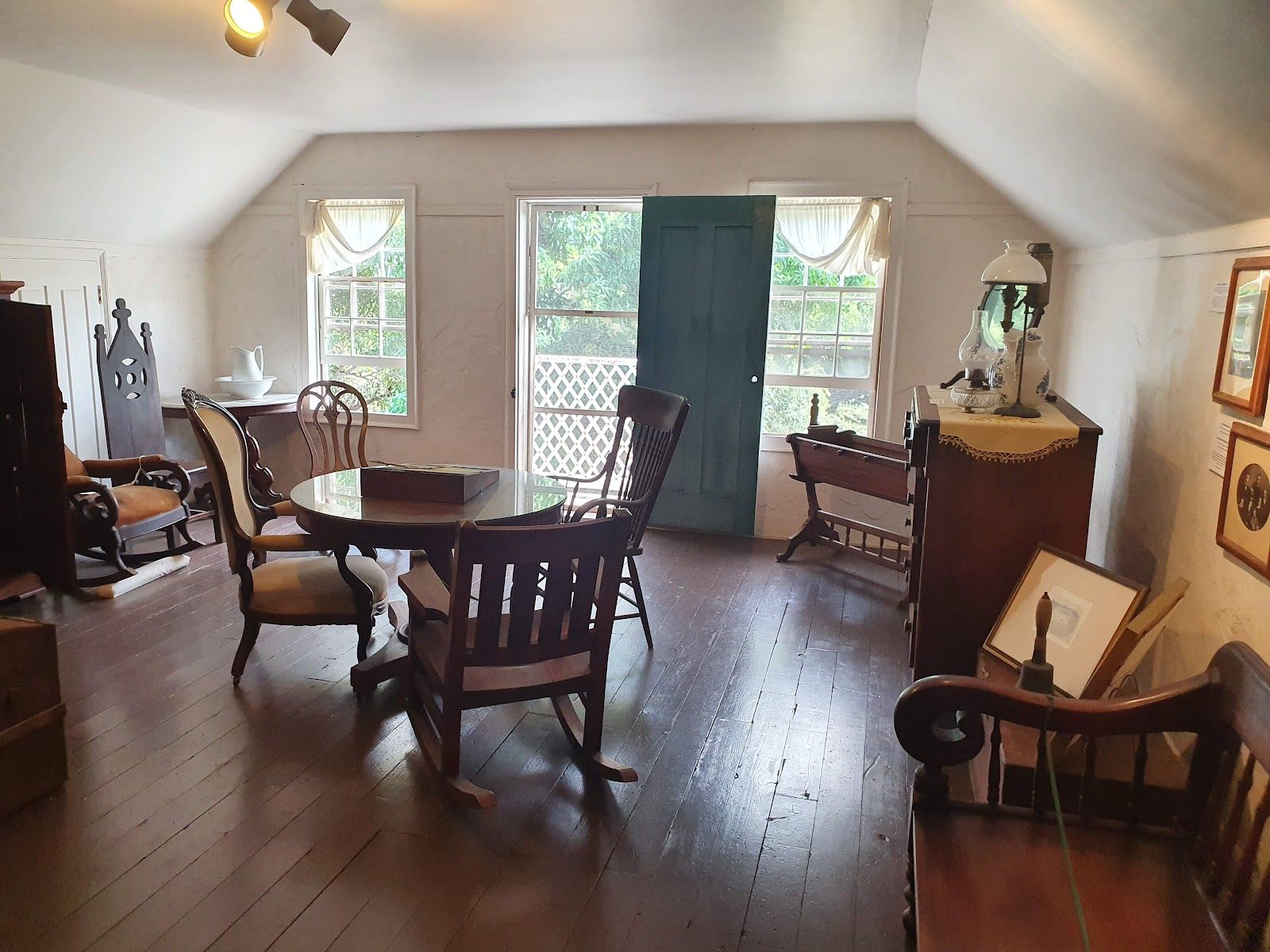
- Historic 1833 missionary home
- National & Hawaiʻi Registers of Historic Places site
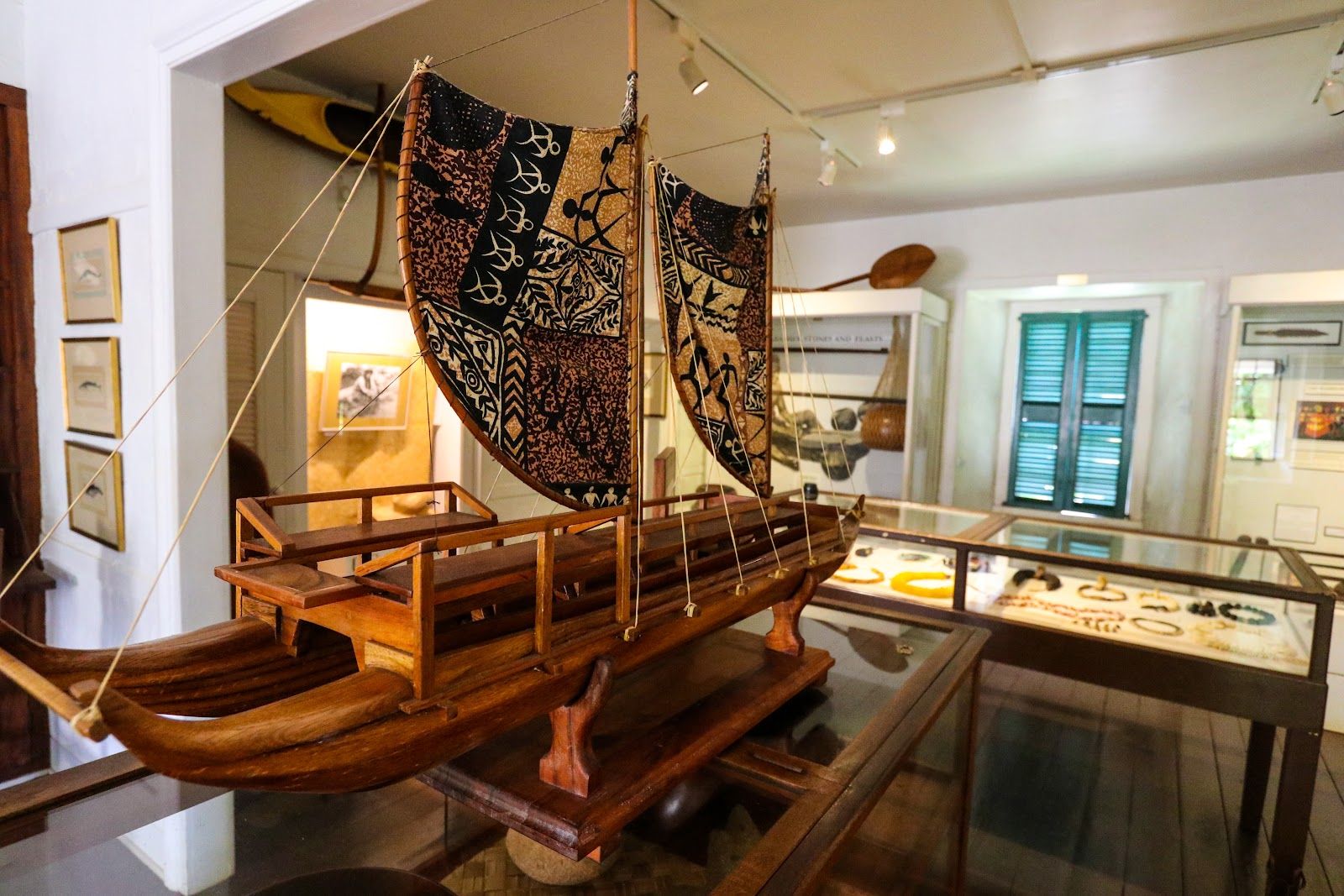
- Largest public collection of Hawaiian artifacts on Maui
- Exhibits pre-contact and missionary-era items
Maui Historical Society is a compact but rewarding culture stop in Wailuku, in Central Maui, where it works well as a break from beach days and a deeper counterpoint to the island’s more obvious scenic draws. The society’s Bailey House Museum gives travelers a focused look at Maui’s history through an 1833 missionary home, a major collection of Hawaiian artifacts, and gardens that add a quieter, more reflective layer to the visit. For anyone building a day around Wailuku or nearby ʻĪao Valley, it fits neatly as a short, meaningful stop rather than a time-consuming outing.
Bailey House Museum’s layered story
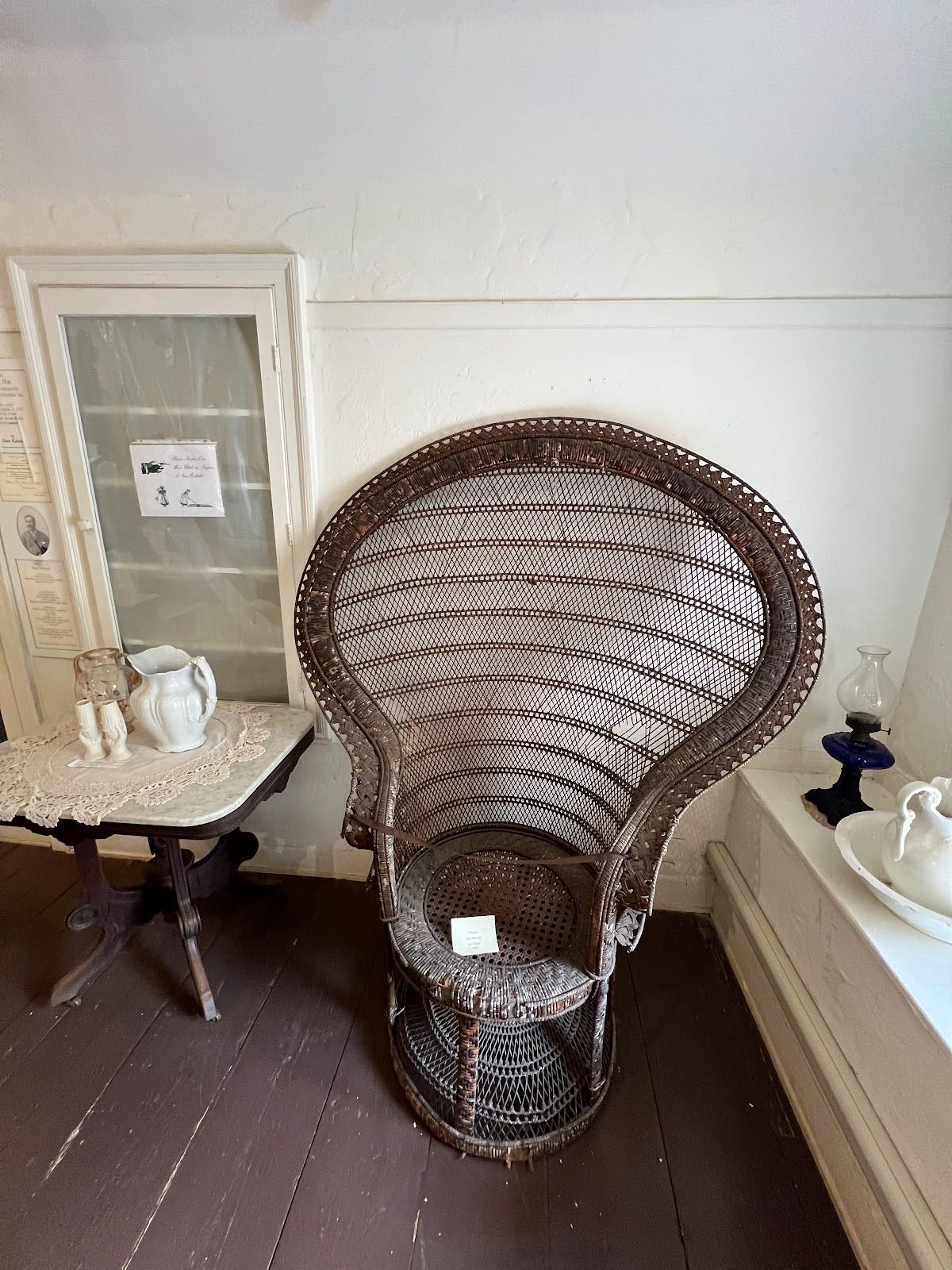
The main draw here is the museum itself, also known as Hale Hōʻikeʻike. The building is an historic missionary residence that later served as the Wailuku Female Seminary, so the site carries more than one chapter of Maui’s past. Inside, the collection reaches beyond the missionary era and into pre-contact Hawaiian life, with objects such as kapa, adzes, feather lei, and other culturally significant pieces that help ground the island’s history in material detail.
That breadth is what makes the museum stand out. It is not just a house full of period rooms, and it is not only a display of artifacts. It connects early Hawaiian life, mission-era change, and the work of preserving local memory in one place. The inclusion of paintings by Edward Bailey adds another layer, especially for travelers interested in how art, religion, and daily life intersected in 19th-century Maui.
The gardens and the slower pace
The Chas Fisher Memorial Gardens give the visit breathing room. Native Hawaiian plants are part of the experience, alongside other plantings associated with the missionary period, so the grounds complement the museum rather than serving as a separate attraction. That makes the visit feel especially suited to travelers who like their history with some sense of place.
This is also one of the better rainy-day or heat-avoidance stops in Central Maui. It is an indoor-outdoor experience, but not an all-day commitment. Most travelers will probably find that 1 to 2 hours is enough to see the exhibits, browse the grounds, and make time for the gift shop, which stocks Hawaii-made crafts and books tied to local history.
Easy to combine with Wailuku and ʻĪao Valley
The Maui Historical Society works best as part of a broader Central Maui day. Its Wailuku location makes it easy to pair with downtown lunch, courthouse-square wandering, or a trip toward ʻĪao Valley. It is especially useful when the day needs a cultural anchor between more active or scenic stops.
Because it is on Main Street, logistics are straightforward, though parking may take a little urban flexibility. The museum does not require a complicated plan for a general visit, but current hours should still be checked before going, especially around holidays or if visiting on a tight schedule. Research access is by appointment, so this is more of a casual visitor stop than a drop-in archival destination.
Best for travelers who want context, not just scenery
This is a strong fit for history-minded travelers, families looking for an educational stop, and anyone who wants Maui to feel larger than its beaches and resort zones. It is also a good choice for visitors who appreciate places that reward slower attention.
Travelers looking for a high-adrenaline excursion, a long outdoor adventure, or a purely visual attraction may want something else. The museum is modest in scale, and that is part of its appeal. It delivers depth rather than spectacle, and in Wailuku that makes it a particularly useful addition to an itinerary.