
What it is
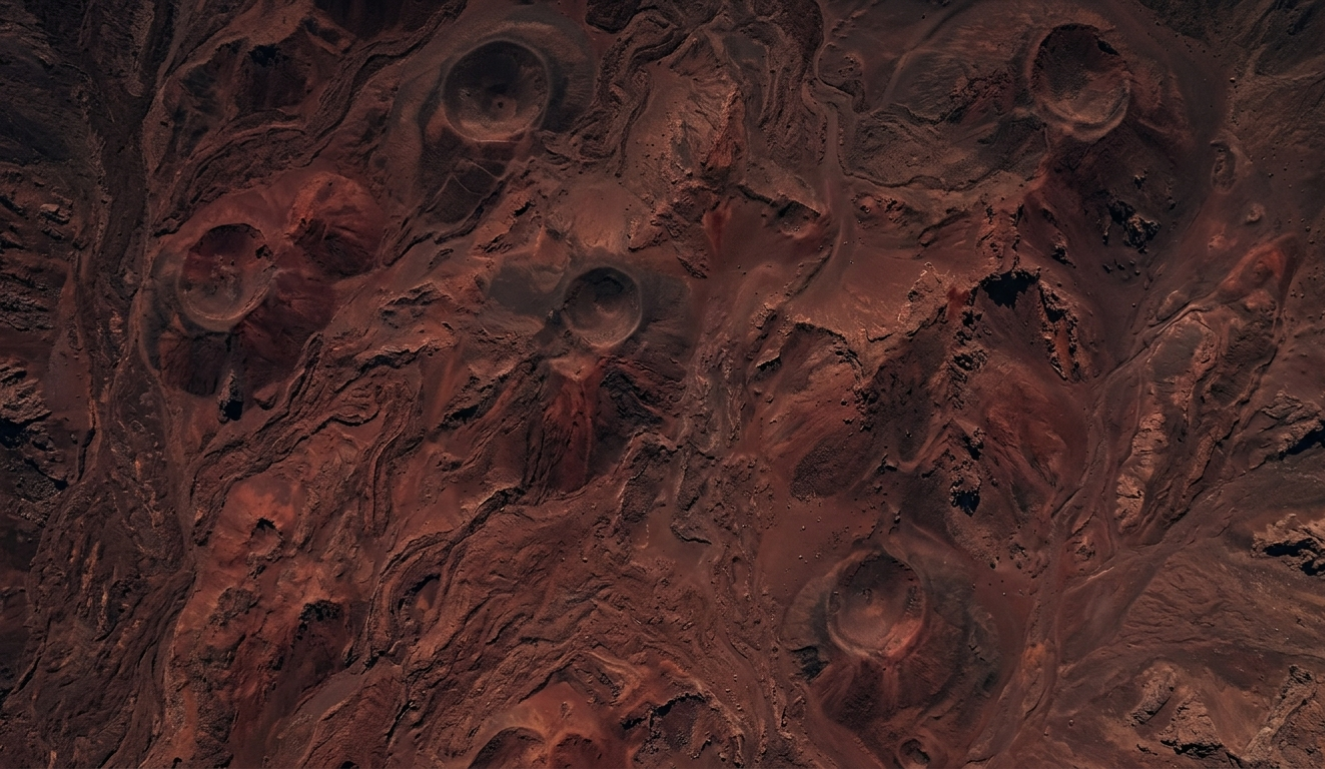
Mākena State Park, spanning 165 acres on Maui's southwestern coast, is a protected natural area renowned for its expansive, undeveloped beaches and volcanic landscapes. The park features three distinct beach areas: Oneloa (popularly known as Big Beach), Puʻu Ōlaʻi (Little Beach), and Oneʻuli (a black sand beach). A prominent dormant volcanic cinder cone, Puʻu Olai, stands as a landmark within the park, separating Big Beach from Little Beach.
Visitor experience
Travelers choose Mākena State Park for its pristine, secluded beaches, which offer golden sands and clear turquoise waters, providing a more remote ambiance than other bustling Maui beaches. It's a popular destination for those seeking relaxation, natural beauty, and outdoor recreation. The park's dramatic landscapes, including lush greenery and volcanic formations, also make it an appealing spot for photography.
Activities within the park include swimming, sunbathing, bodyboarding, and bodysurfing. Snorkeling is a key activity, particularly at Little Beach and Oneʻuli, where vibrant coral reefs and marine life, including green sea turtles, can be observed. Visitors can also hike the slopes of Puʻu Olai for panoramic views, go fishing, and engage in wildlife watching, with opportunities to spot various bird species and humpback whales during winter months (November to March). Picnicking is also a popular pastime.
Little Beach is notably recognized for its unofficial clothing-optional atmosphere and historically hosted Sunday drum circles, though these gatherings have reportedly moved to a different location. Oneʻuli Beach, with its black sand, offers a more secluded experience suitable for those seeking quiet, and is also recommended for divers and experienced snorkelers. Big Beach, known for its vast shoreline, is ideal for swimming and bodyboarding during calm conditions.
Logistics
- Area and Access: Mākena State Park is located in South Maui, south of Wailea. It is primarily accessed by car via Piʻilani Highway (Highway 31) from Kahului or Kihei, following signs for Wailea and then continuing onto Makena Alanui Road. Public transportation via Maui Bus can reach stops in Wailea, but a walk or rideshare service is needed to cover the remaining distance to the park entrance.
- Hours:
- Oneloa (Big Beach) & Oneʻuli (Black Sand) Beach are open daily from 5:00 am to 7:00 pm. During summer months (May, June, July), these areas extend their hours until 7:45 pm.
- Puu Olai (Little Beach) has specific hours: 5:00 am to 4:00 pm on Saturdays and Sundays, and 5:00 am to 7:00 pm on weekdays.
- It is advisable to arrive early, especially on weekends, as parking areas tend to fill quickly.
- Parking and Fees: Non-residents are subject to an entrance fee of $5.00 per person and a parking fee of $10.00 per vehicle. Hawaii residents with a valid state driver's license or ID receive free entry and parking. Children aged 3 and under are free. Payment for parking can be made at electronic pay stations (credit card only) or online upon arrival. There are two main paved parking lots for Big Beach and Little Beach, with a dirt road providing access to Oneʻuli Beach.
- Permits: No specific permits are mentioned for general visitor access.
- Likely Duration: Given the multiple beaches, hiking opportunities, and various water activities, a visit to Mākena State Park can easily fill a half-day or serve as an anchor activity for a full day.
- Amenities: Amenities are minimal. The park provides portable restrooms, trash cans, picnic tables, and a food concession stand. There is no drinking water available on-site, so visitors must bring their own. Food trucks are often located across the road from the park entrances.
Safety and cautions
- Ocean Conditions: Big Beach is particularly known for its dangerous shorebreak, strong currents, and high surf, which can cause serious injuries. Lifeguards are stationed only at Big Beach, not at Little Beach. Visitors should always monitor weather reports and ocean conditions, heed posted warnings, and observe the ocean for 10-15 minutes before entering. Inexperienced swimmers or those unfamiliar with powerful ocean conditions should exercise extreme caution or avoid entering the water at Big Beach.
- Water Quality: Makena generally has clean water quality due to open ocean flushing and undeveloped surrounding areas. However, after heavy rain, the water may appear brown or murky; it is advised to wait at least 72 hours and until the water clears before swimming.
- Nudity: While public nudity is commonly practiced and unofficially tolerated at Little Beach, it is technically illegal in Hawaii.
- Cultural Sensitivity: Puʻu Olai holds cultural significance as a site for traditional Hawaiian rituals. The area has deep cultural and mythological connections to Native Hawaiians. Visitors should be respectful of local customs and the land.
- Prohibited Activities: Prohibited activities within the park include motorized vehicles/ATVs, animals/pets, alcoholic beverages, open fires, camping, smoking, and driving on the beach.
- Hiking: Sturdy shoes are recommended for hiking the Puʻu Olai cinder cone trail.
- Personal Belongings: Visitors should take all valuables with them when leaving their vehicles.
- Natural Hazards: Be aware of spiky thorns from Keawe trees when walking near them.
- Conservation: Coral reefs in the area face threats from climate change, ocean acidification, and certain sunscreen chemicals; visitors are encouraged to use reef-safe sunscreen.
Editorial take
Mākena State Park is a highly recommended destination for visitors to Maui who appreciate natural, expansive beaches and seek a less developed coastal experience. It's ideal for beach lovers, snorkelers (particularly at Little Beach and Oneʻuli), photographers, and those interested in light hiking with scenic rewards. Families can enjoy Big Beach, but should be highly attentive to the strong shorebreak.
Visitors who prefer extensive amenities, calm ocean conditions for swimming, or who are uncomfortable with the clothing-optional environment of Little Beach may find other beaches more suitable. Inexperienced swimmers should be particularly cautious at Big Beach due to its powerful shorebreak and should always consult lifeguards for current conditions.
Mākena State Park should not be confused with nearby snorkeling spots like Makena Landing (also known as "Turtle Town"), the ʻAhihi-Kinaʻu Natural Area Reserve (known for lava formations and marine life), or La Perouse Bay, which offer distinct experiences although they are in the same general region of South Maui.
Source notes
- HawaiiActivities.com. "Makena State Park - Hawaii Travel Guide." https://vertexaisearch.cloud.google.com/grounding-api-redirect/AUZIYQFX7yMQtF-vvIqcuOhZchpMPR2RUIRQcYqlRYacmDBkLXE7RfGcoGvT60KgZd-uiiCNSiwUXDQC8m7re4sfiNn11W58q10BErtKF_sN3i7013cV466iJtDWyg2tzBoFmoiwNNI3ruuqgWq1bp2m788R99H4SIRnIjFdZA==
- Hawaii.gov, Department of Land and Natural Resources. "Division of State Parks | Mākena State Park." https://dlnr.hawaii.gov/dsp/parks/maui/makena-state-park/
- Safe Beach Day. "Makena State Park - Safe Beach Day." https://vertexaisearch.cloud.google.com/grounding-api-redirect/AUZIYQH3WivhHqFjiXpHq-V1q-kj5AwhLLLeUd92DP5d2H1KSSksSLQNxIBYRB7blsPDmqynSu7TUfbe2Y6TnWkjjwaKfK54lQcTbBe2kS8Ag9K0v9T9PwPNa_qIFurDGxI7TzuBDYwp2eM=
- Auntie Snorkel. "Makena Beach Park - Big Beach Guide." https://vertexaisearch.cloud.google.com/grounding-api-redirect/AUZIYQG--3lCnMOdsv4arxhTtXPAY0aSilu8tcjanZnY1TUdNjUNPH-h6RXblzad5kbvNVcbWIauMxB3kkZImHCLcOpBYJCYokY1SjJHKgUr1wz-lCTKVbDEpWt5uSGe4tIf8vnvvudVc3dv88jCLS_Hi4nAVvDuEfGbKTwZTRzfU5DVovB0EzdQ2pQ8BtJ-ZeaZyJzDbH2GcAN2q4q6cKb6F4pES67HoCMgPjHcudE_XFzeSYK59SZp-AzSWWR5tQ==
- Safe to Swim Hawaii. "Big Beach Makena Water Quality — Clean but Dangerous." https://vertexaisearch.cloud.google.com/grounding-api-redirect/AUZIYQFm0cK_z6TxeP05kteKcil3_PWeZkQHjIcwjft88gMXytuzhOFEmXW3b8NvHWrxAxmJ9e--KwjQH-aokGkIeFzCJxV6g9Zcc5gf1muaG1r2DEnVoe4L3txqbkv6WBMfcOyNPC-chQ==
- To-Hawaii.com. "Little Beach, Maui." https://vertexaisearch.cloud.google.com/grounding-api-redirect/AUZIYQElrR3hXs9sgfhjbHgaPHIJ4VtDAjqLNZBkvy05kq5zytdqjNZgQ-6zGHCbcyDrv1oXrJxbZ50MF62UFvWtQGS7yGcZ9GUr9abaP_UBp2jl2t2xDEn4bEIYass7F7xisF-oc8Vk3vlt4xuX1fnJtIJCJQ==
- Maui.com. "Makena State Park Guide." https://vertexaisearch.cloud.google.com/grounding-api-redirect/AUZIYQFCwDD52d0MCrsi5HXva8is1SqbPDpaXN2CI6noZmSpCPKGbMhJrYd_EDAdoNWpmYCVjPeV4BoTn2osh2m2UDJ0I01x-lp5l0pfuWXCMUEYUl0MrwsxNdbFy-3GC7NhckaamJNwBbtYc4nEgvgMAWY=