
What it is
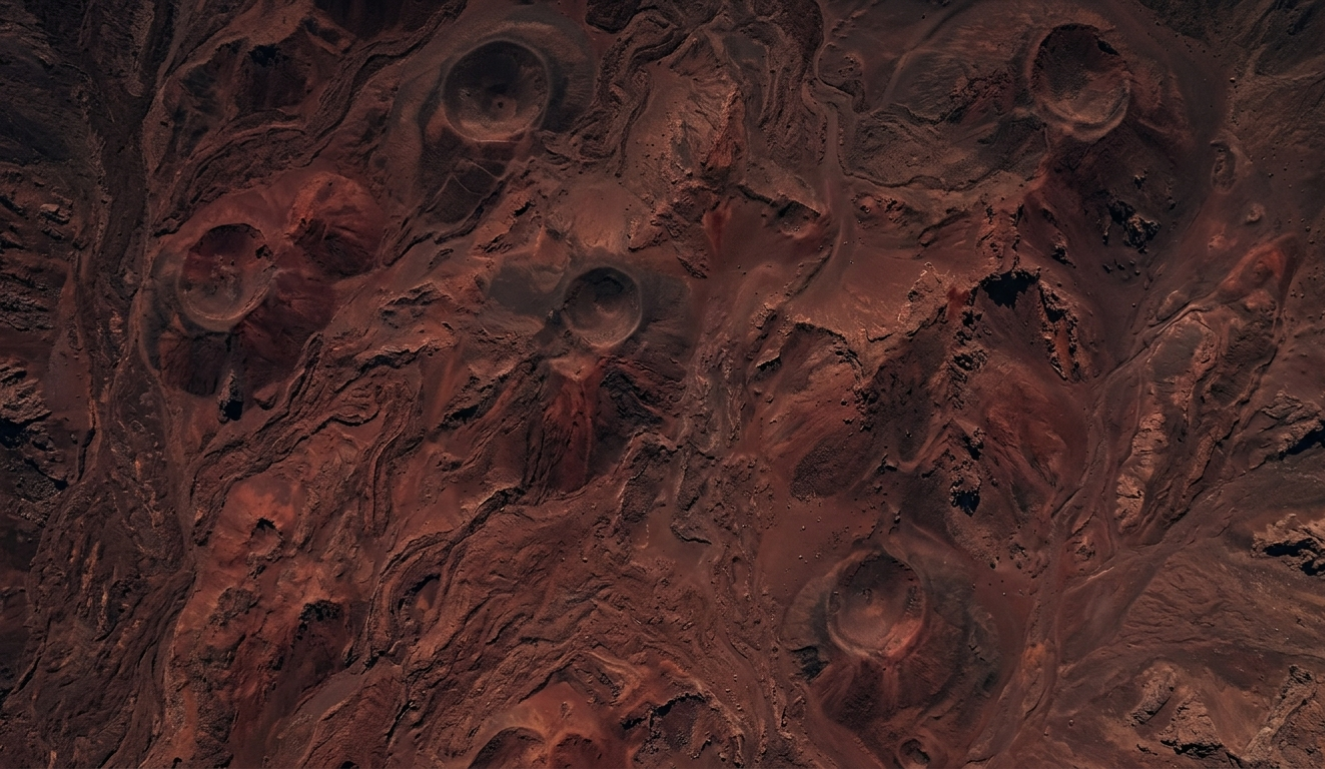
Leleiwi Overlook is a scenic viewpoint situated within Haleakalā National Park in Upcountry Maui, at an approximate elevation of 8,800 feet (2,694 meters). It offers visitors panoramic views directly into the vast Haleakalā crater, showcasing its distinct cinder cones and ancient lava flows. From the overlook, on clear days, it's also possible to see down to Maui's north shore through the Koʻolau Gap. The name "Leleiwi" translates to "bone altar," though the historical origin of this name is no longer known. The overlook was established in 1966 as part of a National Park Service initiative to enhance visitor experiences.
Visitor experience
Travelers choose Leleiwi Overlook primarily for its breathtaking views of the dormant Haleakalā volcano's crater. It's a popular spot for viewing sunrise, offering a striking perspective as the first light illuminates the unique volcanic landscape. Beyond sunrise, the overlook provides opportunities to observe the dynamic weather patterns as clouds frequently drift in and out, altering the landscape's appearance. On rare occasions, visitors positioned between the sun and clouds at high elevation might even witness the optical phenomenon known as the "Specter of Brocken," where their shadow appears ringed by a faint rainbow. The access to the overlook involves a short, easy 0.3-mile (0.48 km) roundtrip walk from the parking lot, rising about 100 feet (30 m) in elevation via steps. Along this trail, visitors can observe native plants such as mamane, pukiawe, ʻohelo, and naʻenaʻe, as well as remnants of an old stone wall built by ranchers in the late 1800s.
Logistics
- Area and Access: Leleiwi Overlook is located within the Summit District of Haleakalā National Park, approximately at mile marker 17.5 on Highway 378.
- Reservations: A per-vehicle reservation is required for entry into the Summit District between 3:00 AM and 7:00 AM daily for sunrise viewing. These reservations cost $1 per vehicle, are non-refundable, and must be made in advance through Recreation.gov. They become available 60 days in advance at 7:00 AM HST, with a smaller portion released 2 days (48 hours) prior to the visit date. Each individual may book only one vehicle reservation every three days. No reservation is needed to visit the overlook outside of these sunrise hours (i.e., after 7:00 AM).
- Timing: While the walk to the overlook is very short (about 10 minutes roundtrip), allowing for a quick stop, the overall visit duration depends on the traveler's interest in lingering to enjoy the views, especially during sunrise or sunset.
- Parking: A designated parking lot is available near the trailhead, across the road from the start of the overlook trail. Parking can be limited, particularly during popular sunrise viewing times, and lots may close when full.
- Permits/Fees: A Haleakalā National Park entrance fee is required for all visitors. This costs $30 per private vehicle and is valid for three days, covering both the Summit and Kīpahulu Districts. This entrance pass is separate from and in addition to the $1 sunrise reservation fee. America the Beautiful passes (annual national park passes) are accepted for the entrance fee.
- Likely Duration: A quick stop (10-30 minutes) if solely for the view, or longer if combined with sunrise/sunset viewing or photography.
- Better as: A quick stop or part of a half-day or full-day exploration of the Haleakalā Summit District.
Safety and cautions
- Altitude: Leleiwi Overlook is at approximately 8,800 feet elevation. Visitors should be aware of the high altitude, which can cause symptoms such as shortness of breath or dizziness. Taking time to acclimate is important.
- Weather: Weather conditions at high elevations are highly unpredictable and can change rapidly. Expect cool temperatures (ranging from below freezing to 50°-65°F / 10-18°C), strong winds, and intense solar radiation, even if it feels cold. Clouds and fog can roll in quickly, obscuring views. Dress in warm layers, including hats and gloves, and bring sun protection. If visiting for sunrise, headlamps or flashlights are advisable due to the rocky trail.
- Road Conditions: The road to the summit is winding.
- Cultural Respect: Haleakalā is a sacred place for Native Hawaiians. Visitors should be respectful of cultural traditions and practices they may encounter.
- Environmental Protection: Stay on marked trails to protect fragile native plants and the delicate high-altitude ecosystem. Creating new, unofficial trails can damage flora and pose safety risks.
- Overnight Stays: Sleeping overnight or camping in vehicles outside of designated campgrounds is prohibited within Haleakalā National Park.
Editorial take
Leleiwi Overlook is a strong candidate for visitors seeking an iconic Haleakalā crater view without embarking on a strenuous hike. Its short, accessible trail makes it suitable for most travelers, including families, offering a stunning introduction to the volcanic landscape. It is particularly worthwhile for those interested in experiencing a Haleakalā sunrise, provided they secure the necessary advance reservation. This overlook can be a less crowded alternative to the very top summit viewpoints, offering equally impressive, albeit slightly lower, perspectives.
Travelers prioritizing extensive hiking or a more remote wilderness experience might find this a too brief stop, though it can serve as an excellent starting point for longer hikes elsewhere in the Summit District. Those who dislike crowds, even with reservations, should be aware that sunrise at Haleakalā is very popular.
Do not confuse Leleiwi Overlook with other viewpoints within Haleakalā National Park, such as Kalahaku Overlook or the Haleakalā Visitor Center. While all offer crater views, they are at different elevations, have varying levels of accessibility, and present distinct vantage points.
Source notes
- Haleakalā National Park Entrance Fees & Passes: https://www.nps.gov/hale/planyourvisit/fees.htm
- Haleakalā National Park Leleiwi Overlook: https://www.nps.gov/places/leleiwi-overlook.htm
- Haleakalā National Park Summit Sunrise Reservations: https://www.recreation.gov/ticket/facility/253731
- Enjoy the Sunrise - Haleakalā National Park: https://www.nps.gov/hale/planyourvisit/sunrise.htm
- Leleiwi Overlook in Haleakala National Park (Maui must see!): https://avenlylanetravel.com/leleiwi-overlook-trail/
- Leleiwi Overlook Information, Tours & More | Maui Hawaii: https://www.mauihawaii.info/haleakala-sights/leleiwi-overlook/
- Weather - Haleakalā National Park: https://www.nps.gov/hale/planyourvisit/weather.htm