
Keoneheʻeheʻe (Sliding Sands) Trail
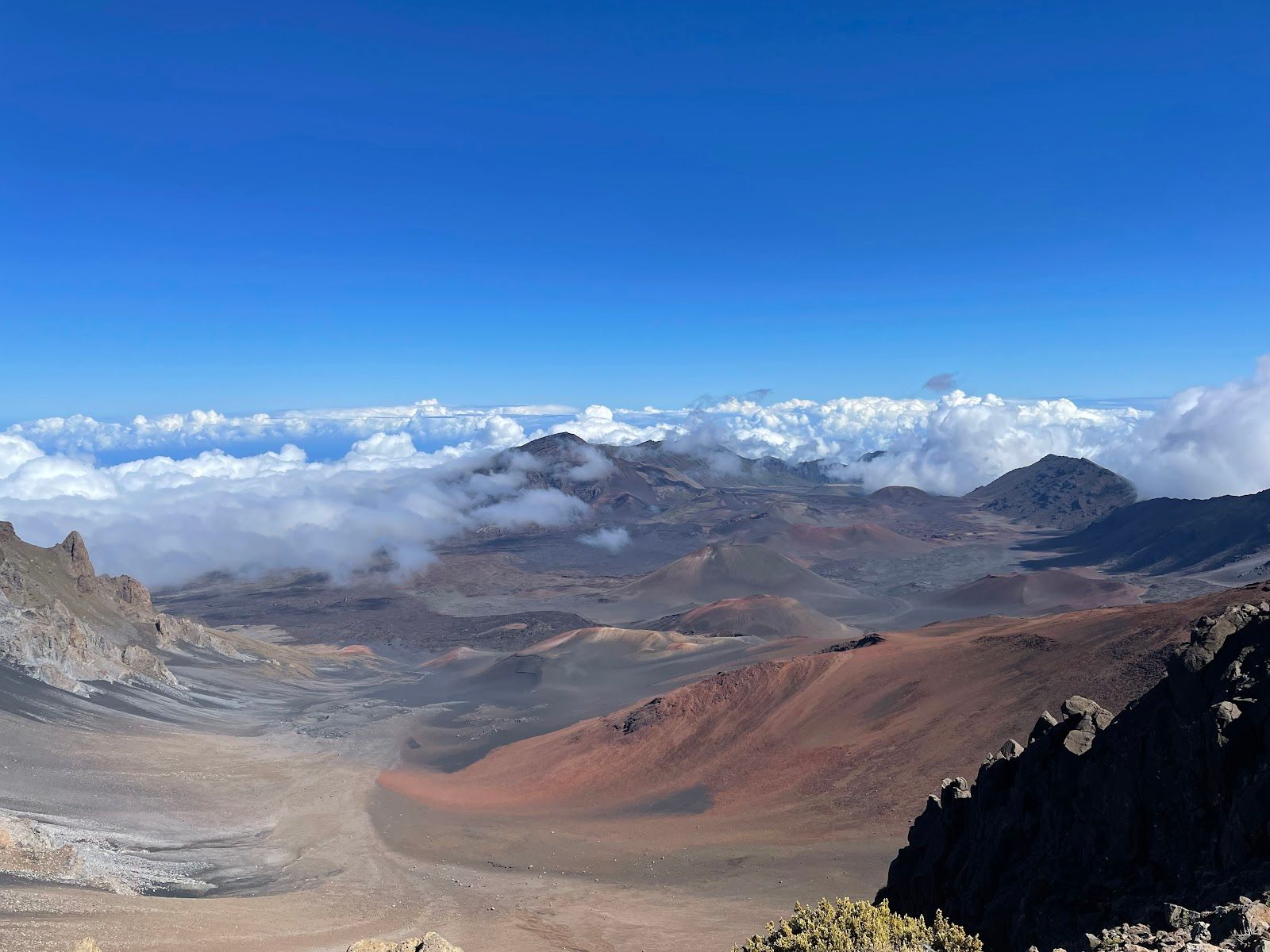
Descend into the vast, otherworldly volcanic crater of Haleakalā on the Sliding Sands Trail, encountering unique cinder cones, rare silverswords, and sweeping vistas above the clouds.
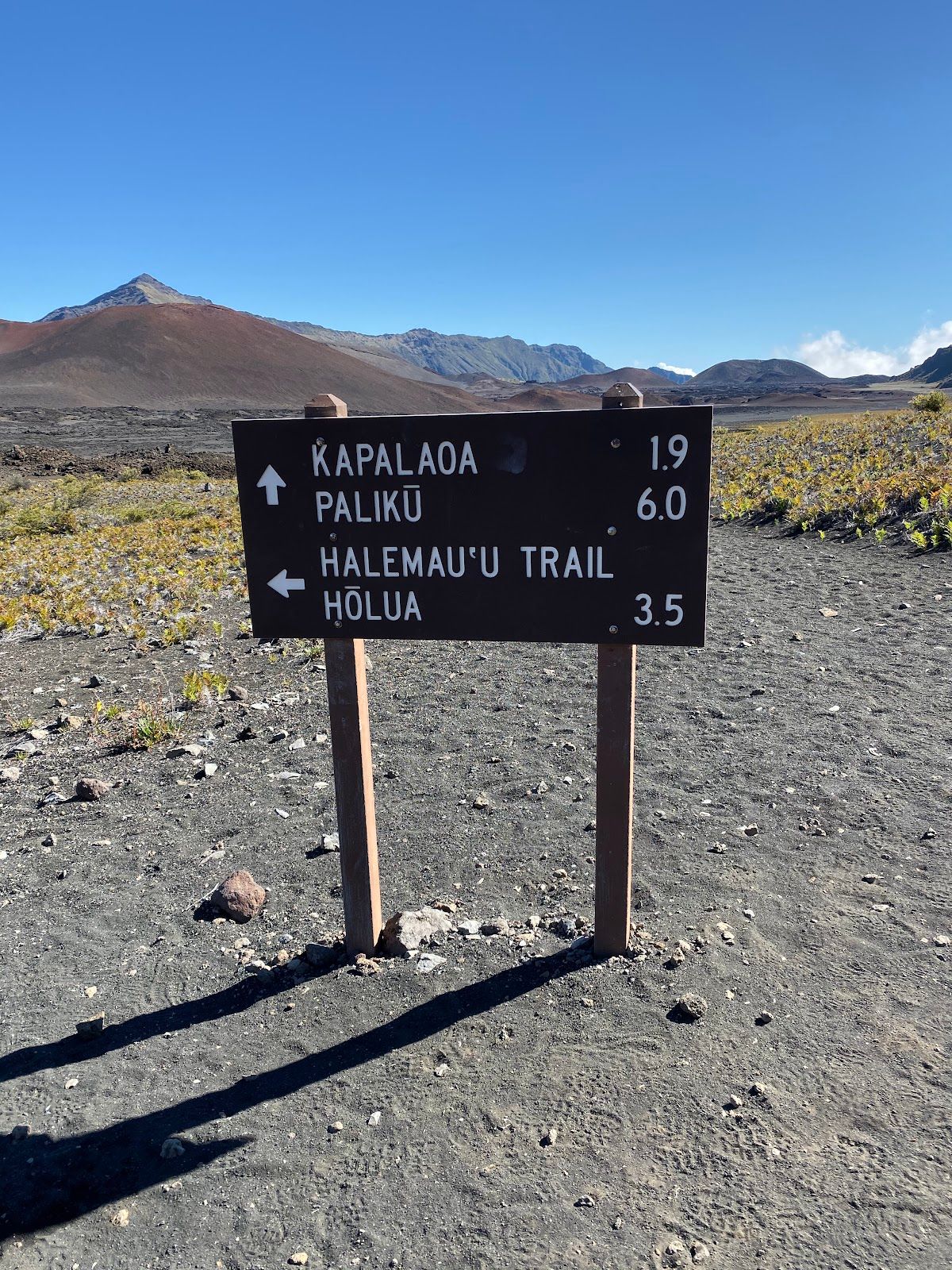
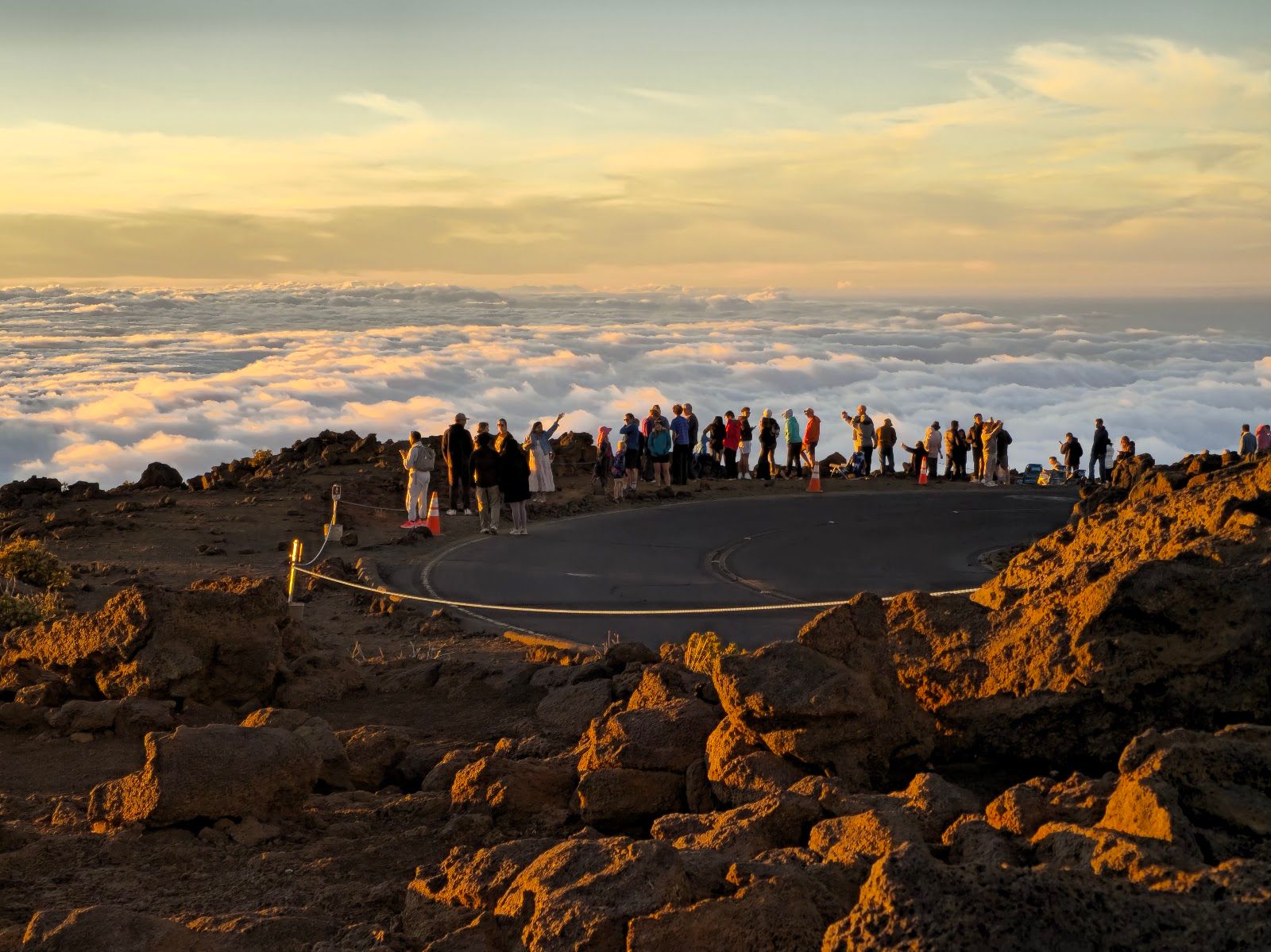
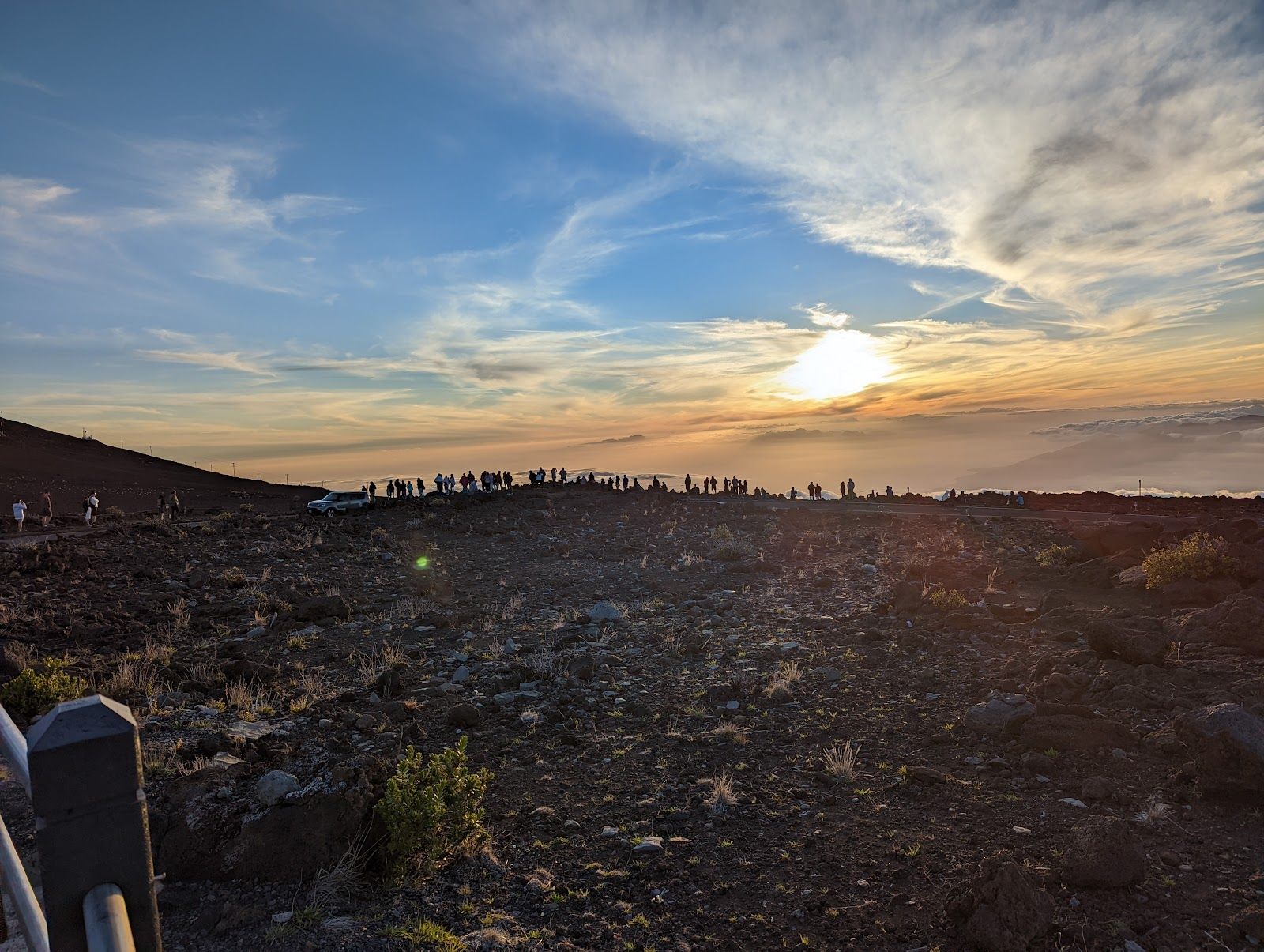
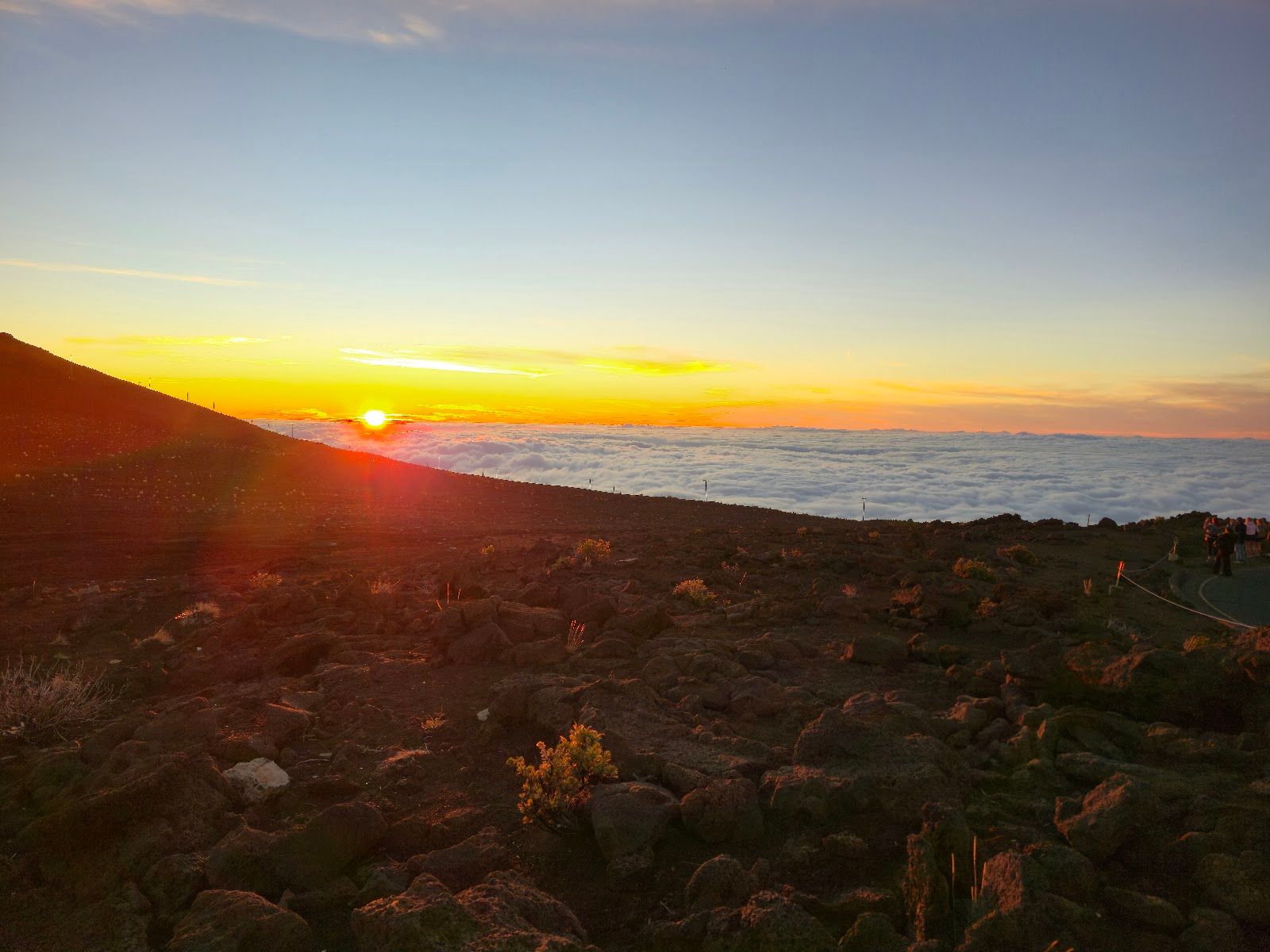
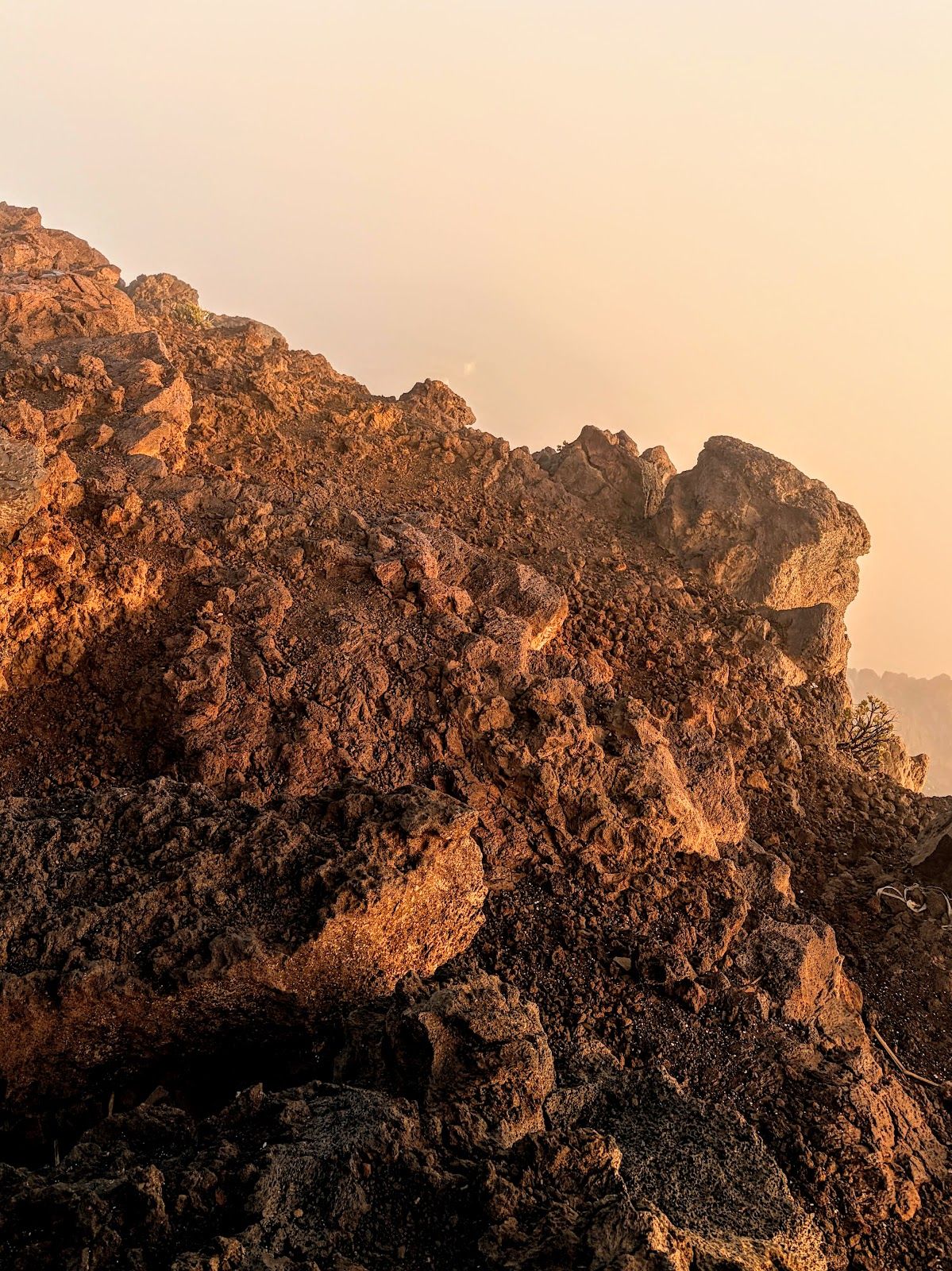
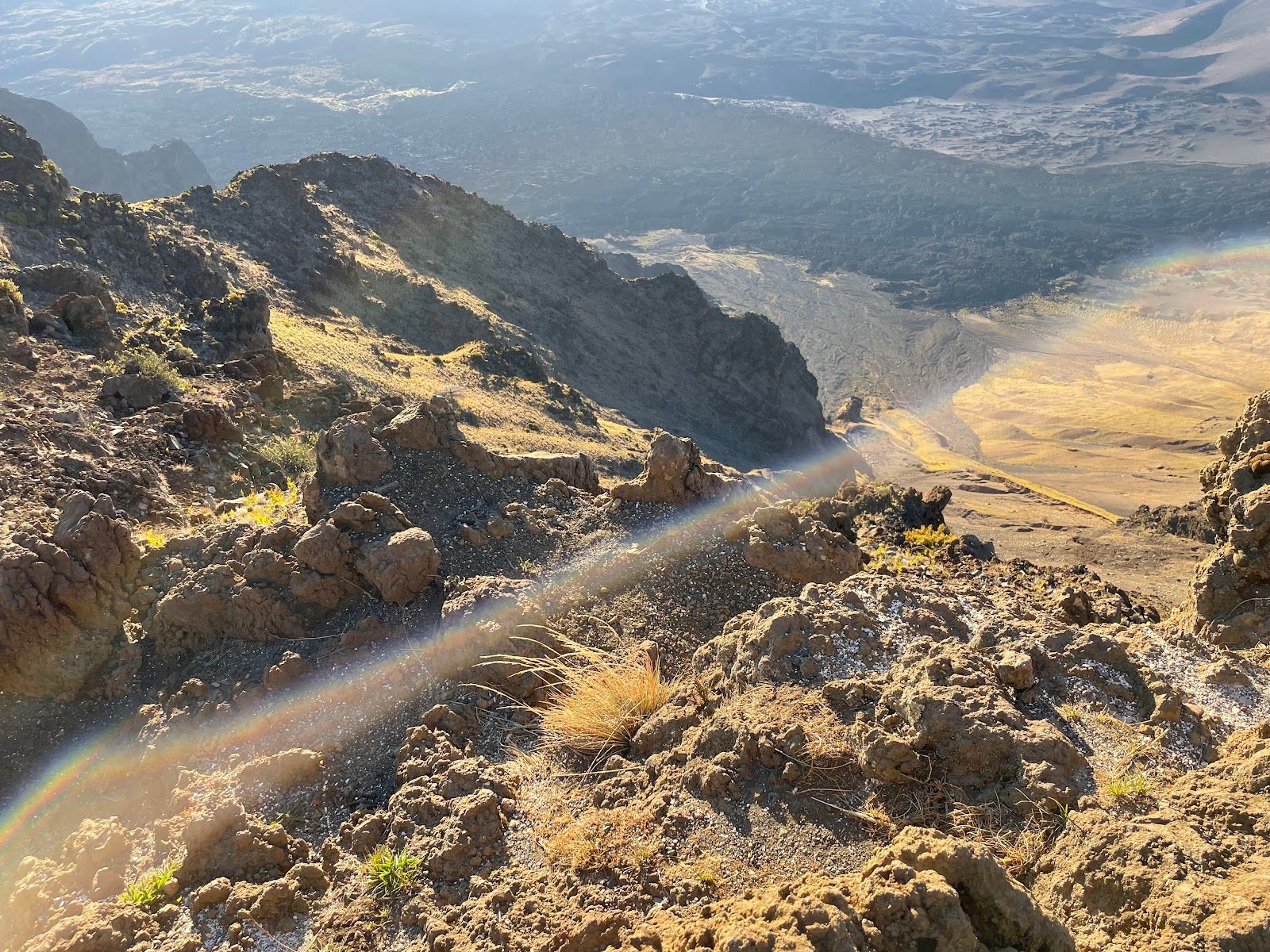
- Hike into Haleakalā's volcanic crater
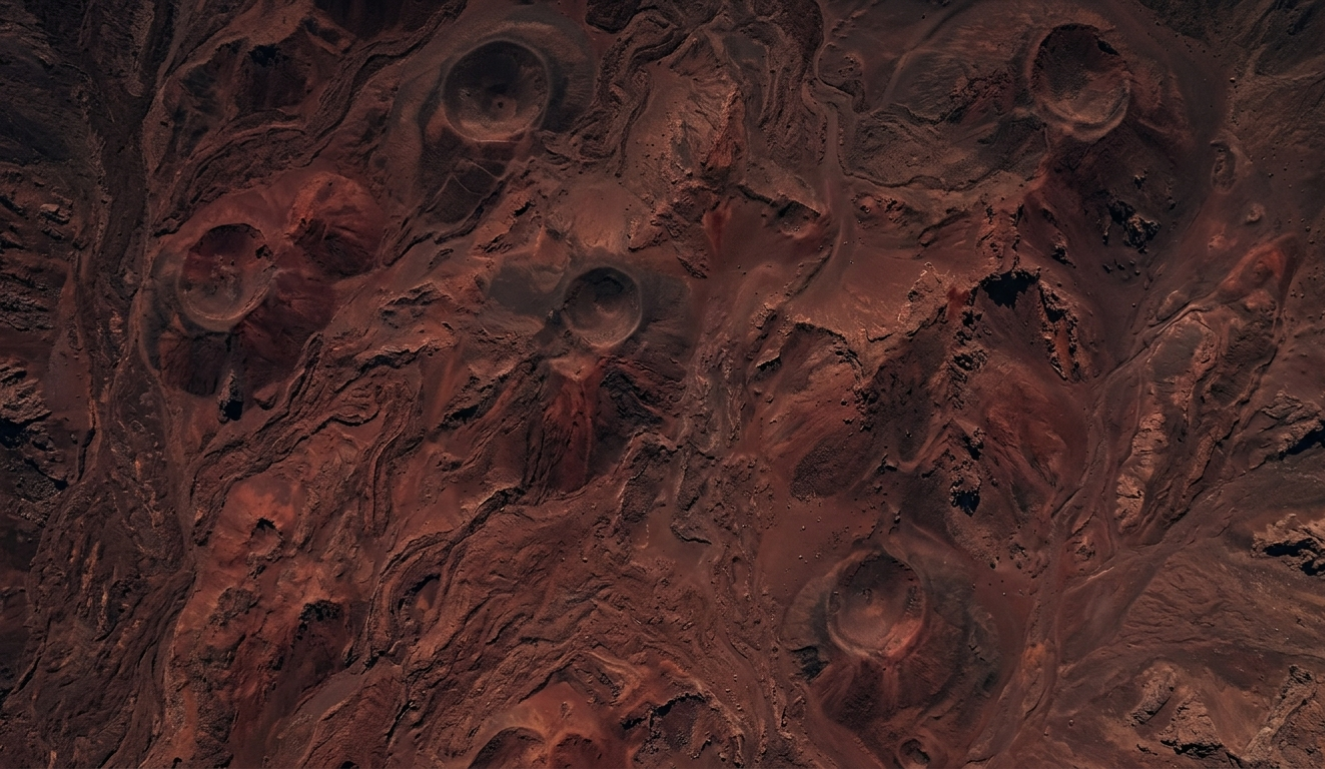
- Explore unique 'Martian-like' landscapes
- Opportunity to see rare Haleakalā Silversword
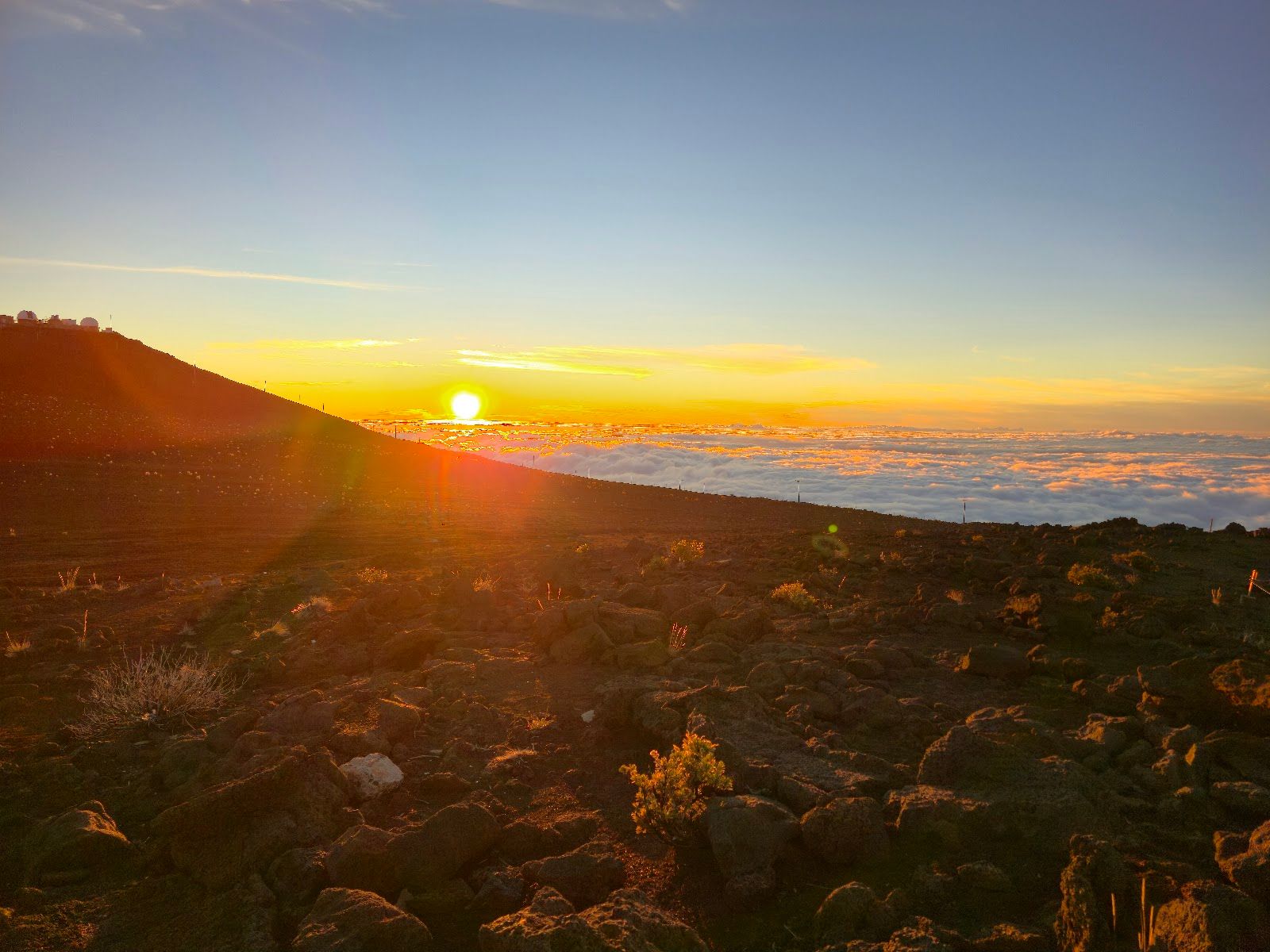
- Offers stunning vistas above the clouds
Keoneheʻeheʻe (Sliding Sands) Trail is one of Maui’s signature hikes, and it belongs squarely in an Upcountry day centered on Haleakalā National Park. From the Kula side of the island, it delivers something no coastal trail can: a descent into a vast volcanic crater where cinder cones, ash-colored slopes, and rare alpine plants replace the usual tropical scenery. It stands out because it is both dramatic and adjustable — just as rewarding for a short crater-edge out-and-back as it is for hikers prepared to make it a serious all-day undertaking.
A hike that starts with a descent and ends with a hard climb
The trail begins near the Haleakalā Visitor Center at almost 10,000 feet, so the first stretch can feel deceptively easy. The route drops into the crater on loose volcanic cinder — the “sliding sands” name is not marketing language, but a literal description of the footing. Even a brief walk offers a strong sense of scale, with wide open views and an almost lunar landscape that shifts constantly with light and cloud movement.
That initial descent is only half the story. The return is steep, exposed, and much more demanding than it looks on the way down. Hikers should plan the turnaround point carefully and treat the climb back out as the real effort. Trekking poles help on the cinder, and sturdy shoes matter more here than on many Maui hikes.
Best as a flexible crater experience, not just a summit stop
Keoneheʻeheʻe works well in several different formats. For many visitors, the most practical version is a short walk of less than a couple of miles each way, just enough to get into the crater and back without committing to a punishing ascent. That makes it an excellent add-on to a summit-area visit, especially if the goal is to see Haleakalā’s interior rather than simply the overlooks.
Stronger hikers can make it the anchor of a half-day or full-day outing, with longer out-and-back versions reaching deeper into the crater and requiring a serious pace management strategy. The trail can also be linked with Halemauʻu Trail for a point-to-point crossing, but that adds logistics and is best reserved for well-prepared hikers who are comfortable coordinating transportation.
Because the trailhead sits high above sea level, this is not a casual after-breakfast stroll. Spending a little time acclimating in the summit area before heading down is a smart move, especially for travelers sensitive to altitude.
Reservation timing, weather, and other realities
This is a Haleakalā experience, so park access comes with the usual summit considerations: entrance fees, sunrise reservation rules for early arrivals, and the need to plan ahead if visiting before 7 a.m. Day hikers who are not chasing sunrise can simplify the trip by starting later, but an early start still helps with both trail conditions and timing before afternoon weather shifts.
Conditions can change quickly. The summit district can be cold, windy, sunny, and damp in the same outing, often with little shade and stronger UV than visitors expect. There is no potable water on the trail, and cell service is unreliable in the crater, so carrying enough water, snacks, and layers is essential. The trail is also culturally significant — Haleakalā is a sacred place, and staying on marked routes is part of hiking here with respect.
Who should put it on the list
This hike is ideal for travelers who want Maui to feel geologically different for a day — hikers who appreciate big scenery, rare native plants like the silversword, and a route with real physical payoff. It is also one of the island’s best choices for anyone seeking a memorable hike without needing technical skills.
It is less suitable for travelers wanting shade, gentle grades, or an easy summit walk. Those with heart or respiratory concerns, or anyone uneasy at high elevation, may prefer the crater overlooks instead. For the right traveler, though, Sliding Sands is not just a hike; it is one of Maui’s most distinctive inland experiences.