
What it is
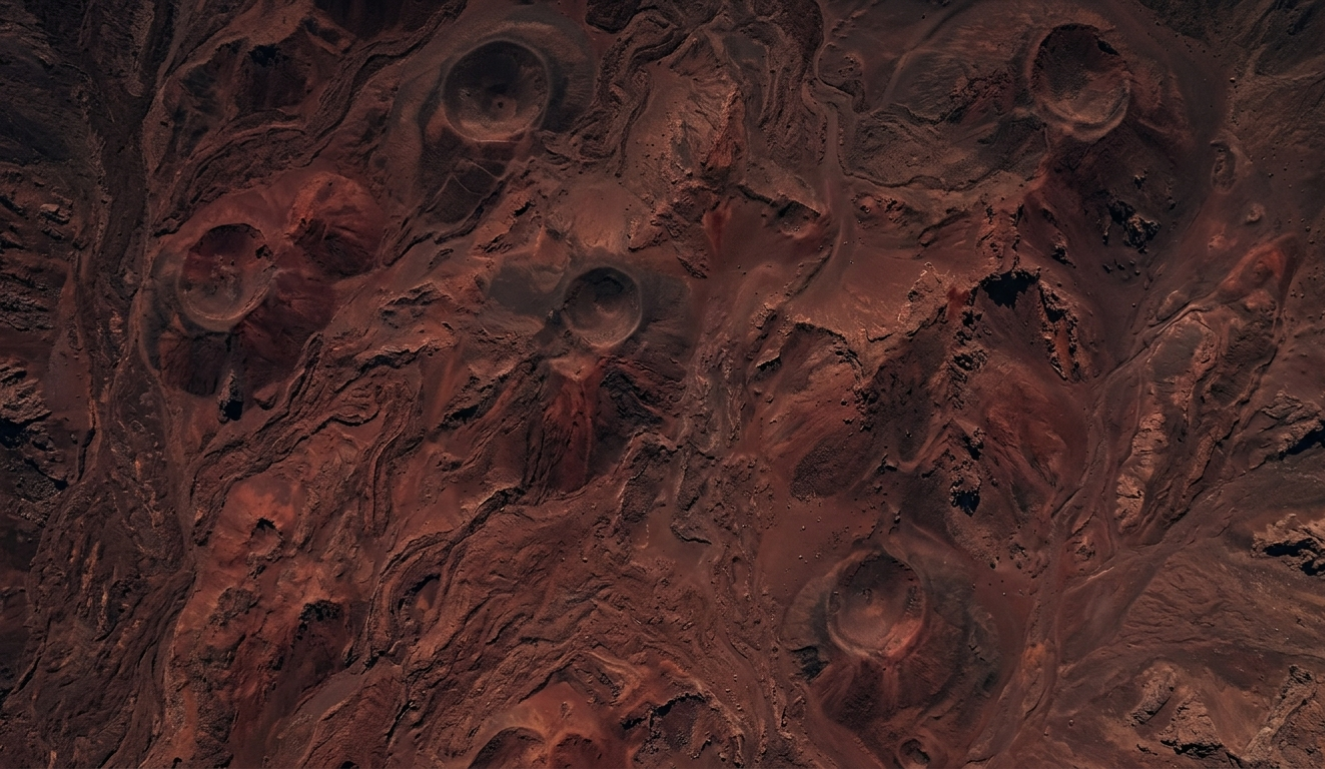
Kaihalulu Red Sand Beach, also known as Kaihalulu Beach, is a uniquely striking cove located near Hāna on Maui's eastern coast. It is famed for its distinctive rust-red sand, a result of the erosion of a nearby cinder cone rich in iron. This crescent-shaped beach is tucked between dramatic red cliffs and lush green ironwood trees, creating a vivid contrast with the deep blue and turquoise waters of the Pacific. The bay is partially protected from strong ocean waves by a natural lava rock wall, sometimes creating calmer conditions within the cove.
The area holds significant cultural value for Native Hawaiians, having historically served as a strategic fortress and temple (heiau) and is recognized as the birthplace of Queen Kaʻahumanu.
Visitor experience
Visitors are primarily drawn to Kaihalulu for its exceptional natural beauty and photographic opportunities, offering a landscape unlike any other beach in Hawaiʻi. The secluded setting provides a sense of remoteness, appealing to adventurous travelers and nature lovers.
While the beach's clear turquoise waters may appear inviting for swimming and snorkeling, conditions can change rapidly, and strong currents or undertows are common, making water activities often unadvisable. Due to its isolated nature, the beach is unofficially known as a clothing-optional spot. There are no facilities such as restrooms or lifeguards at Kaihalulu Red Sand Beach.
Logistics
Kaihalulu Red Sand Beach is located in Hāna, East Maui, at the end of the renowned Road to Hāna. Accessing the beach requires a hike along an unofficial, narrow, and often hazardous coastal trail. The trail begins near the Hāna Community Center at the end of Uakea Road.
The hike itself is short, typically 10-20 minutes each way, but it is considered high-consequence due to treacherous conditions. The path is composed of loose cinders, dirt, and rocks, is exposed, and has steep drop-offs, making it very slippery, especially after rain. There is no official parking lot; visitors must find limited street parking in Hāna, and illegally parked vehicles may be cited. No reservations or permits are required to visit the beach.
The best time to visit is generally in the early morning for fewer crowds, better light for photography, and potentially calmer ocean conditions. It is strongly advised to avoid the trail during or immediately after heavy rainfall. Given the challenging access and lack of facilities, it is typically a quick stop for photos rather than an anchor activity, though adventurous visitors might spend a longer duration if conditions allow and they are prepared. Visitors should bring good walking shoes or trail sandals, water, snacks, reef-safe sunscreen, and a camera.
Safety and cautions
Kaihalulu Red Sand Beach is widely regarded as one of Maui's most dangerous beaches to access.
The hike to the beach is precarious and has been the site of numerous serious injuries, including falls requiring helicopter evacuation. The trail is narrow, exposed, unstable due to erosion and landslides, and features steep drop-offs. It is explicitly not recommended for children, individuals with mobility issues, or those prone to vertigo. Trail conditions can deteriorate rapidly, especially after rain, becoming extremely slippery and unpredictable.
Furthermore, the trail to Kaihalulu often crosses privately owned land. While a Hawaiʻi state law prohibits private entities from denying beach access, local advisories and "Kapu" (keep out) or "No Trespassing" signs may be posted, and visitors are urged to respect them to avoid trespassing and mitigate impacts on the local community.
Ocean conditions can be dangerous, with strong undertows and rip currents despite the protective lava wall. There are no lifeguards on duty, and emergency assistance is not readily available. Local community groups, such as Hoʻomakaukau Maui Hikina ("East Maui Ready"), have issued standing advisories requesting that visitors avoid Kaihalulu due to frequent emergency responses and the strain on local resources. Visitors should check local weather forecasts and surf reports before considering a visit.
Editorial take
Kaihalulu Red Sand Beach offers a truly unique and breathtaking visual experience for those seeking an "off-the-beaten-path" adventure. However, the significant risks associated with its access cannot be overstated.
Prioritize it if: You are an experienced, sure-footed hiker, comfortable with navigating extremely hazardous and unofficial trails, and are willing to accept substantial personal risk for a unique view. You understand and respect the local community's request to avoid the area and are prepared to turn back if conditions or signage warrant it.
Skip it if: You are traveling with children, have any mobility concerns, are not an experienced hiker, or are uncomfortable with dangerous cliffside trails. If you prefer official, well-maintained access, lifeguarded beaches, or wish to avoid potentially controversial land use, this is not the destination for you. The high rate of injuries and local advisories make it a questionable choice for many visitors.
Do not confuse it with: Koki Beach, also in Hāna, which sometimes features red sand and is much easier and safer to access. Safer and more officially managed alternatives in the Hāna area include Waiʻānapanapa State Park (black sand beach) and Hamoa Beach (white sand beach, when calm).
Source notes
- Maui Snorkeling: Red Sand Beach Maui (Kaihalulu Beach): Beautiful, But Dangerous. https://vertexaisearch.cloud.google.com/grounding-api-redirect/AUZIYQEeBxWplcfagzncm93PIRH5cR_btm7KUuQ8zyMjf2lxWqEnVxhheJn5nP3qRtoI0AUd4iQYUJStErk1MNB_-sXiOu1_-V0KF_LJdgCex6ng0zcxKBt1U6iNfblkb-3m4-MNArutQv1ePE0
- Red Sand Beach Adventure: Tips for Visiting One of Hana's Hidden Gems. https://vertexaisearch.cloud.google.com/grounding-api-redirect/AUZIYQEv0YUElJRHNIMeLTiDGJaiYHF1ycQgiIBUtquB4JtM4mXwtRtrleo6vSCZomPa5EzBW97BNEhyuVQwj0CkaXIlh2Zn3AeQ5bOSkOFCcRvPSX1i5mV_P_xFNzGHa_EIbnztxHcgxziaXXaleUFURTfXKDYLFRBr081Fw8Jincu316zttbMb4FZ04ovz4hZM3G3BYSP07j2towSeURGDC28g
- 2024 Guide to Maui Red Sand Beach: Location, Safety & More - We Dream of Travel. https://vertexaisearch.cloud.google.com/grounding-api-redirect/AUZIYQEZA-0kYa4xTqwt79wQUSN738UXONumE9ErU84ZlJB0ZIcSP4TXN_n8vULpubiqHKLs_67dRiIFrZIaMGjqS5EiG_FvuPnkLMwqNGf6AFZuI1kvmaliW8KC9HBqMubtKsffDhurJ_p3DWcwnWhCa4AgjsLKg6c3rgYS
- Red Sand Beach (a.k.a. Kaihalulu, Maui): A. https://vertexaisearch.cloud.google.com/grounding-api-redirect/AUZIYQF-64oprEXbJdknnsrj8Uy7fscDbfia39q_9cSexCHar6DukXls3aUOIU-_kDiFftgiFtKxWVzTHUZCD3Buydbqq9h__38z6kO2wMTpkKgIffqf1HFqttyV3GnETHQgA74o7BfLivBYgxPxiDogXtVyocWiyJc=
- Kaihalulu Beach - Hawaii Travel Guide. https://vertexaisearch.cloud.google.com/grounding-api-redirect/AUZIYQFgX8zABM3pleYtRGaMCPgr43Inn9S8Th50Neg420JzT6YtH2wHf6P5s_TInQNrlLl4o1z_rccNlT5sXREtG_d3_BpG-RDmOFp7uY8EPuGZdzBBokBFyYIH18z2K_tVfEeDK3hoxy1EI0Iznb5dtGBvs6sk-lHvqEk=
- Red Sand Beach, Maui. https://vertexaisearch.cloud.google.com/grounding-api-redirect/AUZIYQELIkTAk9DzgCJrMowOnF30tL3e6UT8sP8EQIEN40700VVGN8vvJhzR-pZV1xRonrcax9DgF5z7KMKmqJOLvhUKtqOl-KFz9ASz-_kFJ6zZfCJHYwJasZmQOHft5BR3zyxZoTSb52iVvfFB-FdjL8vqx-eufLGa
- Red Sand Beach | Maui | Visit A City. https://vertexaisearch.cloud.google.com/grounding-api-redirect/AUZIYQHQbMI_UyFnNY6bgKo2F1km-sgiuBMUQmfRAbU9YrN_QPPn6CHmK4HkzDwTO0TsYLqJ5rXb2zgpJ1zKNtIPuOHBDq3LelzfXYgSyPL3Fmxz6UV5grlqPItbe00OvOzCj9KoQ3mZUYCsS4yt20xw4qi0lVJzmsrkcNg=