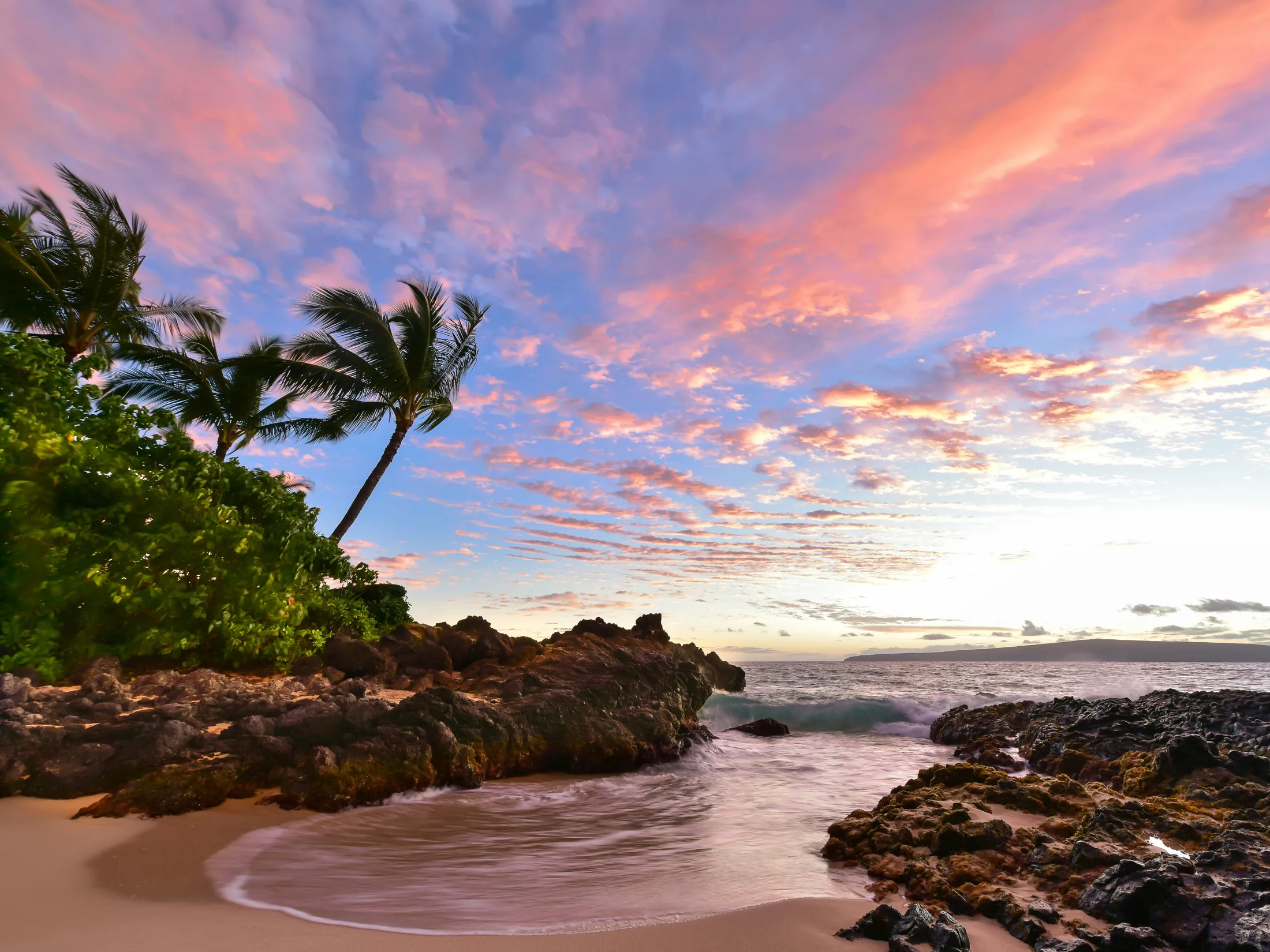

Hawaiian Islands Humpback Whale National Marine Sanctuary Visitor Center
This free visitor center in Kihei offers engaging exhibits and programs dedicated to protecting humpback whales, their habitat, and Hawaiian marine conservation.
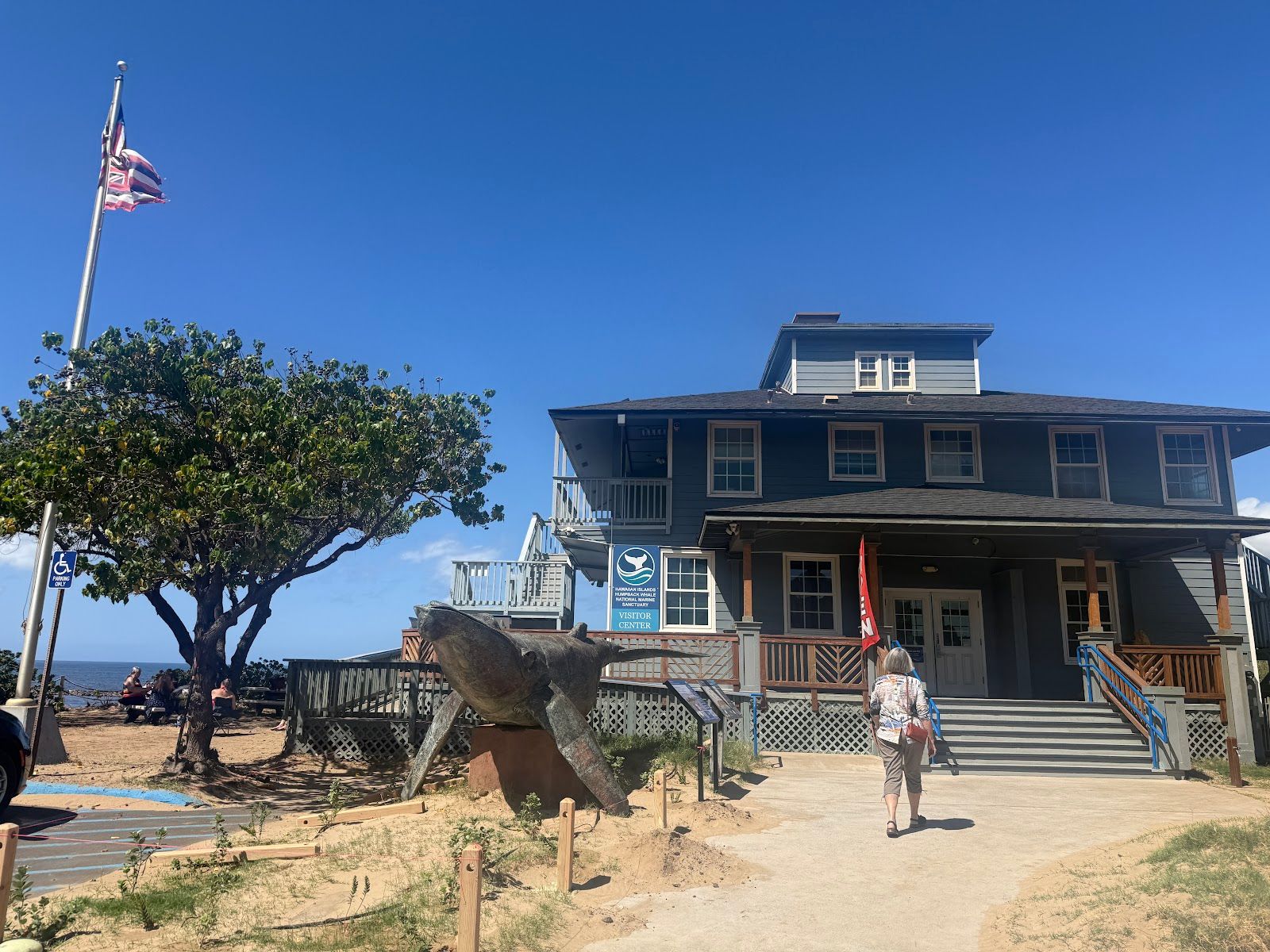
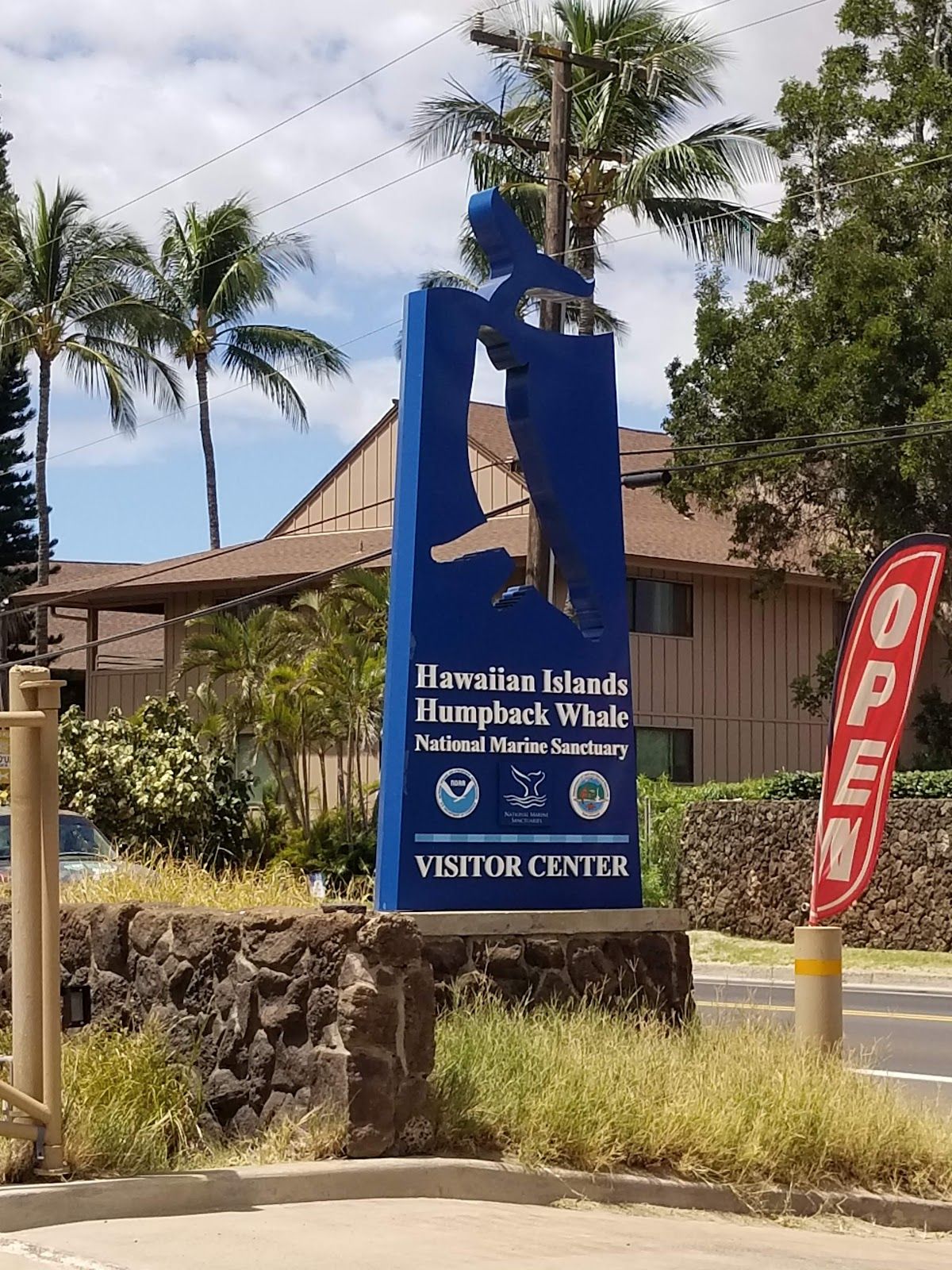
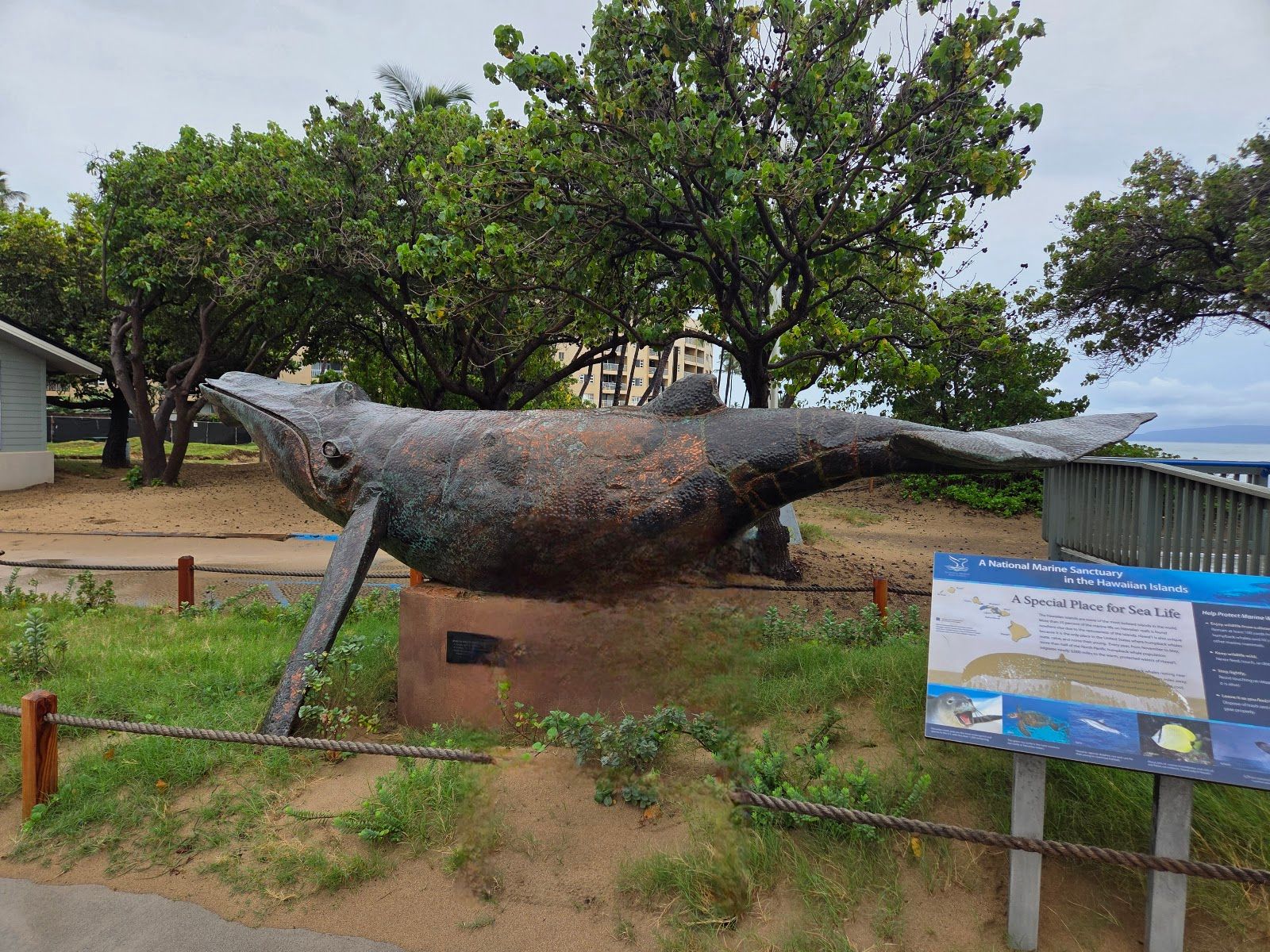

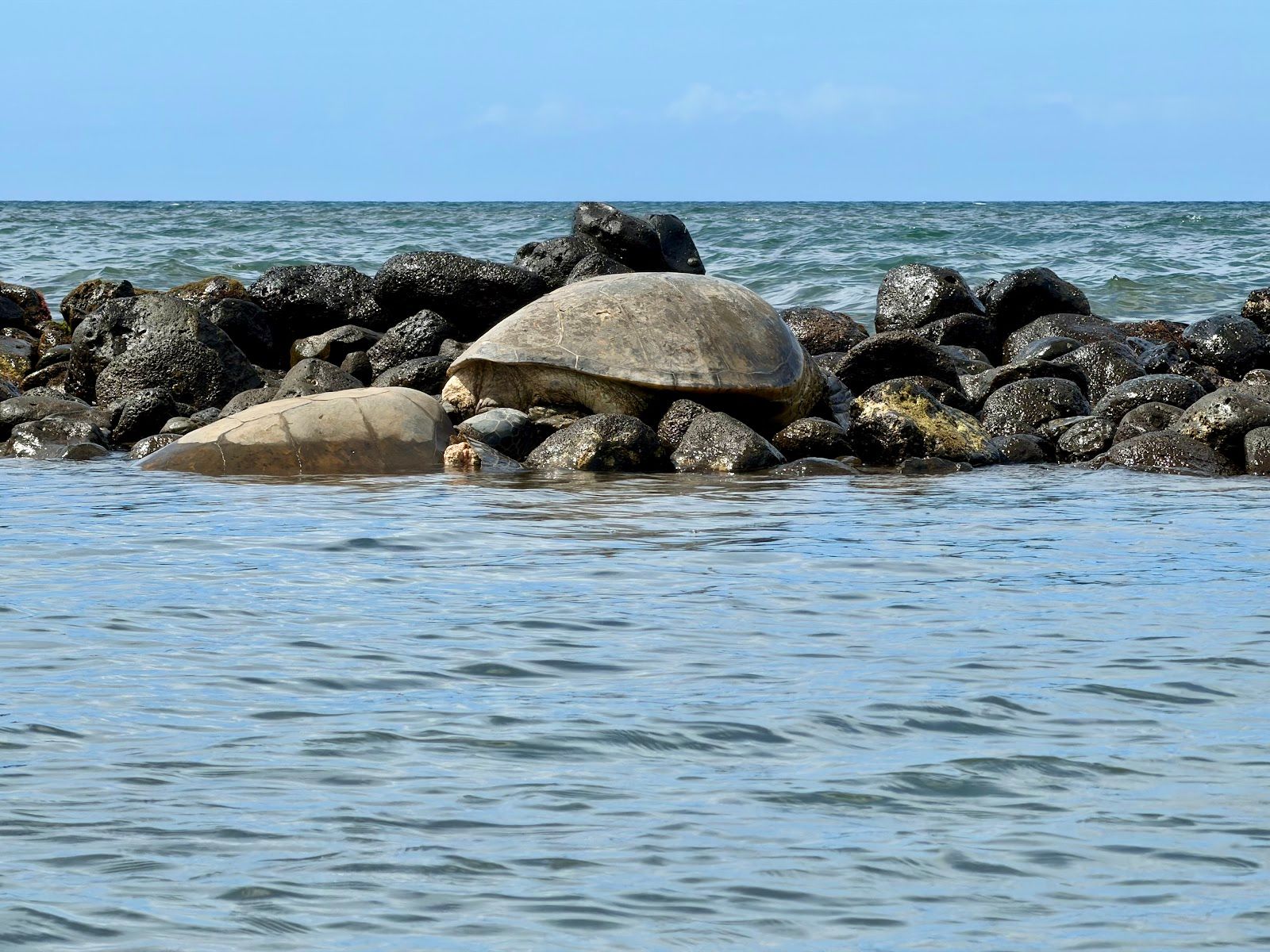
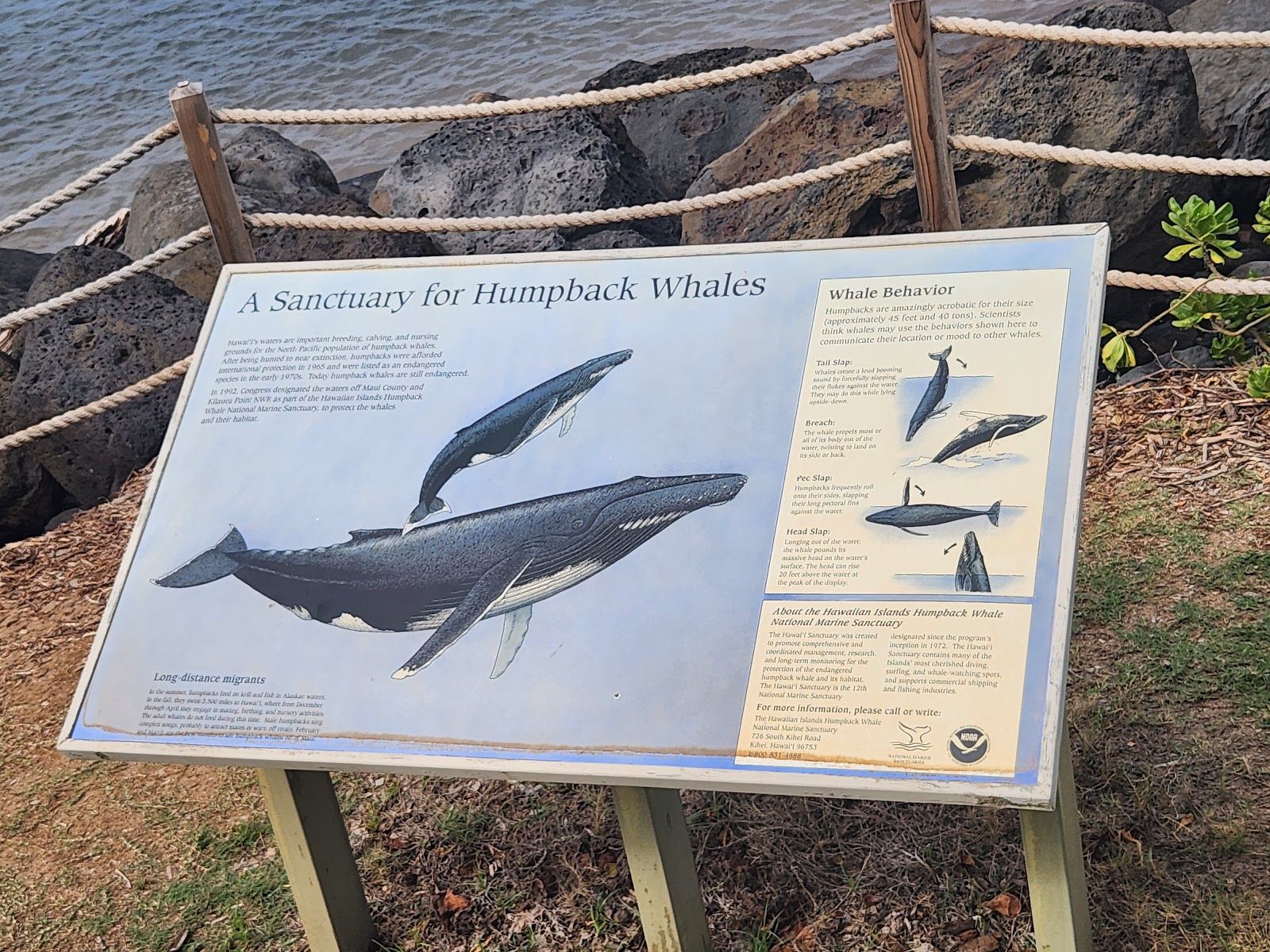
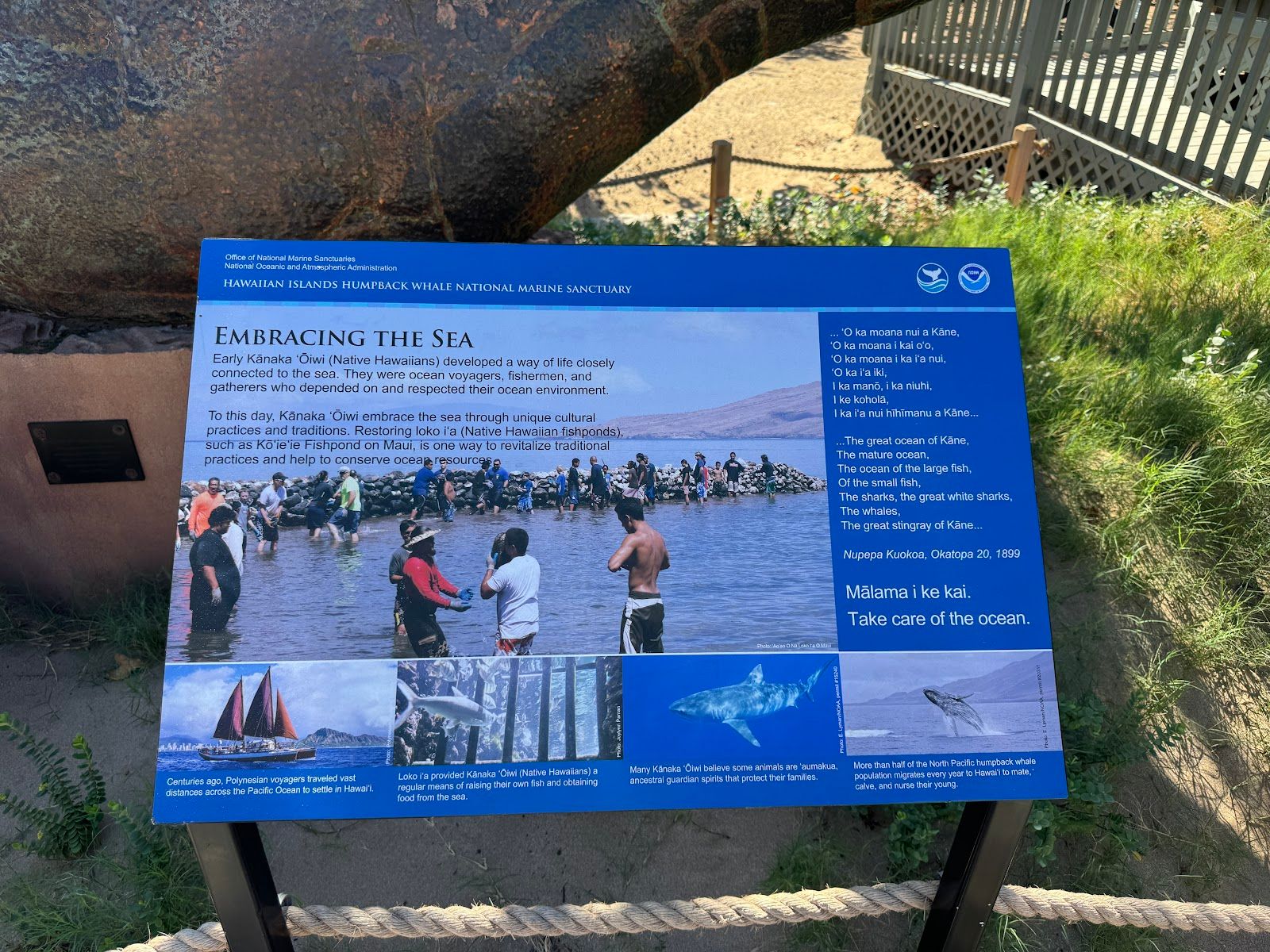
- Educational exhibits on humpback whales
- Marine science library
- Interactive displays and artifacts
- Free admission and on-site parking
The Hawaiian Islands Humpback Whale National Marine Sanctuary Visitor Center is one of South Maui’s most rewarding low-effort stops: an educational, family-friendly place in Kīhei that turns a whale season outing into something more meaningful. Set near the beachfront at Kalepolepo Park, it works well as a quick cultural and natural-history stop, especially for travelers who want context for what they may see offshore, from shore, or on a whale-watching boat later in the day.
A shoreline stop with real whale-season value
This is not a commercial tour departure point or a long museum visit. It is a compact visitor center built around humpback whales, marine conservation, and the Hawaiian waters they depend on. The exhibits lean into whale biology, migration, behavior, and protection, with artifacts and hands-on displays that make the material approachable for adults and children alike. A marine science library adds depth for travelers who like a quieter, more interpretive stop rather than a big-ticket attraction.
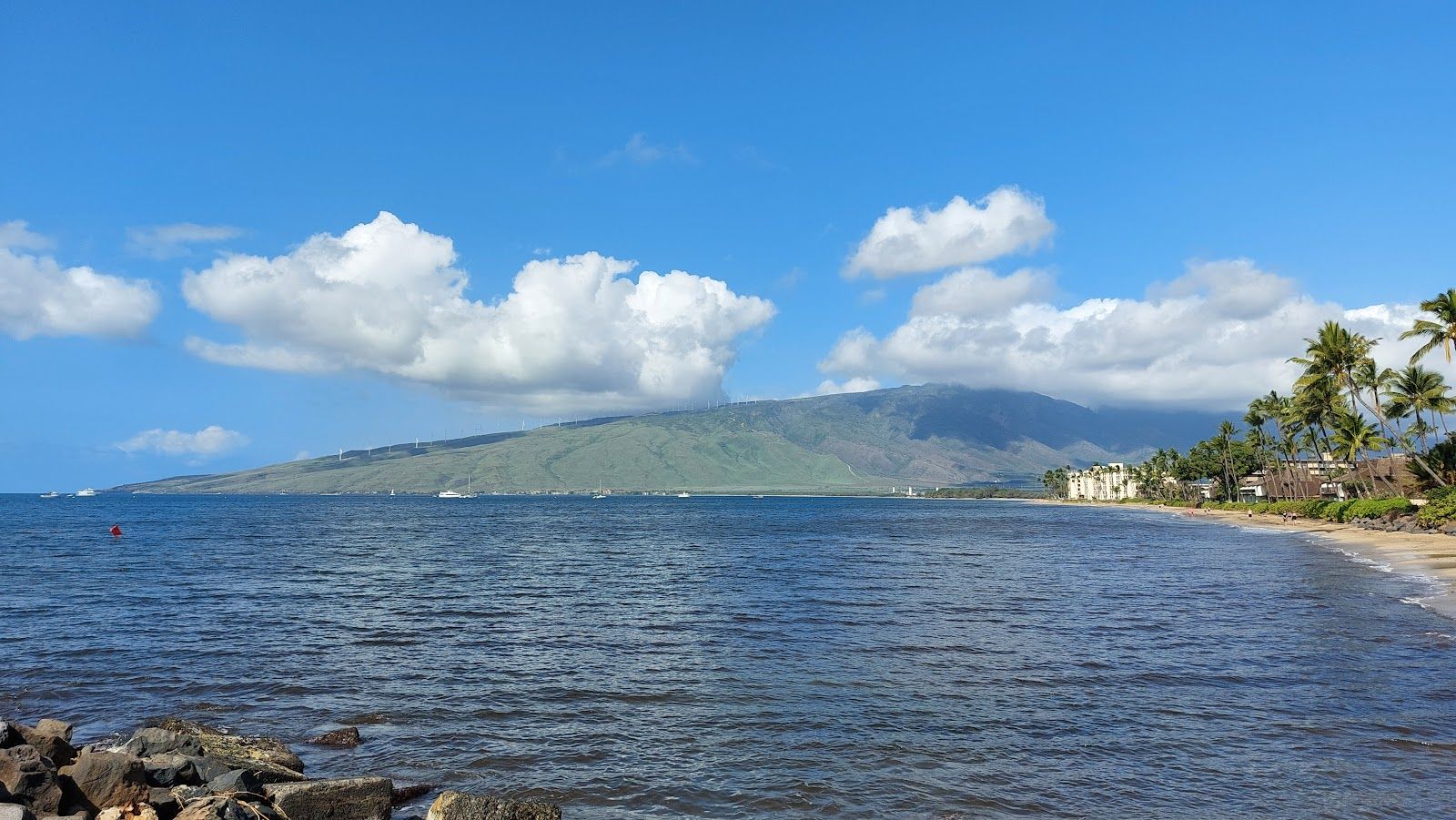
The setting is part of the appeal. Because the center sits by the water in Kīhei, it pairs naturally with a walk at Kalepolepo Park or a pause along a South Maui beach day. In winter and early spring, the shoreline location can also make it a useful land-based whale-viewing stop. The surrounding ocean views give the exhibits a direct sense of place; the subject is not abstract here.
Why it fits so easily into a Maui day
This is the kind of activity that slips neatly between bigger plans. A visit can be brief if the goal is simply to browse the exhibits and get oriented, or it can stretch longer if a lecture, workshop, or shoreline whale watch is on the schedule. That flexibility makes it especially useful on a day built around Kīhei, Wailea, or a South Maui beach circuit.
The center is also a strong companion stop before or after a whale-watching tour. Seeing whales in the wild is memorable on its own, but the visitor center adds the context that makes the experience richer: the species’ migration, the sanctuary’s conservation role, and the cultural and ecological importance of protecting marine life in Hawaiʻi. For families, it also breaks up a beach-heavy itinerary with something educational that still feels local and relevant.
Small tradeoffs, worth knowing
Because this is an educational facility rather than a full-scale attraction, visitors looking for a long indoor experience or a broad marine aquarium style outing may want something else. The appeal is focus, not spectacle. It is also best understood as a seasonal complement to whale watching rather than a substitute for it.
Shoreline whale viewing depends on the time of year, weather, and ocean conditions. The best chances generally come during the main humpback season, while the center remains worthwhile year-round for its exhibits and conservation perspective. Sun and wind can be factors at this beachfront location, so it helps to treat it like a coastal stop rather than an entirely indoor museum.
Best for curious travelers, families, and whale-watchers
The Hawaiian Islands Humpback Whale National Marine Sanctuary Visitor Center suits travelers who like their sightseeing with substance: families with children, wildlife enthusiasts, anyone planning a whale-watching excursion, and visitors who appreciate a free, easy stop with a sense of place. It is also a good choice for a rainy-day or mid-day break in South Maui.
Travelers chasing high-adventure activities may not rank it near the top of a Maui itinerary, but that misses the point. This center is valuable because it deepens everything else around it. On a whale-season trip especially, it adds perspective that lingers long after the day’s boat ride or beach walk is over.