
What it is
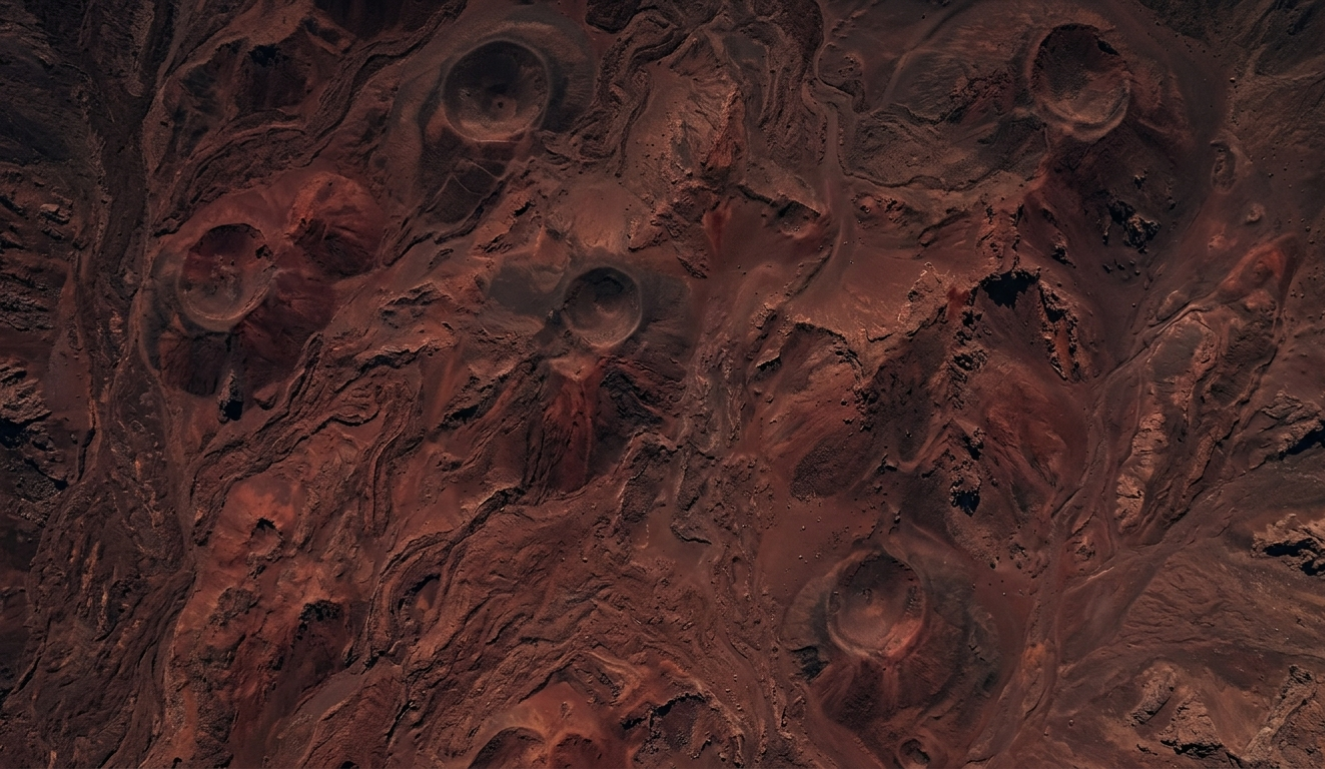
The Halemauʻu Trail is a hiking trail located within Haleakalā National Park on Maui, Hawaiʻi. The trailhead, situated at approximately 7,990 feet (2,435 meters) elevation, offers access to the Haleakalā crater. It provides hikers with views into the crater, showcasing unique volcanic landscapes and endemic plant life. The trail descends into the crater and is known for its switchbacks, often referred to as "switchbacks to the crater floor."
Visitor experience
Travelers choose the Halemauʻu Trail for a challenging hike offering dramatic views of Haleakalā's volcanic landscape and a sense of remoteness. It appeals to visitors seeking a more strenuous and immersive experience compared to simply viewing the crater from overlooks. The trail descends through shrubland and eventually reaches the crater floor, providing an opportunity to experience the unique high-altitude desert environment. Hikers may encounter native plants like silversword (ʻāhinahina) and various bird species. The full hike to the crater floor and back is generally considered a strenuous, all-day endeavor. A common use case is hiking part of the trail for views or completing a longer, planned backpacking trip into the crater.
Logistics
The Halemauʻu Trailhead is located in Haleakalā National Park, on the road to the summit.
- Area: Upcountry Maui, within Haleakalā National Park.
- Access: The trailhead is found off Crater Road (Highway 378) at approximately the 7.9-mile mark, just past the turn-off for the Leleiwi Overlook.
- Reservations: Entry into Haleakalā National Park requires a valid park entrance pass. For visits to the summit area (including Halemauʻu Trailhead) between 3:00 AM and 7:00 AM for sunrise viewing, a separate vehicle reservation is required. No reservation is needed to access the trailhead after 7:00 AM, but an entrance pass is still necessary.
- Timing: Early morning or late afternoon are often recommended for cooler temperatures and potentially clearer views. However, plan to finish before dark, as visibility can be severely limited.
- Parking: Limited parking is available at the trailhead. A popular option for longer hikes is a "key swap" or arranging a shuttle to leave one car at the Halemauʻu Trailhead and another at the Sliding Sands Trailhead (or vice versa) for a traverse of the crater.
- Permits: Backcountry camping within the crater requires a permit, which must be reserved in advance. Day hiking does not require a specific permit beyond the park entrance fee.
- Likely duration: The full round-trip hike to the crater floor and back is strenuous and can take 6-8 hours or more, depending on hiker fitness and how far one descends. Even a shorter out-and-back hike to the first overlook can take a few hours. This is better suited as a half-day or anchor activity for experienced hikers.
- Elevation: The trailhead itself is at a high elevation (7,990 feet/2,435 meters), and the trail descends significantly, meaning the return trip is uphill.
Safety and cautions
- Elevation: Visitors should be aware of the high elevation, which can cause altitude sickness symptoms. Acclimatize before strenuous activity and consult a doctor if you have pre-existing medical conditions.
- Weather: Weather in Haleakalā can change rapidly. Conditions can range from sunny and hot to cold, windy, rainy, or foggy, often within the same day. Bring layers of clothing, rain gear, and plenty of water.
- Sun Exposure: At high altitudes, the sun is intense. Sunscreen, hats, and sunglasses are essential.
- Dehydration: Carry ample water (at least 2-3 liters per person for longer hikes) as there is no potable water on the trail or in the crater.
- Trail Difficulty: The trail involves steep switchbacks and uneven terrain. Be prepared for a strenuous climb on the return journey.
- Cultural Sensitivity: Haleakalā is a sacred place for Native Hawaiians. Visitors should show respect by staying on marked trails and not disturbing natural features or cultural sites.
- Land Management: It is a national park, so all park rules apply, including no collecting of natural or cultural resources. Stay on marked trails to protect fragile ecosystems.
- Wildlife: Do not approach or feed nēnē (Hawaiian geese), an endangered species often found in the park.
Editorial take
The Halemauʻu Trail is a highly recommended activity for adventurous and physically fit travelers who want to experience the dramatic interior of Haleakalā National Park beyond just the summit views. It's ideal for those seeking a challenging day hike or a starting point for a multi-day backpacking trip into the crater.
Travelers who should prioritize this include:
- Experienced hikers comfortable with significant elevation changes and high altitudes.
- Nature photographers looking for unique volcanic landscapes.
- Visitors interested in Hawaiʻi's unique high-altitude ecosystems and endemic species.
Travelers who should skip it include:
- Those with limited mobility or respiratory/heart conditions, due to the high elevation and strenuous nature.
- Visitors looking for a quick, casual stroll.
- Families with very young children or individuals not accustomed to long, uphill hikes.
Do not confuse the Halemauʻu Trail with the Sliding Sands Trail (Keoneheʻeheʻe Trail), which is another prominent trail into the crater but starts at a higher elevation (approximately 9,740 feet) and offers a different perspective and longer descent. While both lead into the crater, their starting points and initial experiences differ.
Source notes
- Haleakalā National Park Official Website - Plan Your Visit: https://www.nps.gov/hale/planyourvisit/index.htm
- Haleakalā National Park Official Website - Hiking: https://www.nps.gov/hale/planyourvisit/hiking.htm
- Haleakalā National Park Official Website - Halemau'u Trail Description: https://www.nps.gov/hale/planyourvisit/halemauu.htm
- Haleakalā National Park Official Website - Backcountry Permits: https://www.nps.gov/hale/planyourvisit/backcountry.htm
- Haleakalā National Park Official Website - Safety: https://www.nps.gov/hale/planyourvisit/safety.htm
- AllTrails - Halemau'u Trail: https://www.alltrails.com/trail/us/hawaii/halemauu-trail