
What it is
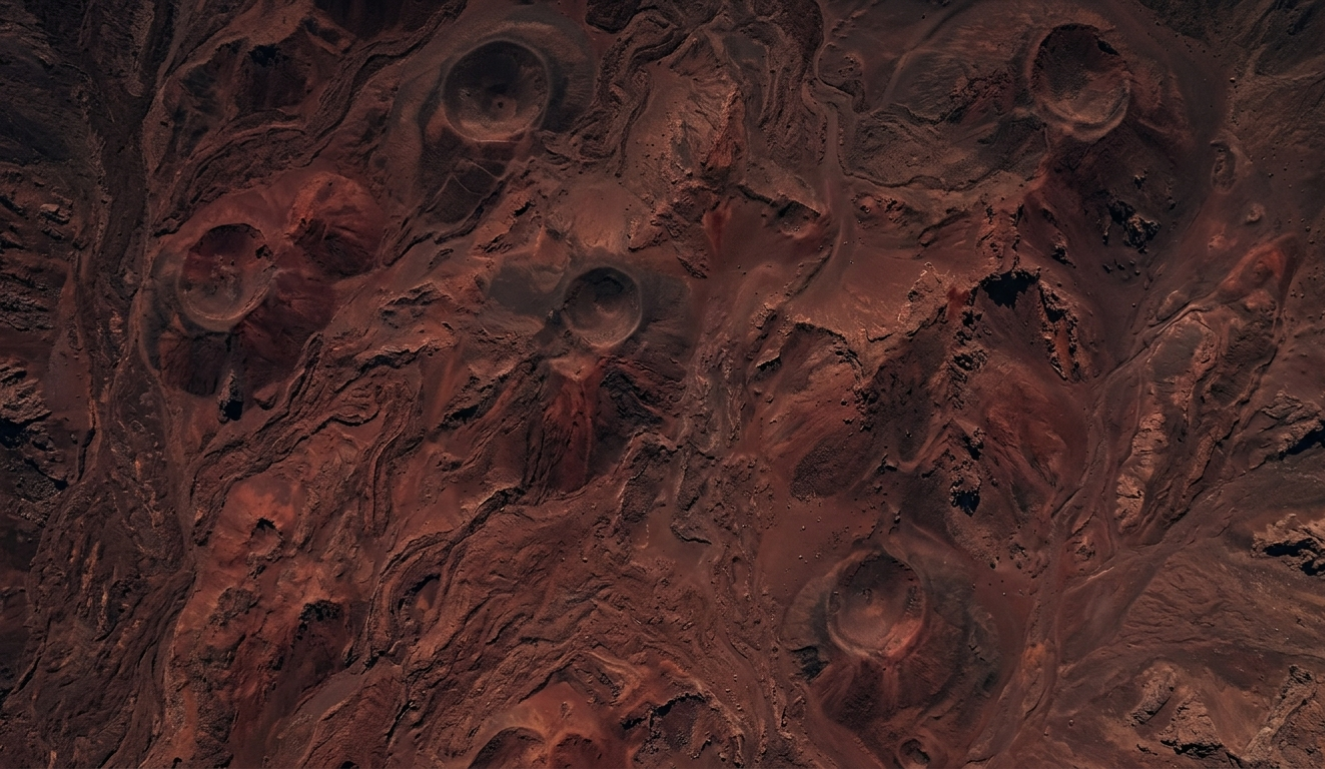
The Haleakalā Summit refers to the highest point of the dormant Haleakalā volcano, located within Haleakalā National Park on Maui, Hawaiʻi. The summit rises to an elevation of 10,023 feet (3,055 meters) above sea level. It is a significant geological feature, known for its vast crater-like depression (though technically an erosional valley) and lunar-like landscape. The area is home to unique endemic species and holds profound cultural and spiritual importance for Native Hawaiians.
Visitor experience
Travelers primarily visit Haleakalā Summit for its panoramic views, most notably for sunrise and sunset, and for stargazing due to its clear, dark skies and high elevation. The summit district includes several overlooks, such as Puʻuʻulaʻula (Red Hill), which is the highest point with a visitor center, and the Haleakalā Visitor Center at 9,740 feet. On clear days, visitors can see across the island of Maui and to other Hawaiian islands such as Hawaiʻi (Big Island), Lānaʻi, Molokaʻi, and Oʻahu. The dramatic landscapes offer opportunities for photography, contemplation, and understanding Hawaii's natural history. It fits a use case for travelers seeking unique natural phenomena, dramatic scenic beauty, and a memorable, awe-inspiring experience.
Logistics
- Area and Access: The summit is located in Upcountry Maui, accessible via a winding paved road, Haleakalā Highway (Highway 378), which is the only road into the summit district of the park. The drive from sea level can take 1.5 to 2 hours, depending on your starting point on Maui.
- Reservations: A reservation is required for vehicles entering the Summit District to view sunrise between 3:00 AM and 7:00 AM. Reservations must be made in advance online through recreation.gov. There is a small fee for the reservation, in addition to the park entrance fee. No reservations are needed for sunset or daytime visits, but the park entrance fee still applies.
- Timing: Sunrise is extremely popular and requires early departure and a reservation. Sunset also offers spectacular views without the reservation requirement, but still draws crowds. Daytime visits provide clear views of the crater and opportunities for hiking. Stargazing is best on moonless nights, though temperatures are very cold.
- Parking: Parking lots at the summit are limited, especially at sunrise. It is recommended to arrive early for sunrise even with a reservation to secure a spot.
- Permits/Fees: Entry to Haleakalā National Park requires a fee per vehicle, which is valid for three days. The sunrise reservation is a separate fee.
- Likely Duration: A visit to the summit for sunrise or sunset is typically a half-day or full-day activity when accounting for travel time, viewing, and potential stops at lower elevation points within the park. Daytime visits for hiking within the crater could extend to a full-day anchor activity.
Safety and cautions
- Elevation Sickness: The rapid ascent to over 10,000 feet can cause altitude sickness. Symptoms include headache, nausea, and dizziness. Visitors, especially those with heart or respiratory conditions, should be aware of the risks.
- Temperature: Temperatures at the summit can be extremely cold, often below freezing, even during the day, and significantly colder at sunrise and sunset, with strong winds adding to the wind chill. Dress in multiple warm layers, including hats, gloves, and sturdy closed-toe shoes.
- Sun Exposure: Due to the high elevation, the sun's rays are much stronger. Wear sunscreen, sunglasses, and protective clothing even on cloudy days.
- Road Conditions: The road to the summit is winding and steep. Drive carefully and be aware of potential fog or ice, especially in the early morning or late evening.
- Sensitive Ecosystem: Stay on marked trails and overlooks to protect the fragile native plants and animals. Do not disturb rocks or take souvenirs.
- Cultural Significance: The summit of Haleakalā is a sacred place to Native Hawaiians. Visitors are asked to behave respectfully and mindfully.
- Closures: Park roads or sections may close unexpectedly due to severe weather conditions (e.g., ice, snow, high winds) or other emergencies. Check the NPS website for current conditions.
Editorial take
Haleakalā Summit is a must-do for travelers seeking an iconic, once-in-a-lifetime experience on Maui. It is particularly prioritized for those interested in witnessing a dramatic sunrise or sunset, stargazing, or capturing stunning photographic landscapes. Travelers who are sensitive to cold, high altitudes, or long, winding drives may want to reconsider or prepare thoroughly. Those who prefer warmer, beach-focused activities or have limited time might find the commitment (early morning, travel time, cold) challenging. It should not be confused with the Kīpahulu District of Haleakalā National Park, which is located on the remote east side of Maui and offers a very different experience (lush rainforest, waterfalls).
Source notes
- Haleakalā National Park: Summit District. National Park Service. https://www.nps.gov/hale/planyourvisit/summit-district.htm
- Haleakalā National Park: History & Culture. National Park Service. https://www.nps.gov/hale/learn/historyculture/index.htm
- Haleakalā National Park: Summit Sunrise Reservations. Recreation.gov. https://www.recreation.gov/ticket/facility/253965
- Haleakalā National Park: Fees & Passes. National Park Service. https://www.nps.gov/hale/planyourvisit/fees.htm
- Haleakalā Summit Sunrise: Everything You Need to Know. Go Hawaii. https://www.gohawaii.com/islands/maui/regions/upcountry/haleakala-summit-sunrise
- Haleakalā. Wikipedia. https://en.wikipedia.org/wiki/Haleakal%C4%81