
What it is
The Haleakalā Observatory, also known as the Haleakalā High Altitude Observatory Site (HO), is a world-renowned astronomical research facility situated near the summit of Haleakalā on Maui. It is owned and operated by the University of Hawaiʻi Institute for Astronomy (IfA) and hosts a collection of telescopes and research facilities, including the Pan-STARRS telescopes, the Daniel K. Inouye Solar Telescope, and the Maui Space Surveillance Complex (MSSC). Established in 1961, it is Hawaii's first astronomical research observatory, chosen for its exceptional viewing conditions due to high altitude, clear air, and minimal light pollution. The observatory is a hub for high-quality research, education, and space surveillance.
Visitor experience
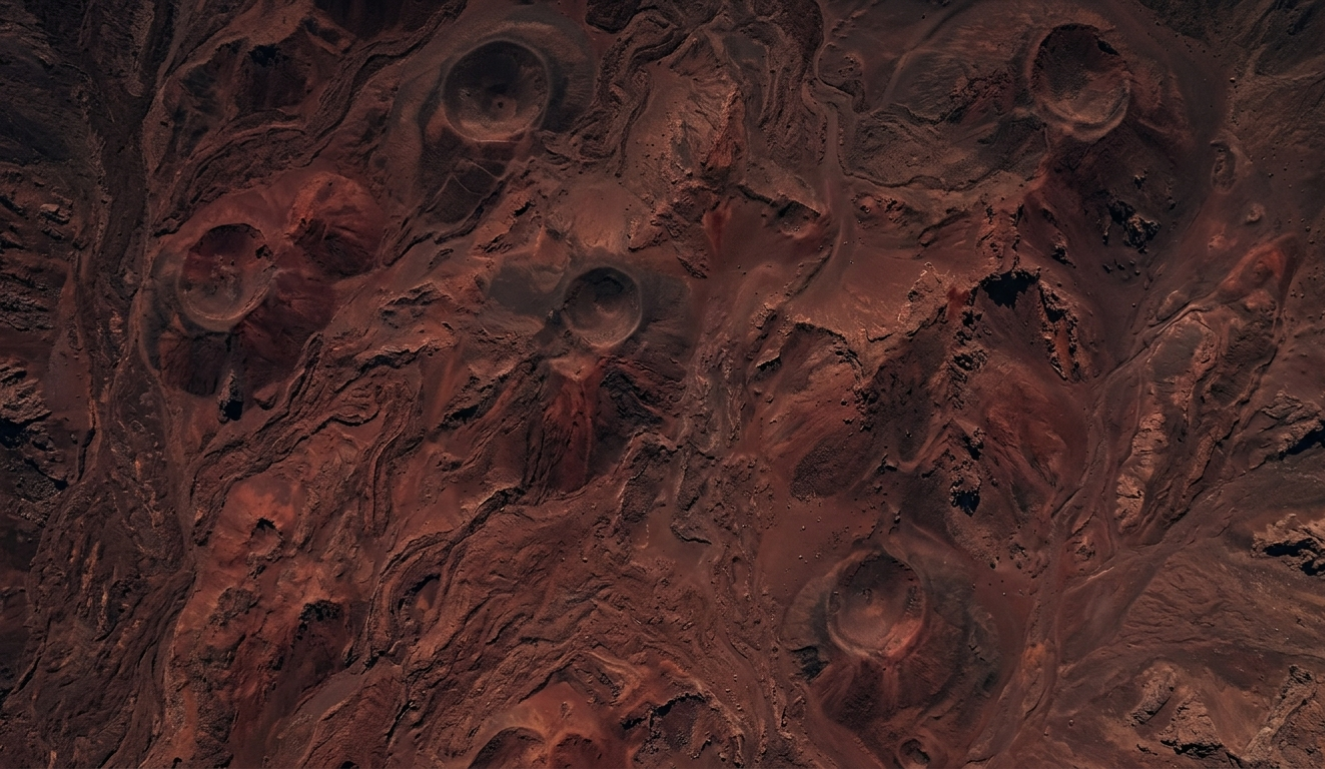
The Haleakalā Observatory itself is not open to the general public for tours or entry into the facilities. However, the area surrounding the observatory, which is part of Haleakalā National Park's Summit District, offers visitors profound scenic experiences. Many travelers visit for the panoramic views, especially at sunrise and sunset, when the clouds often lie below the summit, creating an "above the clouds" experience. The high elevation and lack of light pollution make the summit a prime location for stargazing. The landscape around the observatory is often described as otherworldly, resembling the surface of the moon or Mars.
Logistics
- Area and Access: The observatory is located at over 10,000 feet (3,052 meters) above sea level, near the summit of Haleakalā. It is accessed via Haleakalā Highway, which winds through Upcountry Maui and into Haleakalā National Park. The road leading directly to the observatory domes is typically restricted to public vehicle access, but visitors can hike a short distance to viewing points in the vicinity.
- Reservations and Permits: A reservation is required for each vehicle entering Haleakalā National Park's Summit District between 3:00 a.m. and 7:00 a.m. for sunrise viewing. These reservations can be booked up to 60 days in advance. No permit is currently required for sunset viewing. The standard Haleakalā National Park entrance fee applies.
- Timing: Sunrise and sunset are the most popular times to visit for dramatic sky colors and views. Stargazing after dark is also highly recommended due to the clear skies.
- Parking: Parking is available at various lookout points and visitor centers within the Haleakalā National Park Summit District, but it can be limited, especially for sunrise.
- Duration: A trip to the summit, including the drive and time spent at the top, typically requires a half-day or can be an anchor activity, particularly for sunrise/sunset viewing. The drive from coastal areas like Lahaina can take about two hours one way.
- Facilities: There are visitor centers within Haleakalā National Park's Summit District that offer restrooms, displays, and gift shops, but these are separate from the observatory buildings.
Safety and cautions
- High Altitude: The summit's elevation of over 10,000 feet can cause altitude sickness symptoms such as nausea, headaches, and fatigue, even for those accustomed to moderate altitudes. Visitors should be aware of these symptoms and consider spending time at lower elevations within the park to acclimate.
- Extreme Weather: The summit experiences drastic temperature drops compared to sea level, often reaching as low as 30 degrees Fahrenheit around sunrise. It can also be very windy. Visitors must dress in multiple layers, including warm coats, hats, and gloves, regardless of the weather at the coast.
- Sun Protection: Due to the high elevation and thinner atmosphere, the sun's UV rays are much stronger. Sunscreen, sunglasses, and protective clothing are essential.
- Driving Conditions: The drive up Haleakalā Highway involves many winding roads and hairpin turns. Drive carefully, especially in the dark before sunrise or after sunset.
- Observatory Restrictions: The observatory facilities are active research sites and are not publicly accessible. Visitors should respect all signs and barriers.
- Cultural Significance: Haleakalā is a deeply sacred place to Native Hawaiians, who consider it a "wilderness of the gods" (wao akua). Visitors should treat the area with respect.
Editorial take
The Haleakalā Observatory, while not directly accessible to the public, is an iconic landmark that contributes to the unique allure of the Haleakalā summit experience. It's a must-see for travelers prioritizing breathtaking panoramic views, spectacular sunrises or sunsets above the clouds, and world-class stargazing opportunities. The drive to the summit, culminating in views of the observatory domes, offers a dramatic shift in landscape from Maui's tropical lowlands to a stark, high-altitude volcanic environment.
Travelers seeking an interactive, guided tour inside an observatory should note that this experience is not available here. Those with sensitivities to high altitudes or who prefer warmer, less extreme environments might find the summit challenging.
It's crucial not to confuse the actual observatory buildings (which are restricted) with the readily accessible public viewing areas and visitor centers within Haleakalā National Park, which are where the primary visitor experience occurs. The Google Place entry for "Haleakalā Observatory" broadly refers to this collection of scientific facilities that stand as a prominent feature of the summit landscape and contributes to its reputation as an astronomical hotspot.
Source notes
- Institute for Astronomy - Haleakalā High Altitude Observatory: https://about.ifa.hawaii.edu/facility/haleakala/
- Haleakalā National Park - Summit District (Recreation.gov for Sunrise Reservations): https://www.recreation.gov/timed-entry/10000007
- Visiting Haleakala - A Guide to Exploring Maui's Famous Volcano (Pride of Maui): https://www.prideofmaui.com/maui-blog/visiting-haleakala/
- Haleakala National Park Family Guide | Maui (Utah's Adventure Family): https://utahsadventurefamily.com/haleakala-national-park-family-guide/
- Haleakalā Observatory (Wikipedia): https://en.wikipedia.org/wiki/Haleakal%C4%81_Observatory