

Banyan Tree
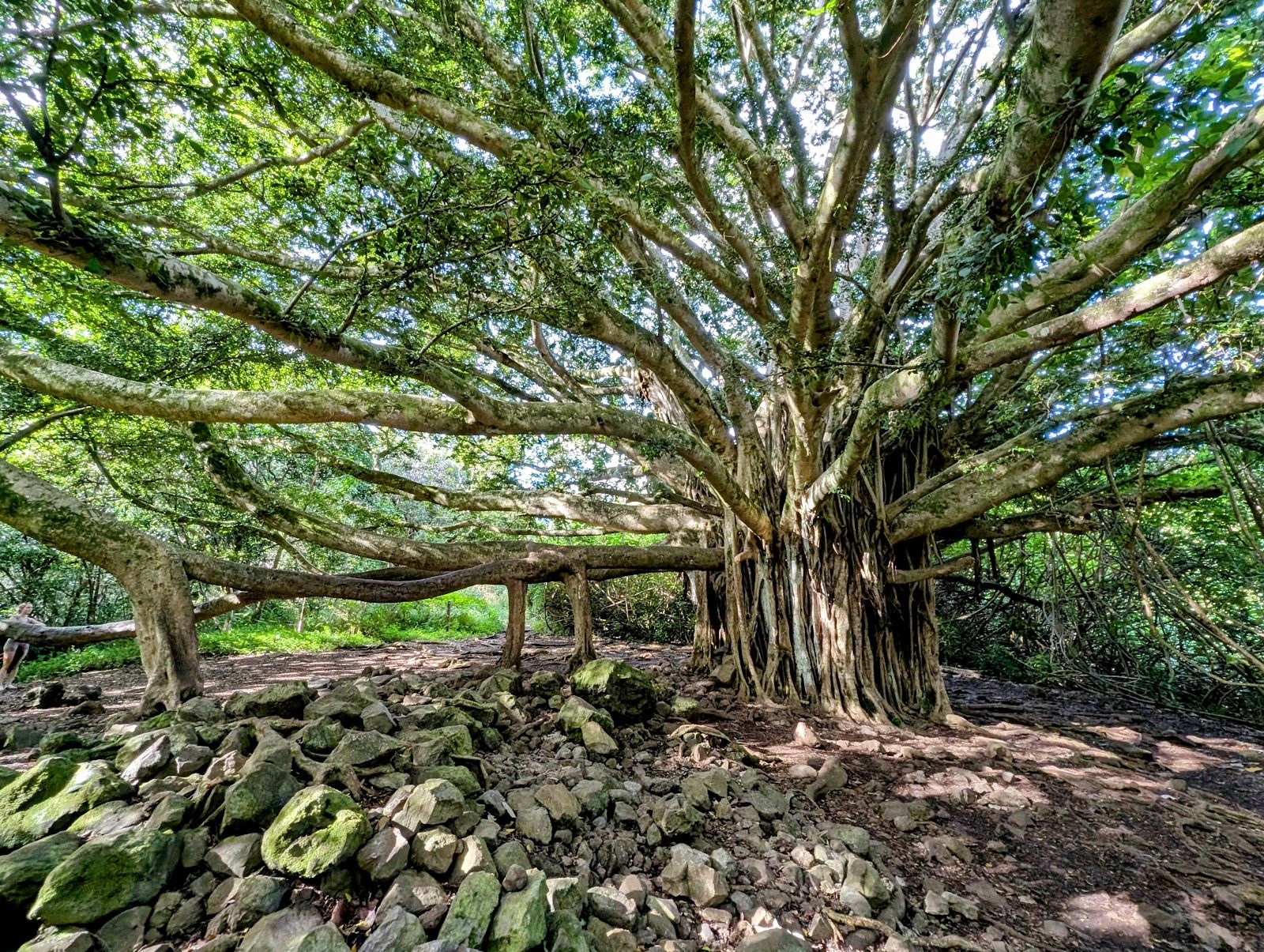
Marvel at the majestic Banyan Tree, a captivating natural wonder located one mile into the scenic Pipiwai Trail within Haleakalā National Park on Maui.

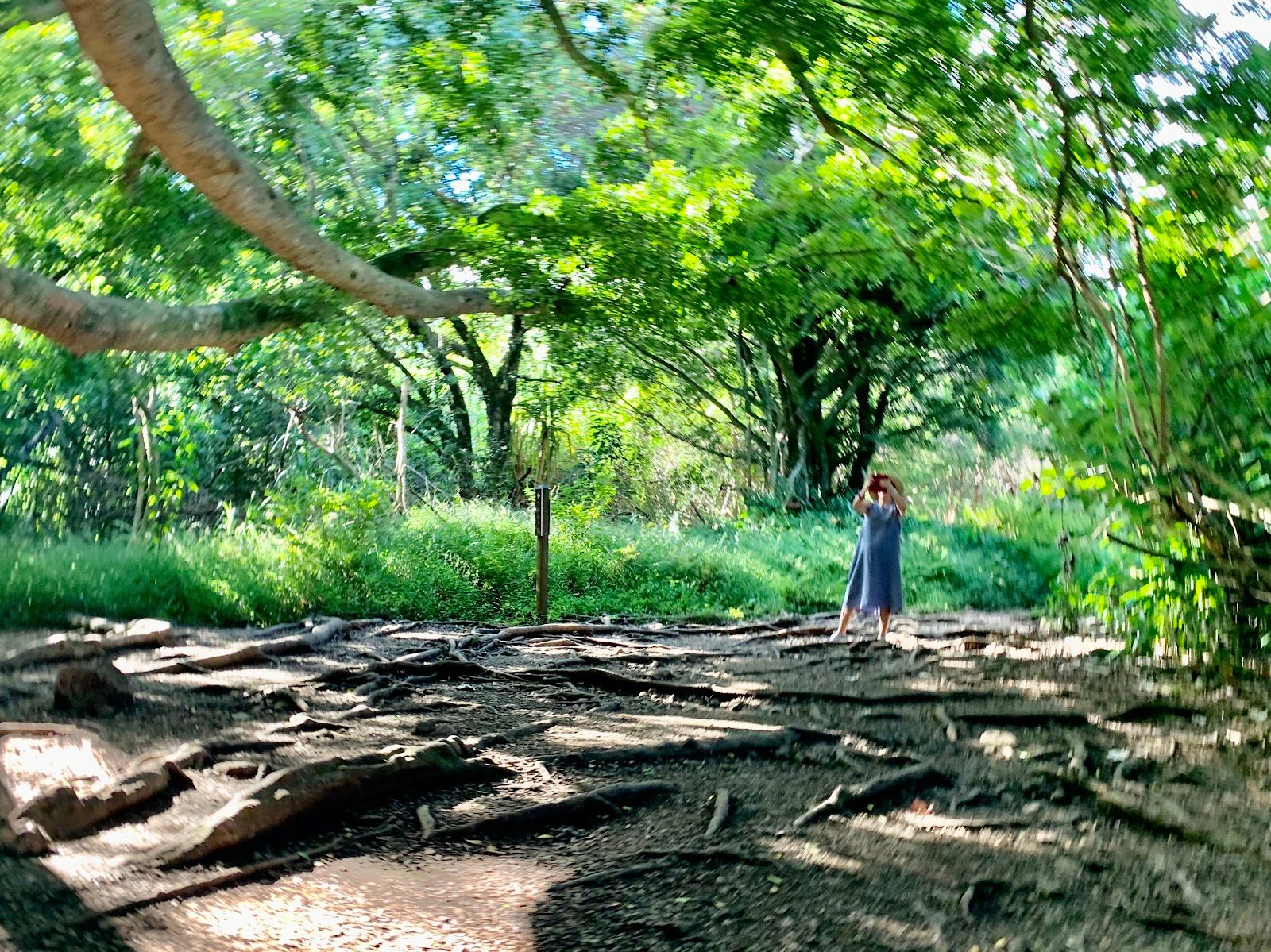
- Part of Pipiwai Trail
- Within Haleakalā National Park
- Massive banyan tree formation
- Known for unique aerial roots
The Banyan Tree on Maui is less a standalone attraction than a memorable waypoint on the Pipiwai Trail in Kīpahulu, near the far end of East Maui. Set within Haleakalā National Park, it gives the hike a clear midpoint landmark: a massive, storybook-looking tree with sprawling limbs and aerial roots, reached after a moderate walk through lush rainforest. For travelers already planning the Road to Hāna or a day in Kīpahulu & Kaupō, it adds a strong visual payoff to an already scenic outing.
The Banyan Tree as a Pipiwai Trail landmark
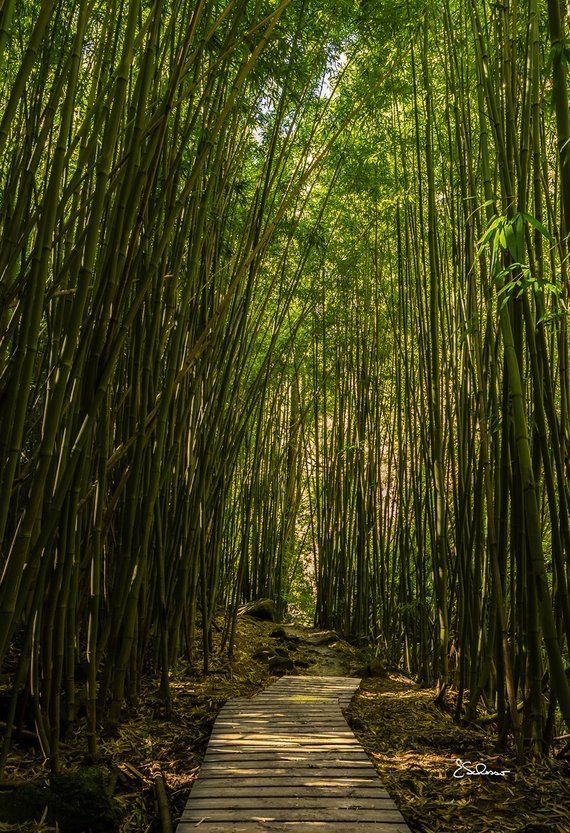
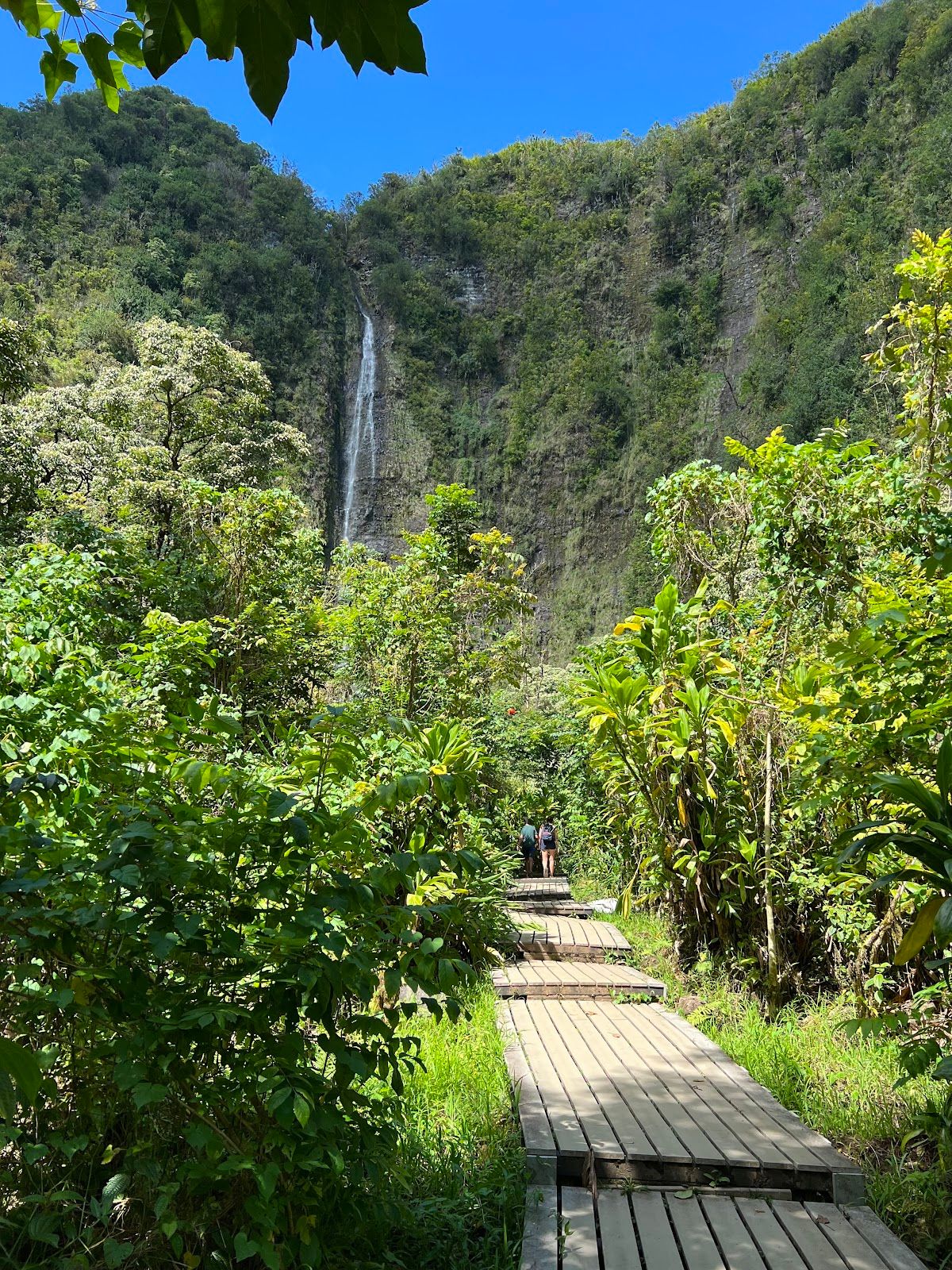
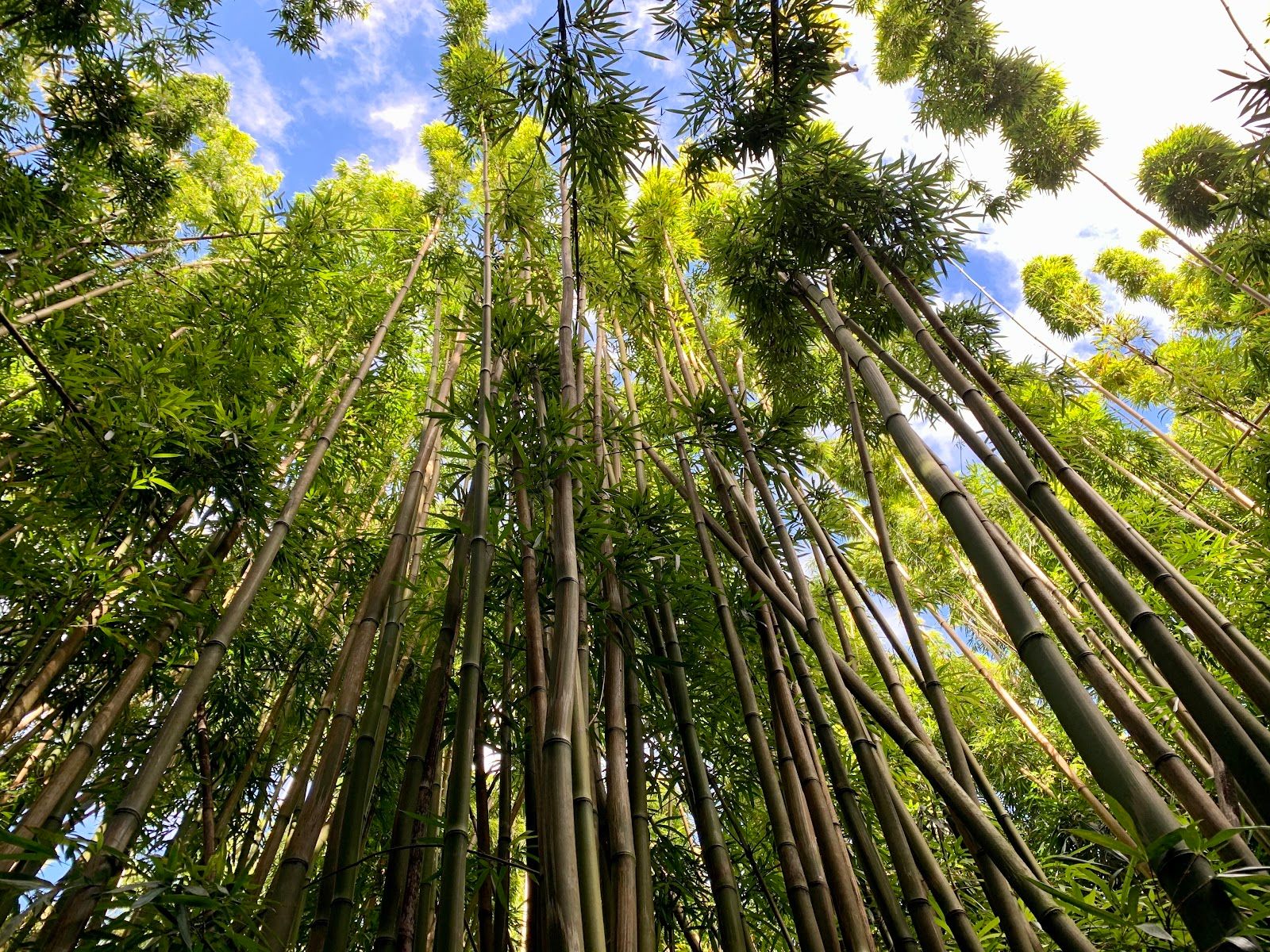
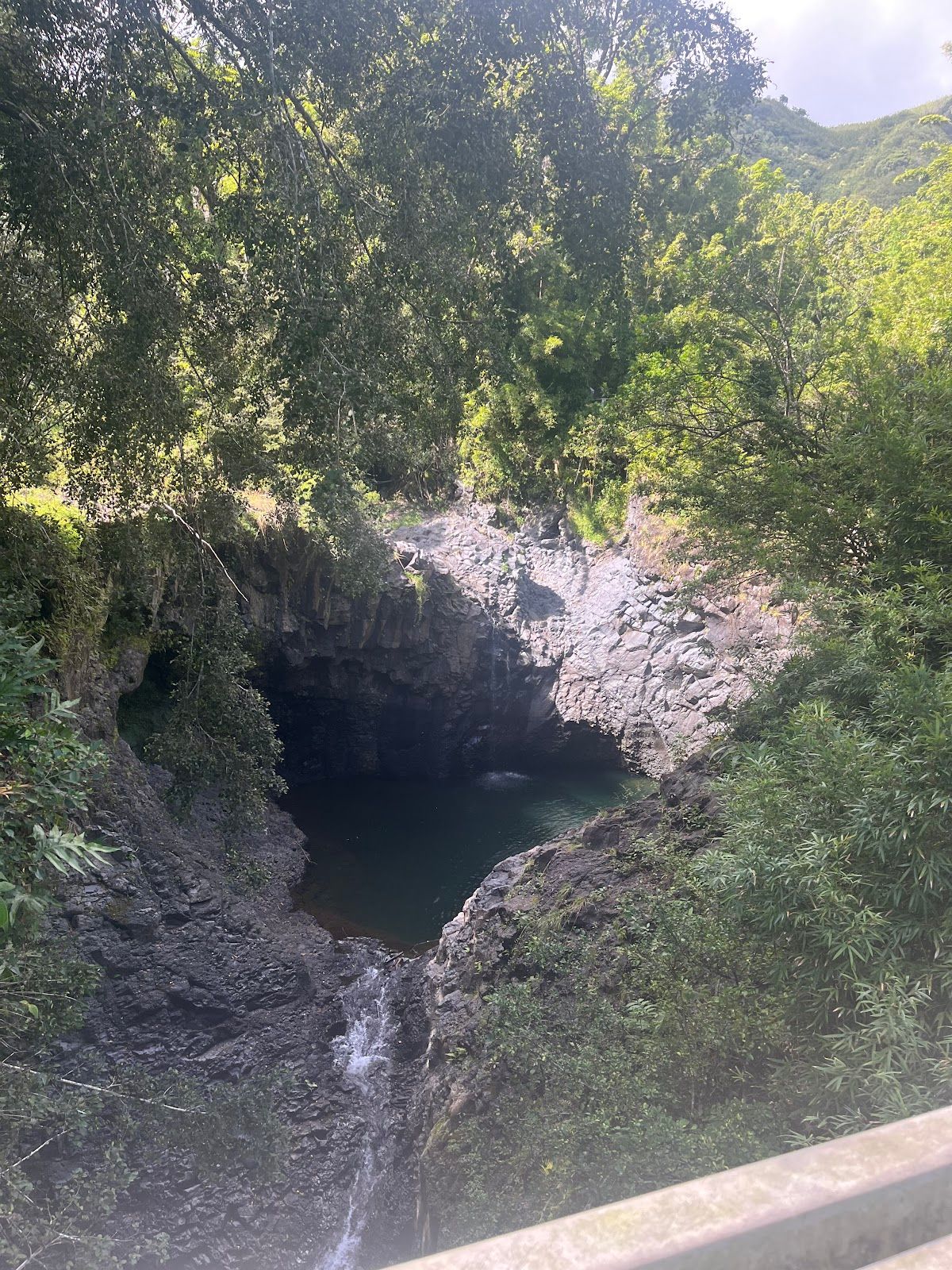
The tree sits about one mile into the Pipiwai Trail, so it naturally functions as a rest stop and photo stop rather than a destination you drive directly to. That matters, because its appeal is tied to the hike around it: bamboo forest, stream crossings, wet jungle, and the sense of moving deeper into a green, protected landscape before the trail continues on toward Waimoku Falls.
What makes the Banyan Tree stand out is its form. Instead of a single trunk, it spreads through multiple supportive trunks grown from aerial roots, creating a broad canopy and a layered, almost cathedral-like presence. It has a strong sense of age and character, and it carries cultural resonance as well; banyans are revered in several traditions, including Hindu culture, where they symbolize endurance and life.
How it fits into a day in Kīpahulu
This is best treated as part of the full Pipiwai Trail experience, not as a quick in-and-out stop. The hike is one of the anchor outings in the Kīpahulu District of Haleakalā National Park, and the Banyan Tree works well as a halfway marker before continuing deeper into the route. Most visitors will pair it with the rest of the trail rather than stopping there alone.
The setting also makes it a smart fit for a Road to Hāna day that already includes longer driving and one major hike. Because the trailhead is well past Hāna, the whole outing deserves enough daylight and energy to feel worthwhile. The park entrance fee applies, but no separate reservation is needed for the tree or the trail itself.
Rainforest footing and the main tradeoffs
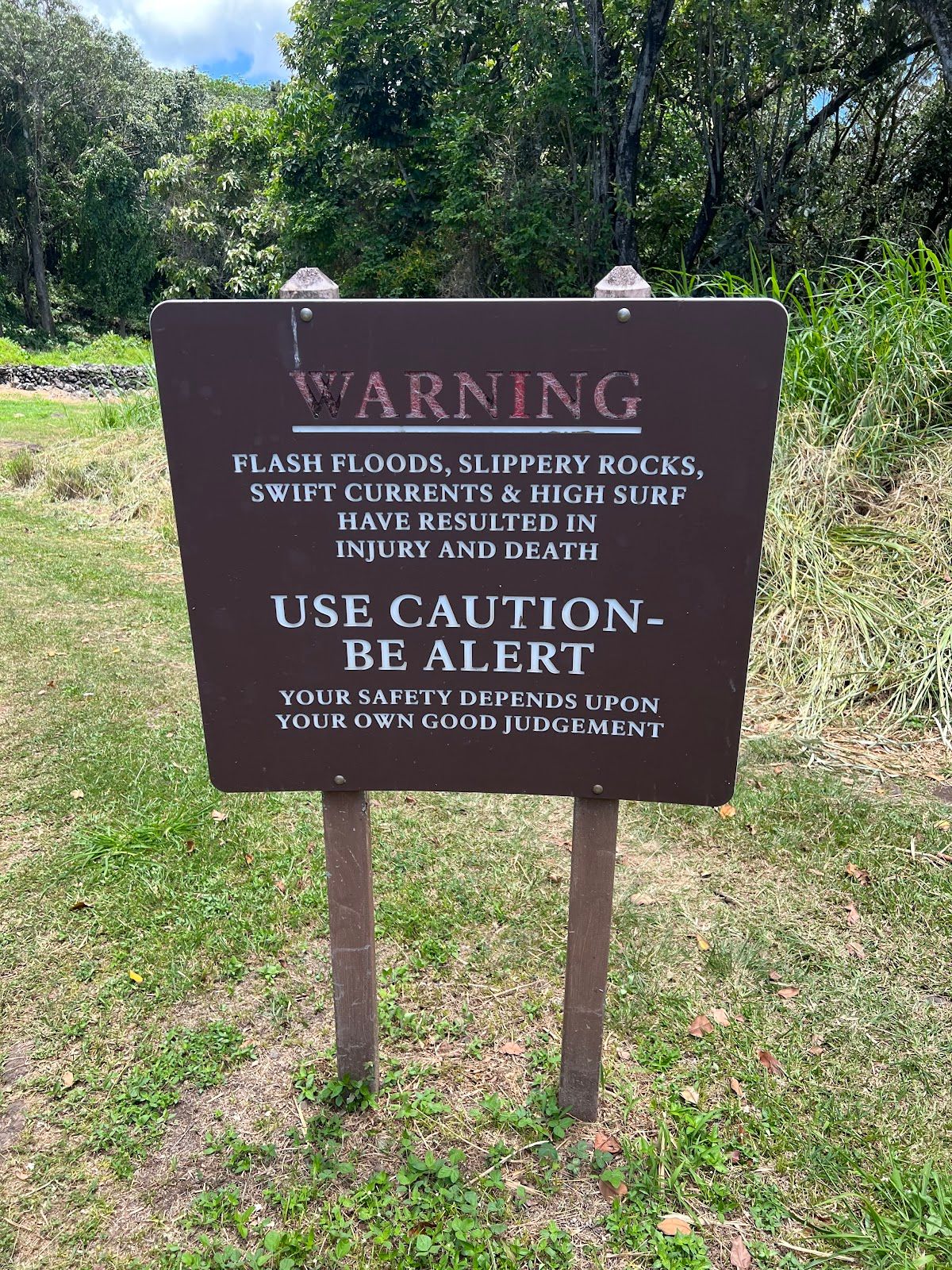
The biggest tradeoff is simple: this is not a casual roadside sight. The walk to the Banyan Tree involves a moderate hike, and the trail can be wet, muddy, and slippery, especially after rain. Good shoes matter, and the route is more enjoyable for travelers comfortable with uneven ground, steps, roots, and a rainforest environment that can change quickly with weather.
That same environment is part of the appeal. The lush setting, the humidity, and the layered vegetation give the stop much of its personality. Still, travelers looking for an easy cultural landmark with minimal walking may be better served by a different Maui stop. The Banyan Tree rewards people who want a scenic hike with a memorable natural centerpiece rather than a quick drive-up visit.
Best fit for travelers
The Banyan Tree is an excellent fit for families with older kids, hikers, and travelers who want a strong nature-and-culture stop on East Maui. It also suits anyone building a full Kīpahulu day around Pipiwai Trail and Waimoku Falls.
It is less suitable for travelers with mobility limits or anyone seeking a short, low-effort stop. It also should not be confused with Lahaina’s famous banyan tree; this one is part of a rainforest hike in a national park, and the experience is entirely different.