
Alexander & Baldwin Sugar Museum
Explore Maui's rich sugarcane history and multiethnic plantation life at this engaging museum, featuring vintage machinery, historical photos, and cultural exhibits for all ages.
- Historical exhibits
- Cultural institution
- Vintage sugar processing machinery
- Indoor and outdoor displays
The Alexander & Baldwin Sugar Museum is a compact but unusually meaningful culture stop in Central Maui, set in Puunene near Kahului Airport. It fits neatly into a half-day, arrival-day, or rainy-day itinerary, and it stands out because it explains a side of Maui that shaped the island far beyond the resort corridor: plantation-era labor, immigrant communities, irrigation, and the sugar industry that once dominated local life.
Plantation history made legible
The museum is centered on Maui’s sugarcane era, but it does more than present dates and machinery. Exhibits connect the industry to water diversion, mill technology, and the many communities that came to Hawaiʻi for plantation work. That broader context matters, because Maui’s modern culture was built in part by those overlapping migrations and the difficult conditions of plantation labor.
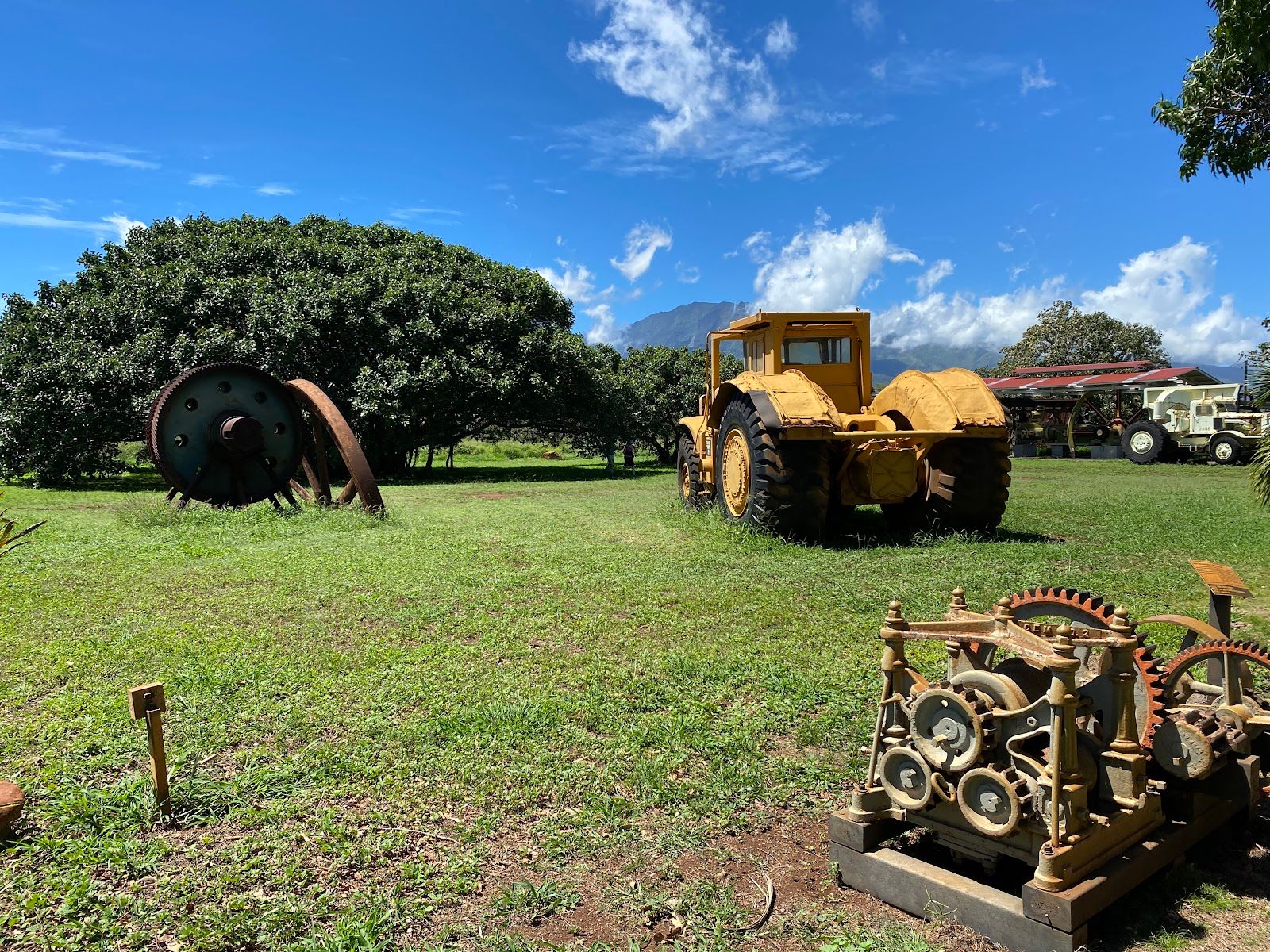
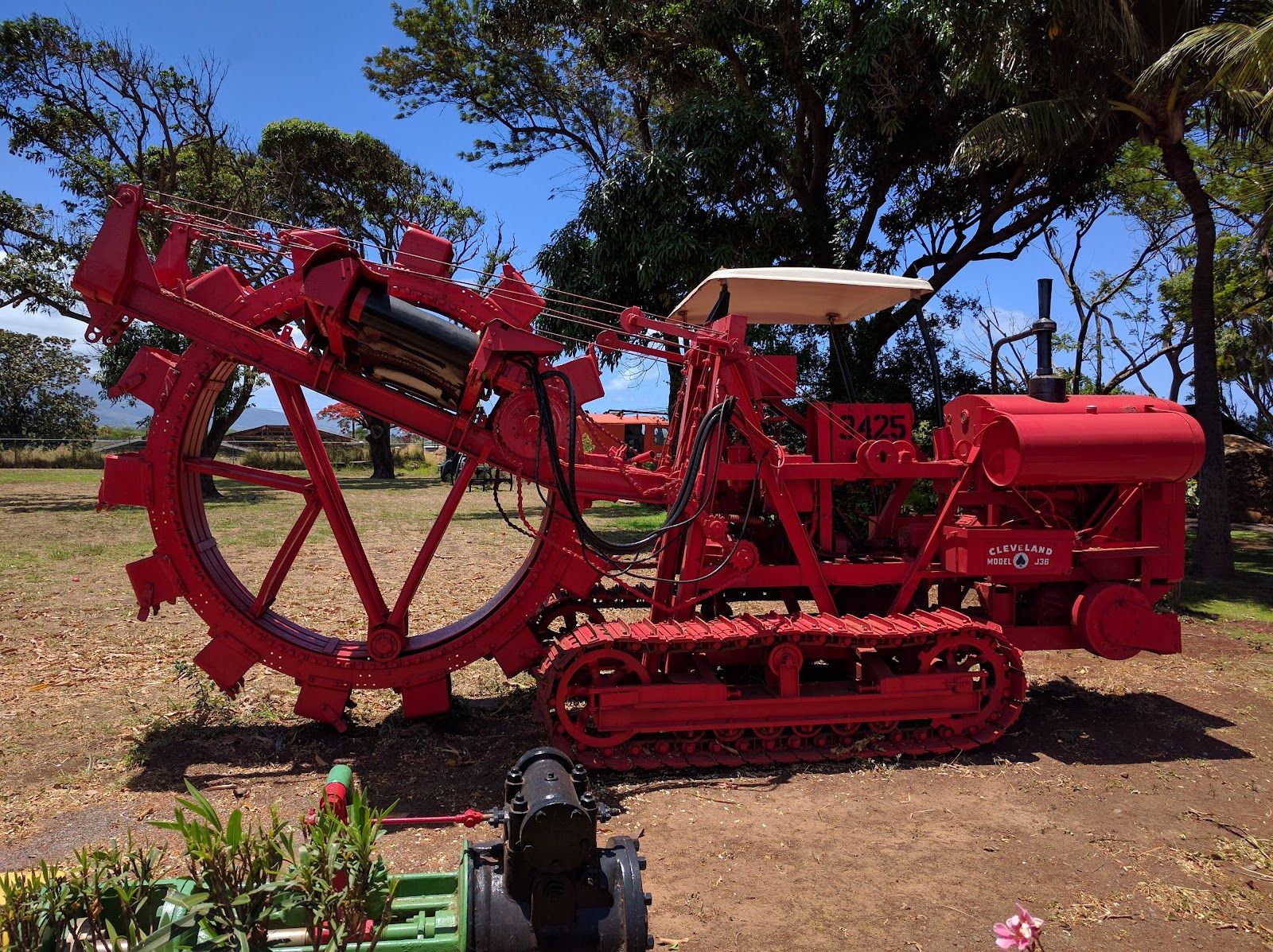
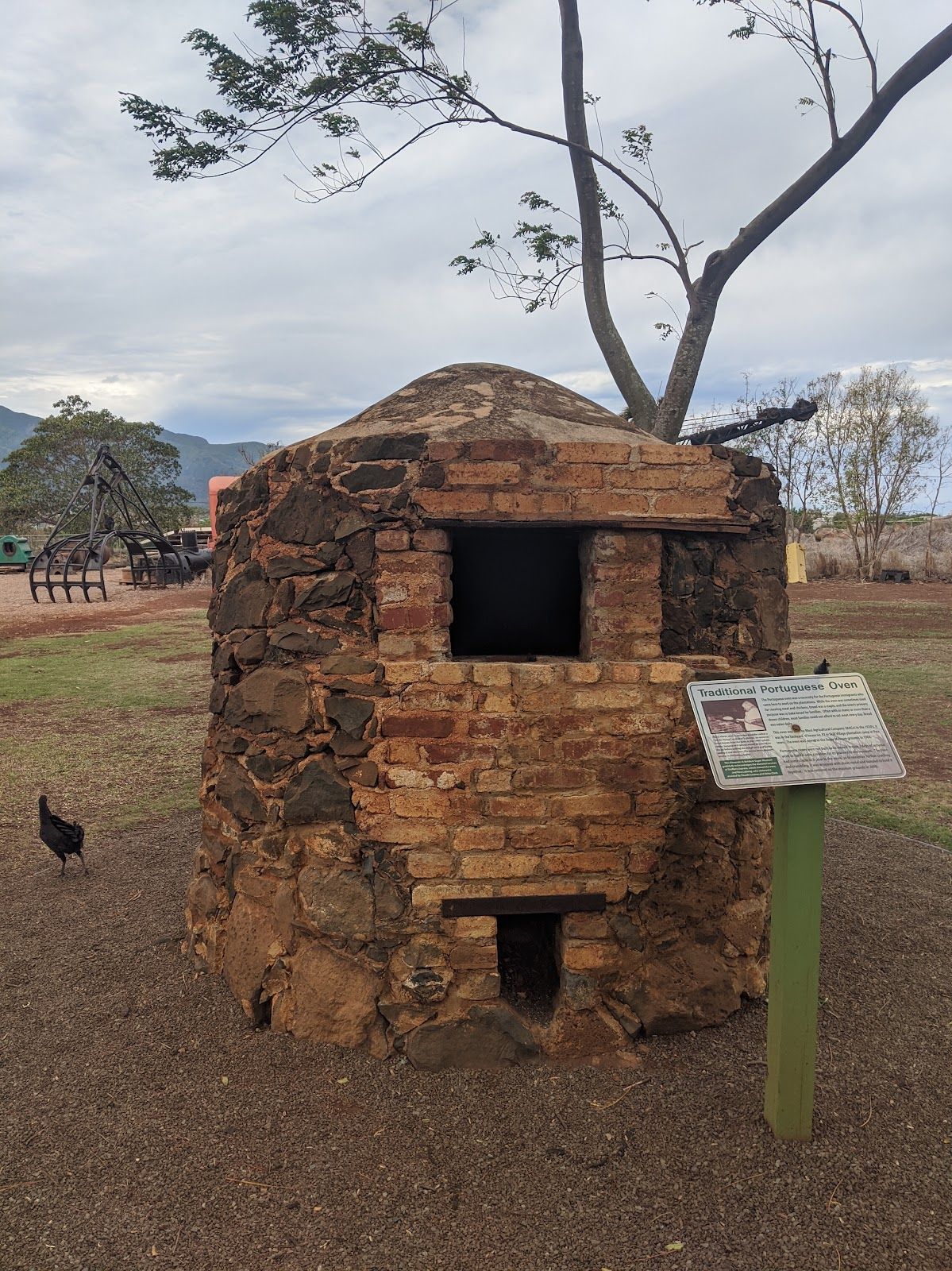
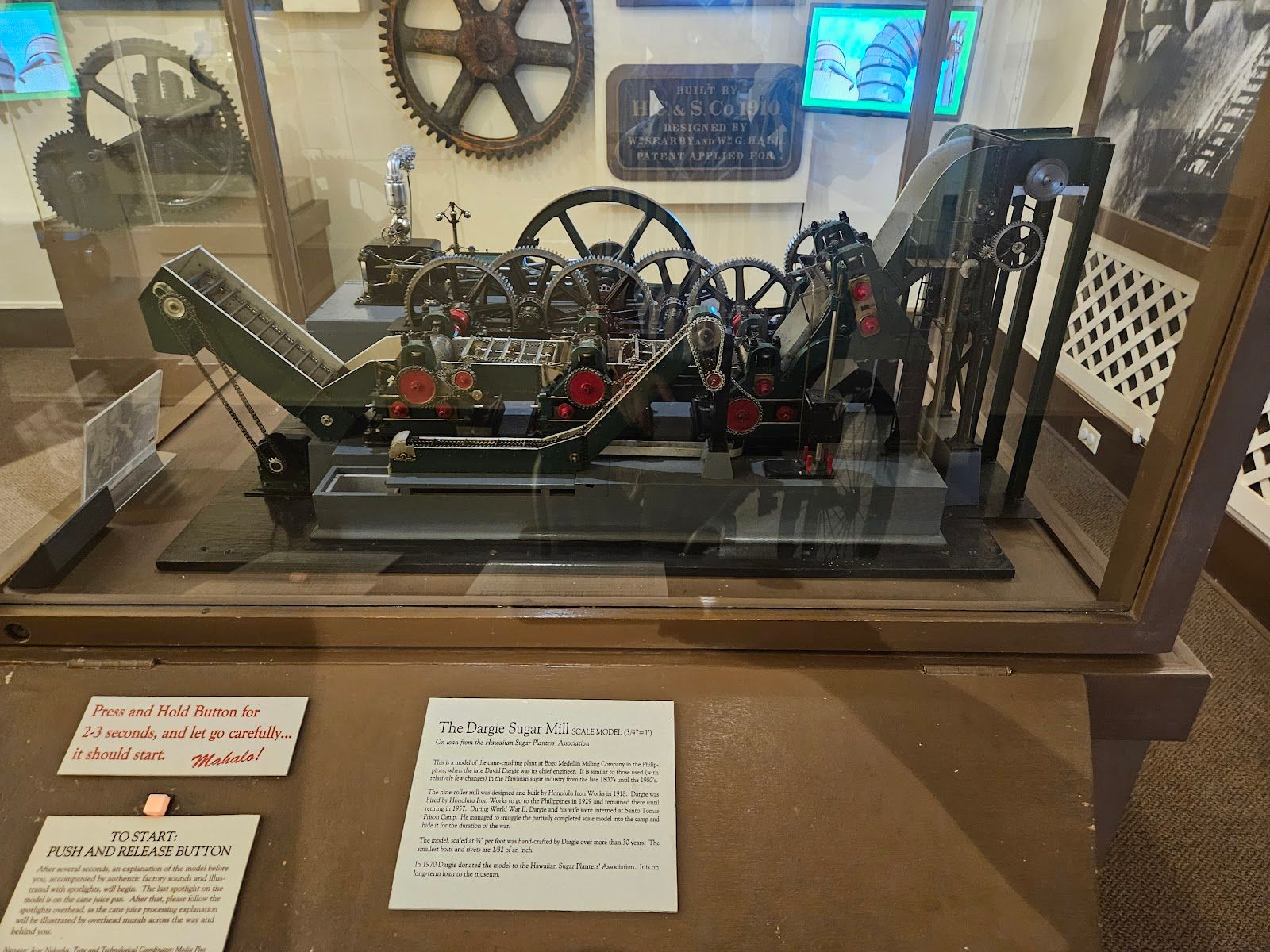
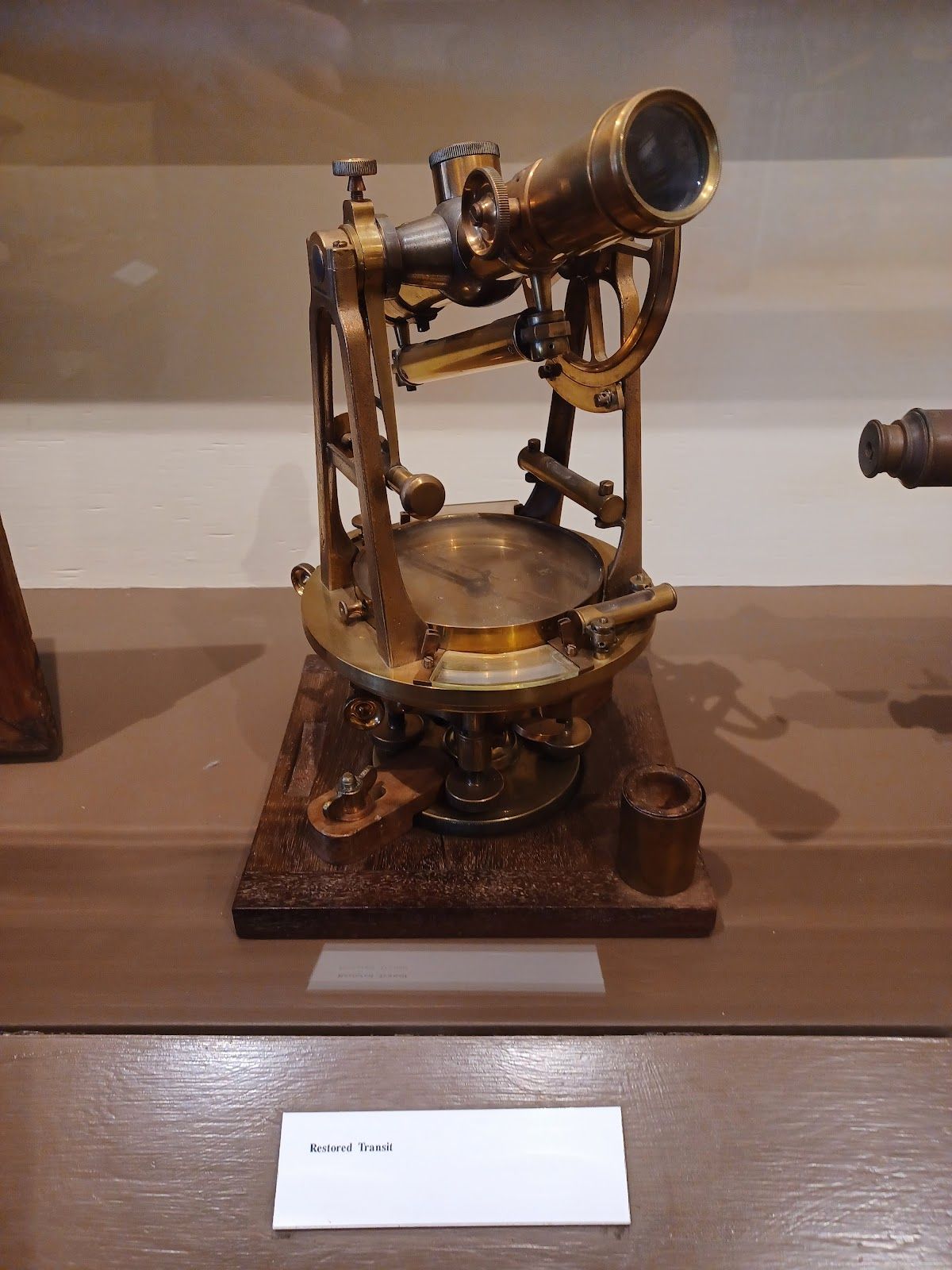
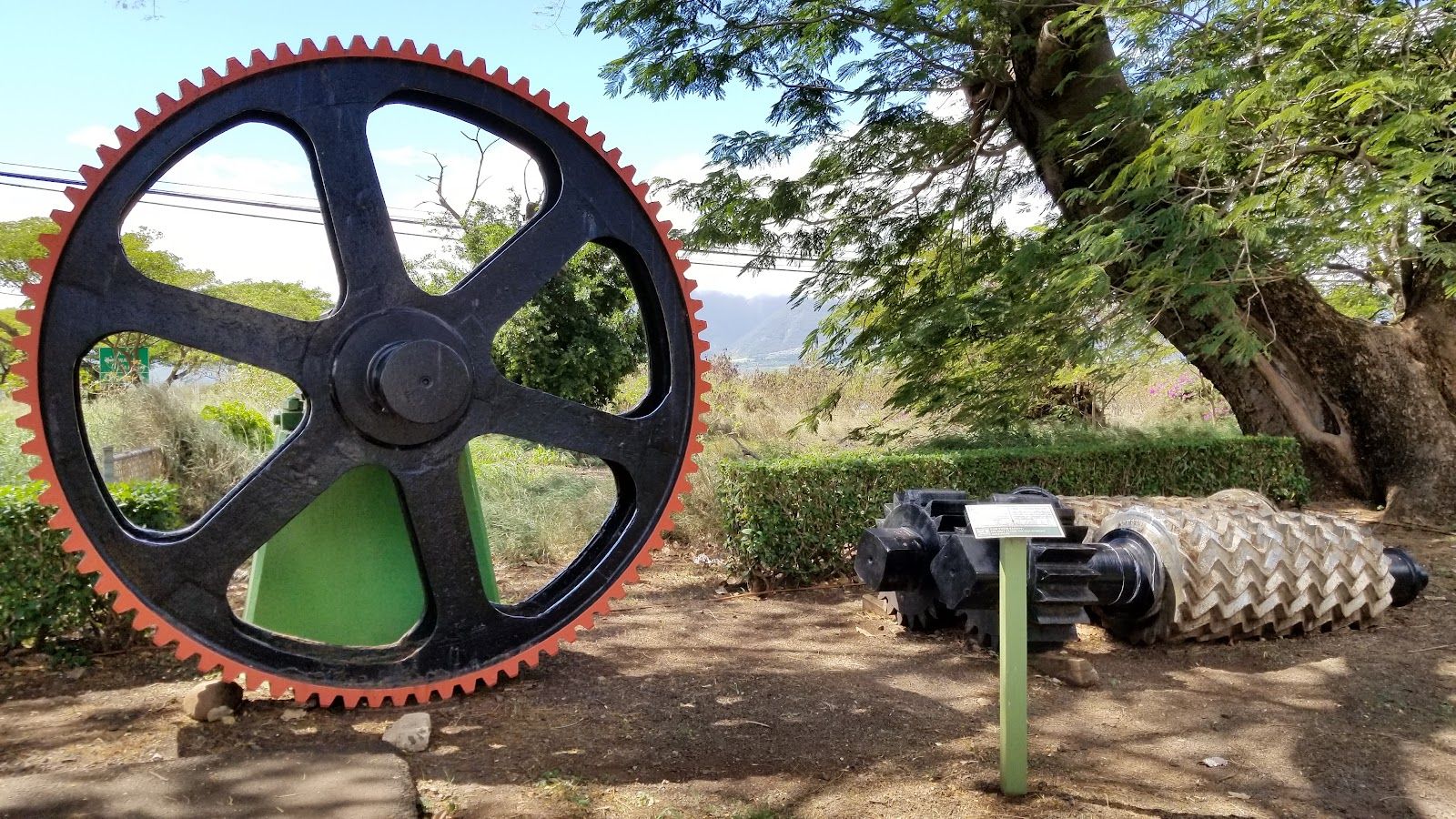
Inside, the museum uses photos, documents, artifacts, and room-by-room displays to tell the story in a straightforward, accessible way. The scale model of a sugar mill helps make the processing side easy to understand, and the “Field Work” material gives the labor side real weight. Outdoors, large pieces of equipment add an industrial feel that makes the subject more tangible without requiring a long attention span.
Why it works so well in Central Maui
This is one of the easier cultural stops to thread into a day around Kahului, Wailuku, or the airport. Its Puunene location keeps it close to the island’s main transportation routes, so it works well before a flight, after landing, or as a short detour between errands, meals, or other Central Maui sights. For travelers who want to understand Maui beyond beaches and scenic drives, it offers a useful reset: a brief, focused look at the economic history that helped shape the island’s present.
That same practicality is part of its appeal. It is an easy choice for families, history-minded travelers, and anyone looking for an indoor activity when weather is unsettled. The visit does not require a long time commitment, but there is enough substance to make it feel worthwhile rather than filler.
Reservations, access, and the main tradeoff
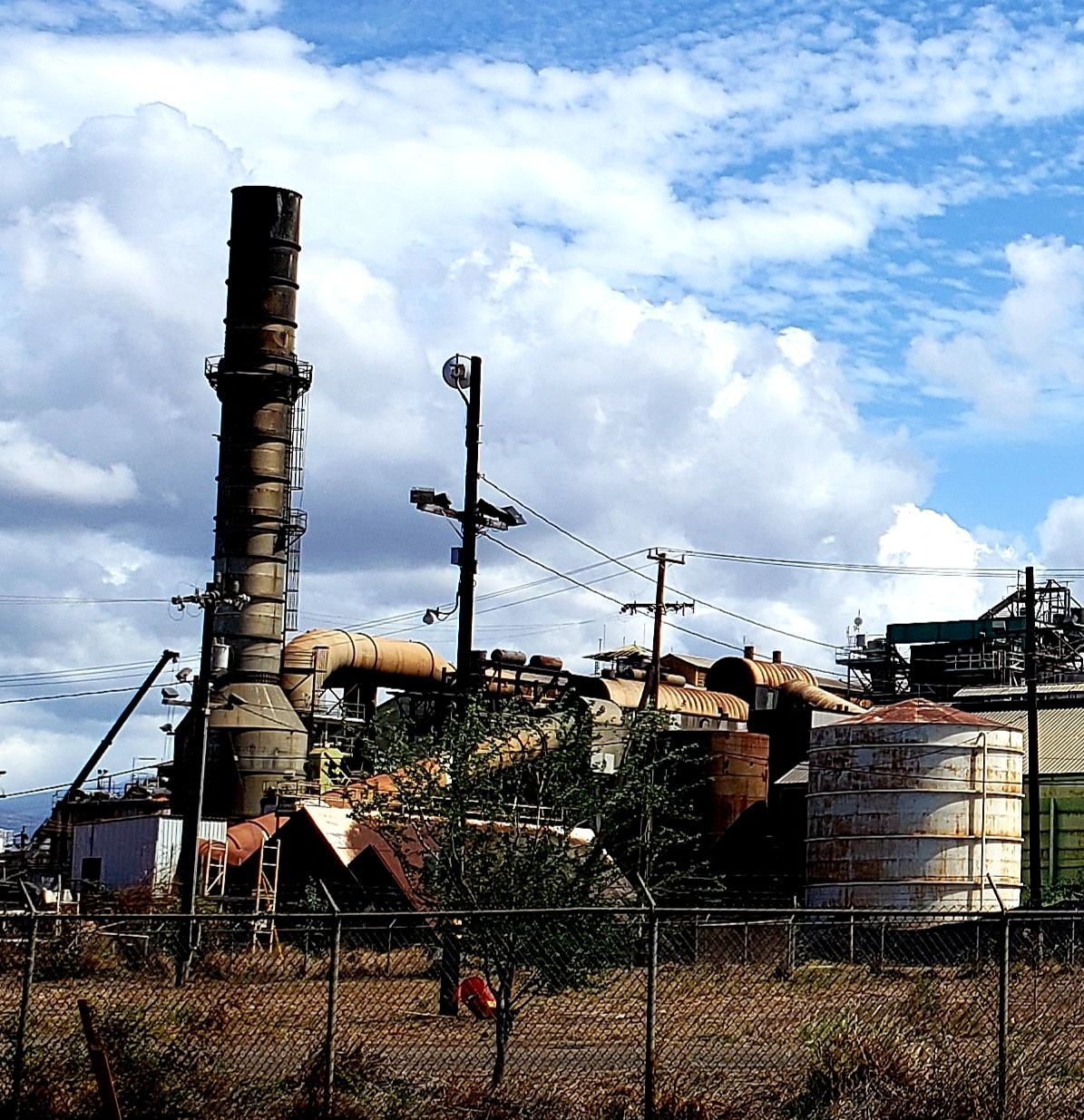
One important detail: reservations are required, so this is not a casual walk-in stop to assume on a whim. The museum also has a limited footprint, which is part of the experience. It is informative and memorable, but it is not a sprawling complex, and travelers expecting a large-scale plantation park or an active factory tour should adjust expectations. The adjacent sugar factory ended operations years ago, so the museum is best understood as a historical interpretation site, not a living production facility.
Dedicated parking and wheelchair-accessible facilities make the visit relatively straightforward, and the indoor-outdoor mix gives it some flexibility. The outdoor machinery is part of the character, though it also means the most comfortable timing is when conditions are mild. In practical terms, this is best approached as a short, focused stop rather than a place to build an entire day around.
Best fit for travelers who want more than scenery
The Alexander & Baldwin Sugar Museum is a strong match for travelers who enjoy history told through place: the kind of stop that adds depth to a Maui itinerary without demanding much time. It is especially good for visitors who want to understand how plantation-era systems, immigrant communities, and water use shaped the island’s present-day identity.
It is less compelling for travelers looking for sweeping landscapes, active outdoor adventure, or hands-on farm experiences. For them, Maui has other options. For everyone else, this museum offers something valuable and often overlooked: a clear, grounded way to read the island’s past before heading back out into the present.