
What it is
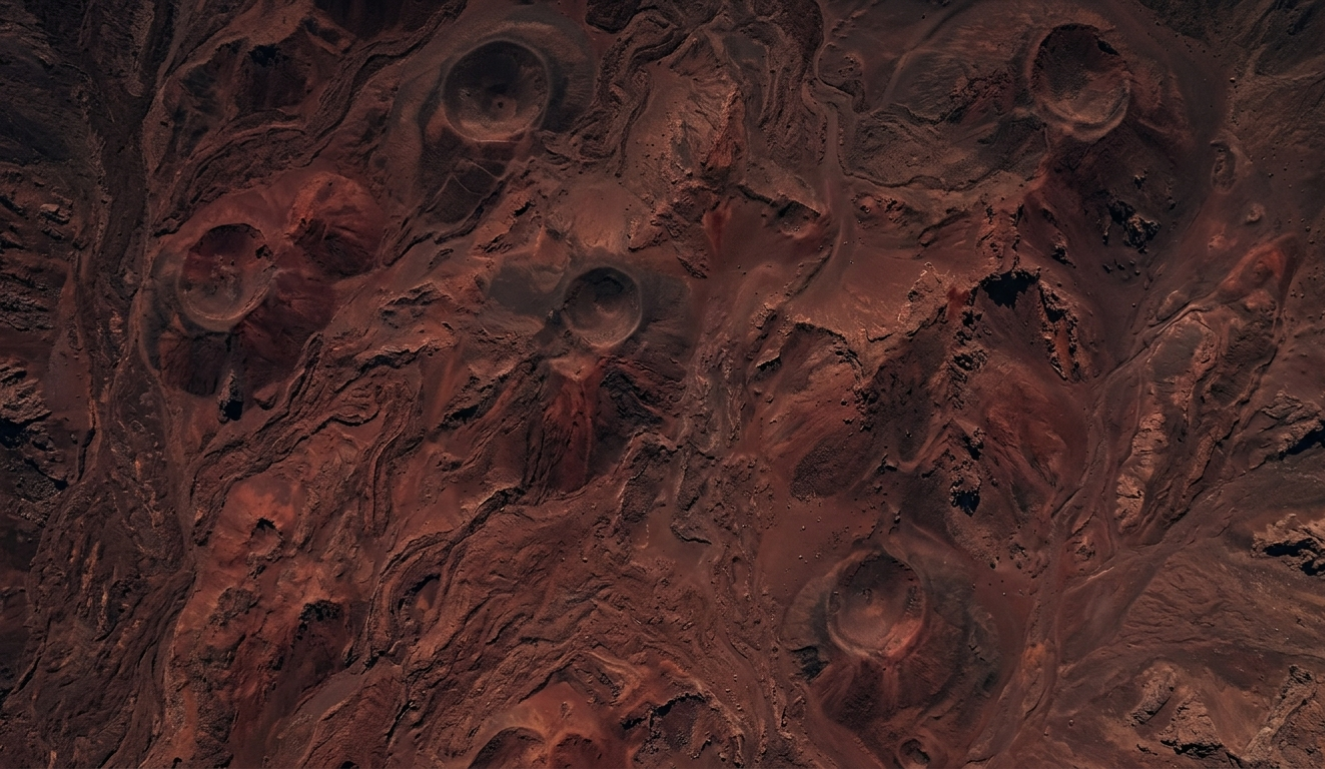
The ʻĀhihi-Kīnaʻu Natural Area Reserve is Hawaiʻi's first Natural Area Reserve, established in 1973, encompassing 1,238 acres on land and 807 acres of ocean along three miles of Maui's southwestern coastline. It protects a unique combination of geological features, including the youngest lava flow on Maui from Haleakalā, rich nearshore coral reef ecosystems, and rare anchialine pools. The purpose of the reserve is to preserve these sensitive natural and cultural resources. It is specifically designated as a reserve for safeguarding marine life and cultural resources, not as a recreational "beach park".
Visitor experience
Visitors primarily come to the accessible northern portions of the reserve for snorkeling and hiking. The reserve's coastal areas feature rugged 'a'ā and smoother pāhoehoe lava flows, offering a unique landscape where the volcanic terrain meets the Pacific Ocean.
For snorkeling, the main open area is Waiala Cove, often referred to as Ahihi Cove. This intimate bay is known for clear waters and abundant tropical fish, making it suitable for both beginner and advanced snorkelers due to varying depths. Common sightings include parrotfish, triggerfish, butterfly fish, and green sea turtles (honu). The rocky coastline, formed by lava rock and coral, creates ideal habitats for marine life. Snorkeling is best in the mornings before winds pick up.
Hiking opportunities include designated trails like the Kanahena Trail, an easy 0.9-mile out-and-back path along a coral beach with panoramic views of Molokini Crater, Kahoʻolawe, Lānaʻi, Molokaʻi, the West Maui Mountains, and Haleakalā's southern slopes. This trail traverses old lava flow fields and passes by cultural sites. Other possible routes include portions of the Hoapili Trail (King's Highway) near La Perouse Bay.
Logistics
- Location and Access: The reserve is located at the "End of the Road" in Mākena, on Maui's southwestern coast, south of Mākena State Park and north of La Perouse Bay. It is accessed via Makena Alanui Road.
- Hours: The publicly accessible northern portions of the reserve are open daily from 5:30 a.m. to 7:30 p.m..
- Parking and Fees: There is a designated dirt parking lot. A day-use fee of $10 per vehicle applies to non-residents, payable by debit/credit card at machines in the parking lot. Hawaiʻi residents are not charged but must obtain a free daily pass. Parking outside marked stalls or on the shoulder of the road is prohibited and can result in ticketing and towing.
- Duration: Snorkeling and a short hike can take a few hours, making it a good half-day activity.
- Permits: No specific visitor permits are required for general access to the open areas for snorkeling or hiking. However, commercial activities are prohibited without a special-use permit, and specific rules govern vessel operation and anchoring.
- Amenities: There are portable toilets in the parking lot, but no showers or lifeguards are on duty. There are no nearby stores, so visitors should bring their own food, drinks, and reef-safe sunscreen.
Safety and cautions
- Fragile Ecosystem: Ahihi-Kinau is a protected natural area reserve, not a recreational park, with strict rules to protect its fragile marine and land ecosystems. Visitors must not remove, injure, or disturb any plant or animal life, geological features, or cultural remains. Fishing or possessing fishing gear within the reserve is illegal.
- Ocean Safety: There are no lifeguards. Water conditions are clearest and calmest in the morning. Snorkeling can be dangerous if waves come directly into the bay. Always assess ocean conditions before entering the water.
- Reef Protection: Do not touch coral formations or any marine life, including turtles, to prevent damage and transmission of infections. Use reef-safe sunscreen, applied at least 30 minutes before entering the water, as regular sunscreen harms coral.
- Land Hazards: The hiking trails cross rugged ʻaʻā and pāhoehoe lava flows, which can be sharp and challenging to traverse. Sturdy shoes are recommended.
- Unexploded Ordinances: The area was a former military training ground, and unexploded ordinances may still exist off designated trails. Hikers must stay on marked trails for safety.
- Heat and Sun: The reserve is largely exposed, and solar radiation is high. Bring plenty of water and wear sun protection.
- Closures: A significant portion of the reserve, including unofficial trails to Kalua o Lapa, Kalaeloa ("the Aquarium"), and Mokuha ("the Fishbowl"), and all anchialine pools, has been closed to public access since 2008 to protect sensitive resources from damage due to human impacts. These closures have been repeatedly extended. Only specific northern areas, primarily Waiala Cove for snorkeling and designated hiking trails, remain open. Kayaking is permitted for personal use but commercial tours are prohibited, and anchoring/tying up in the reserve's ocean waters or shoreline is not allowed.
Editorial take
Ahihi-Kinau Natural Reserve is a premier destination for visitors interested in experiencing Maui's unique volcanic landscape and vibrant marine life in a protected environment. It is an ideal anchor activity for those who prioritize excellent snorkeling and a unique coastal hike, particularly for travelers staying in South Maui. The accessible snorkeling area (Waiala Cove/Ahihi Cove) is well-regarded for its clear waters and abundant fish, suitable for families with older children (7+) and adults of all snorkeling levels. The Kanahena Trail offers a relatively easy hike through lava fields with impressive coastal views.
Visitors who prefer traditional sandy beaches, extensive facilities, or commercial tour options for snorkeling should consider other locations. Those seeking access to the historically popular "Aquarium" or "Fishbowl" snorkeling spots should be aware that these areas, along with most of the reserve's land and all anchialine pools, have been closed to public entry for resource protection for many years. It is crucial to respect all posted signs and restrictions, as violations can lead to significant fines. The reserve is best enjoyed as a morning activity to take advantage of calmer ocean conditions and avoid crowds.
Do not confuse the limited open areas of the Natural Area Reserve with an open-access recreational beach park. Its primary purpose is conservation.
Source notes
- 'Āhihi-Kīnaʻu Natural Area Reserve - Department of Land and Natural Resources, Hawaii.gov: https://dlnr.hawaii.gov/ecosystems/nars/maui/ahihi-kinau-2/
- FAQ | 'Āhihi- Kīna'u Natural Area Reserve - Hawaii.gov (DLNR): https://dlnr.hawaii.gov/ecosystems/nars/maui/ahihi-kinau-2/faq/
- Ahihi-Kinau Reserve | Boss Frog's Hawaii (Snorkeling Information): https://www.bossfrogs.com/maui-snorkeling/ahihi-kinau/
- Snorkeling Ahihi-Kinau | Boss Frog's Rentals Hawaii: https://www.bossfrogs.com/snorkeling-ahihi-kinau/
- Ahihi Kinau Snorkeling Secrets! The Complete Guide to Maui Snorkeling!: https://www.maui-snorkeling.com/ahihi-kinau-snorkeling-secrets.html
- Kanahena Trail - Ahihi-Kinau Natural Area (Maui) | MyHikes: https://www.myhikes.org/trails/kanahena-trail_5269
- Ahihi Kinau in Maui - Hawaiian Planner: https://hawaiianplanner.com/maui/activities/ahihi-kinau/
- Rules Regulating Activities within Natural Area Reserves (NARS) (HAR 13-209): https://dlnr.hawaii.gov/dofaw/files/2022/11/HAR-13-209-NAR-Rules-11-10-22.pdf (specifically sections on Ahihi-Kinau prohibitions and fees)
- ʻĀhihi-Kīnaʻu Natural Area Reserve - Wikipedia: https://en.wikipedia.org/wiki/%CA%BB%C4%81hihi-K%C4%ABna%CA%BBu_Natural_Area_Reserve